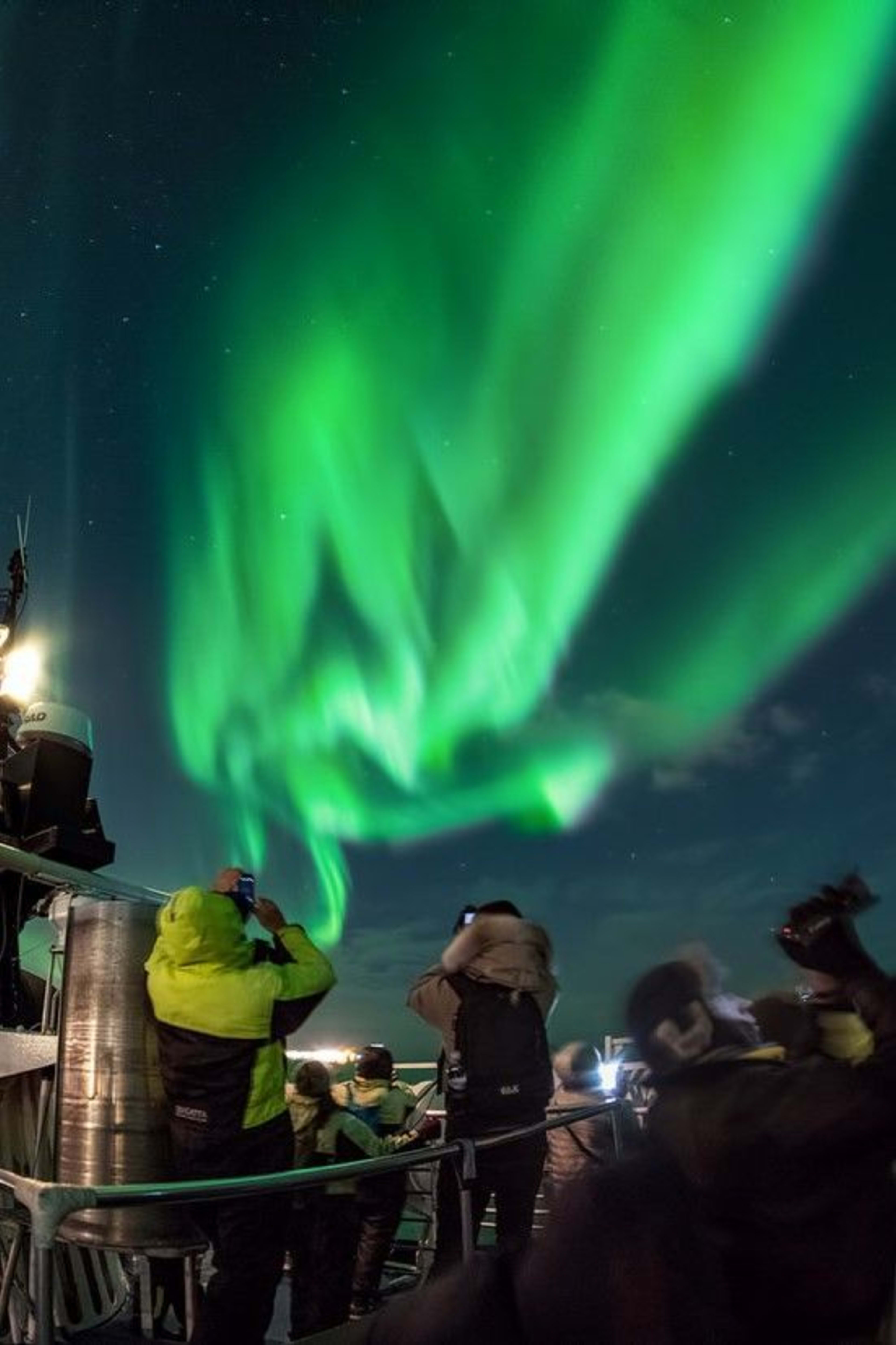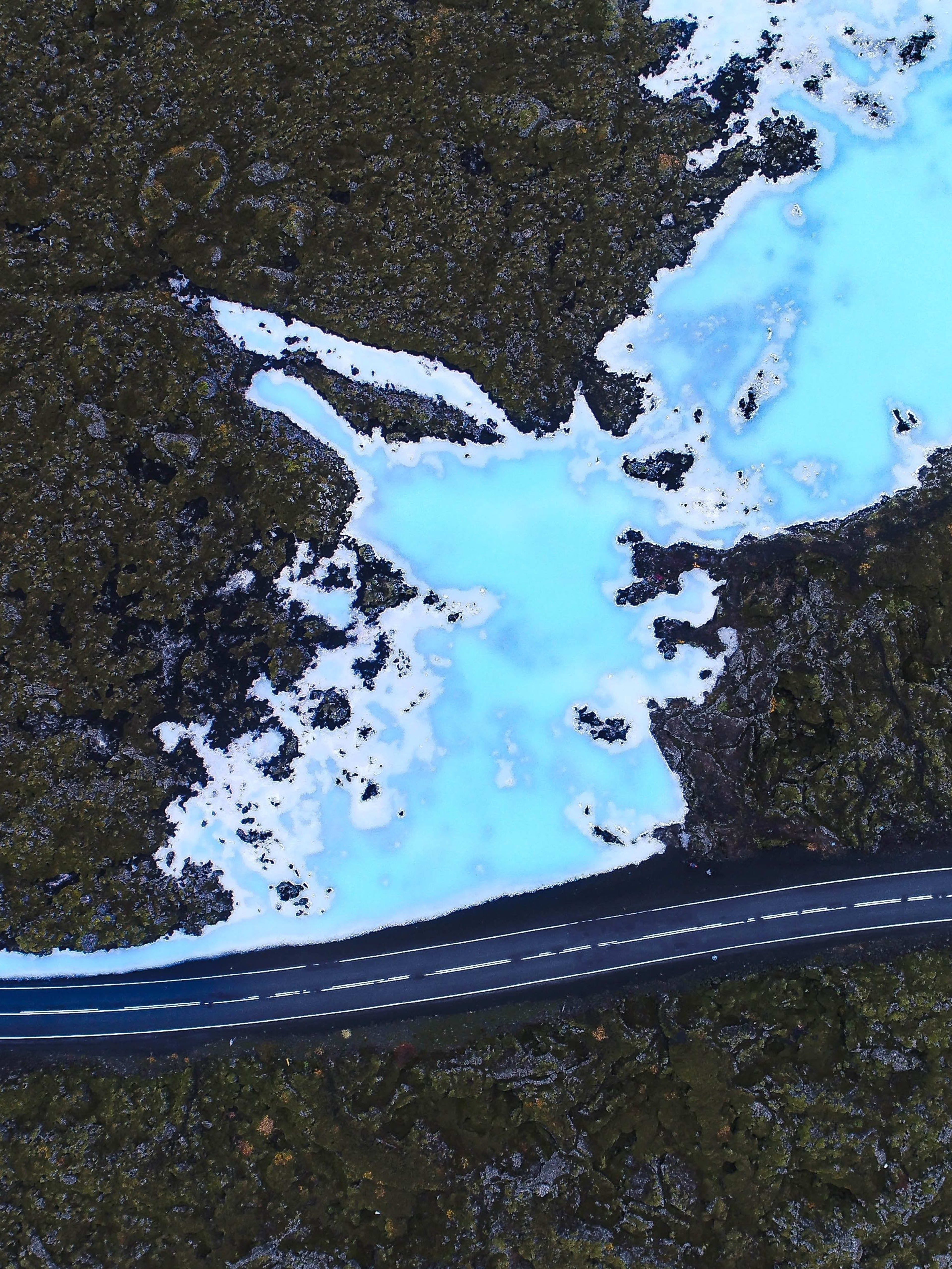
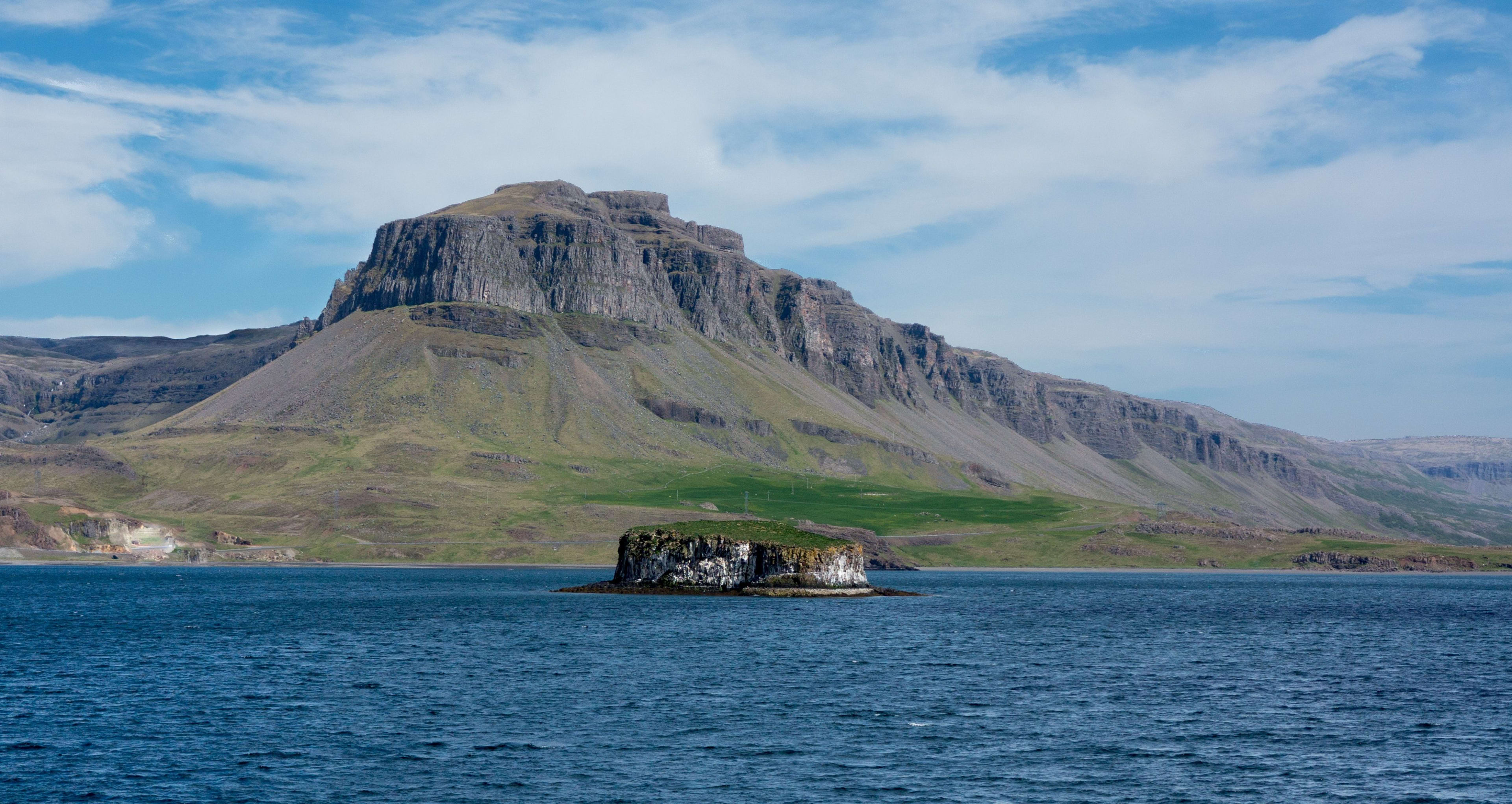
冰岛,北欧五国中的瑰宝,满载维京传奇与北欧风情。这里风光迤逦,间歇泉(Geysir)气势非凡,卡特拉火山(Katla)沉眠中蕴藏着巨大能量,蓝湖温泉(Blue Lagoon)(最值得体验的冰岛温泉)温暖治愈,黄金瀑布(Gullfoss)震撼人心,Fjaðrárgljúfur峡谷深邃神秘(来冰岛旅游必看的九大峡谷)......在冰岛众多秀丽的景观中,山川同样是耀眼明珠,比如巍峨耸立的埃亚菲亚德拉火山(Eyjafjallajökull)),柔和静谧的瓦特纳冰川(Vatnajökull)(冰岛四大冰川介绍),这些山川形成原因不一--地壳运动、火山喷发、冰川侵蚀、风雨、温差。这篇文章会为您详细介绍冰岛的8座著名山川,包括山川的历史背景、地形特征、前往的交通方式、摄影Tips。
冰岛东部
1. 冰岛西方之角:西角山(Vestrahorn)
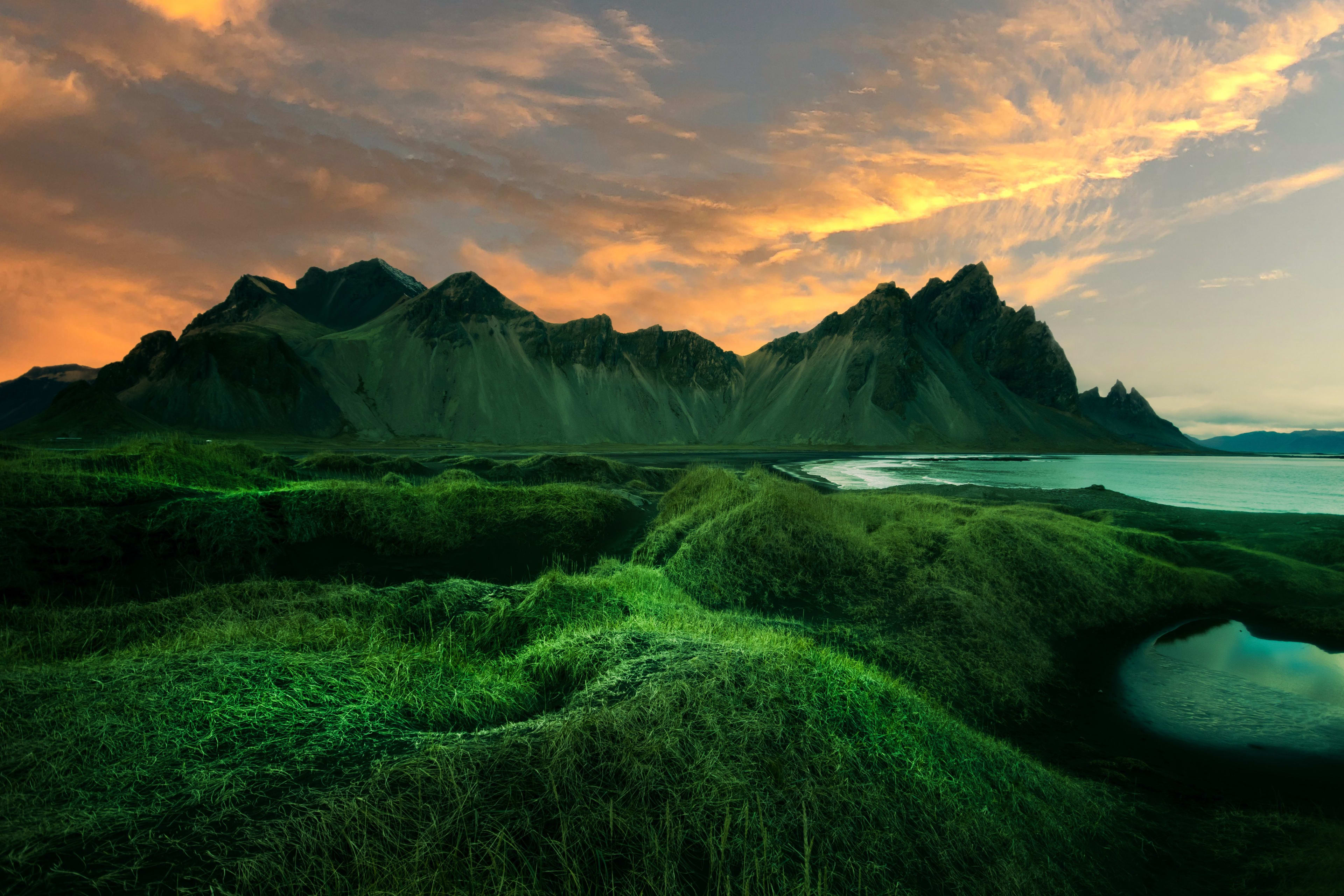
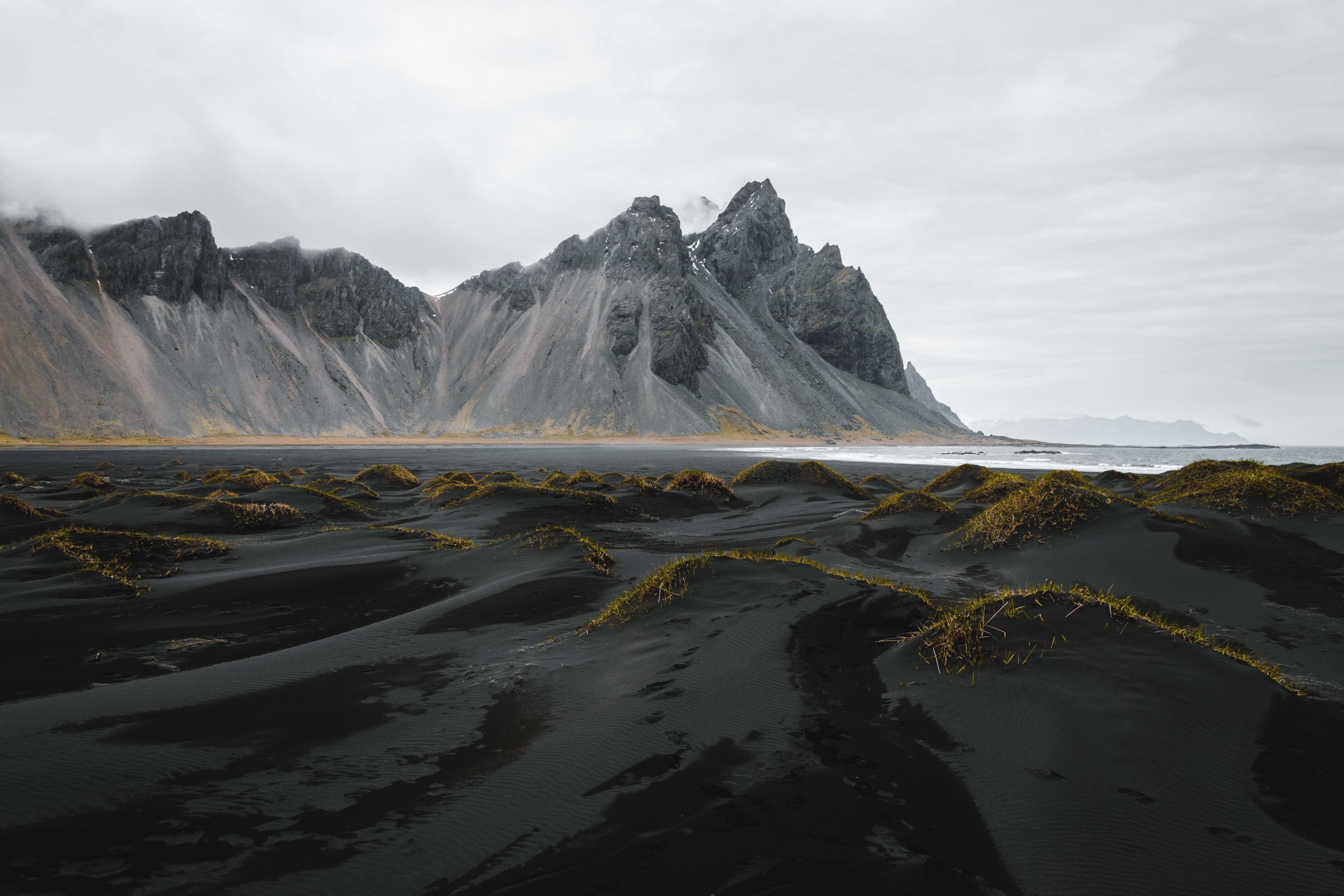
西角山(Vestrahorn)坐落于冰岛东南海岸,靠近霍芬(Höfn)小镇,这里有陡峭的山脊、造型奇特的岩石、以及湿地和黑沙滩,深受摄影爱好者青睐。
西角山的名字“Vestrahorn”意为“西方之角”,这个名字源于它的地理位置--位于冰岛东南端,面向大西洋。地理学家推测,西角山可能由冰川活动和火山活动相互作用形成,西角山的山体非常陡峭,山峰的轮廓很尖锐,从远处眺望,山脊向外张开,宛如一只张开翅膀的蝙蝠,面向观者飞来,因此西角山也常被称为“蝙蝠山”。西角山的山脚下,是广阔的黑沙滩和湿地,黑沙滩由火山喷发形成,沙子颜色深黑,与山体颜色截然不同,对比鲜明。黑沙滩上时常有水洼和小湖泊汇聚,水面如镜面般,反射西角山的倒影,如梦似幻。山脉周围,还有丰富的野生动植物,尤其春秋两季,湿地周围的植被旺盛,苔原植物遍布,野花盛放,生机盎然。冬季,西角山上冰雪覆盖,寒风瑟瑟,有种苍茫又冷冽的美感。
交通方式
西角山距离霍芬小镇约11公里,从小镇出发前往很方便。如果从冰岛首都雷克雅未克(Reykjavík)(雷克雅未克一日游 自由活动日探索指南)出发,得沿1号环岛公路向东行驶,经过维克(Vík)和霍芬小镇,抵达西角山。西角山的停车场就在山脚附近,可以停车后徒步前往。如果自驾到西角山,开普通的轿车也没问题,但要想深入西角山周围的湿地和黑沙滩,最好还是开四驱车。(冰岛自驾指南)
拍摄技巧
拍摄西角山最好在日出或日落时段,此时光线柔和,不会有强光影响画面的层次感。日落时,光线会勾勒出山脊的轮廓,黑沙滩的水面会反射出西角山的倒影,可以站在黑沙滩旁,利用水面拍摄出山脉的倒影。如果要想拍山脉全景、黑沙滩及周围景观,建议用广角,让辽阔的景色尽收眼底。冬季时,可以用长曝光来拍西角山得极光。
2. 欧洲冰川之最:瓦特纳冰川( Vatnajökull)
瓦特纳冰川(Vatnajökull)位于冰岛的东南部,是冰岛国家公园(冰岛国家公园:感受自然与人文交融之美)的一部分。瓦特纳冰川是冰川界的欧洲之最,见证了冰岛数千年的风霜雨雪。冰岛位于亚欧板块与美洲板块的交界地带,地壳运动频繁,造就了丰富的地质奇观。瓦特纳冰川正是火山喷发、冷却作用下的产物,冰川之下,潜藏着多座活跃的火山,如格里姆火山(Grímsvötn)和巴达本加火山(Bárðarbunga)。
对于冰岛人民而言,瓦特纳冰川不仅是自然的馈赠,也是一方圣地。在冰岛传统故事中,“冰川巨人”们守护着这片冰封的山脉,这些巨人一方面震慑着那些对冰川不敬的人,另一方面也保护着心怀敬畏的旅者,让他们安全穿越冰川。
冬季,瓦特纳冰川的冰洞是热门的旅游打卡地。在寒冷的气候条件下,冰洞内形成了蓝色冰柱和通道,阳光透过冰层,折射出梦幻的蓝光。不过,冰洞并非恒久不变,它们的形态与大小随着季节的更迭而不断变化,所以每一次蓝冰洞之旅都是无法复刻的旅程。
杰古沙龙冰河湖(Jökulsárlón)位于瓦特纳冰川南端,它是冰岛最著名的冰川泻湖之一,冰河湖上漂浮着形态各异的蓝色或白色的冰块,与周围的黑色沙滩形成鲜明的对比,景观很是特别。
交通方式
前往瓦特纳冰川,自驾是最佳方式。从冰岛首都雷克雅未克出发,沿1号环岛公路向东南方向行驶,约5小时左右车程。如果不想自驾,可以参加当地的冰川、火山探险团,或者加入冰岛旅行团(冰岛一日游与多日游行程),很多冰岛旅行团都有瓦特纳冰川的各类旅游项目,比如冰川徒步(探秘冰之奇境:冰岛冰川徒步全攻略)、冰洞探险(冰岛冰洞探秘攻略 带你感受冰川奇观)、越野车旅行。如果想更灵活,可以选包车服务,非常适合家庭或组团旅行的游客,包车服务可以提供个性化行程安排,还能避开人流高峰时段。
抵达冰岛东部!夏季11天环岛自驾游,涵盖东部峡湾和观鲸体验,定能满足您的需求!
拍摄技巧
瓦特纳冰川的最佳拍摄时间是冬季,此时冰川下的冰洞会呈现出幽深的蓝色,格外迷人。极夜期间还有机会拍到极光(冰岛极光观测最全攻略),用较低的ISO(如ISO 800-1600),结合大光圈和较长的曝光时间,可以拍摄出清晰的极光。瓦特纳冰川非常辽阔,很适合用广角镜头来拍摄,在冰川泻湖旁,还可以试着拍拍冰块漂浮的全景。如果天气允许,可以尝试长曝光拍摄杰古沙龙冰河湖中冰块漂流时的效果。此外,长曝光还适合捕捉河流的流动效果,让照片充满动感。在冰洞中拍摄时,由于洞内光线较暗,建议用较高的快门速度和较高的ISO,捕捉冰层透明的质感。
冰岛西部
1. 冰岛圣山:教会山(Kirkjufell)
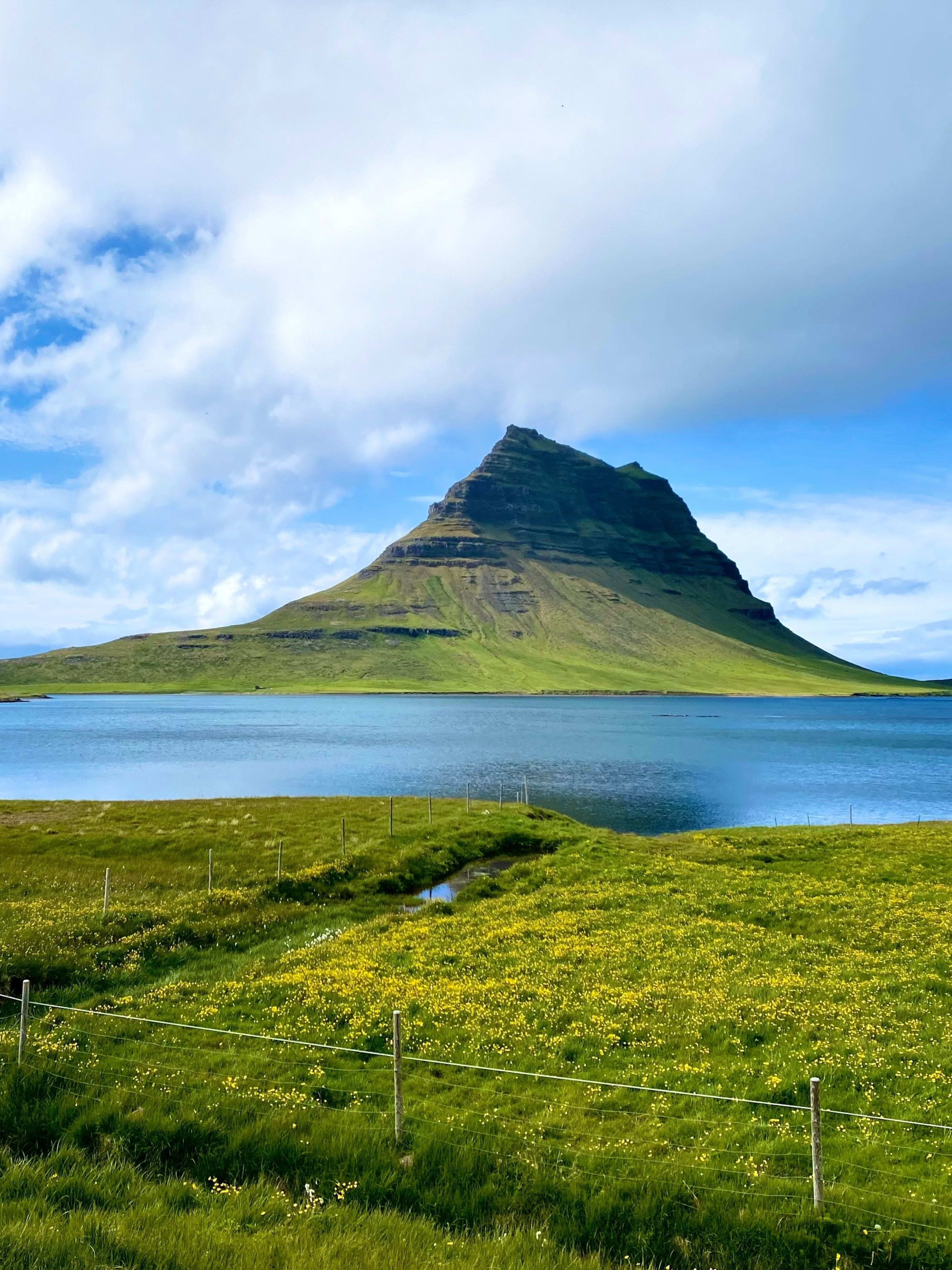
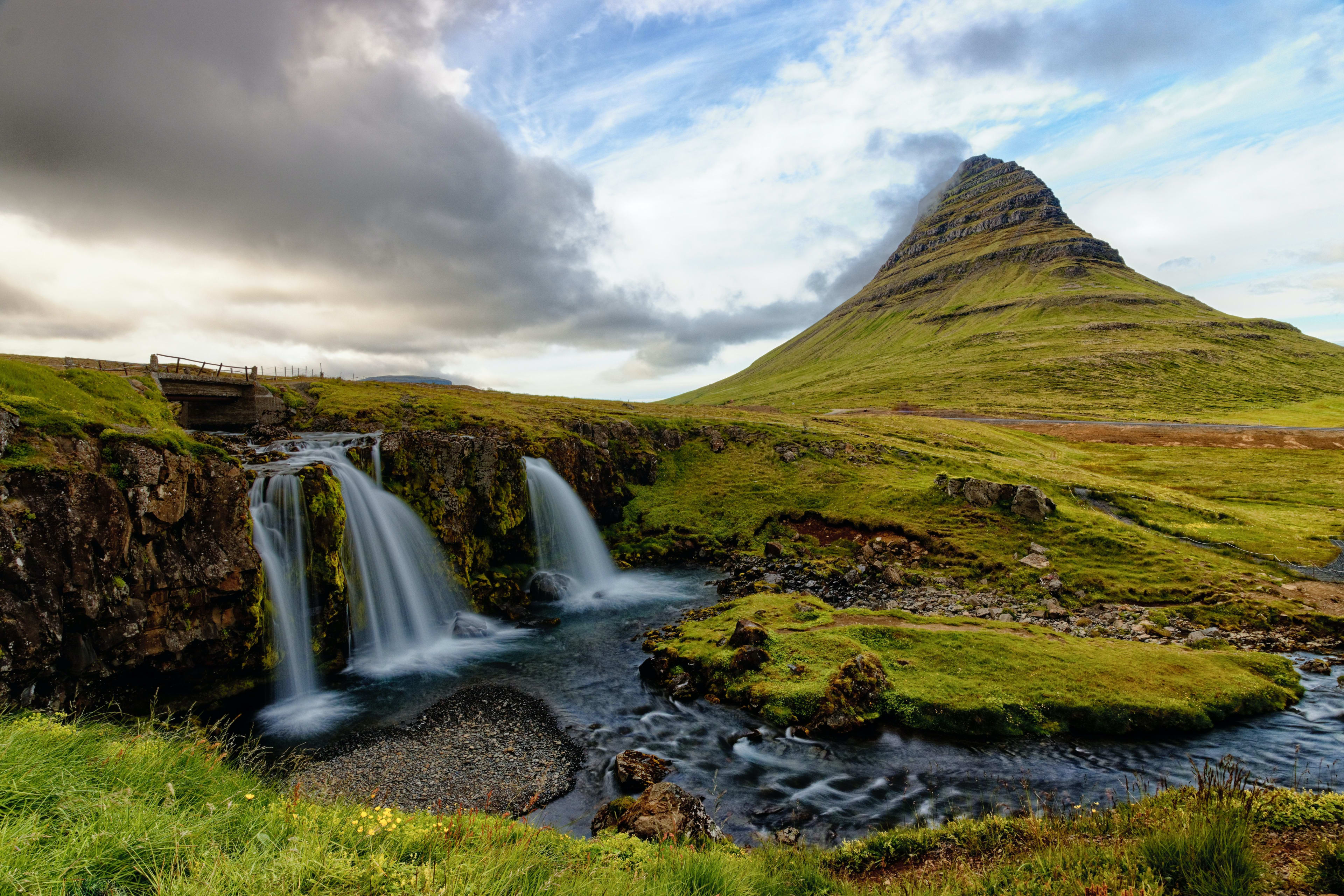
教会山(Kirkjufell),位于冰岛西部斯奈山半岛(Snæfellsnes)(冰岛缩影——斯奈山半岛玩法大揭秘),是冰岛最具代表性的山峰之一。教会山外形独特,形状酷似一顶草帽,因此也被称为“草帽山”。教会山周围的村庄是早期基督教的传教地之一,当时,村民经常会前往教会山脚下祈祷,向神祈求庇护。后来随着基督教的广泛传播,教会山逐渐成为了冰岛的宗教象征。传闻教会山是冰岛神话中的“神圣之山”,被视为通向神界的道路,许多当地人相信它具备神奇的力量,能带来好运和庇佑。
教会山山脚下有座教会山瀑布(Kirkjufellsfoss),瀑布水流清澈,从山脚倾泻而下,形成数条水流,与教会山交相辉映,是难得的摄影素材。教会山位于斯奈山半岛中心地带,周围是广袤的草地、湖泊、火山岩地貌。从教会山远眺,还能看到冰岛另一座名山—斯奈菲尔火山(Snæfellsjökull)。

交通方式
教会山距冰岛首都雷克雅未克约200公里,开车约3小时。如果自驾前往,可以从雷克雅未克出发,沿1号环岛公路向西行驶,途中会经过斯奈山半岛的小镇,如果时间允许,可以下车感受下博尔加内斯(Borgarnes)等冰岛小镇的别样风情。虽说自驾是去教会山最便捷的方式,但如果没租车,也可以参加旅游团(斯奈山半岛一日游:最美避世渔村阿尔纳斯塔皮、黑教堂、怪物海岸、冰岛西部两日游:探索斯奈山半岛、白银圈,开启熔岩洞穴探险)。教会山附近有停车场,停车后可以徒步前往教会山,教会山总体不大,徒步就能到教会山附近所有景点。如果准备徒步参观,建议从教会山瀑布开始,那里有一条标记清晰的步道,沿着这条步道前行,可以充分欣赏教会山的独特风光。
拍摄技巧
教会山最经典的拍摄角度是从教会山瀑布方向拍,以瀑布水流为前景,山峰为背景,特别适合长时间曝光,拍摄出水流的丝绸般效果。同时,也可以用广角镜头将瀑布和山峰一起收入画面,突出教会山的独特形状。在冬季,还可以拍以北极光为背景的教会山。(冰岛极光观测最全攻略)
2. 传奇英雄葬身之处:赫格尔峰( Helgafell)
赫尔格峰(Helgafell)也是冰岛西部的一座著名山峰,它位于斯奈山半岛北端的奥拉夫斯维克小镇(Ólafsvík)附近,承载着冰岛深厚的历史文化和神秘的传说(更多冰岛传说了解:冰岛最广为人知的五个神秘民间传说),是冰岛西部最具神话色彩的山峰之一。这座山峰的名字源于冰岛一个古老的神话,相传古冰岛有一位传奇英雄赫尔格(Helgi),曾在斯奈山半岛一带征战,而赫尔格峰便是这位英雄的葬身之地。关于赫尔格峰,冰岛民间还流传着另一个传说:赫尔格山的顶端是古代神灵的栖息之地,在某些时刻会出现神迹,帮虔诚的人实现愿望。因此,赫尔格峰吸引了众多朝圣者和信徒前来祈福,是冰岛的圣地之一。
赫尔格峰高约455米,海拔并不算高,但从山顶远眺,四周景色一览无遗--斯奈山半岛秀丽的海岸线、波涛汹涌的海洋、巍峨耸立的斯奈菲尔火山。晴天时,山顶景色迷人,大西洋、绿草如茵的草地、白雪覆盖的远山,构成了一幅静美旷远的画面。赫尔格峰周围的自然环境目前仍保留着原始的面貌,山脚下,还有一些历史遗址,这些遗址见证了冰岛早期定居者的生活方式,尤其是他们的的农耕和牧羊文化。每年都有考古学家和历史学者在此进行发掘研究。
交通方式
赫尔格峰位于斯奈山半岛的北部,距冰岛首都雷克雅未克约200公里,开车大约3小时。从雷克雅未克出发,沿1号环岛公路行驶,经过博尔加内斯小镇(Borgarnes),继续向西行驶,最终到达奥拉夫斯维克小镇(Ólafsvík),赫尔格峰就在小镇附近。如果想徒步,可以走赫尔格峰的徒步路线,这条路线相对简单,全程大约1到2小时,适合不同体能水平的徒步爱好者。
拍摄技巧
赫尔格峰最佳拍摄角度是从山脚下的草原或湖泊方向拍摄,用水面或草地作为前景。如果想让赫尔格峰和斯奈菲尔火山同框,可以站在高处拍摄。赫尔格峰的山顶和周围的草地非常适合使用长时间曝光拍摄,尤其在拍摄瀑布和湖泊时,长曝光能让动态的水流和云彩与静态山体形成对比。
3. 地心入口:斯奈菲尔火山(Snæfellsjökull)
斯奈菲尔火山(Snæfellsjökull)位于冰岛斯奈山半岛的西端,是冰岛最具传奇色彩的自然地标之一,这座火山不仅有迤逦的景色,还颇具传奇色彩。斯奈菲尔火山有超七十万年的历史,是冰岛少数保存完好的锥形火山之一。火山喷发历史久远,最后一次喷发约在公元200年左右。如今的斯奈菲尔火山上覆盖着冰川,是冰岛境内少数几座被冰川覆盖的活火山之一。天气晴朗时,数百公里外就能看到火山的冰川顶,这也是斯奈山半岛的标志性景观。
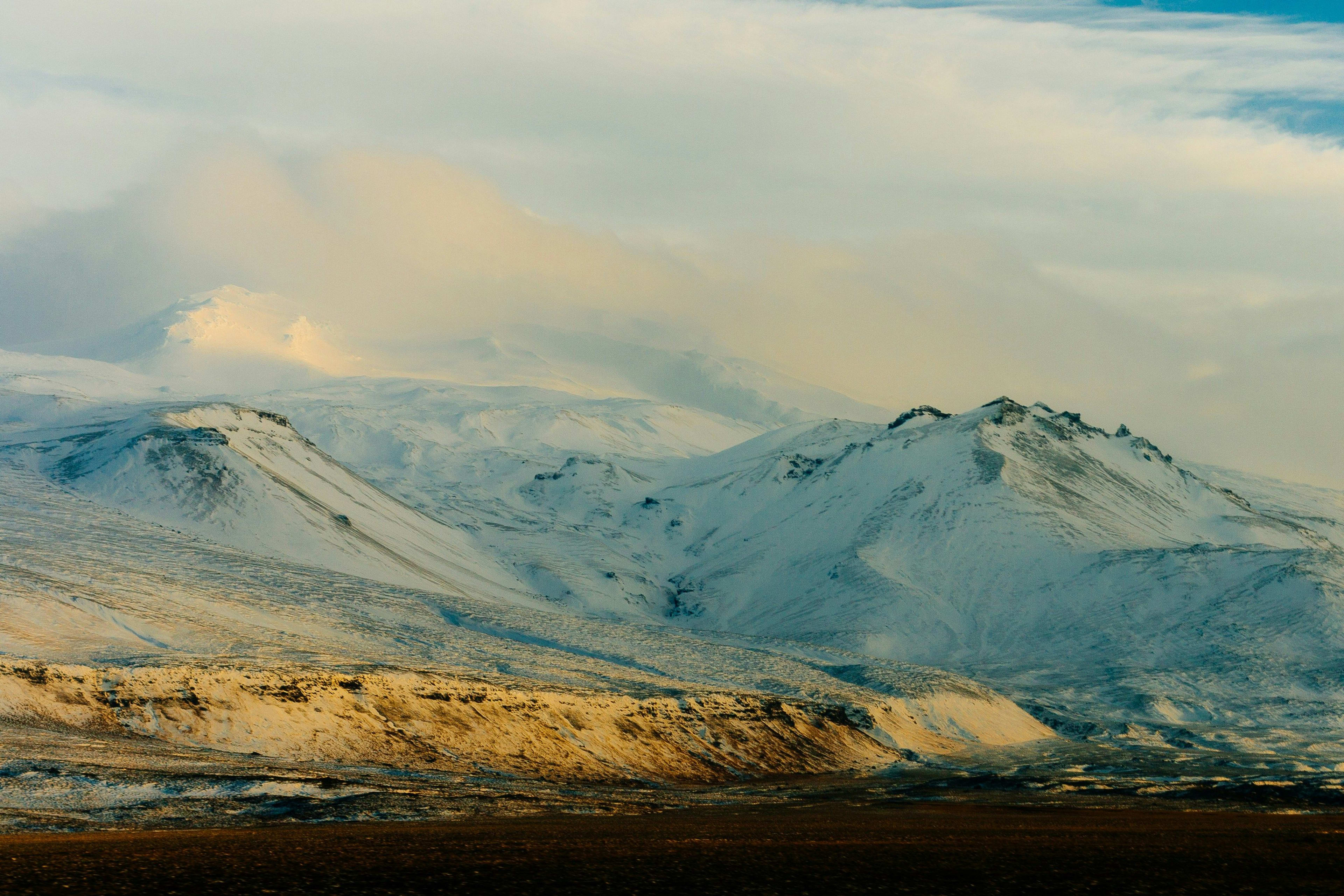
如果您看过法国作家儒勒·凡尔纳的科幻小说《地心游记》,一定记得书中描绘了一支探险队从一座火山进入地球中心,这座火山就是斯奈菲尔火山,也正因如此,斯奈菲尔火山被称为“地心入口”,吸引了大量文学爱好者和科幻迷前来探访。此外,在当地传说中,这座火山还是个“能量中心”,蕴藏着神秘能量,有疗愈身心的作用。
想要加入探索地心的活动吗?斯奈山半岛Vatnshellir洞穴地心历险体验将带你目睹神奇的地质奇观。

斯奈菲尔火山周边有许多独特的火山岩和熔岩洞穴(识洞寻踪:探秘冰岛各大火山熔岩洞穴),包括 Lóndrangar 岩柱等,都是由火山喷发后的熔浆冷却形成。
交通方式
斯奈菲尔火山距首都雷克雅未克约150公里。从雷克雅未克出发,沿1号环岛公路向西行驶,约2小时就能到斯奈山半岛。到半岛后,可以继续沿54号公路行驶,跟随路标进入斯奈菲尔冰川国家公园。
拍摄技巧
用广角镜头拍摄,可以捕捉到冰川与天际线的层次感。如果想捕捉火山的细节,可以用远摄镜头拍冰面上的裂缝和纹理。冬季如果看到极光,可以在火山前低角度拍摄,将火山与极光同时纳入镜头,用三脚架和长曝光,也可以让极光更清晰。斯奈菲尔火山周围的火山岩地貌很独特,在Lóndrangar岩柱等地拍摄,可以用中焦距镜头捕捉火山岩的粗犷之美,同时可以用逆光效果,突出岩石的轮廓感。如果有条件,可以用无人机从高空拍摄斯奈菲尔火山的冰川景色,展现火山的粗犷之美和冰川的细腻纹理。这种视角尤其适合拍摄全景。
要想来斯奈山半岛见证这些奇妙山峰,可把斯奈山半岛一日游行程纳入安排。或者,最好的是,在环岛自驾途中前往这个神奇的半岛:
冰岛南部
1. 冰岛北极星:迈利费德火山 (Mælifell)
迈利费德火山(Mælifell)位于冰岛南部的米达尔斯冰川(Mýrdalsjökull)地区。Mælifell在冰岛语中有“测量之山”之意,主要因为冰岛人曾用这座山峰来确定方向和辨认气候变化。迈利费德火山还和冰岛的维京历史及神话传说相关,传闻这座山峰是火山神灵栖息的地方,山脚下流淌着圣水,古代冰岛居民常常到这里祭祀和祈祷。
迈利费德火山是一个典型的锥形火山山体,山体高约791米,山顶常年被白雪覆盖。它的形状在冰岛的山脉中独树一帜,经过数次火山喷发,火山岩浆和火山灰塑造着山峰的地貌,形成了独特的山脉轮廓。迈利费德火山也是冰岛南部最重要的冰川之一,山峰的景致四时各异,夏季时节成群的鸟类在这里栖息,附近的草原和湿地,也是许多野生动物的栖息地。
交通方式
迈利费德火山距首都雷克雅未克约200公里,驾车约3小时。如果自驾前往,可以从雷克雅未克出发,沿着1号环岛公路向东行驶,在霍尔斯沃德吕尔(Hvolsvöllur)左转驶入261号公路,然后驶入F261号公路,沿着索斯莫克自然保护区(Þórsmörk)一路向北行驶,右转驶入F210号公路,继续行驶就能看到迈利费德火山。自驾途中可以停下来欣赏周围的瀑布、黑沙滩和火山岩。需要注意,迈利费德火山的位置比较偏远,且部分道路不适合普通轿车通行,得开四驱车或者高地车前往。尤其在冬季,道路被冰雪覆盖,普通轿车很难保障安全。
拍摄技巧
迈利费德火山最推荐的拍摄角度是从山脚下的道路或周围的河流旁边拍摄。可以通过低角度拍摄,捕捉山体与周围景色。同时,还可以尝试从更远的高处拍摄,让迈利费德火山的全貌、周围冰川、火山地貌尽收眼底。
迈利费德火山的天气变化多端,云雾和光线变化可以提供别致的拍摄氛围和效果。比如天空突然变阴,山峰被云层笼罩,给照片增添一丝神秘感。
2. 冰与火之山:埃亚菲亚德拉火山(Eyjafjallajökull)
埃亚菲亚德拉火山(Eyjafjallajökull)位于冰岛南部,是冰岛最著名,最活跃的火山之一。埃亚菲亚德拉火山的历史并不久远,2010年,埃亚菲亚德拉火山曾喷发过一次,喷出的火山灰柱高达9000米,严重影响了冰岛的生态环境及航空交通,一时成为新闻焦点。这次火山喷发波及整个欧洲,许多机场因此关闭,大量航班停飞,航空交通几乎陷入瘫痪。
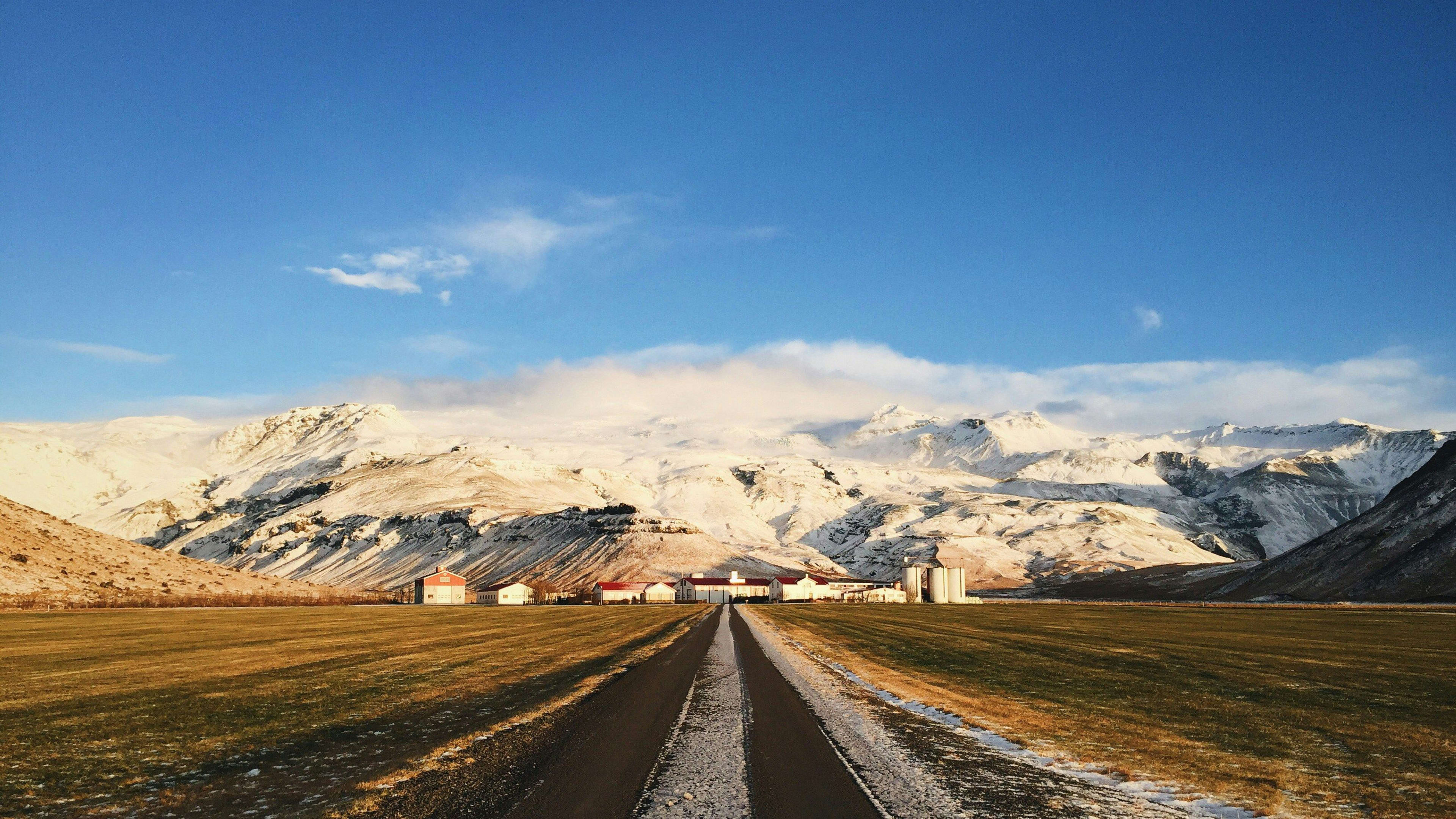
埃亚菲亚德拉火山的名字在冰岛语中可以分为三个部分,其中“Eyja”意为“海岛”,“Fjalla”是“山峰”的意思,而“Jökull”意为“冰川”。因此,这座山峰也可以被翻译为 “冰川覆盖的山峰”,这个名字很形象地描述了埃亚菲亚德拉火山的特征--山体被厚厚的冰川覆盖。
冰岛许多传说都与火山活动和自然灾害有关。当地人相信火山和冰川是神灵的居所,而火山喷发源自神灵的力量。埃亚菲亚德拉火山也不例外,传说这座火山曾是冰岛火焰女神的住所。
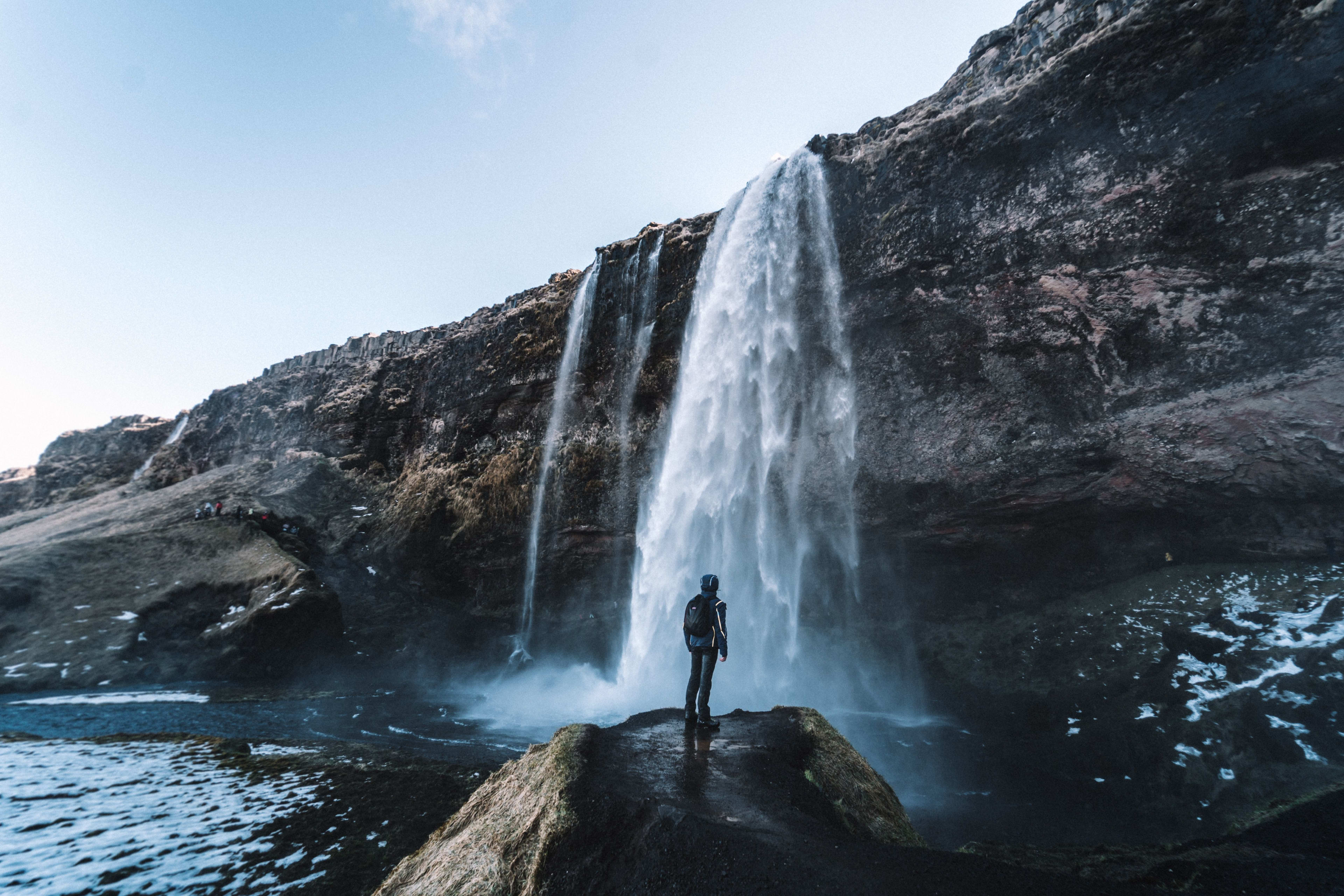
埃亚菲亚德拉火山不仅是活火山,也是一座冰川。冰川上的冰雪融化成潺潺流水流入山谷,冰川下火山活动频繁,经常出现熔岩流。埃亚菲亚德拉火山的喷发周期并不规律,科学家们一直在监测它的活动,火山周围有许多气势磅礴的瀑布,最著名的当属塞里雅兰瀑布(Seljalandsfoss),这条瀑布背后有一条通道,可以站在瀑布背后,看水流如帘幕一般从岩壁上倾泻而下,仿佛身临“花果山瀑布”。
交通方式
埃亚菲亚德拉火山距首都雷克雅未克约125公里,沿1号环岛公路向东行驶,约1.5到2小时的车程。因为埃亚菲亚德拉火山附近的地形较崎岖,尤其在天气恶劣时,道路泥泞,冰雪覆盖极易打滑,因此建议开四驱车或越野车。
拍摄技巧
埃亚菲亚德拉火山绝对是摄影好去处,不管是火山本身,还是周围的冰川和瀑布,都是绝佳拍摄素材。站在瀑布前面,可以用长曝光拍摄瀑布的水流效果,用火山和冰川作为背景。火山周围的自然环境也很适合摄影,尤其是春夏季,苔原和野花在火山岩中生长,生机勃勃,和深色的火山岩对比鲜明。
4. 冰岛温泉鼻祖:兰德曼纳劳卡山(Landmannalaugar)
兰德曼纳劳卡山(Landmannalaugar)位于冰岛南部内陆高地地区,有独特的地热景观、五彩斑斓的山脉、温泉、丰富的徒步路线,是冰岛最著名的自然保护区之一。兰德曼纳劳卡山在冰岛的地质和文化历史上占据重要地位,它的名字源自冰岛的“Landmann”一词,在冰岛语中意为“移民”或“定居者”,据传,冰岛早期定居者和探险者曾在这儿的温泉中洗澡,因此,这个地方也被称为“人类的洗浴地”。
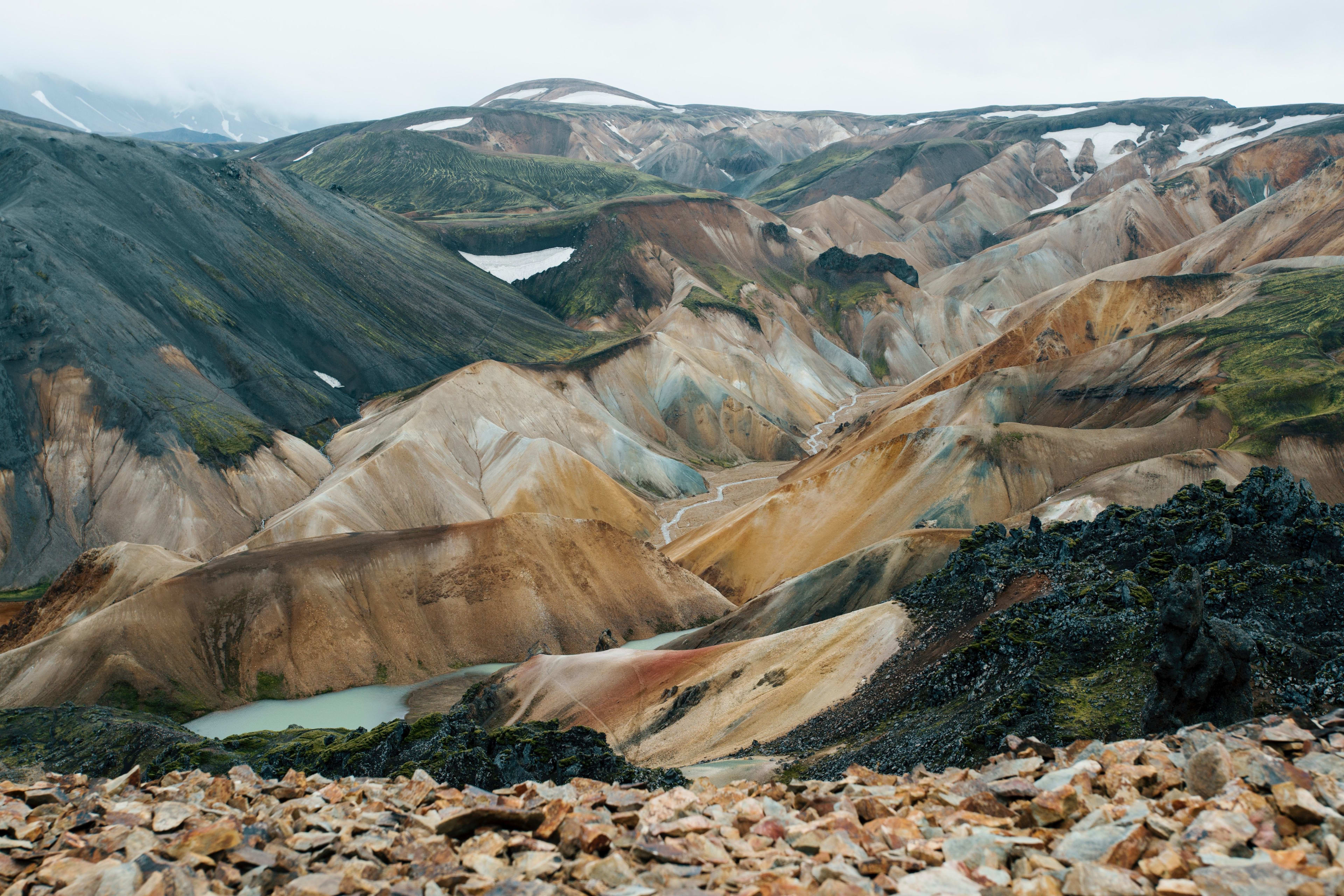
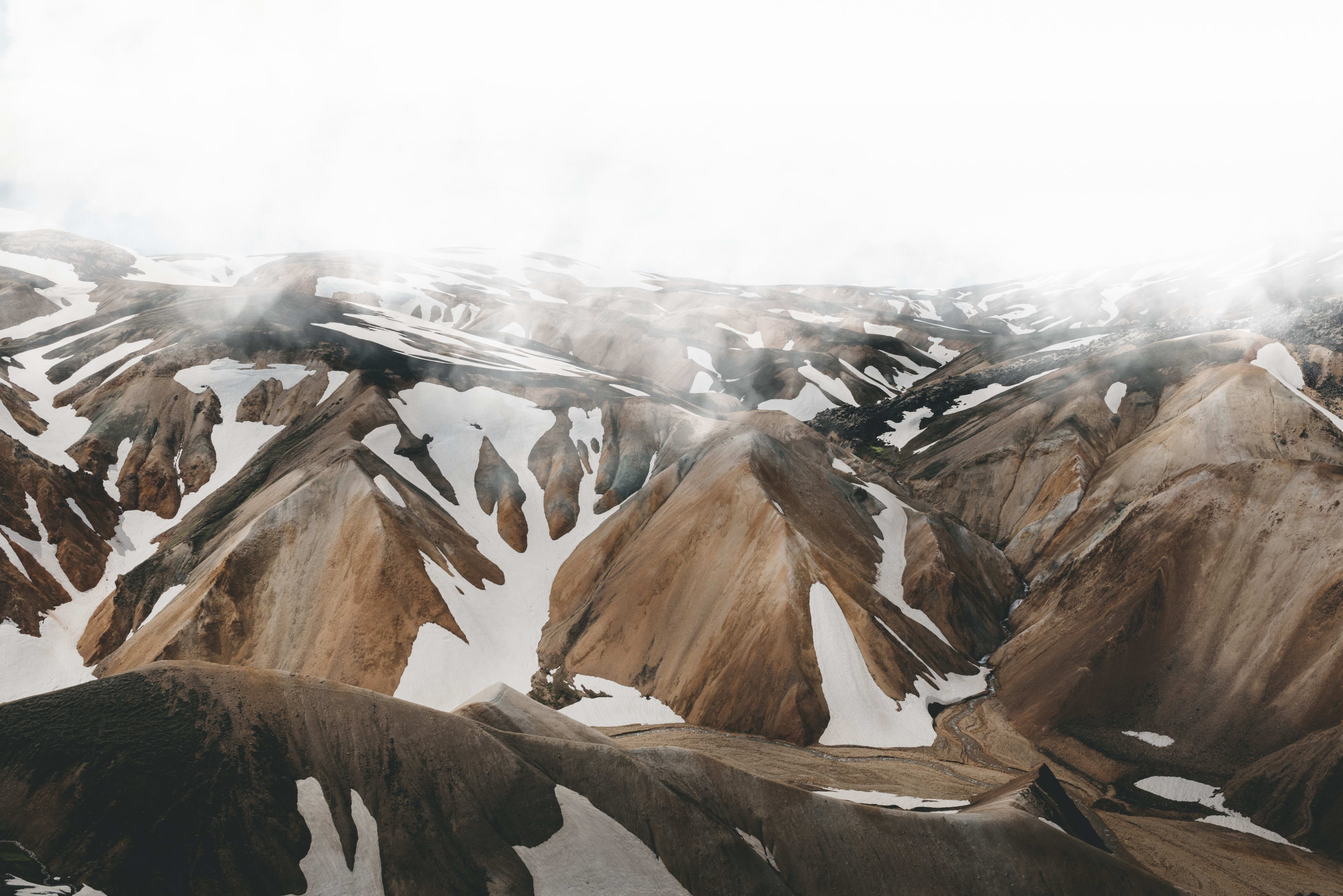
火山和地热活动塑造了兰德曼纳劳卡山(热能涌动的冰岛:探秘冰岛地热奇观),这里地质结构多样,熔岩流、火山灰、硫磺沉积以及火山岩,这些岩石色彩鲜艳,色调丰富,黄色、红色、绿色等颜色的岩石让山体色彩斑斓。受地热活动影响,兰德曼纳劳卡山内形成了天然温泉,这里的温泉水温适宜,水质清澈,适合边放松身体,边欣赏周边美丽的自然景色。
兰德曼纳劳卡山也是冰岛最著名的徒步探险地之一,其中最著名的徒步路线是Laugavegur(冰岛入门级徒步路线),这条路线连接了兰德曼纳劳卡山和索斯莫克,是冰岛最受欢迎的长途徒步路线之一,整个行程约55公里,沿途有火山、冰川、温泉。除此之外,兰德曼纳劳卡山周围还有其他短途徒步路线。山中的动植物也很多样,春夏两季,山间草地上会开满野花,引来鸟类和昆虫,给徒步增添不少意趣。
交通方式
兰德曼纳劳卡山位于冰岛的内陆高地地区,距离雷克雅未克有一定距离。从雷克雅未克出发,可以沿着1号环岛公路行驶,然后转入通往内陆高地的F225公路,继续行驶就能到兰德曼纳劳卡山。F225公路是F级公路(冰岛F级公路最全指南),几乎全程都是没有铺过的碎石路,需要开四驱车才能通行,当然,也可以坐高地巴士(Highland Bus)前往(专为前往内陆景区的游客开设)。要注意,冰岛内陆高地地区的开放时间是6月-8月,建议提前做好时间规划。根据冰岛环境局最新政策,如果自驾前往,要提前预订好停车位。
相关行程:兰德曼纳劳卡高地一日游
拍摄技巧
天气晴朗时,阳光照射在五彩斑斓的兰德曼纳劳卡山上,形成独特的光影效果,快门一按,就是一张绚丽的摄影作品。就季节来说,夏季是拍摄兰德曼纳劳卡山的最佳时段,因为此时山野间青草茵茵,野花盛放,为画面增色不少。兰德曼纳劳卡山适合广角镜头拍摄,这样可以捕捉山脉全貌和远处风景,也能更好呈现火山、岩层的细节。拍兰德曼纳劳卡山的温泉或溪流,也可以用长曝光。
5. 冰岛雷市附近可远眺:埃斯亚山/埃夏山(Esja)
埃斯亚山(Esja),也称埃夏山,位于冰岛首都雷克雅未克对岸,是极受欢迎的登山和徒步点。这座山是雷市的标志性景观,也是一道抵御强风的天然屏障,自然景观优美,交通也便携。埃斯亚山的历史可追溯至上个大冰期初季,当时山顶冰川覆盖,山底火山活动频繁,火山爆发释放的岩浆在冰川底部层层堆积,冷却凝固。后来随着冰川消退,底部凝固的山体渐渐浮出,形成了如今的山脉。埃斯亚山主要由玄武岩和凝灰岩构成,山体分层明显,宛如地质课本。从远处看,埃斯亚山像一座色彩缤纷的城堡,尤其在夕阳下,色彩配合着光影,美不胜收。埃斯亚山上植被茂盛,夏季时,鲁冰花和野花遍布山野。
埃斯亚山离雷克雅未克非常近,几乎可以在市区任何地方看到这座山,因此人们觉得埃斯亚山就像是雷克雅未克的守护天使。在埃斯亚山可以体验许多户外活动,比如登山和徒步。登上山顶,可以欣赏雷克雅未克和北大西洋的全景。夏季,山顶还会举办热闹的音乐会。埃斯亚山有两条著名登山路线,分别是Þverfellshorn路线和Steinn路线,Þverfellshorn路线是埃斯亚山最受欢迎的徒步路线,终点是海拔780米的Þverfellshorn观景点,Þverfellshorn路线部分路段较陡峭,需手脚并用攀爬,整体难度中等偏高,适合体力充沛,有一定经验的登山爱好者。Steinn路线的难度较低,终点是山腰处一块名为 “Steinn”(意为“岩石”)的标志性巨石,适合家庭游客和没有经验的登山爱好者。
交通方式
埃斯亚山距雷克雅未克约10公里,可以自驾或坐公交前往。自驾沿49号公路行驶,大约15分钟后转入1号环岛公路,不久就能看到埃斯亚山的登山入口。登山入口处有停车场、公共卫生间和信息板,信息板上记录了当天天气、徒步建议和不同路线的详细信息,方便游客了解。如果没有租车,可乘坐15路公交车,在rtn站换乘57路公交车,然后在Esjurtur-Hiking Center站下车。
拍摄技巧
埃斯亚山是拍雷克雅未克全景的好地方,站在Þverfellshorn观景点,可以用广角镜头把雷克雅未克和北大西洋的广阔海景一起收入镜头,日出或日落时,光影交错,更能出片。埃斯亚山层次分明,可以用色彩层叠的山体做背景,再以徒步的游客或山间小路做前景,拍摄出人与自然和谐相处的状态。如果想捕捉山脉的四季风光,夏季可以拍绿意盎然的山坡和蓝天,冬季可以用三脚架和滤镜捕捉山脉覆盖积雪时的冷色调美感。如果条件允许,可以用无人机从山顶俯瞰,拍摄山脉与海岸线相接的景观。
6. 冰岛平顶山峰:Lómagnúpur山
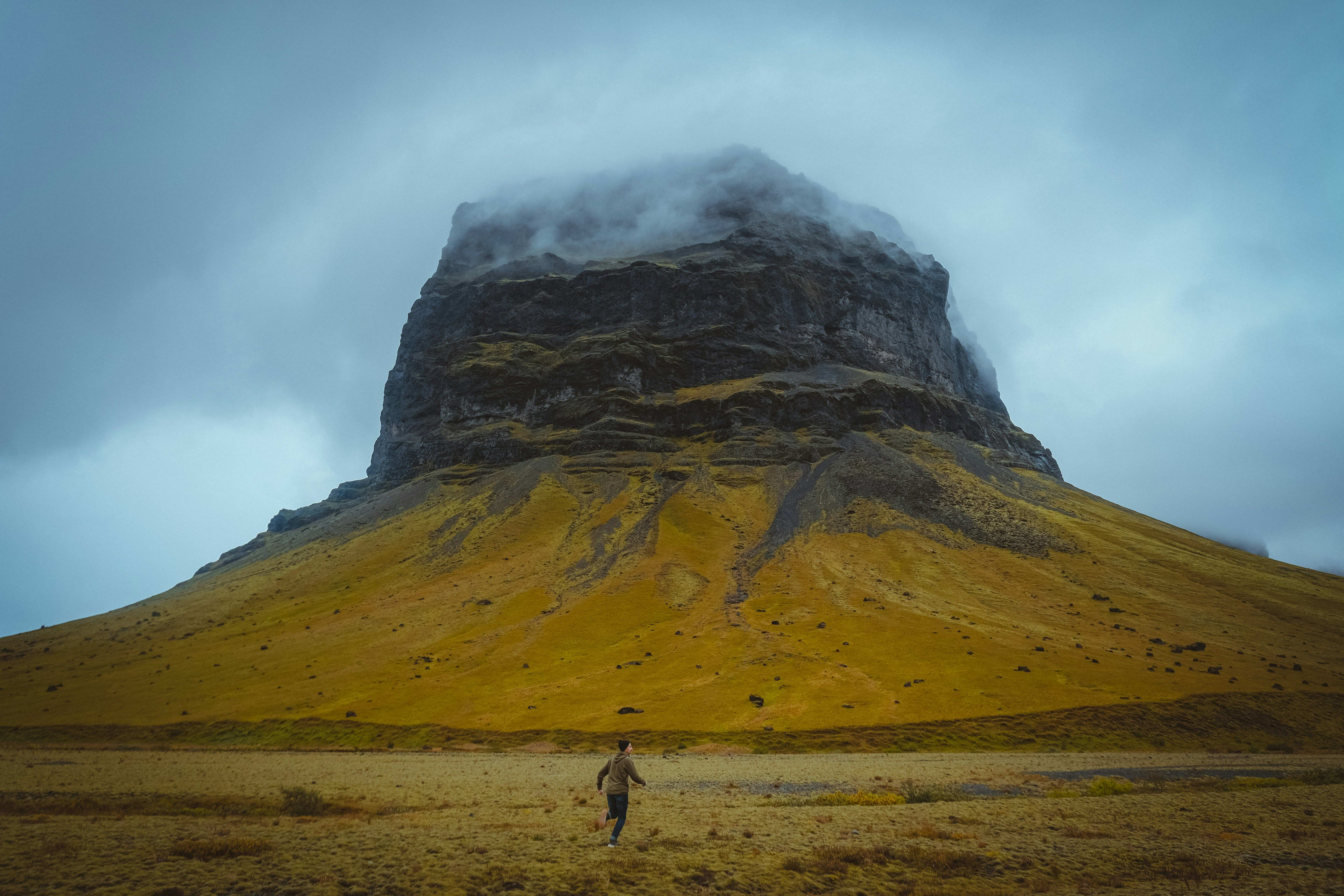
Lómagnúpur山坐落在冰岛南岸1号环岛公路沿线,靠近瓦特纳冰川国家公园,被誉为冰岛南部的一大地标。这座山高约690米,是一座玄武岩山峰,平坦的峰顶看上去很是独特。Lómagnúpur山历史悠久,至少有100多万年的历史,而底下的熔岩和沉积物层,更是有约250万年的历史。长年累月的火山喷发和冰川侵蚀造就了Lómagnúpur山,它是研究冰岛地质的重要基地,因此Lómagnúpur山也被称为冰岛地质史的活化石。
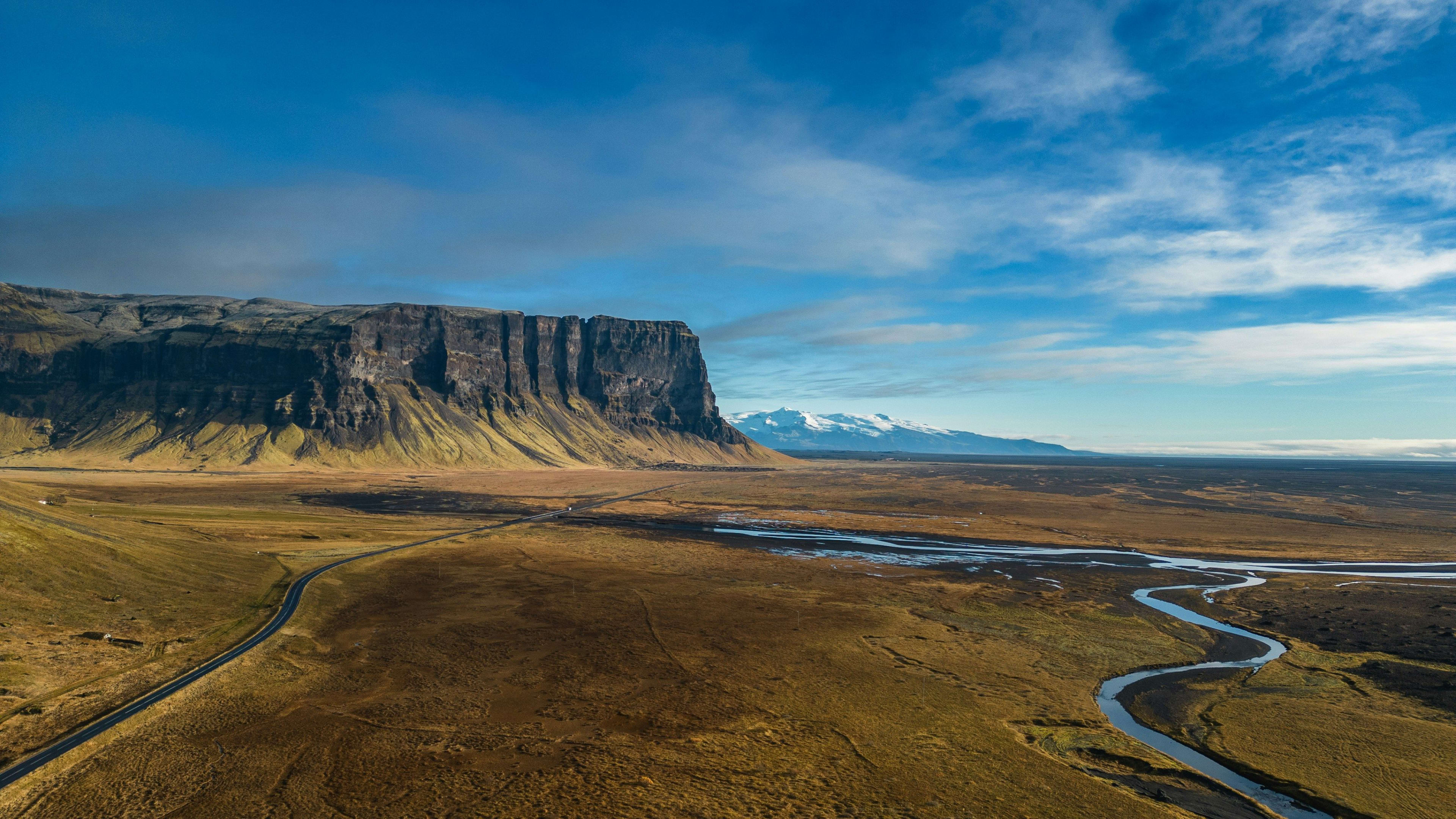
Lómagnúpur山与冰岛中世纪名著《尼雅尔萨迦》(Njáls saga)紧密相关。《尼雅尔萨迦》记载了10世纪末冰岛家族相互角逐的历史,展现了当时冰岛社会的文化传统和价值观。比如,当时有位名叫Flosi Þórðarson的冰岛家族首领,为了帮自己的家族报仇雪恨,徒步穿越Lómagnúpur山区。Lómagnúpur山还是一座“守护山”,据说山中栖息着名为 Jón the Giant 的巨人,他是这片土地的守护者,保护着附近居民不受外来者侵害。有些当地人自称在山的周围看到过神秘的光芒或听到过低沉的声音,猜想这是守护者在与外界沟通。

Lómagnúpur山悬崖陡峭,直插天际,视觉效果拉满,尤其是在阳光或雾气笼罩时,格外震撼。Lómagnúpur山还是海鹦和北极燕鸥等鸟类的栖息地,徒步或驻足时常能观赏到这些活泼的鸟类在悬崖间盘旋。Lómagnúpur山坐落于冰岛南岸平原,周围平坦的地形与陡峭的山峰形成鲜明对比,让人惊叹于大自然的鬼斧神工。
交通方式
从雷克雅未克自驾,可沿着冰岛1号环岛公路向东行驶,途经塞尔福斯(Selfoss)和维克小镇,Lómagnúpur 山位于斯卡夫塔山(Skaftafell)以西,开车约 4 小时到达。山脚下有停车场。夏季,还会有巴士从雷克雅未克前往瓦特纳冰川国家公园,途径Lómagnúpur山,适合不想租车的游客乘坐。
拍摄技巧
不同天气状况下,Lómagnúpur 山都很出片,日出或日落时,阳光斜射在山体上,能拍出色调温暖,富于立体感的大片。雾天或薄云笼罩时,拍出的照片冷峻神秘。如果喜欢拍远景,可以把山对面的平原作为前景,拍Lómagnúpur山的全貌,如果是拍近景,可以在靠近山脚的位置,利用陡峭的悬崖作为画面主体,拍摄出山峰的宏伟气势。当然也可以利用倒影来拍摄--雨后利用地面形成的水洼拍摄山峰倒影,效果别具一格。
前往这些山峰,最推荐的还是自驾,您可以考虑如下行程: