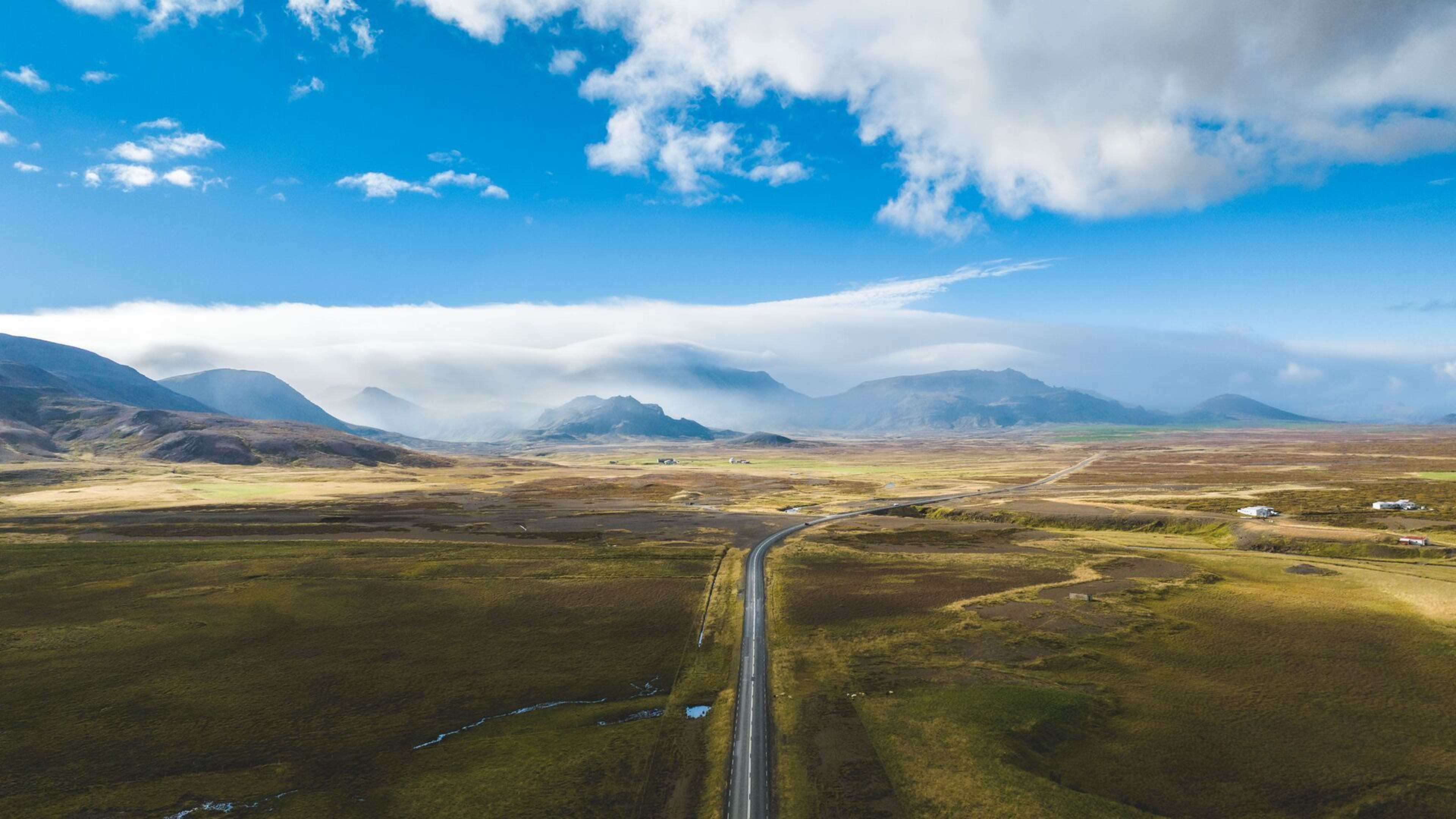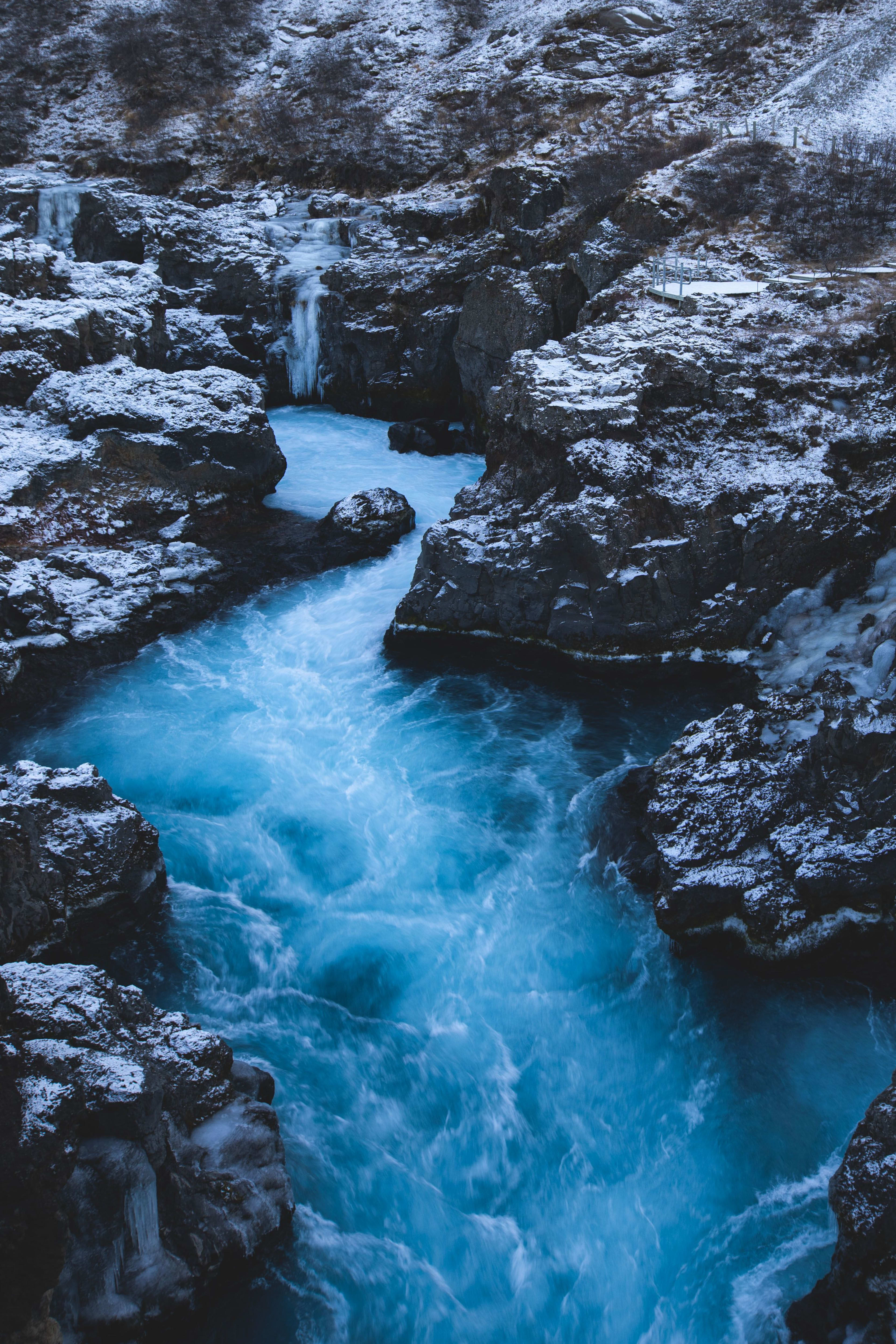
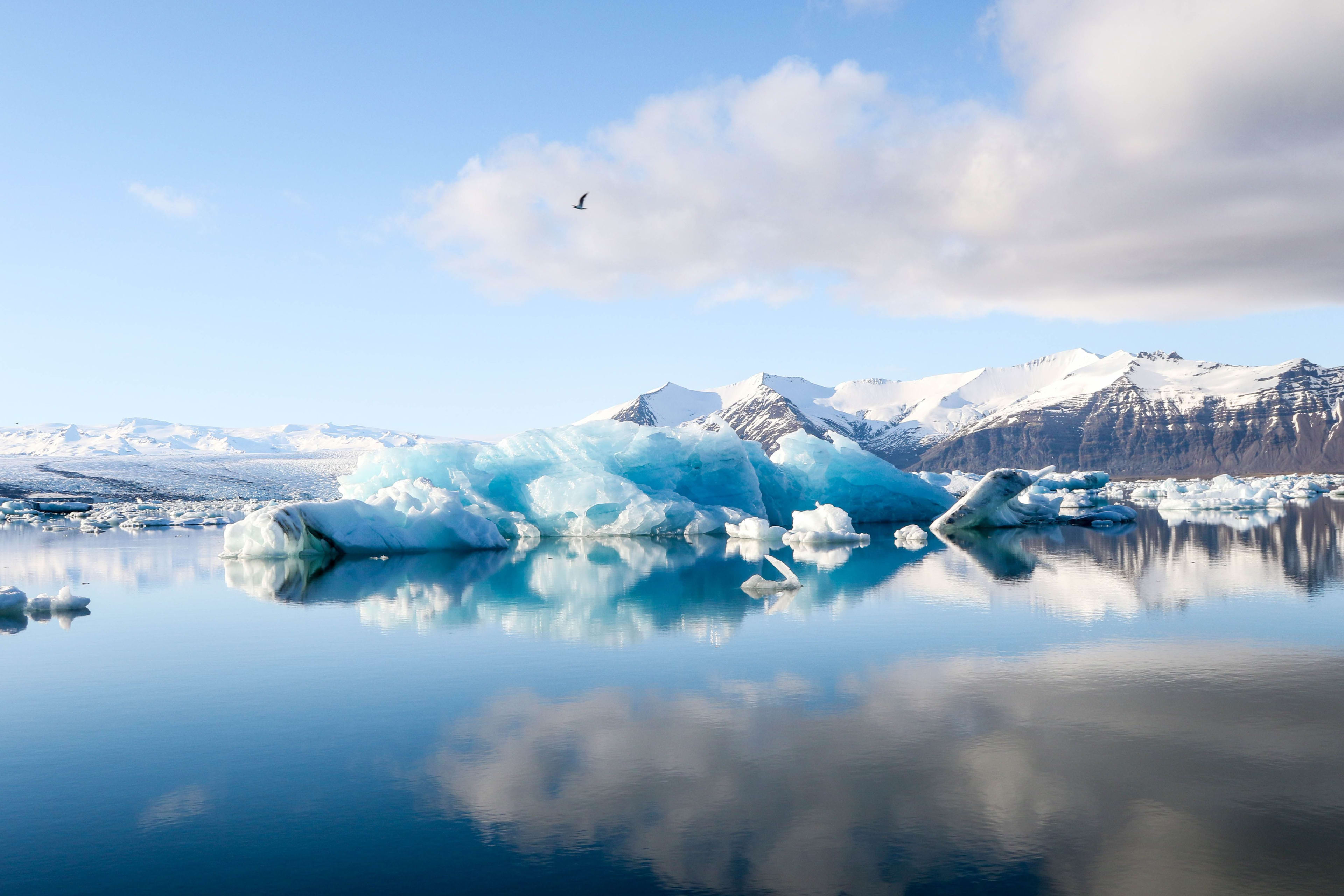
When it comes to Iceland, besides the Northern Lights and Viking culture, its unique geological landscape is what captivates visitors most. Although Iceland is close to the Arctic Circle, with nearly one-eighth of its land area covered by glaciers, its climate is favorable due to the influence of the North Atlantic Current, making it ideal for the growth of moss and other vegetation, earning it the nickname "Polar Garden." This Nordic country is less-known but extraordinary. A trip to Iceland offers not only the spectacular glacial landscapes of the Arctic, but also stunning scenery such as volcanoes and black sand beaches. Below are ten must-see unique sights in Iceland.
To fully experience some or all of Iceland's top ten scenic wonders, a road trip around the island is an excellent option. Forest Cat Travel offers you a choice of an 8-day "Ice and Fire" summer package or a popular 9-day, 8-night self-drive tour around Iceland during the summer season , allowing you to witness Iceland's unique landscapes.
Icelandic glaciers
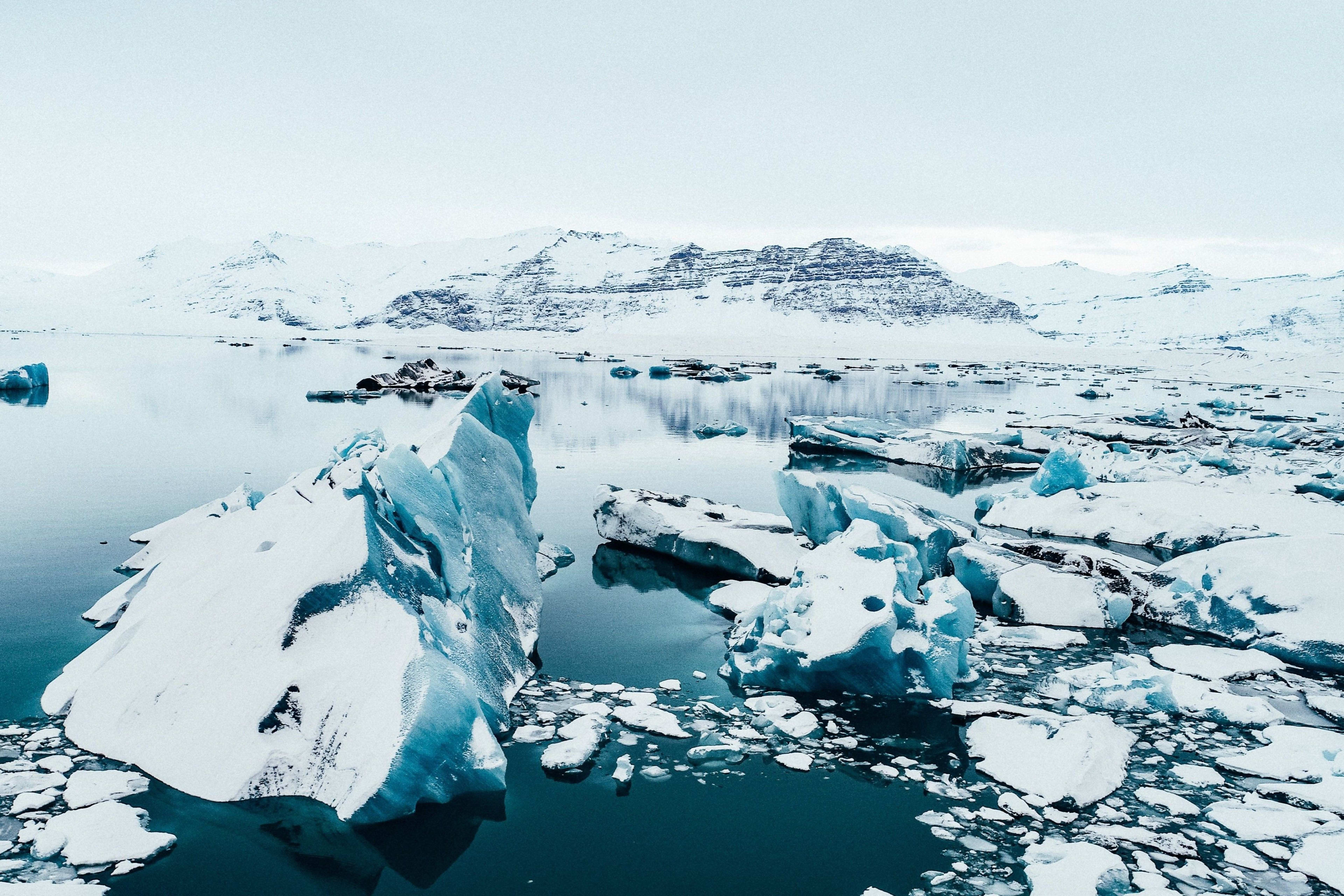
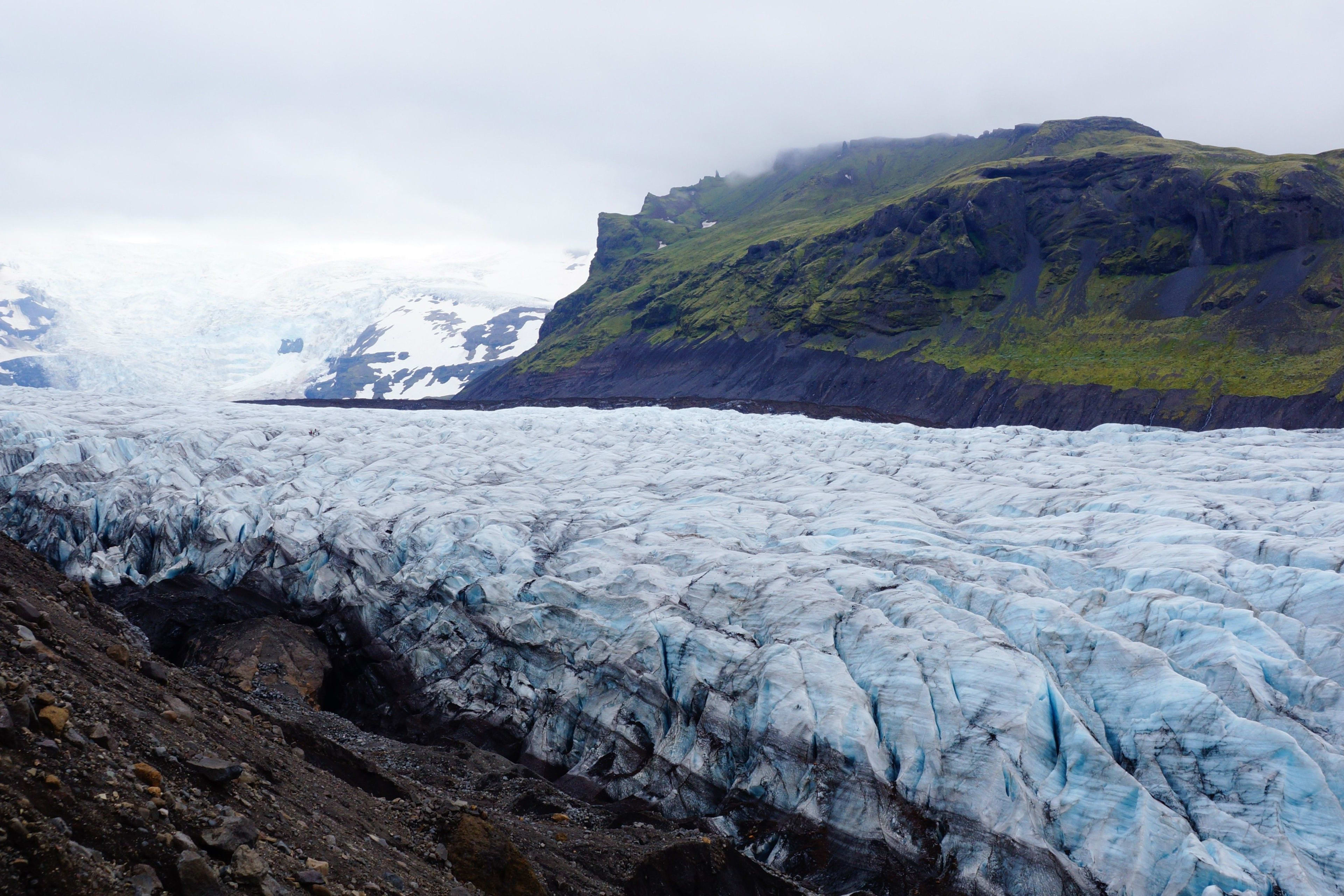
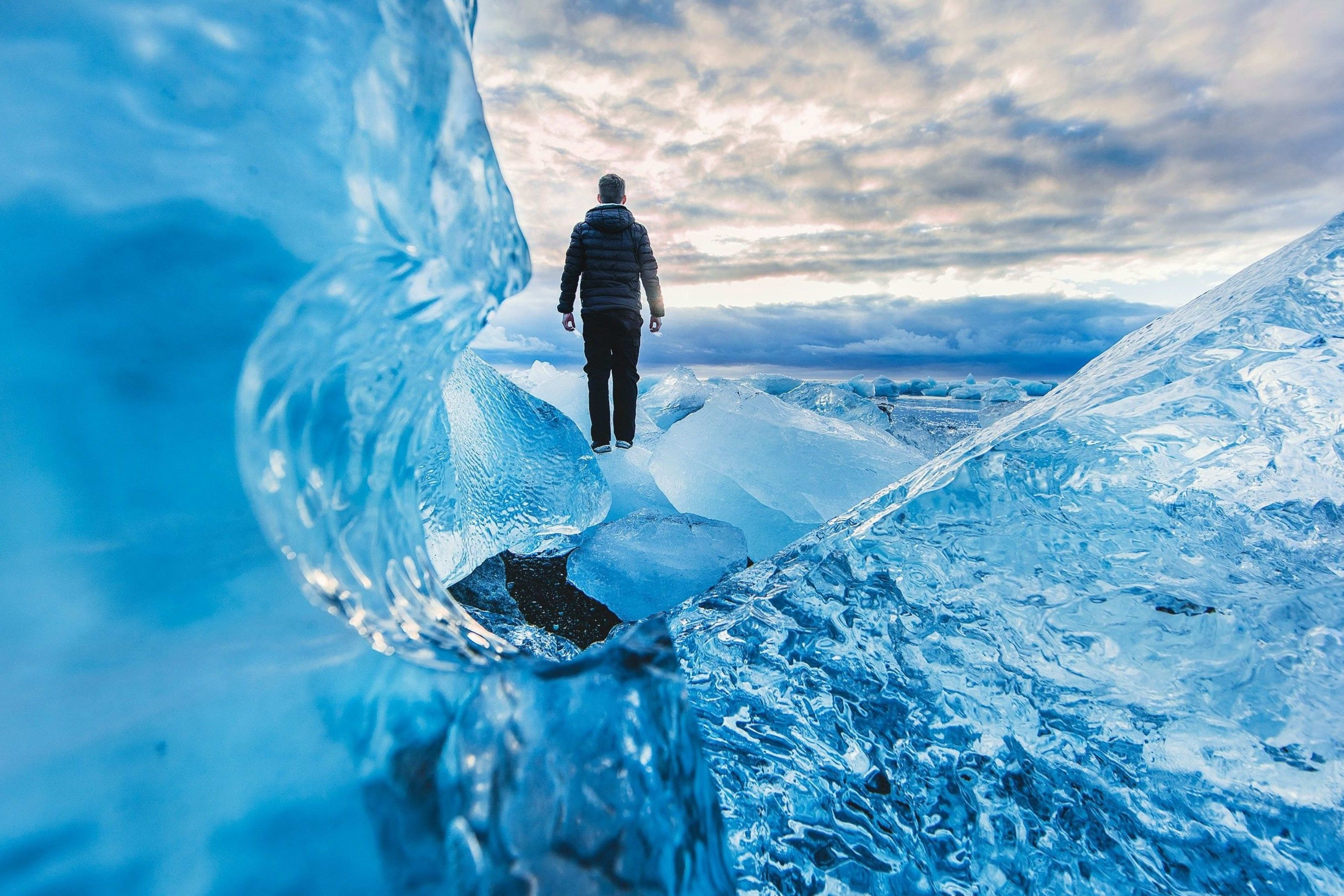
Speaking of glaciers, Iceland boasts over 8,300 square kilometers of glaciers, ranking among the world's largest, second only to Antarctic and Greenland glaciers. Iceland has fully utilized this resource, developing vast areas of its glaciers into tourist attractions. The formation of glaciers differs from the ice we see in everyday life. The ice we see is solid water, while glaciers can be understood as solid snow. When snow accumulates to a certain thickness, pressure and gravity gradually compress the air bubbles within the ice, causing them to shrink or even disappear. This pure ice scatters natural light, with shorter wavelengths of blue light being most easily scattered as it passes through, resulting in its pure and clear blue color.
Iceland has four major glacier areas: Vatnajókull, Mýrdalsjökull, Langjökull , and Snæfellsjökull. When driving, if you see "xxxxjökull" on the map, that's a glacier.

First, let me introduce some creative ways to explore glaciers in Iceland:
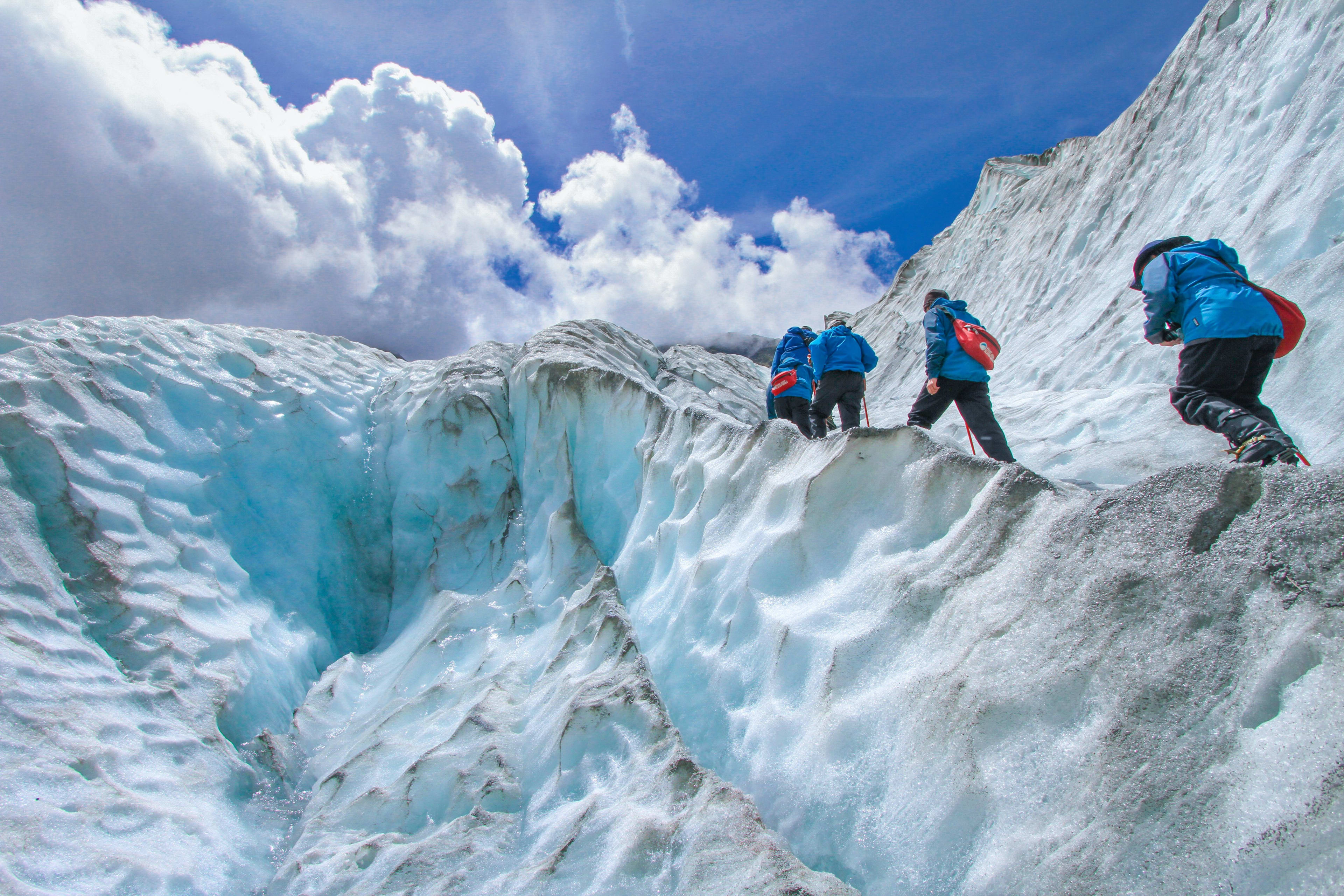
- Join a glacier hike . Glacier hiking must be done in a guided group to ensure safety and allow you to explore unique ice activities, such as exploring crystal-clear blue ice caves and experiencing ice climbing.
- Helicopter tours of glaciers . Iceland also offers dedicated helicopter tours, allowing you to not only get a panoramic view of the entire glacier but also enjoy the sea and land scenery. More importantly, it saves time and effort.
- Snowmobiles in Iceland aren't just for riding on snow; they can also traverse glaciers.
- Take a Glacier Lagoon boat tour (tickets need to be booked in advance, and availability depends on the weather). Get up close to the glacier and icebergs on the lake, and you might even spot adorable seals sunbathing.
- If you only want to view the glacier from a distance, there are many viewpoints you can drive to and experience its grandeur from afar. Examples include: Widok na Myrdalsjokull, Sjónarnípa, Froad Falljökull Glacier, Bílastæði, and Hnappavellir.

Vatnajökull : Iceland's largest glacier is Vatnajökull. There's an interesting story behind it: Legend has it that in 864 AD, the Scandinavian navigator Flock was the first to discover Iceland. Later, following the discovery of Iceland, Scandinavians, Irish, and Scots embarked on expeditions to explore the island. As their ships approached the southern coast, they saw a massive glacier in the distance—the famous Vatnajökull. Deeply impressed by the glacier, the settlers named the island "Iceland." This is one version of the origin of the name Iceland. Vatnajökull covers an area of 8,300 square kilometers, making it not only Iceland's largest glacier but also the largest in Europe and the third largest in the world. It's a world of ice and fire, with lava fields, craters, and hot lakes scattered throughout the Vatnajökull region—a true embodiment of a song of ice and fire.
Vatnajökull Glacier National Park, covering 14,000 square kilometers, features four visitor centers and campsites, ideal for hiking. Therefore, glacier hiking and exploring blue ice caves are the most popular tourist activities at Vatnajökull. Driving along Highway 1 on the south shore, its azure silhouette can be seen from afar from time to time. The glacial lagoons we often mention are also representative and magnificent wonders of Vatnajökull. The highly popular Skaftafell region is one of the glacier's branches; the icy planet "Mann" in Christopher Nolan's film *Interstellar* was filmed here.

Mýrdalsjökull is Iceland's fourth largest glacier, and its most famous section is Sólheimá, a top choice for glacier hiking. Sólheimá is an ice tongue flowing from the Mýrdalsjökull ice sheet. Unlike other glaciers, it's not the azure blue glacier one might imagine. Because an active volcano lies beneath Sólheimá, volcanic ash from its eruptions covers the entire glacier, creating a black and white color scheme where the ice cap blends seamlessly with the volcanic ash.
Today, you can also embark on a day trip to explore Iceland's South Shore Waterfall and Myrdalsköld Ice Cave . After admiring the South Shore Waterfall, ride a snowmobile to the entrance of the ice cave and explore Iceland's newest and largest ice cave, Myrdalsköld Ice Cave, with the guidance of a professional glacier guide.
Langjökull , Iceland's longest glacier, is best known for its unique lava waterfalls and snow activities. The lava waterfalls (Hraunfossar) are a series of waterfalls flowing from crevices in the rock, and nearby is the beautiful Barnafossar (Children's Waterfall) , both perfect for hiking and taking photos. Langjökull is also the best place to experience snowmobiling. Driving a snowmobile across the vast ice cap, taking in the polar scenery, is an unforgettable experience! If you'd like to experience Icelandic hot springs after your snowmobile ride, then the Langjökull Snowmobile & Secret Hot Springs Day Trip is the perfect choice. You can also combine snowmobiling with the Golden Circle itinerary for a Golden Circle and snowmobile day trip: explore the Golden Circle, experience the thrill of speeding across Langjökull, and enrich your Icelandic day!
Snæfellsjökull, located on the Snæfellsnes Peninsula, a 2-hour drive from Reykjavik, is often called "Iceland in a Miniature." Snæfellsnes National Park, established on June 28, 2001, is Iceland's first national park, with its boundaries extending to the sea. Standing at the foot of the volcanic glacier, it's the only park that straddles both snow-capped mountains and the coast. Driving along the island's ring road, you can enjoy a 360-degree panoramic view of the glacier. Besides the glacial landscape, Snæfellsnes Park also houses an active volcano, the very entrance to the Earth's core described in Jules Verne's "Journey to the Center of the Earth." If you only have one or two days of free time in Iceland, I highly recommend visiting Snæfellsnes .
Iceland Blue Ice Cave
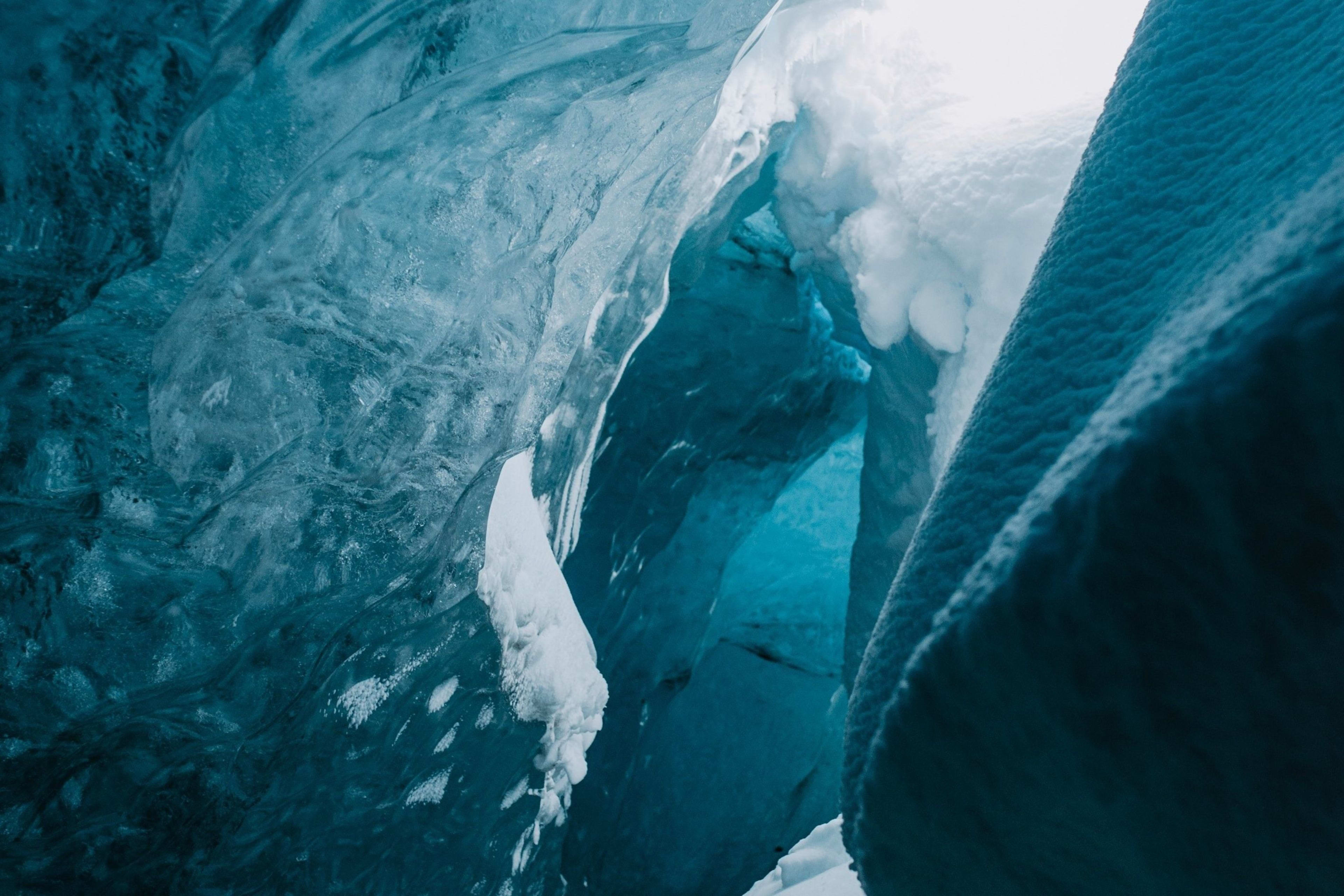
Blue ice caves aren't actually a single location; they can be simply understood as byproducts of glaciers. In Iceland's winter, besides the magnificent Northern Lights, blue ice caves are a unique spectacle. However, not all ice caves can only be visited in winter. Some can be visited year-round, provided the temperature and environment are suitable. In fact, ice caves of all sizes form and disappear every year. But this doesn't mean that every ice cave is suitable for visiting, or even allowed to enter.
First, the most beautiful sight of ice caves is when sunlight shines through the crystalline blue ice, illuminating the interior like stepping inside a diamond; the mysterious blue hue evokes the feeling of being on another planet. However, besides blue, ice caves also come in white and black. The white is due to snow covering the cave ceiling, giving it an opaque appearance. The black is caused by gravel or volcanic ash covering the cave, making it completely dark and preventing light from entering.

Secondly, not every ice cave is safe or accessible. Ice caves vary in size; some are as large as a three-bedroom apartment, while others are too small for even adults to fit through. Furthermore, the sturdiness of an ice cave and the potential for collapse must be determined by a professional guide. Some ice caves may even release toxic volcanic gases that were frozen tens of thousands of years ago as they gradually melt.
Therefore, if you want to explore the magical blue ice caves, you must hire a professional guide and equip yourself with the necessary gear. Iceland has many professional glacier guides whose job is to find ice caves suitable for viewing. Finding the right guide will ensure the best ice cave exploration experience.
When it comes to the largest, bluest, and most photographer-favorite blue ice caves, the ice caves beneath Vatnajökull Glacier are undoubtedly the top choice. Although some ice caves disappear every year, there's one beneath Vatnajökull that offers a "top-tier" blue ice cave tour almost every year . So, if you have enough time, bring your camera and tripod and join a guided tour of the ice cave. A typical Vatnajökull ice cave tour takes 5-6 hours, with about 1 hour allotted for the cave itself to fully immerse yourself in the experience. The tour also includes 1-2 hours of glacier hiking, making it a truly worthwhile experience.

If you have 2-3 days on the south coast, consider these two-day tours: explore blue ice caves, admire the most beautiful glacial lagoons and unique black sand beaches ; or a three-day tour: tour Iceland's Golden Circle, visit black sand beaches, admire blue ice caves , and experience the beauty of Iceland's south coast while immersing yourself in the mystery of millennia-old glaciers!
Icelandic volcano
The eruption of the Tonga volcano previously captured the attention of people worldwide. Iceland, due to its geographical location, also boasts 130 volcanoes of varying sizes. In 2010, the two consecutive eruptions of Iceland's E13 volcano (Eyjafjallajökull, often jokingly referred to as E13 because many can't pronounce it, hence the 13 letters after the E) brought the country into the global spotlight. Who would have thought that this volcanic eruption, which triggered climate change in Europe, would also boost Iceland's tourism industry? The lava ejected from E13 created two new peaks named Magni and Móði, after the sons of Thor, the Norse god of thunder.

While Iceland's volcanoes attract tens of thousands of Icelanders and tourists, each eruption causes significant damage. Katla Volcano, located on the south coast , is one of Iceland's most dangerous volcanoes. Its name, derived from a wicked witch in Icelandic folklore, reflects the Icelandic perception of Katla. Situated beneath the Mýrdalsjökull glacier, most of Katla's eruptions cause glacial flooding. For a more comprehensive view, consider the Fimmvörðuháls hiking trail from Skógafoss to Þórsmörk , which offers views of Katla along the way.
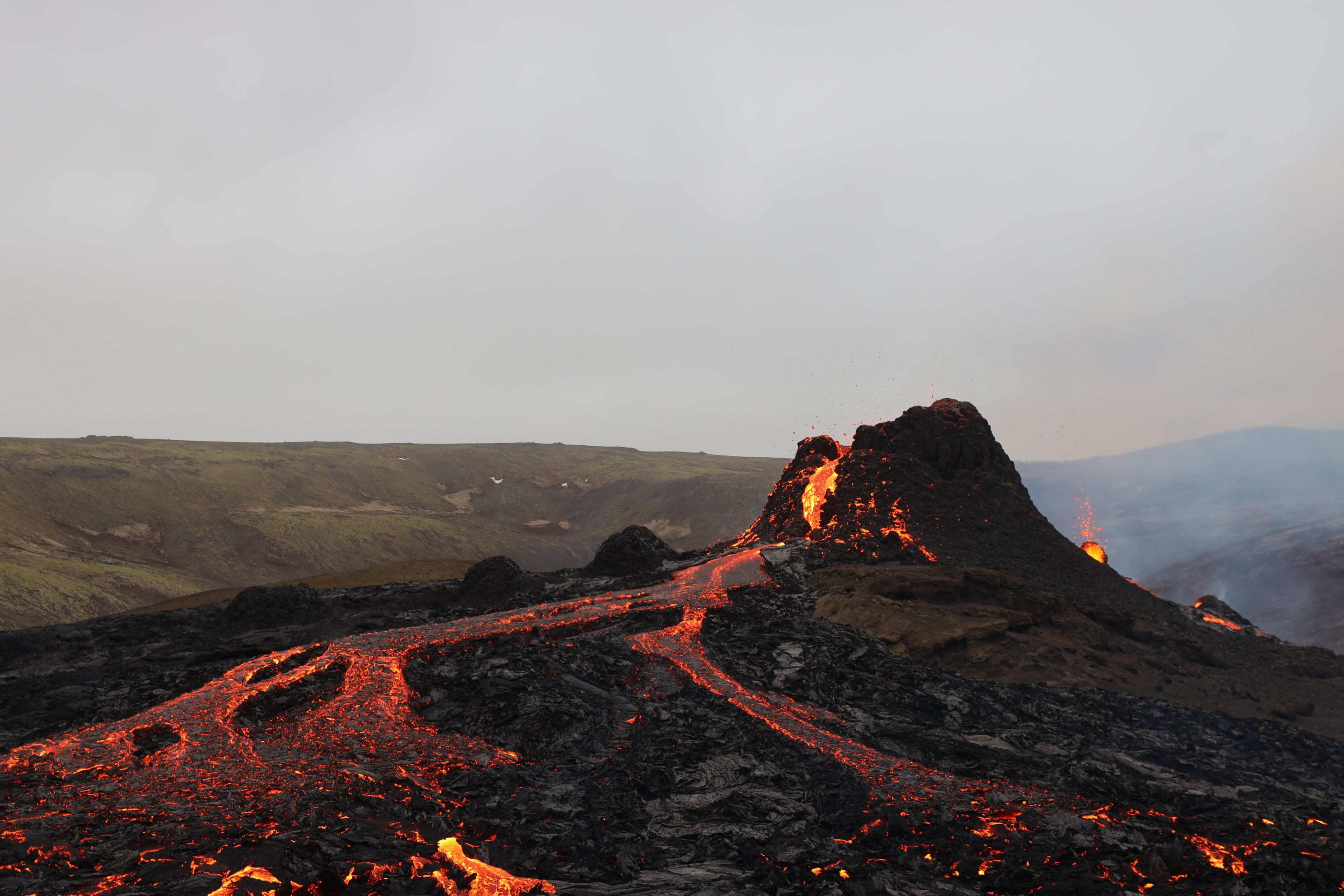
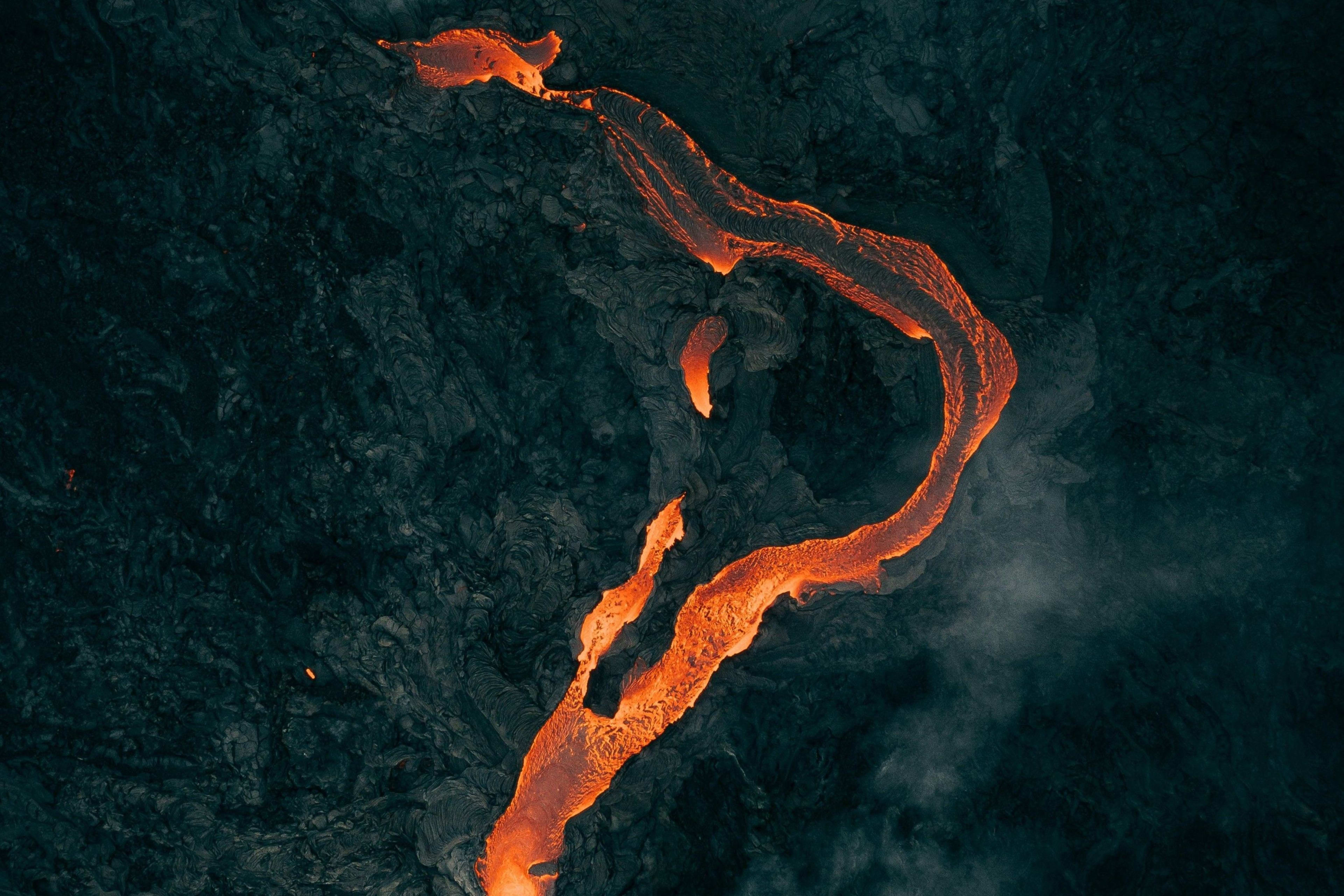
The volcano Fagradalsfjall, which erupted just two years ago—a 45-minute drive from Reykjavik—propelled Iceland's fame to new heights. People were seen drinking in front of the lava, taking selfies at the volcano's base, and even nearby residents posting photos of the erupting volcano right outside their windows. It was both shocking and nerve-wracking. Facing the volcano, while marveling at the magnificent spectacle of the spreading lava, one is filled with boundless awe for nature.

Although Iceland's volcanoes are currently not erupting, the cooled lava and dormant volcanoes still attract tourists. When visiting Iceland, consider experiencing a "close encounter" with volcanoes. While visiting Lake Mývatn in the north, you can also climb the nearby Hverfjall crater and feel the wind at the summit; or, you can visit Þríhnúkagígur, about a 30-minute drive from Reykjavik, the only place in the world that allows tourists to enter and explore the interior of a volcano . Alternatively, you can take a helicopter volcanic lava tour to safely explore the traces of eruptions and enjoy panoramic views of Iceland's vast volcanic landscape.
Icelandic tundra
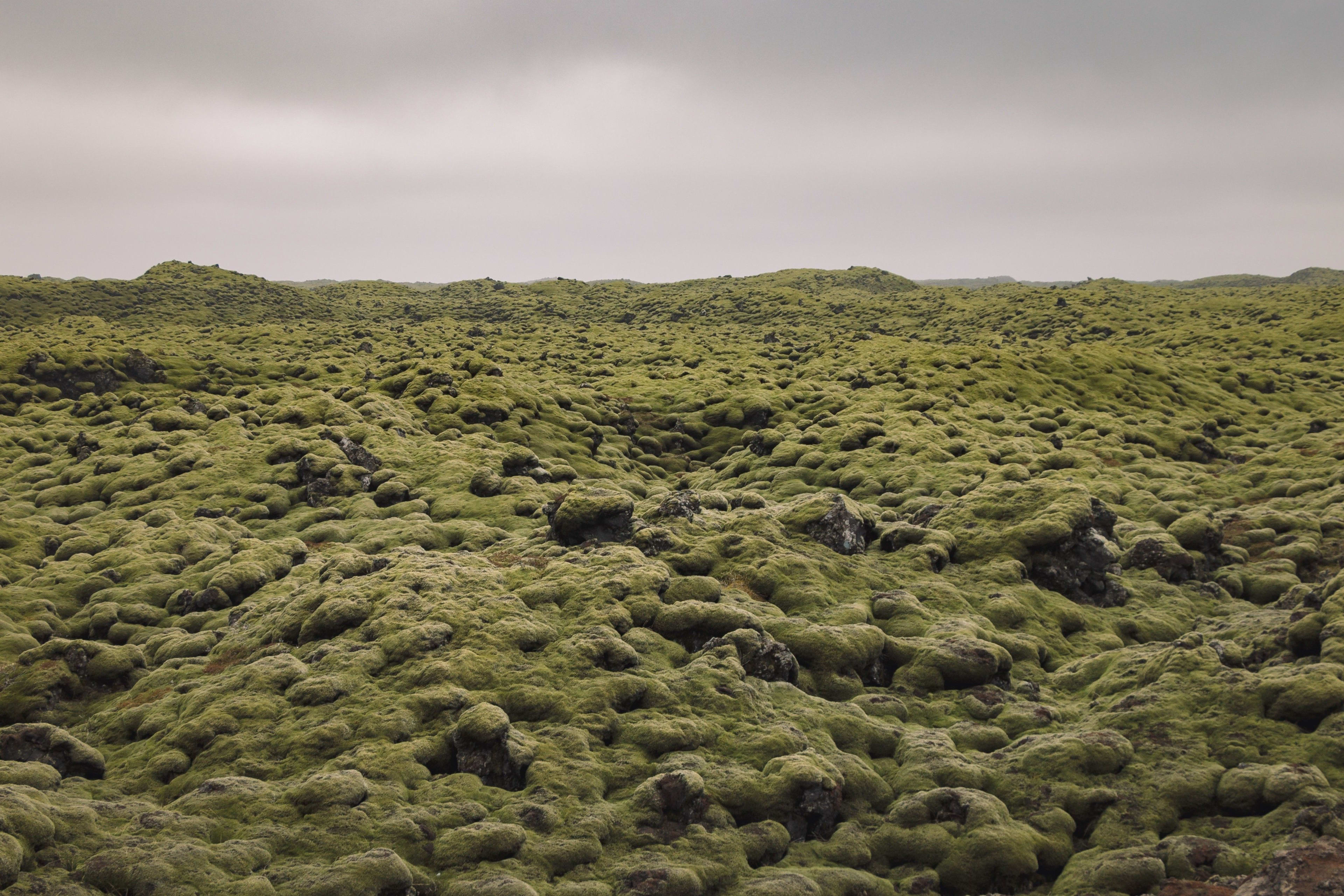
Besides glaciers, volcanoes, and snow-capped mountains, Iceland has another breathtakingly beautiful landscape: its tundra. Also known as the frozen tundra, nearly a quarter of Iceland's land area is covered by this fuzzy, green vegetation. Naturally growing trees are scarce in Iceland, and the green expanse you see as far as the eye can see is almost entirely composed of tundra.
1783 was a year of despair for Icelanders. The most devastating volcanic eruption in Iceland's history occurred in the south, spewing lava and toxic gases that killed 80% of the country's animals and 30% of its population. Even more devastating was the four-month famine that followed, with crops failing to grow and fish scarce in the sea. Just when Iceland's ecosystem was in crisis, it was these tiny plants that saved the country. On the land once covered by lava, the solidified lava rocks mixed with volcanic ash were quickly covered by moss. Desperate for food, a cook tried using moss as food and discovered it was not only edible but also palatable. Thus, eating moss became the only way for Icelanders to survive the famine. With advancements in science, scientists discovered that Icelandic moss is a rare lava moss within the peat moss order, capable of secreting a mucus that dissolves lava, turning it into soil, thus becoming a pioneer in Icelandic vegetation growth. Even today, one can still buy food made from moss (probably mainly for novelty) and skincare products. Now, Icelandic reindeer also enjoy eating moss. Especially in winter, moss becomes one of the few foods available to reindeer.

When you touch the tundra, it feels soft and elastic. Stepping on it, you can feel its stubborn tension, truly like walking on a plush carpet. Some people even find themselves wanting to lie down on it. But despite the vastness of the Icelandic tundra, these creatures are extremely fragile; a single step could end their lives.
In winter, the tundra appears as a grayish-white green from afar, while in summer it transforms into a more vibrant tapestry of colors, including yellow and red. There's no single, definitive location for viewing the tundra, as it's incredibly diverse. For example, you might see vast stretches of tundra along the road from Reykjavik to the Blue Lagoon, over the mountains leading to the spa town, or even in Fjaðrárgljúfur , the valley popularized by Justin Bieber's music video.
Icelandic hot springs
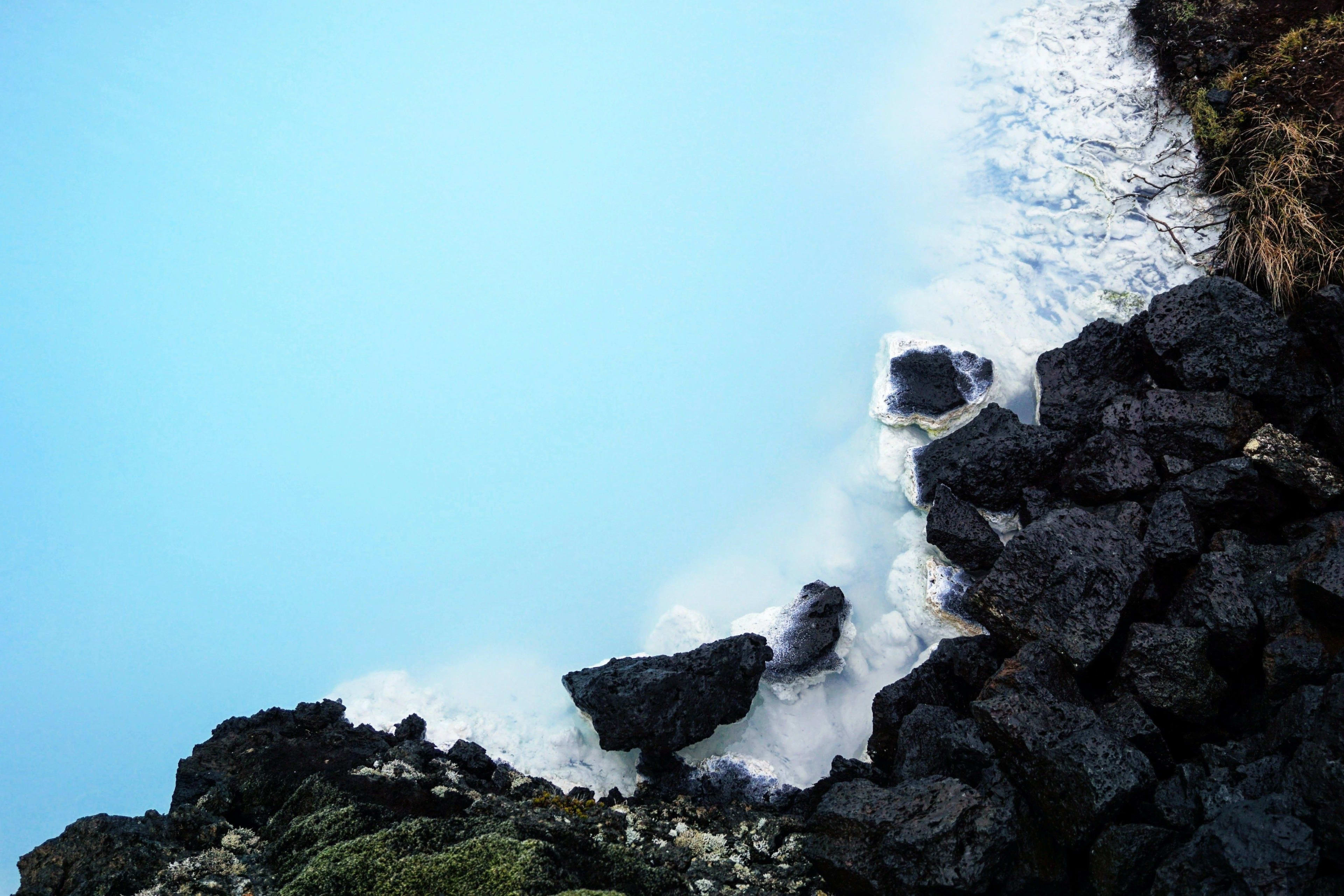
Iceland's volcanic resources not only created cooled lava fields and tundra, but also endowed the country with abundant geothermal resources. To experience the most authentic Icelandic relaxation in Iceland, one must soak in a 100% natural hot spring. Simply describing lying in a hot spring pool gazing at the stars and the aurora borealis while sipping a drink might not fully convey the feeling. Come to Iceland and experience the ultimate pleasure of Icelandic hot springs.
Iceland boasts over 800 hot springs of varying sizes, a truly astonishing number relative to its land area. Almost all Icelandic hot springs are natural, located in the countryside, and are open-air structures. Often, to truly experience the authentic Icelandic hot springs and their immersive natural surroundings, renting a car and driving is necessary. However, in recent years, due to the development of tourism, many well-equipped hot springs with modern amenities have emerged. Several hotels have also been built in conjunction with hot springs, making hotel-with-hot-spring amenities a new form of added value in Icelandic hotels.
Speaking of hot springs, here are a few popular ones to recommend:
Reykjavik and nearby hot springs
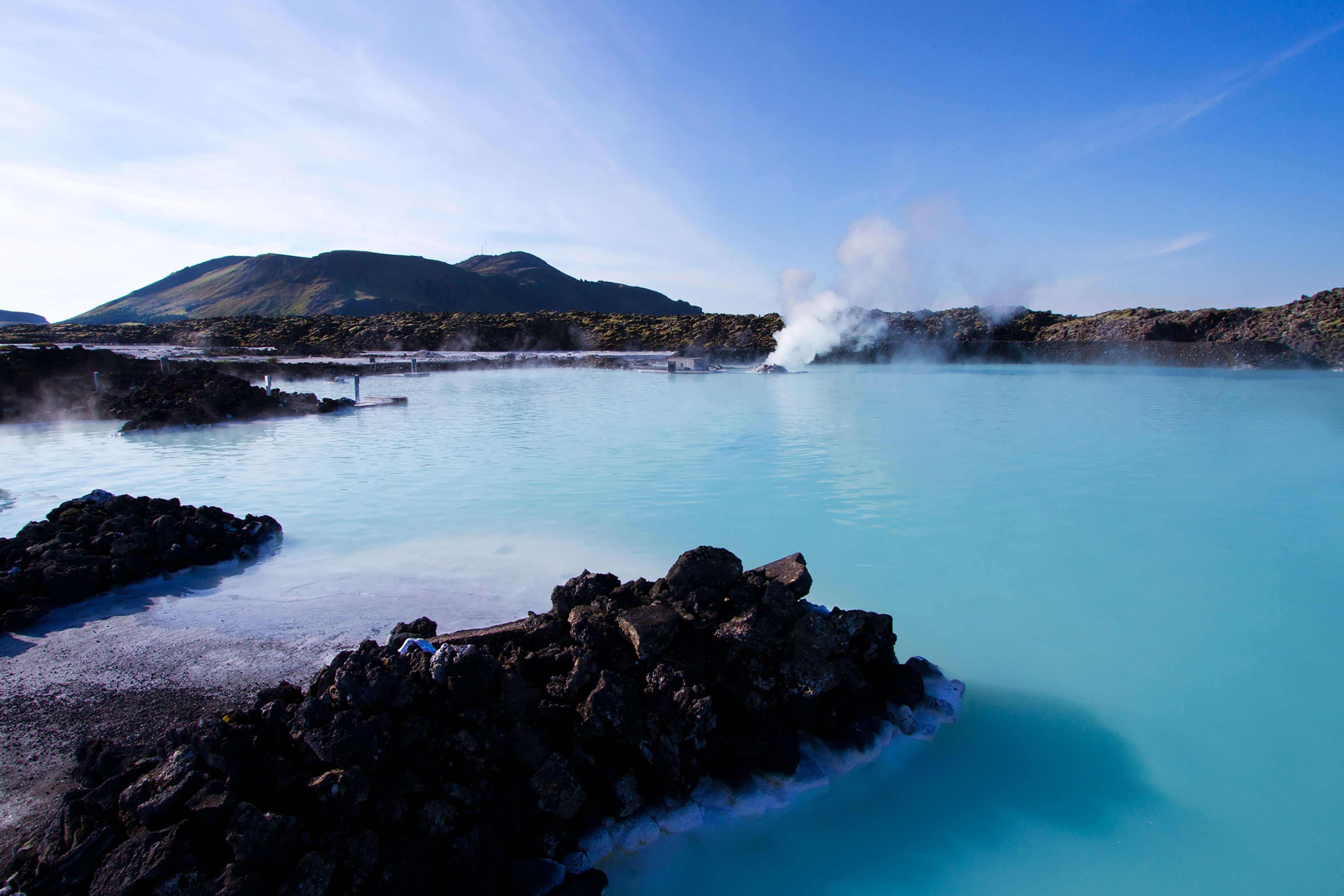
It undeniably dominates Iceland's spa scene. Whether it's the size, facilities, their own skincare products, or the unique thermal water, there's something to captivate you. It's a 45-minute drive from the city center (accessible by bus to the Blue Lagoon) and a 15-minute drive from Keflavik Airport. Therefore, heading straight to the Blue Lagoon after landing to wash away your fatigue is a wise choice. Apply a face mask, enjoy a spa treatment, and sip some champagne—experience true relaxation.

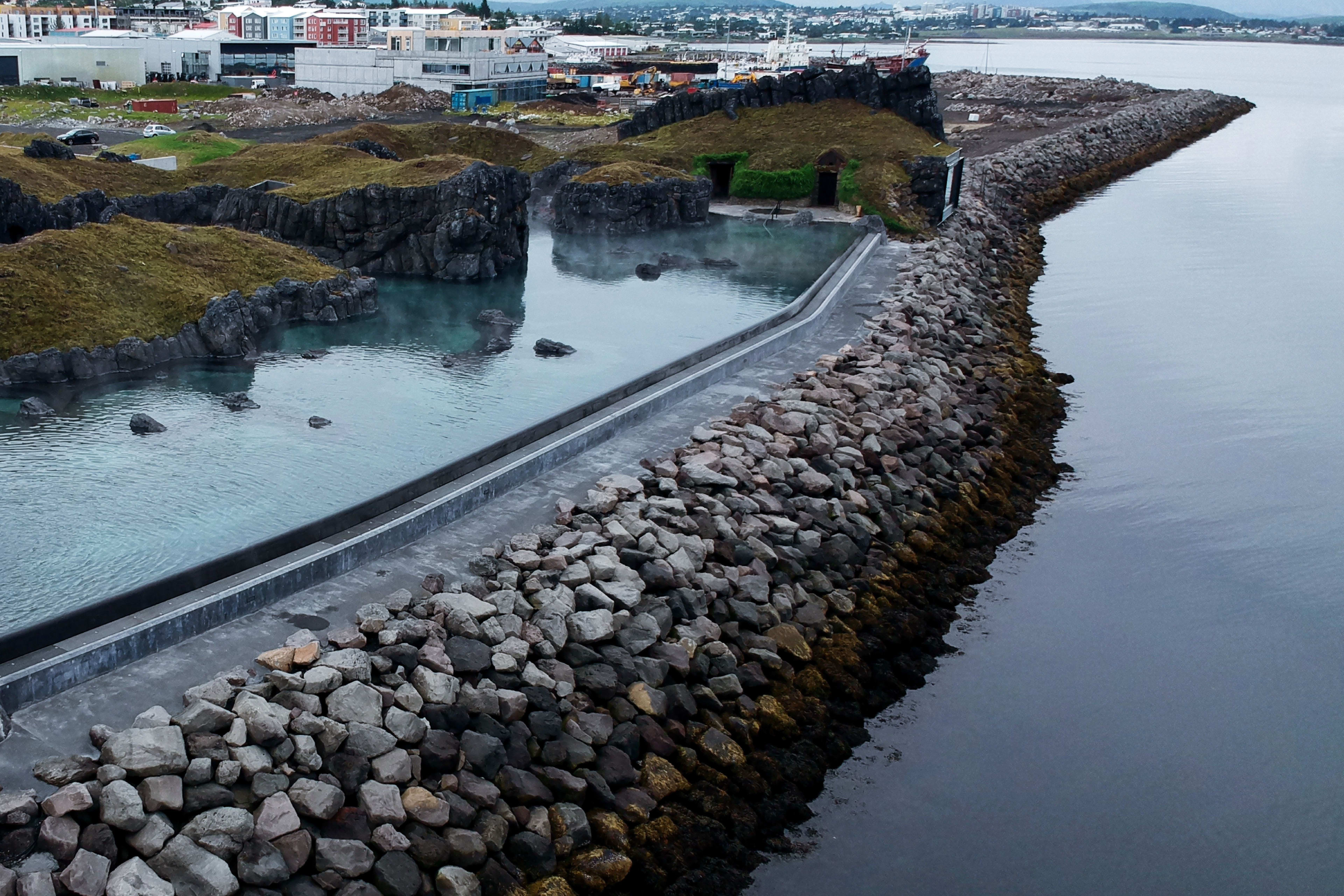
Sky Lagoon is a sky spa located in the city, about a 10-minute drive from downtown, with a bus stop right outside. Come to Sky Lagoon and experience what a true "sky mirror" is all about. Crystal-clear hot spring water, infinity pools, and expansive views where the sea and sky meet—whether it's a clear blue sky, an endless sunset, or the mesmerizing aurora borealis—there's something for everyone to be captivated by.

Hot springs near the Golden Circle
A grandfatherly hot spring. In terms of age, nothing can compare to the Secret Hot Spring. Initially, the Secret Hot Spring was truly a local secret, nestled in the wilderness, where one could enjoy the hot springs while admiring the natural scenery. Later, farmers bought the land and built supporting facilities, ensuring it retained its natural beauty while also boasting modern amenities. Next to the hot spring, there's a restaurant with geothermal spring water and a greenhouse. If you're passing by a geyser, why not experience this natural geothermal "bathtub"?
Related Itinerary: Golden Circle & Secret Hot Springs Day Trip: Experience the enchanting Gullfoss waterfall and Iceland's oldest hot springs.
Seljavallalaug: Who would have thought that a natural geothermal swimming pool is hidden in the mountains? This free pool is a steal! Surrounded by mountains and rivers, the pool has a perfect "cinematic feel," giving you the experience of soaking in a hot spring while watching a blockbuster movie.
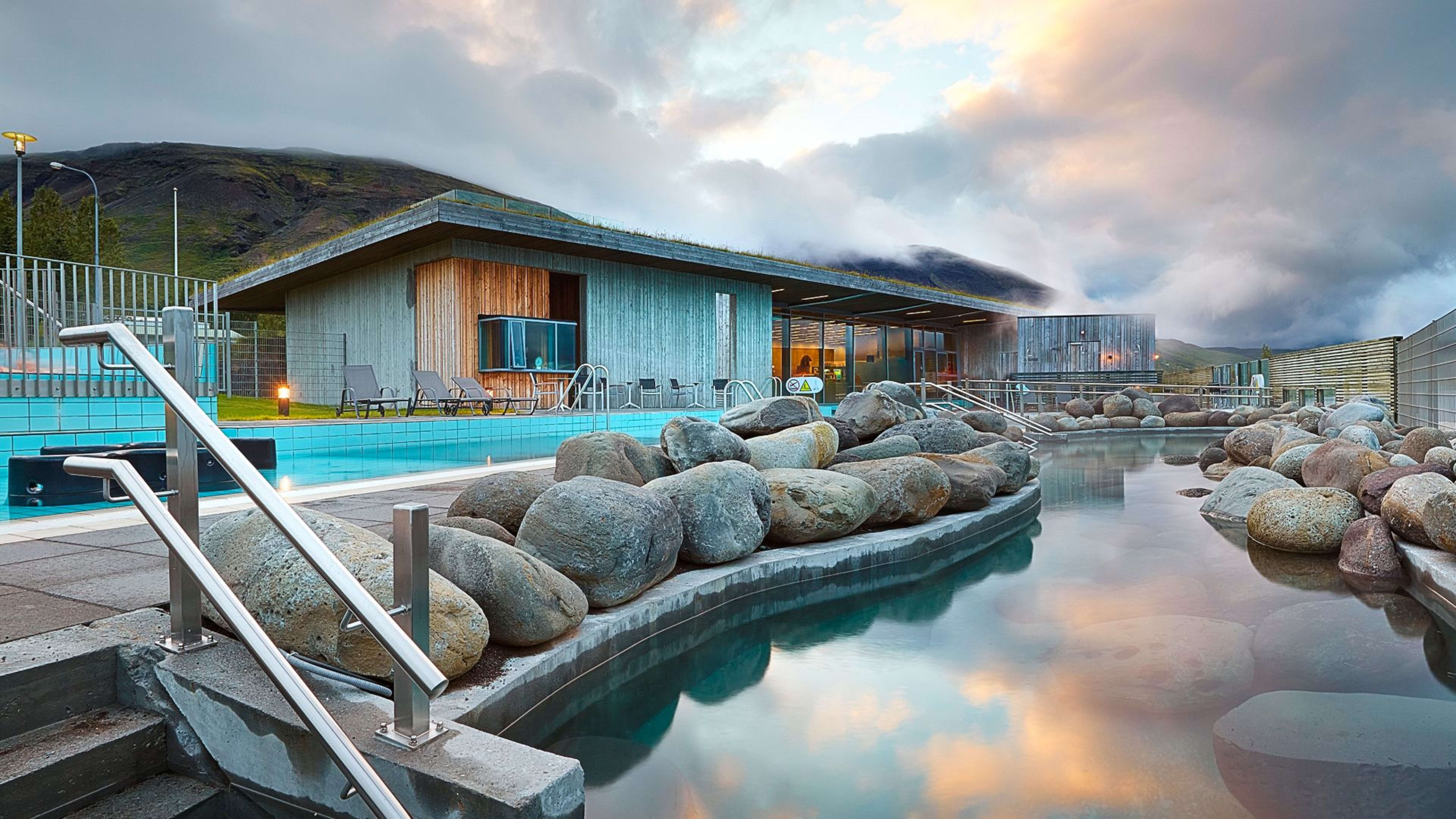
Fontana Geothermal Spa is an hour's drive from Reykjavik. It's a spa resort with state-of-the-art facilities and a geothermal swimming pool. So, if you're not into the typical natural feel of a pool with no amenities, this might be a good option.
Related experience: Fontana Geothermal Spa Admission Ticket

Northern Hot Springs
Mývatn Nature Bath : Located about an hour and a half drive from Akureyri, Mývatn Nature Bath, also known as the Little Blue Lake, features the same pinkish-blue water, but it's less crowded and has a more natural charm. Plus, the ticket price is more affordable compared to the Blue Lake.
Geosea Natural Seascape Hot Spring : Located on the coast of Husavik, you can relax in a petal-shaped hot spring pool and enjoy a natural geothermal bath, with snow-capped mountains behind you and the sea in front of you. Raise a glass and enjoy Iceland's "springtime." This feeling is as wonderful as it gets.
Bjórböðin Spa : Unlike other spas, this one is a beer-themed spa located in the town of Árskógssandur in northern Iceland, a town famous for its beer brewing industry. Enjoy a 25-minute beer bath spa; the water doesn't contain alcohol, but rather yeast, hops, and glacial water. After 25 minutes, relax in the lounge for another 25 minutes to maximize the effects of the yeast and hops, providing beauty and skincare benefits. There are also two large wooden tubs outdoors facing the snow-capped mountains. Soaking in the hot spring while drinking homemade beer—how blissful!

Iceland Waterfall
到冰岛旅游,除了以上的美景之外,还有就是不得不提冰岛众多的瀑布。
冰岛分布着大大小小的瀑布,主要是因为降水量可观,且国土多被冰川覆盖,又多山峦,冰川融化的雪水沿着悬崖形成瀑布。同时,冰岛地质活动频繁,使得河流所在的地壳断裂,又造就了河床高低落差而形成瀑布。虽然冰岛的瀑布形成原因各不相同,但是都会一致的美得令人惊叹。
其实在冰岛自驾时,路边常常会经过很多小瀑布,而且有一些房子也是靠瀑布而建,非常有意境。
一说起瀑布,就不得不提 “黄金圈”里的代言人:黄金瀑布(Gullfoss)。 黄金瀑布距离雷克雅未克比较近,交通便利,且非常壮观,天气好时常会看到巨大的彩虹挂于上空,十分震撼。所以游客络绎不绝。久而久之,为人熟知的游览路线“黄金圈”的名字就来它来命名了。它和间歇泉(The Great Geysir and Strokkur)、辛格维利尔国家公园(Þingvellir National Park)是黄金圈上最著名的三大景点。
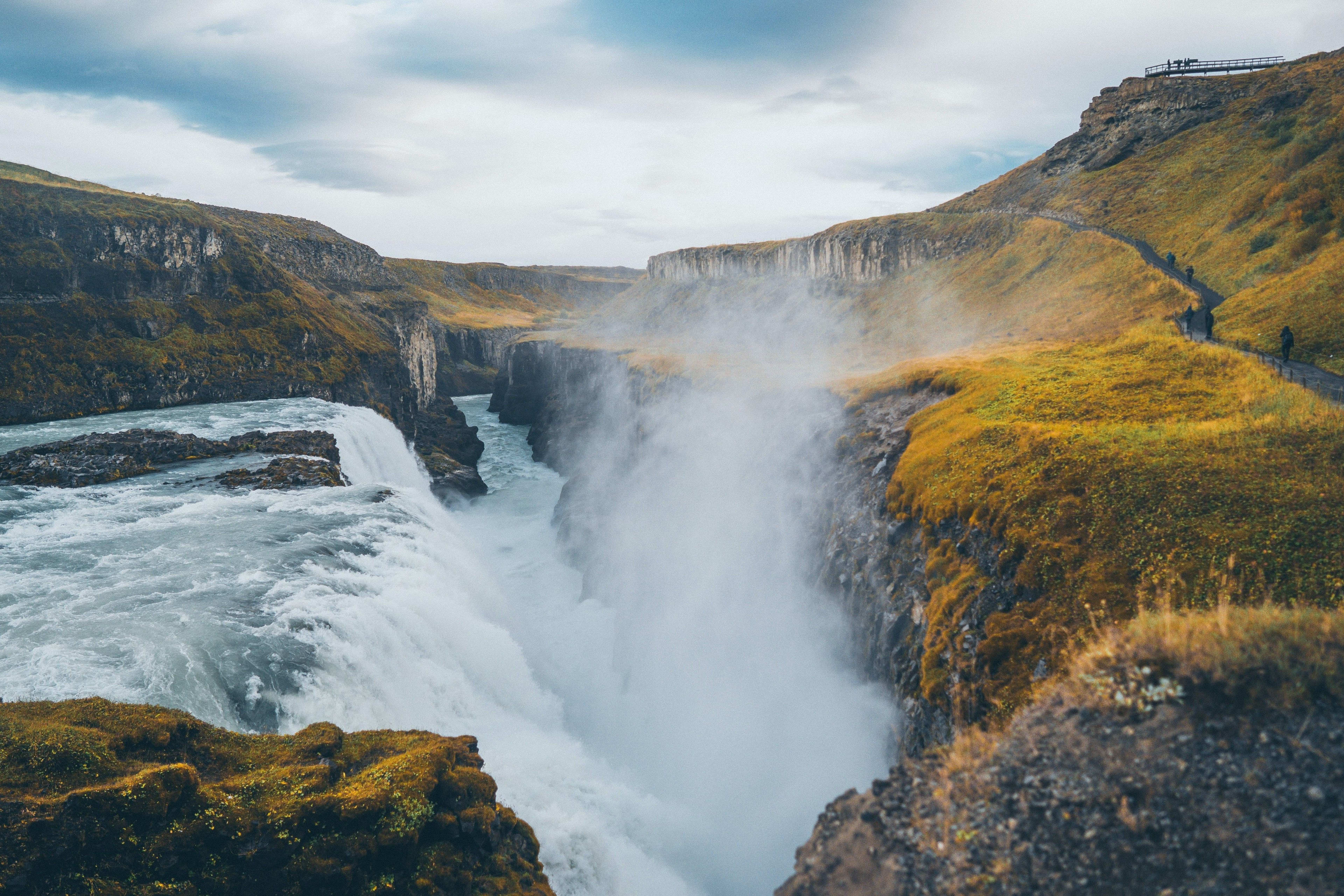
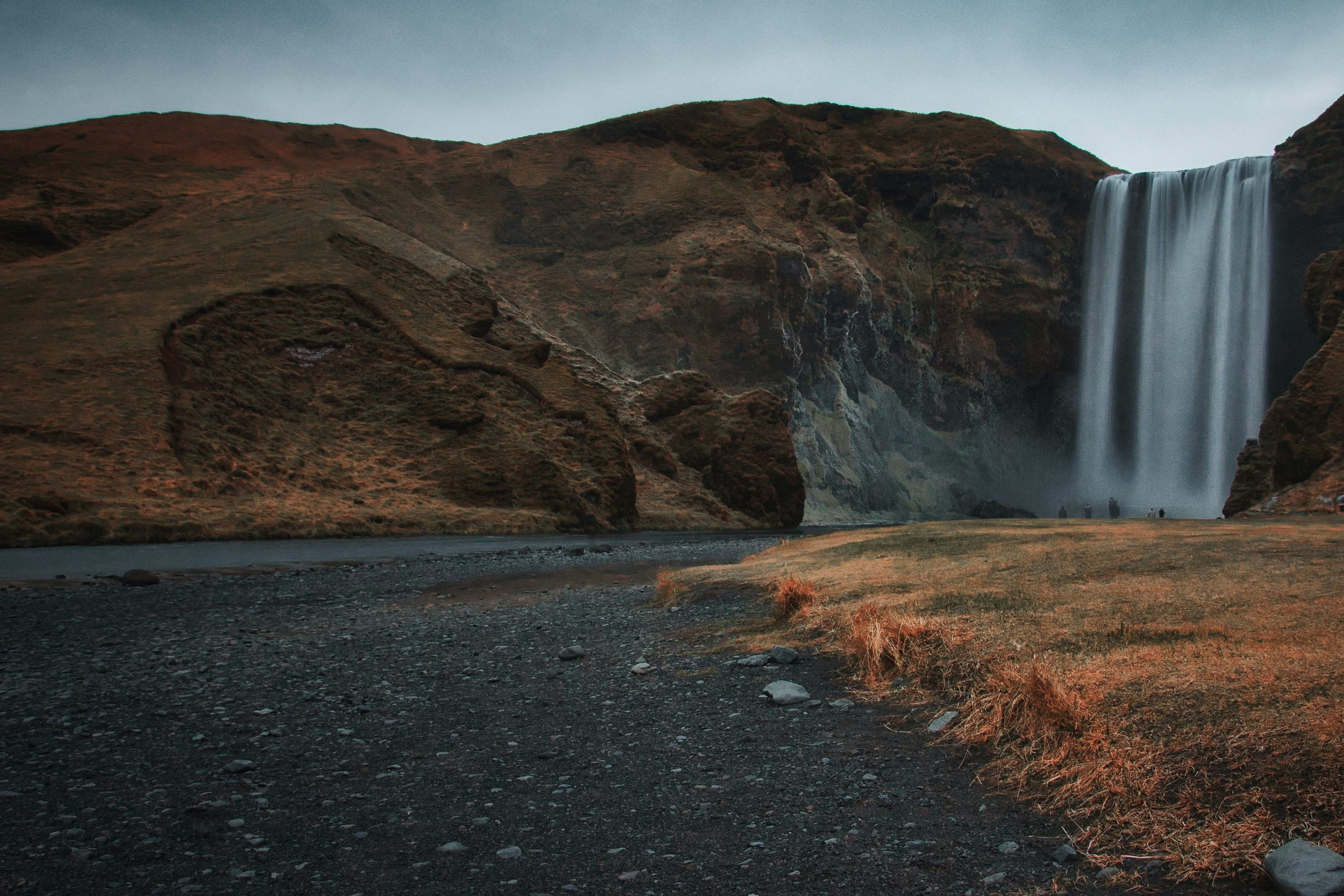
如果说在南线自驾,那肯定不会错过路旁边斯科加瀑布(Skógafoss)。高60米高,宽度有25米。垂直而落,尤为壮观,而且只要在下午时分,瀑布水花溅起层层水汽,在这里经常能见到美丽的彩虹,也让许多游客把它爱称为瀑布彩虹。而且,就在瀑布旁边有一条道路可以爬上瀑布顶端,俯瞰。这不仅是一个观景台还是通向索斯莫克高地(Þórsmörk)的徒步线路菲姆沃罗豪尔斯(Fimmvörðuháls)起点。从斯科加瀑布起始,这条徒步线路沿河向内陆前进,可以一路欣赏河流上大大小小的若干个瀑布,最终到达美丽的索斯莫克。
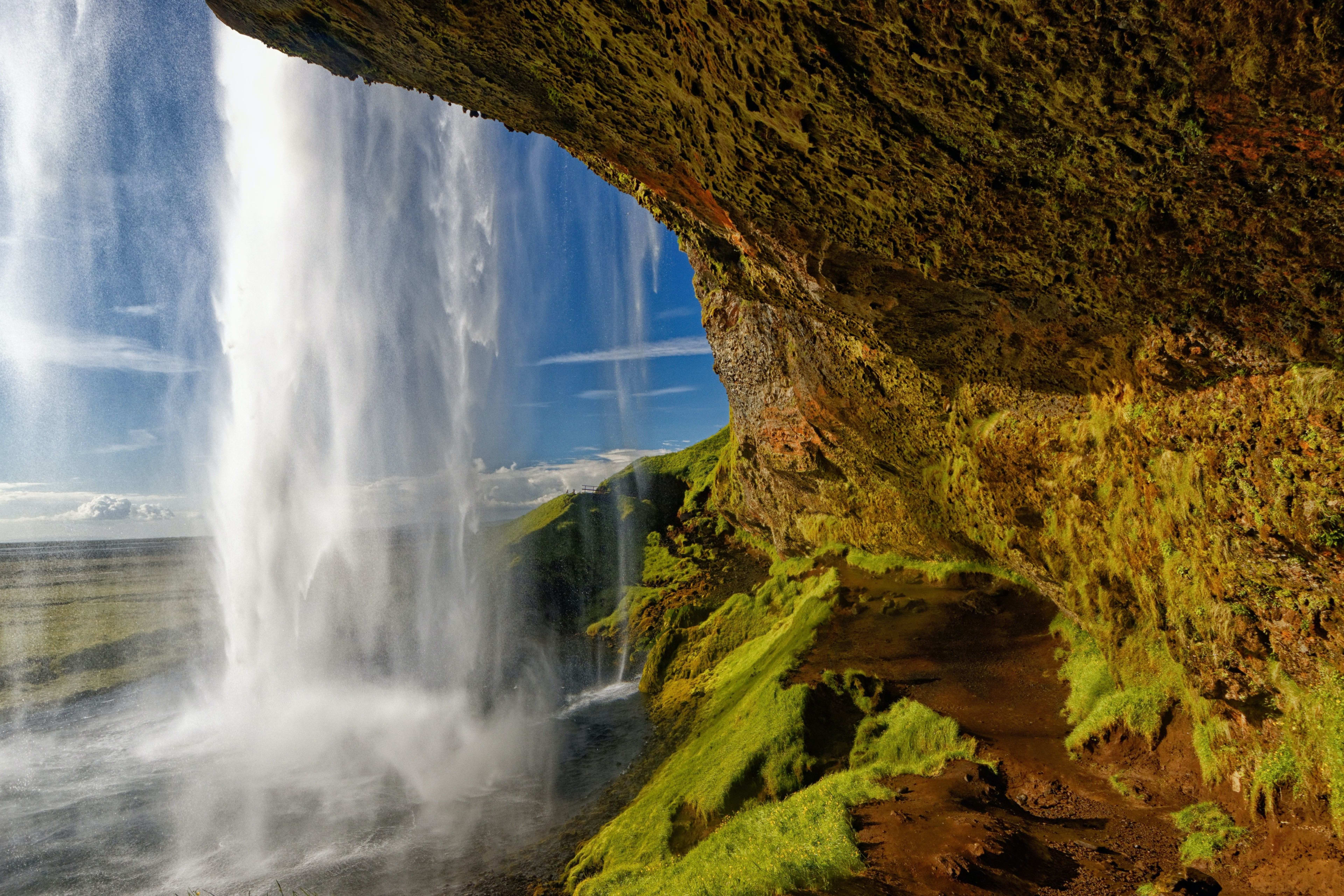
在冰岛南岸,临近一号公路位置,还有一个为人熟知的瀑布,塞里雅兰瀑布(Seljalandsfoss)高60米。相比于斯科加瀑布,它就略显纤细。但是,在瀑布后面有一条路可以让人走到后面感受一下 “水帘洞”,于是乎这个独一无二的特色和靠近环岛主路的便利,让塞里雅兰瀑布成为了冰岛最知名、摄影作品最多的瀑布之一。
由于塞里雅兰的超高人气,也带火了它的邻居——秘密瀑布(Gljúfrabúi)。从塞里雅兰瀑布沿路往里走10分钟左右,就是秘密瀑布,不过秘密瀑布隐藏在山洞背后,在路边看不见,需要听到哗哗的水声后循着声音走到山洞里才能看到哦。
近但是由于瀑布溅起的巨大水汽,让瀑布下面的小路在结冰后寸步难行,还是不太建议大家冬天走到深处。
斯瓦蒂瀑布(Svartifoss)是我认为最有冰岛特点,也是在其他地方难以见到的瀑布景观。因为这个瀑布背靠的不是普通的常见的山石,而是玄武岩柱。水流从黑色的火山柱状玄武岩正中奔流而下,所以大家有称它为 “黑瀑布”。虽然到达斯瓦蒂瀑布的路程会耗费比较久的时间从最近的停车场徒步到斯瓦蒂瀑布往返3.7km,大约需要花费2h。但是相信我,这一趟路线肯定是不虚此行。如果还有时间,不妨去附近的斯卡夫塔冰川(Skaftafell)看一眼,这里也是《星际穿越》的取景地之一,小众却又不失壮美。
冰岛北部也有两个非常壮美的瀑布。
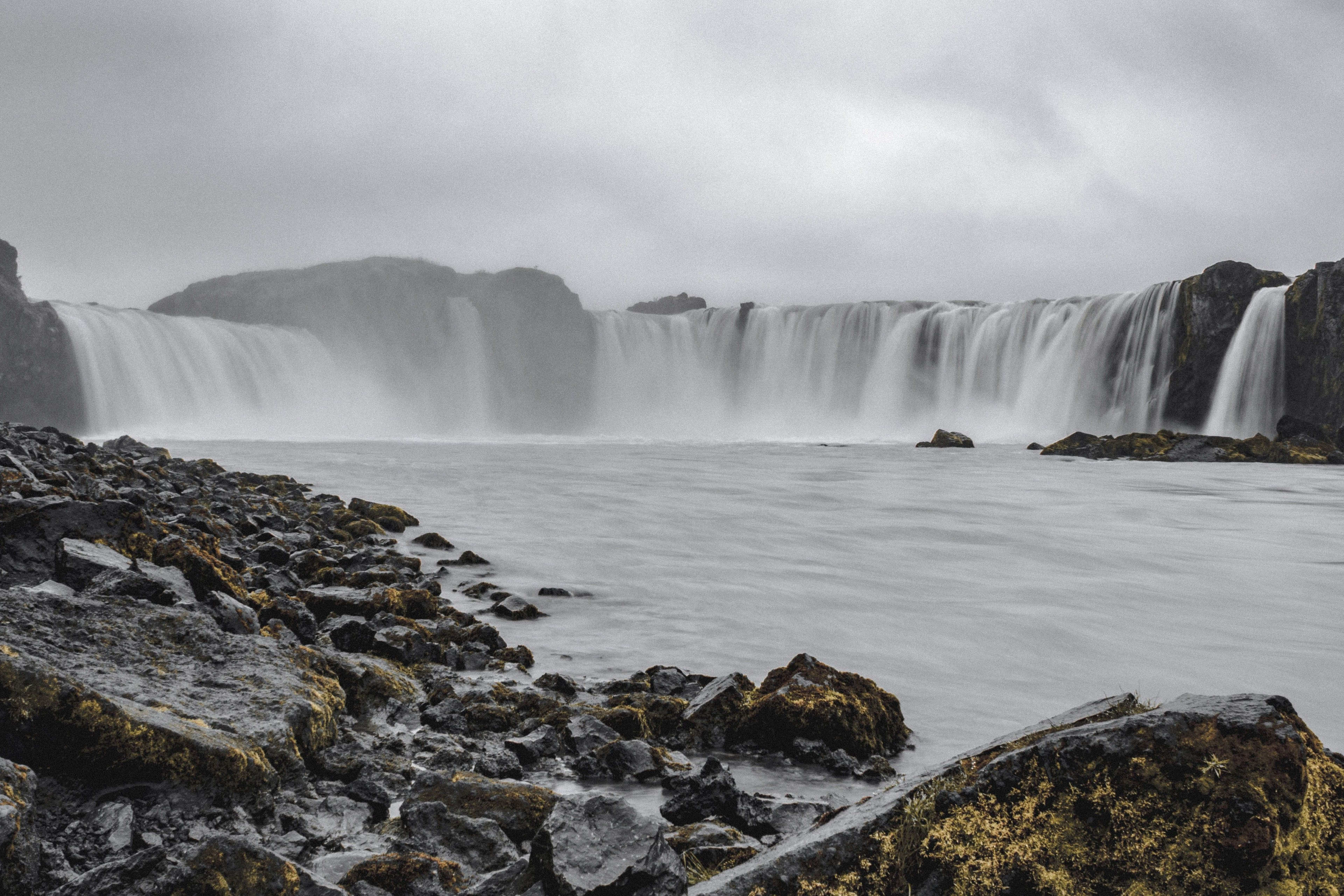
首先是众神瀑布(Goðafoss)光听名字就知道它的地位了。它坐落于位于一号环岛公路沿线,也是冰岛北部的热门旅游路线钻石圈景点中的重中之重了。它距离阿库雷里开车45分钟左右,但是想到达,还是需要一定的技术和四驱车才行。虽然说,众神瀑布虽然不及下文提到的黛提瀑布磅礴,但是它名字来由也是曾见证冰岛历史的发展。
与其相并提的还有同样坐落在北部的黛提瀑布(Dettifoss),被誉为欧洲最汹涌、水量最大的瀑布,可能地位就跟国内的壶口瀑布有的一拼。电影《普罗米修斯》的开场就是在这里取的景,所以吸引了众多游客来此打卡,也是属于钻石圈的当红景点。
要参观这几个瀑布,自驾可谓是最为便捷的方式,冰岛夏季9天8夜热门环岛自驾游等你出发,畅游黄金圈、南岸瀑布、东部峡湾、米湖及西部风光~
冰岛观鲸
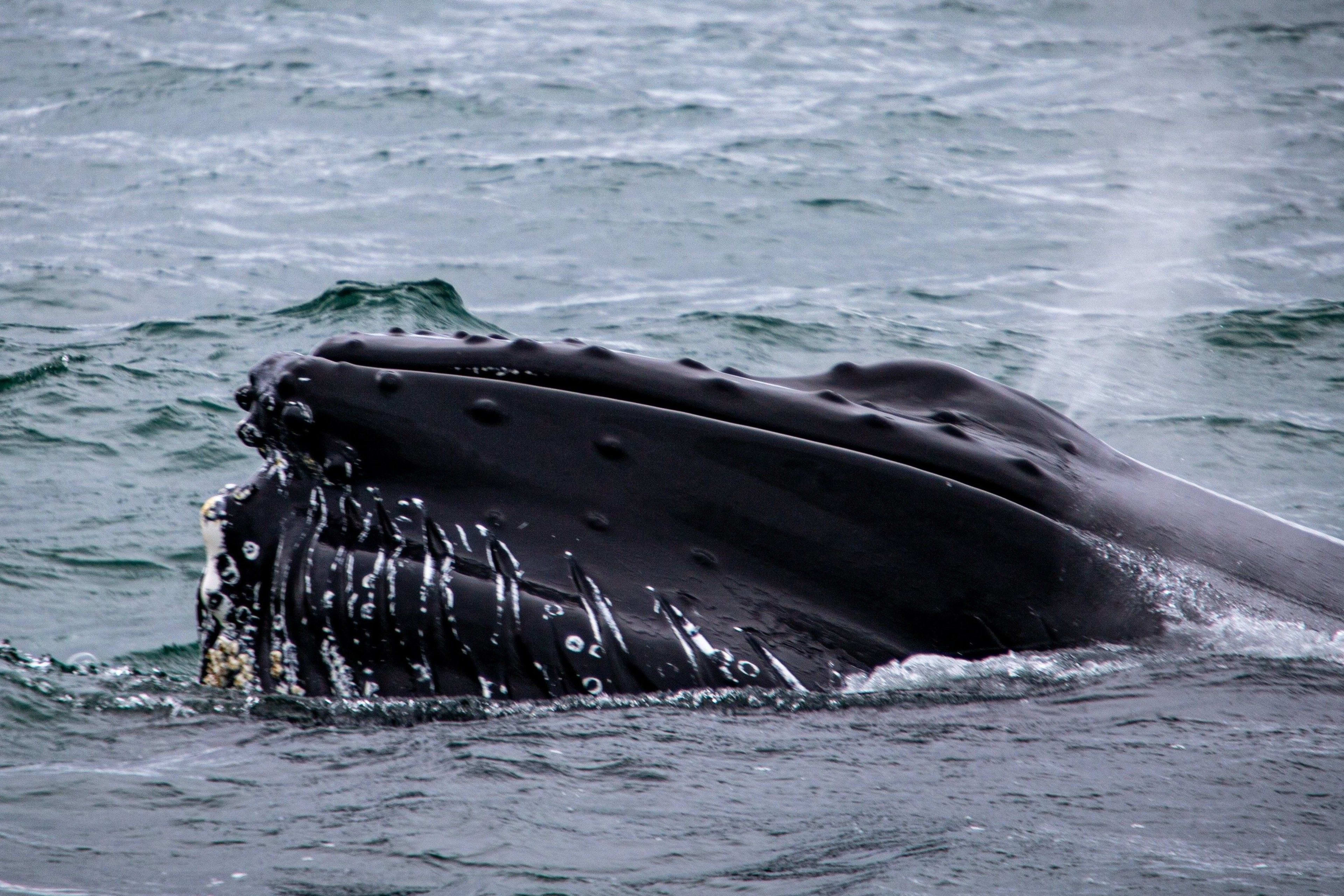
我觉得在冰岛非常酷的一件事,就是跟人"炫耀",我看到鲸鱼啦!因为,就像极光一样,不可控制的因素太多,所以如果你能看到鲸鱼!真的是非常幸运了。在冰岛,有四处为人所熟知的观鲸点。常见的有小须鲸,座头鲸,还有虎鲸,还有白吻斑纹海豚和港湾鼠海豚,当然在夏天还能看到海鹦和其他海鸟。看到的不同的鲸鱼种类主要取决于出发港所在地。
其实雷克雅未克的老港就有很多观鲸船,如果时间有限来不及去北部或者西峡湾,那不妨就在雷克雅未克体验一下出海观鲸吧。一般观鲸时长为3-5h,主要是驶出的距离。有时候运气好,离开港口没多久就能看到了,但是有时候却需要出海2h才能看到影子。当然如果一点影子都看不到,那可能就需要才来参加一次了,一般没有看到的话都会有第二次免费机会。
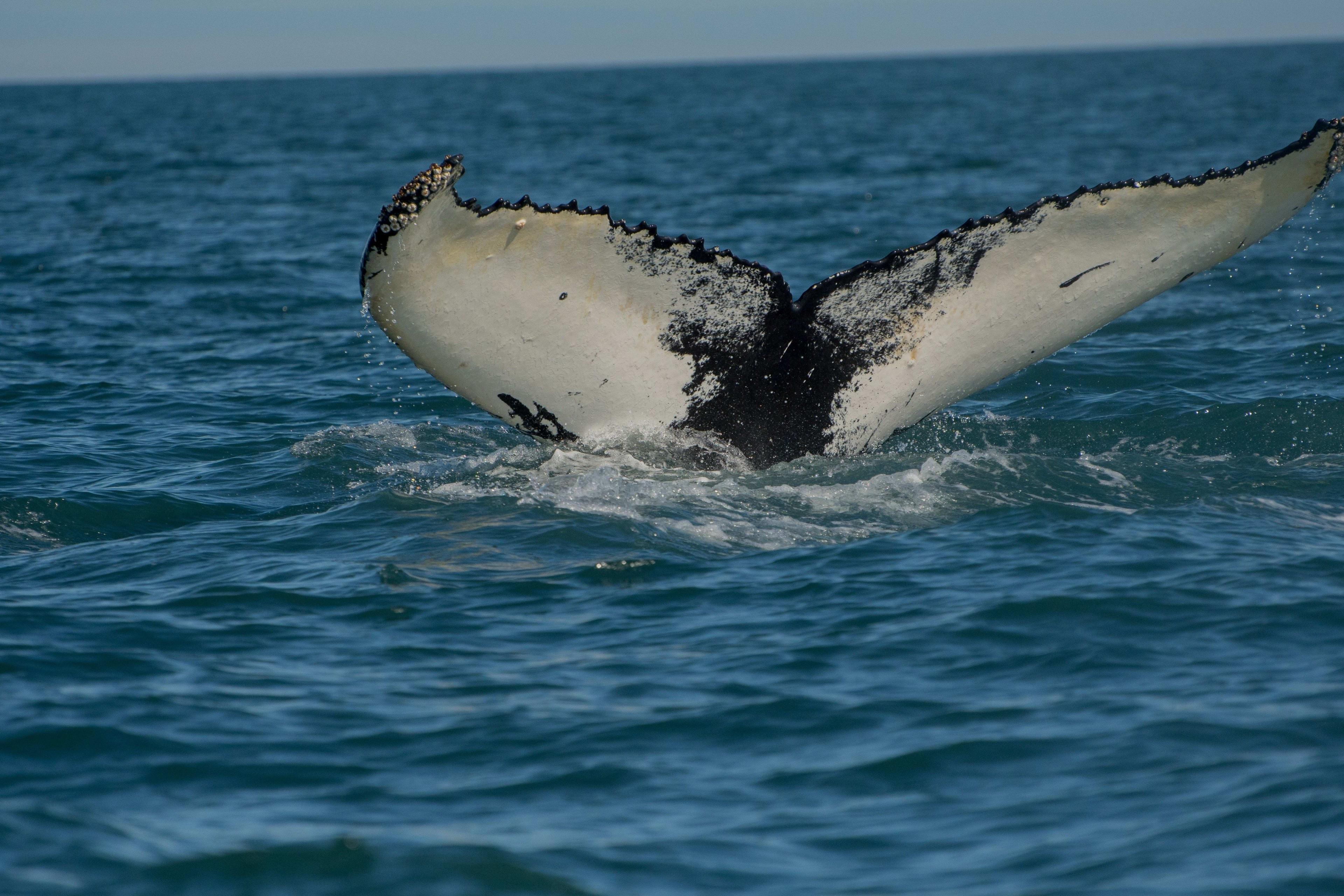
冰岛北部,阿克雷里和胡萨维克也是观鲸团的出发港。而胡萨维克就是以观鲸出名,被称之为冰岛的观鲸之都、欧洲最佳观鲸地点。据说在北部夏天出海观鲸,90%以上的概率都能看到鲸鱼。所以很多人都是慕名而去,就是为了不虚此行。
其次就是在斯奈山半岛。从斯奈山半岛的Grundafjörður驶出,观鲸团将来到Breiðafjörður海湾,在这里除了各种海豚、座头鲸之外,能看到虎鲸是斯奈山半岛观鲸的最大特色。当然,斯奈山半岛的风景也是很值得一提,这边不仅可以看到雪山,火山,黑沙滩,还有很多美丽的独具冰岛特色的渔港小镇。
最后我不得不提就是西峡湾的观鲸,由于西峡湾的地理因素,和人烟稀少的原因,在峡湾区很多时候便成为了鲸鱼们的 “游乐场” 。我不止一次听说,在西峡湾自驾的时候,就看到路边海里有鲸鱼和海豚在峡湾中肆意玩耍的身影。如果说想参加专业的观鲸团,那就去西部峡湾的小镇侯尔马维克(Hólmavík),这里有专业的观鲸船,不过由于天气原因,出海受限比较大,建议是夏天前往。在冬季西峡湾的天气多数比较恶劣,路况会非常危险,所以不建议冬季自驾前往,且很多服务设施都是季节性开放。
冰岛冰河湖
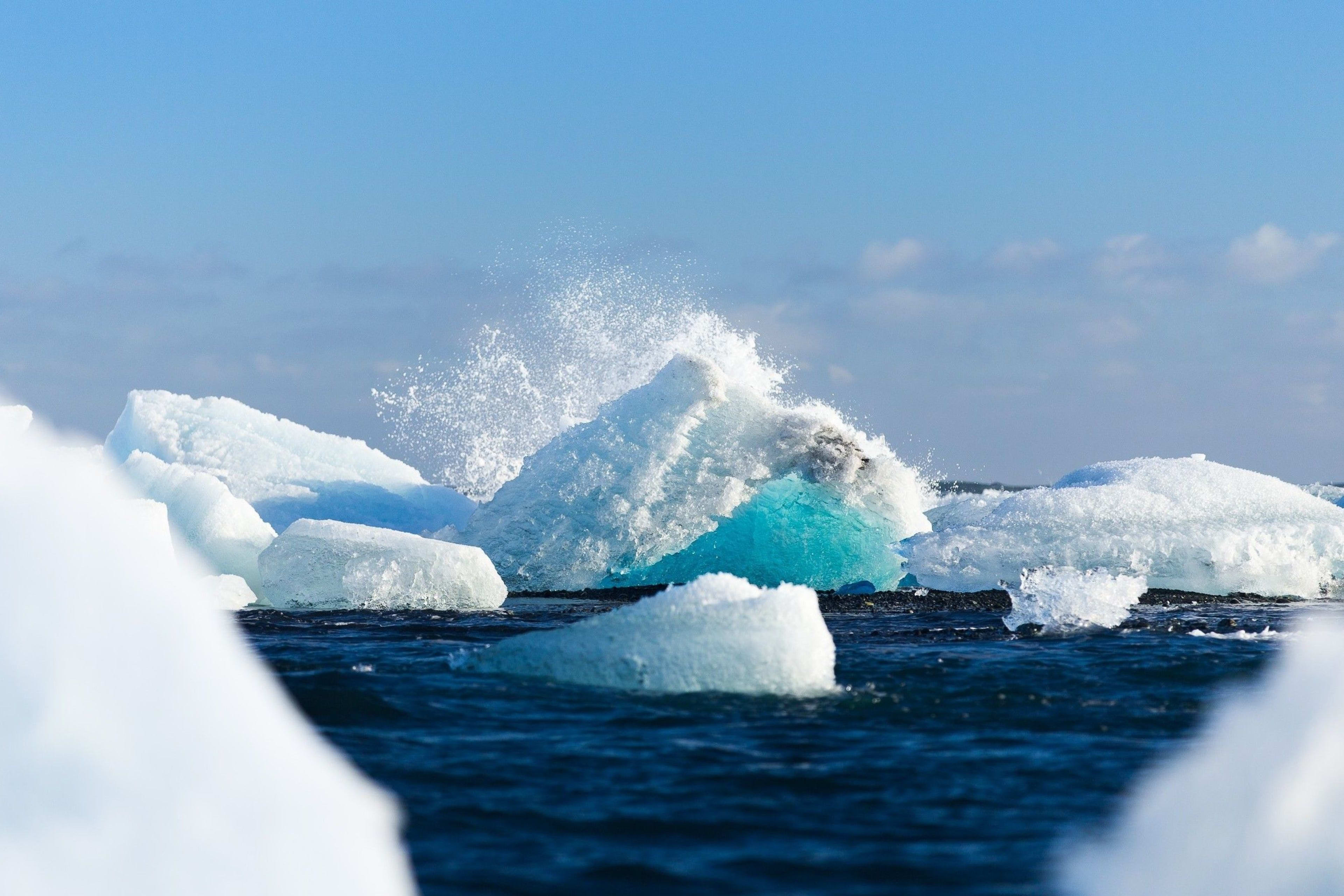
说起冰河湖,其实和蓝冰洞一样,它也是冰川的伴生产物。冰川由于地质运动和降雪的逐步积累,满满的扩张前行,在此运动的过程中,在地面“凿”出了一个深深的沟槽。而由于后期,冰川的融化,使冰川开始渐渐减少后退的过程中,融化的冰川水便汇入它脚下的凹槽中,长久以往,便形成现在的冰河湖。与此同时,冰川外层的冰会剥离掉入湖中,便有了我们现在看到的湖面上的大大小小的浮冰,而这些冰块,跟着水流被冲刷到岸上变成闪闪冰块,就变成了冰岛另一个网红景点,钻石沙滩。
在冰岛,冰河湖的数量难以统计,而由于全球气候变化,整体气温上升,与之带来的就是冰河湖的数量在逐年上涨。虽然冰河湖的壮美带给了大家不一样的体验,但是对于冰川学家,气候学家甚至我们的地球来说,这都是不想看到的一个结果。
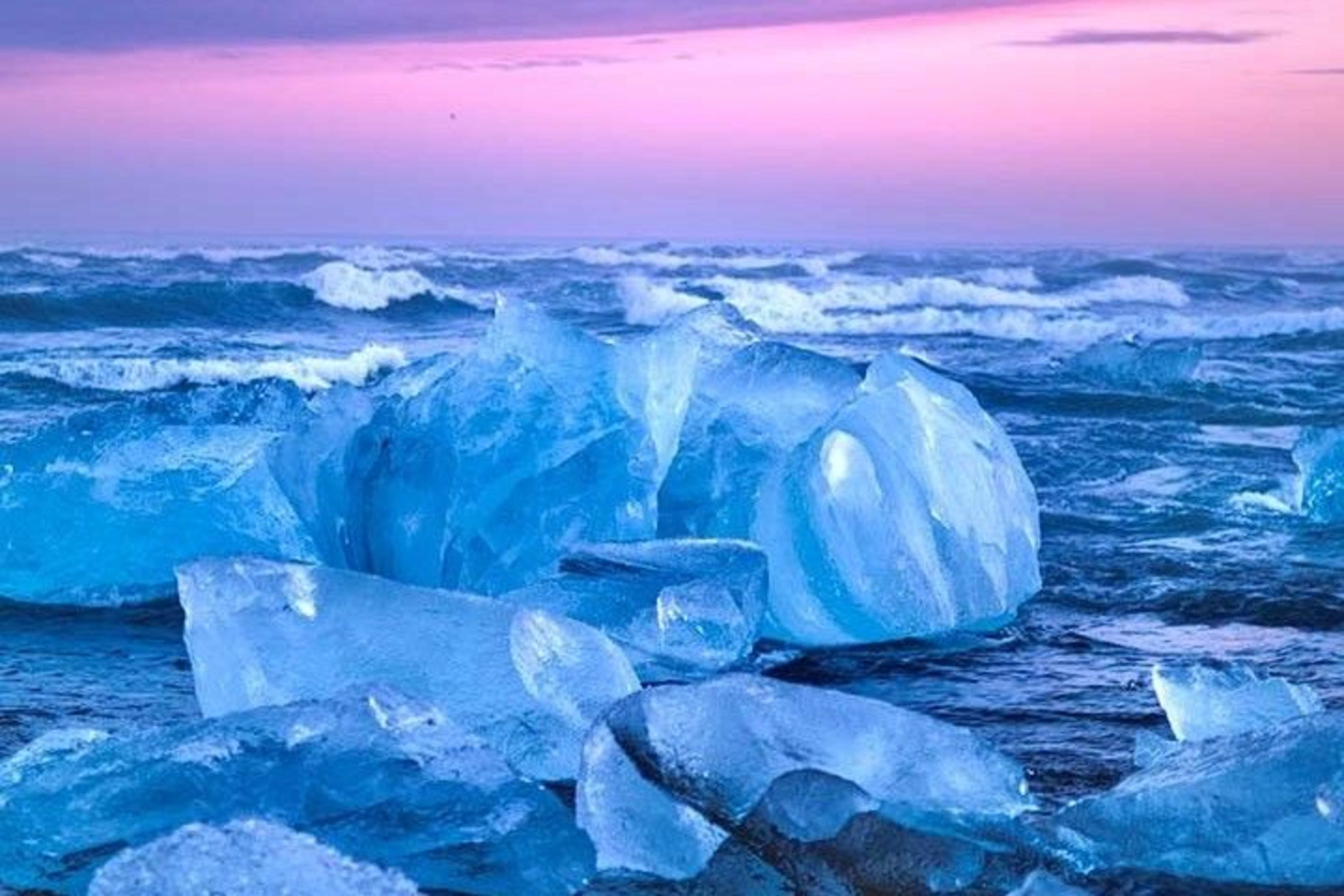
说到冰河湖,最为人熟知的就是杰古沙龙冰河湖(Jökulsárlón),别看这个名字读起来拗口,其实翻译过来十分的直白,冰川=Jökuls,河流 =ár,湖泊=lón,直译就是冰河湖。位于冰岛一号公路旁,再加上它是冰岛面积最大的冰河湖,所以成为了游客追捧的网红打卡地。而与之各路相望的钻石沙滩,也让冰岛的“美貌”再一次惊艳众人。所以来冰岛旅行,杰古沙龙冰河湖不容错过。冰河湖远观就美,但你是否想过深入其中,乘船穿梭其间呢?夏季,杰古沙龙冰河湖水陆两栖船游就能帮你实现这一愿望。此外,你还可以选择速度较快的快艇船游,留下不一样的回忆。
由于瓦特纳冰川的广袤面积,才有了以瓦特纳冰川为源头产生的多个冰河湖。
像坐落在龙虾出名的霍芬小镇旁边的霍芬冰湖 (Hoffelslón),它地处偏僻,游客稀少,甚至有时可以静静“独享”。
来冰岛冰川徒步,多数路线都是在索尔黑马冰川上进行的,它是冰岛第四大冰川米达尔斯冰原的一支巨大冰舌。徒步小队在抵达冰川前,就可以看到一个小型的冰河湖:索尔黑马冰湖 (Sólheimajökull Glacier Lagoon),由于全球气温上升,这个小小的冰河湖由前几年的小池塘满满变成了一个初具规模的冰河湖。可以站在岸边近距离观看冰川的切面纹理。
由于杰古沙龙冰河湖的名气甚大,以至于让众多人忽略了它旁边的沧海遗珠。就在杰古沙龙冰湖的旁边,有另外两个冰河湖,虽然大小比不上杰古沙龙冰河湖,但是美的却像是小家碧玉。布雷斯河冰湖 (Breiðárlón)与小冰河湖(Fjallsárlón)。两处虽然面积略小,但是它们的浮冰却是略显 “丰富”,依旧是湛蓝的冰洒落在波光的湖面,美得方如画中。还等什么?不妨试试Fjallsárlón小冰河湖夏季经典船游,感受另一种避世宁静。
冰岛黑沙滩
提起冰岛的沙滩,真的是可以颠覆人们对那种椰林下,走在细沙上,感受微风拂面的沙滩印象了。首先,最大的区别就是,冰岛沙滩的它颜色并不是黄色的。这些沙滩的形成原因比较特殊,它们的本质不是石头,而是熔岩。因为冰岛火山众多,火山喷发后,高温岩浆遇到海水后急速冷却形成了黑色熔岩小颗粒,这些黑色熔岩颗粒受到风吹浪打的千万“锤炼”后,便变成了这些一眼望去深邃玄色的冰岛黑沙滩。
其次冰岛的海,并不都是那么的“温柔”。更多时候,黑沙滩的形象给我更像是斯内普教授的感觉,它一身黑色长袍,表情冷峻,更重要的是“战斗力”不容小觑。有时远观海浪袭卷而至,黑色沙滩被浪打后上形成海雾,给人一种世界末日、身处异星的既视感。
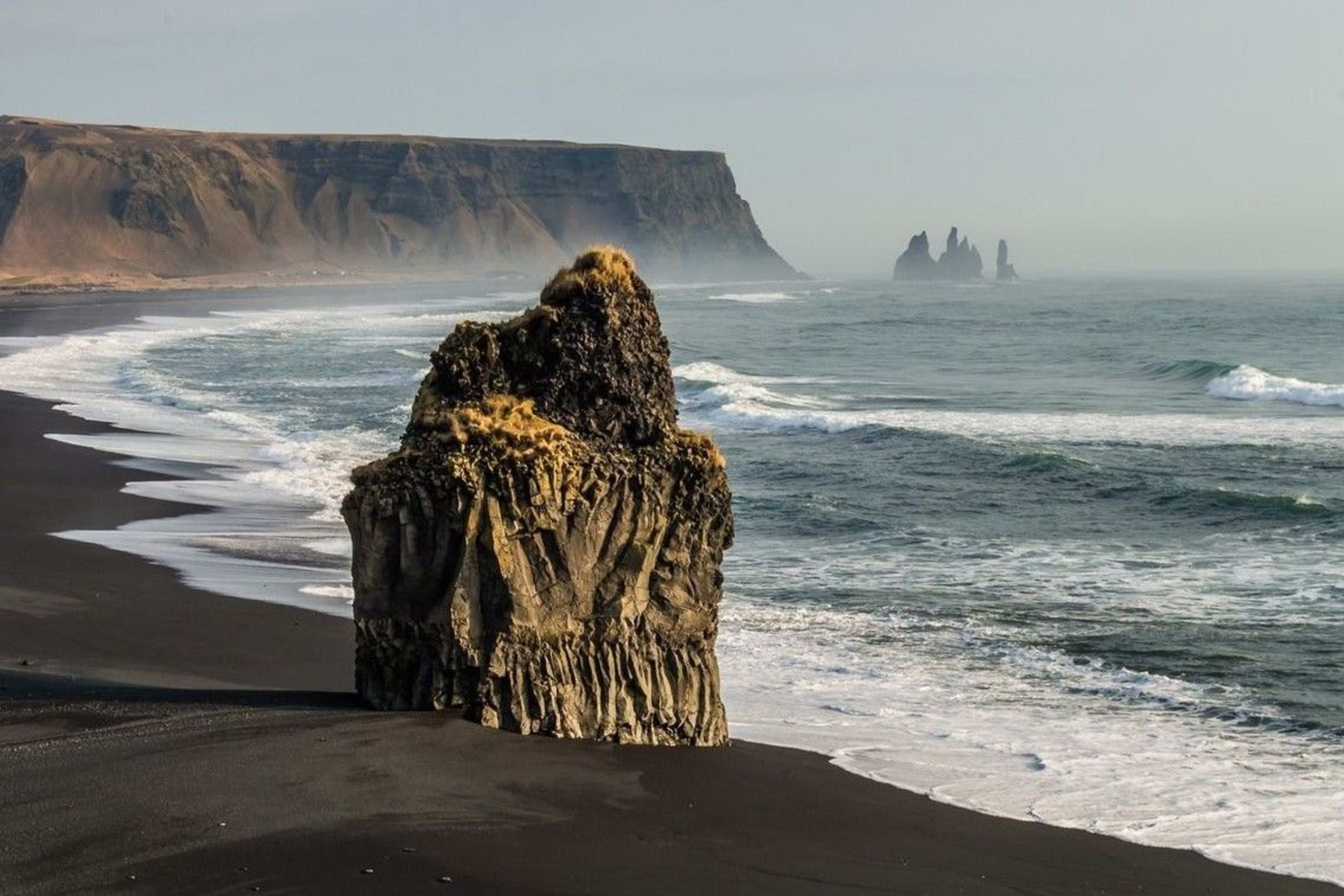
在冰岛最多游客前往也饱受争议的沙滩应该就是维克小镇的黑沙滩(Reynisfjara)了,自打刘昊然在此拍过一组照片后,它的国内知名度就更上一层楼,引来不少人打卡拍摄同款照片。但是由于此处长年累月都是巨浪滔滔,所以一定要遵守指示,不要靠近海岸,更不要背对海浪。
杰古沙龙冰河湖、黑沙滩、南岸瀑布通常都被包含在经典的南岸3日旅行团,为您合理安排游览路线,纵享冰岛南岸。
Breiðamerkursandur沙滩,虽然名字又长又拗口,但是说一个地方大家想必都知道,那就是钻石沙滩。Breiðamerkursandur沙滩是有着18km的长度,而钻石沙滩只是其中的一个焦点。如果说冰岛哪里最浪漫,很多来过的人都会提及钻石沙滩。大大小小的冰块散落在黑色的沙滩上,在阳光的照射下,熠熠生辉。
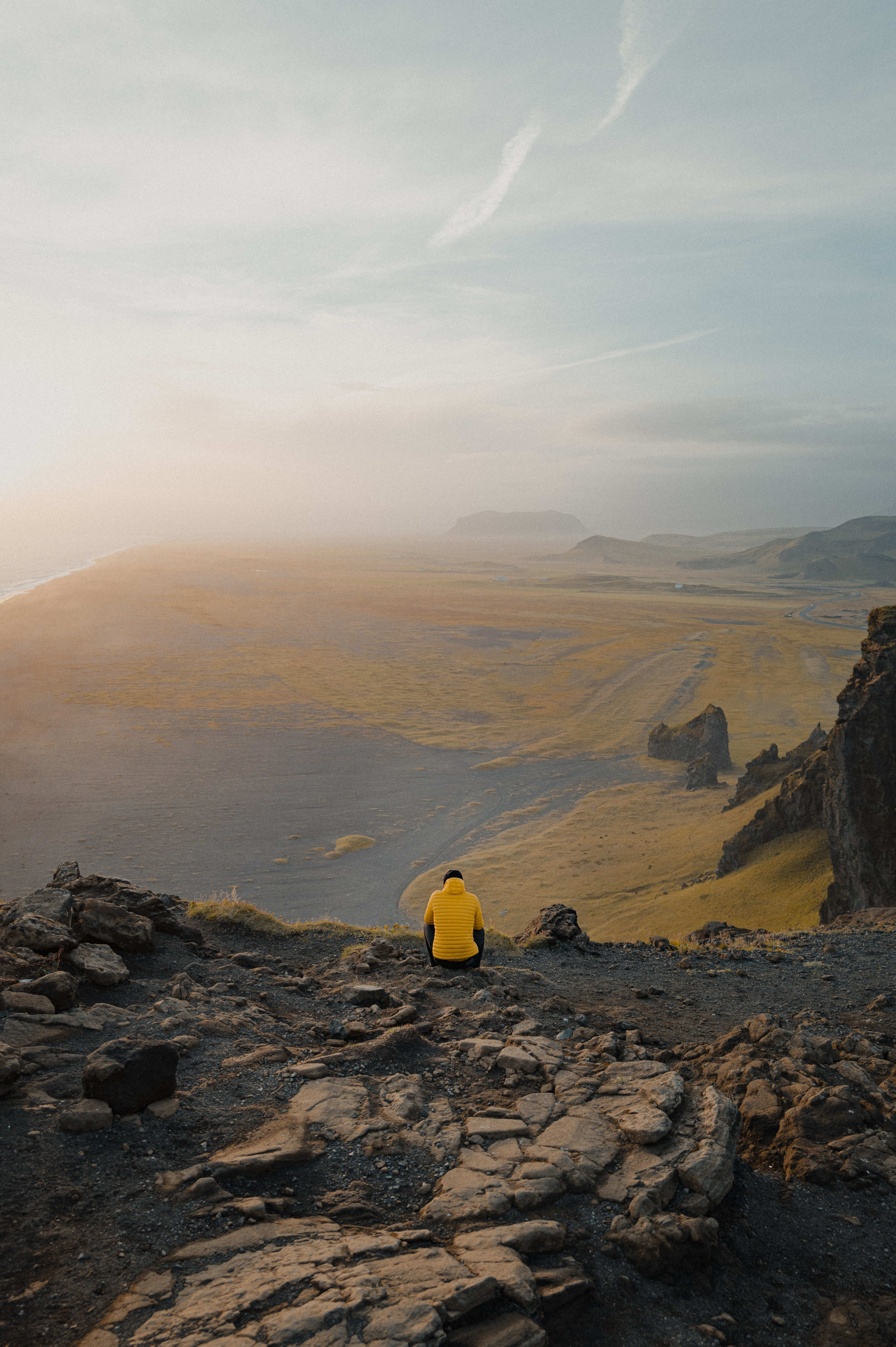
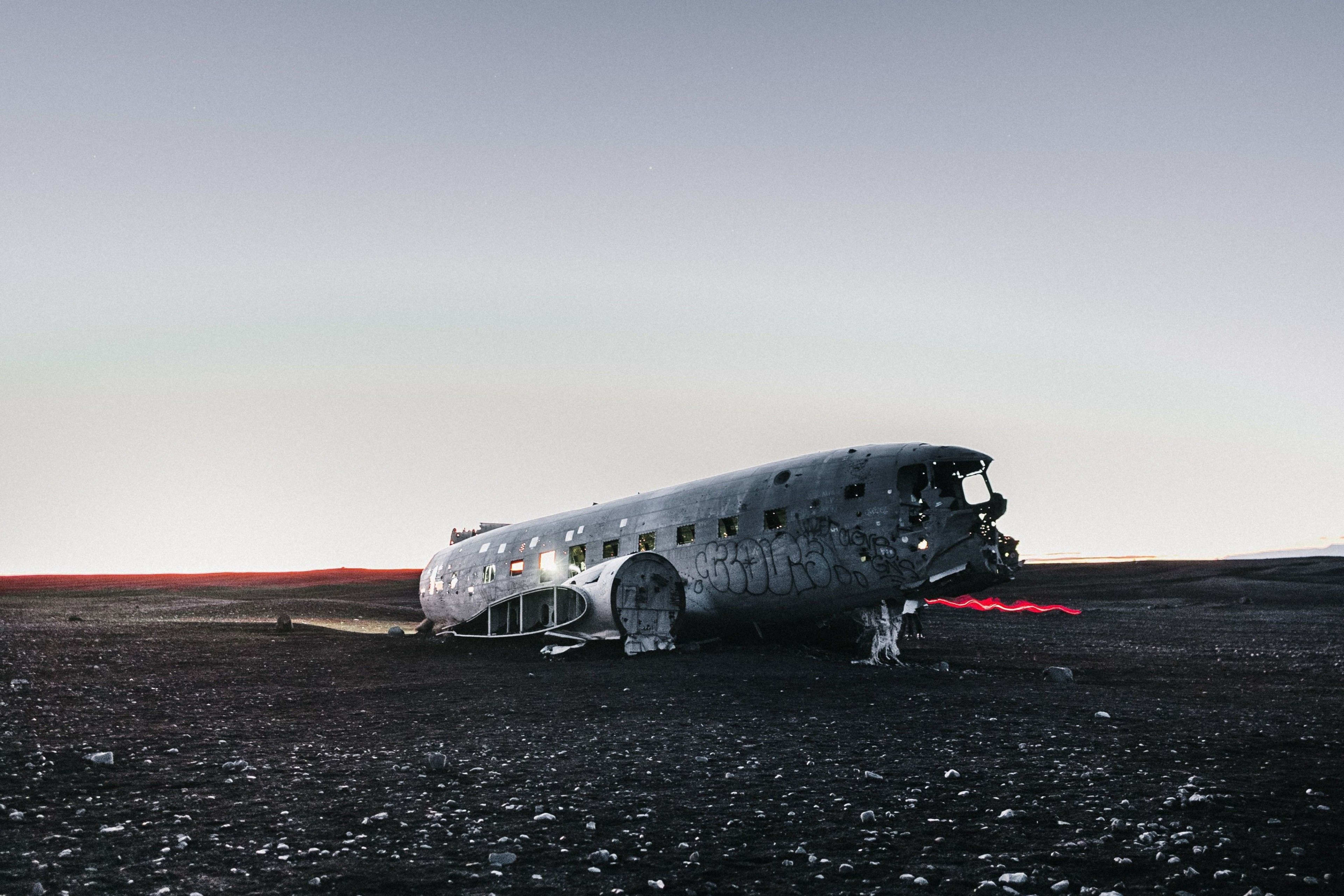
如果说冰岛最酷的沙滩,那我肯定要说这里了:Sólheimasandur,有着飞机残骸(Solheimasandur Plane Wreck)的黑沙滩。它距离维克镇20多公里。如果想从停车场到达飞机残骸需要乘坐摆渡车,或者步行40mins左右。在大概50年前(1973),一架美国海军飞机在穿越冰岛时遇到了极端天气,飞机的两个发动机由于低温停止工作,飞行员不得不迫降在了Sólheimasandur沙滩之上,所幸没有人员伤亡。飞机失事后,美国军方运走了机上可用资源,却将飞机残骸留在了原地。经过多年的风吹日晒,残缺的机身变得愈发破旧,现在还有人在上面画满了涂鸦。这种残破感和涂鸦艺术在黑沙滩的衬托下,有种明日之后游戏里的末日既视感。如果要前往这里,请提前预订Plane DC-3飞机残骸往返接送服务。
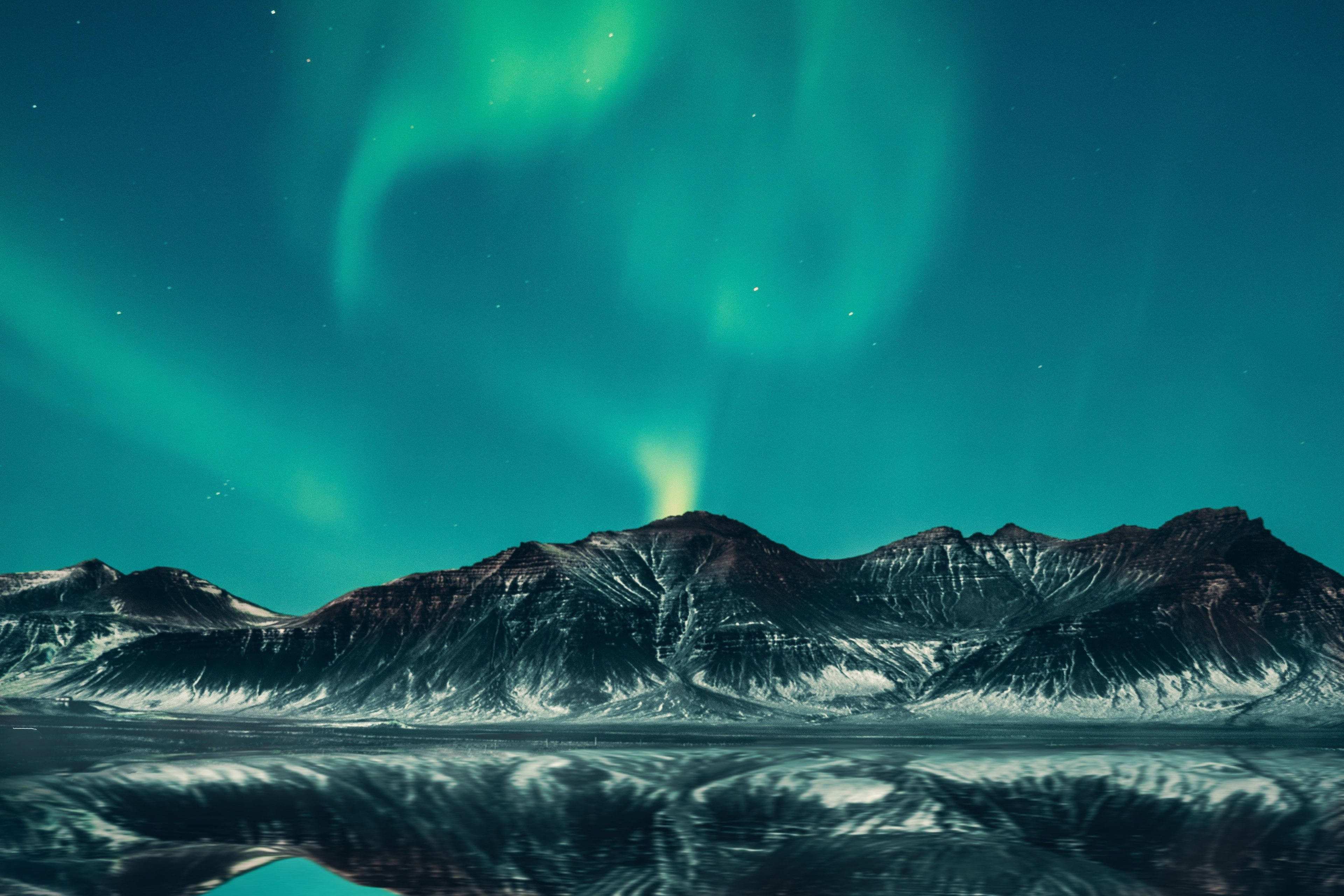
近些日子在Instagram上非常火的打卡地,被人称之为蝙蝠山的西角山(Vestrahorn)。好多摄影爱好者前来打卡留念。网上随便一搜,都会被这里的照片所吸引。山的形状像蝙蝠展开的翅膀,山脚下的墨绿色苔藓覆盖的熔岩和被海水一遍遍冲刷的黑色沙滩。山的影子倒映在水面形成了完美的镜像。尤其是在夕阳十分和夜空高悬极光的时刻,更是美的令人惊叹。除此之外,这里还是古时爱尔兰人在冰岛的一个居住地。并且有着一个维京主题的电影拍摄基地。
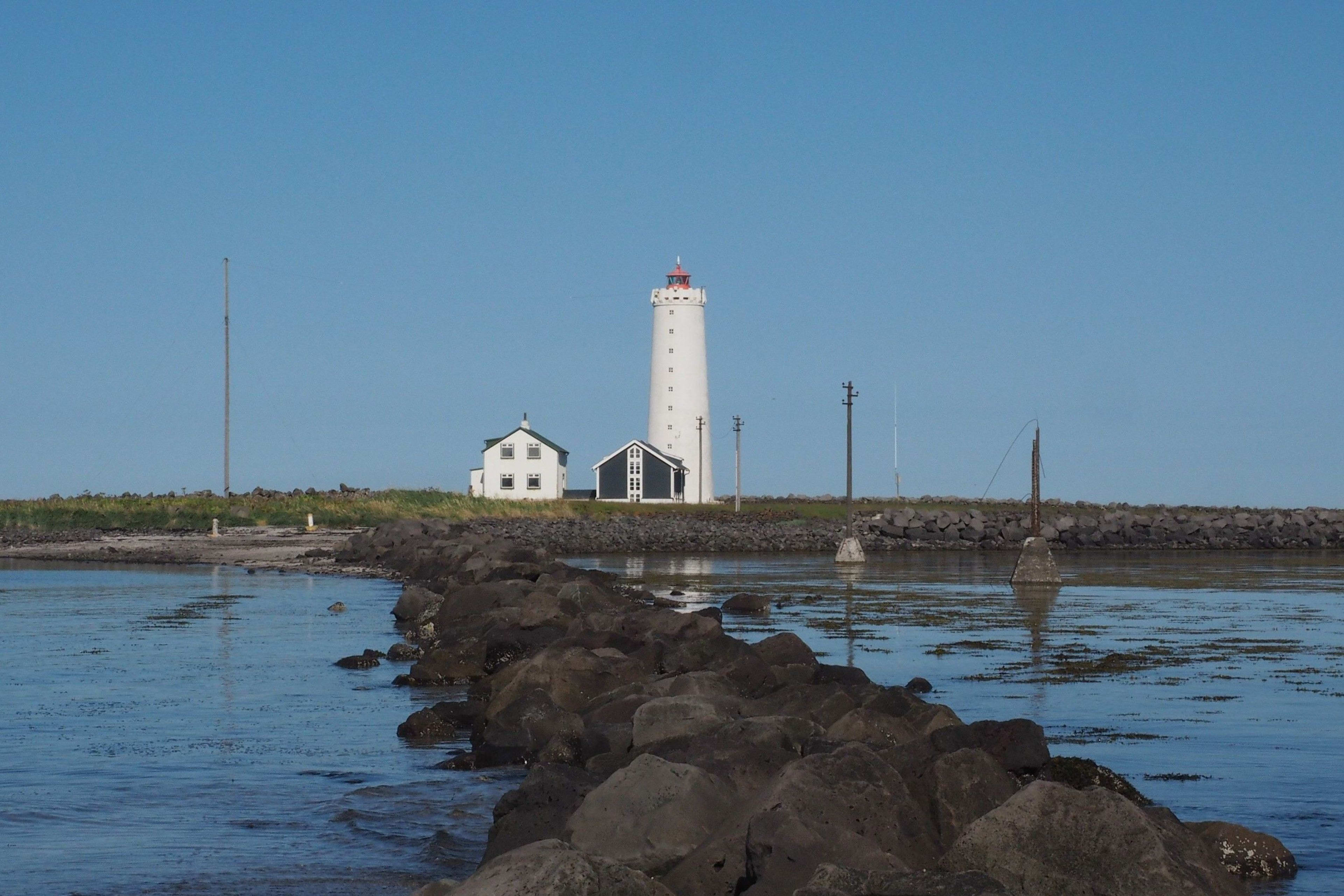
如果住在雷克雅未克市区,那不得不来一次雷市西郊Grótta灯塔所在黑沙滩。在这里不仅可以欣赏来自北大西洋的落日余晖,以及远处雪山。尤其在夜晚,这里也是雷克雅未克居民最爱的极光观赏地之一。需要注意的是,每年的5月-6月是鸟类的筑巢季节,为了保护动物,沙滩也会封锁起来,禁止游客进入。
冰岛极光
说一说你们是被冰岛的什么所吸引吧。可能大多数人给的答复就是极光了。冰岛是唯一一个国家全境都可以观看到极光的国家。在西方,Aurora,极光这个名字来自于罗马神话,曙光女神Aurōra(拉丁语)。她掌管的是晨光,黎明,带来希望与期盼。但是早期,Aurora并不指代极光,直到意大利科学家伽利略用她的名字来命名极光这种现象。冰岛在1年中有近8个月都有可能观看到极光。虽然极光是时常存在的,但是每一年9月至来年4月,才有机会在黑暗的夜空中看到。因为看到极光,必须要满足以下的几个条件:
- 天色够暗:极光亮度需要黑暗的环境衬托,所以冬季黑夜越长,有可能看到极光的机会越多。
- 晴朗天空:极光发生在云层之上的高空,如果是阴天、被云层遮住,就无法看到极光。
- 远离光污染:周围的环境越暗越有利于极光的观测,所以远离城市灯光的地方更为理想。
- 极光强度:极光的强度由太阳风强度决定。大概极光指数KP3以上就会看到明显的极光。
追逐极光前,大家记得要看到天气预报和极光预报,以确保更大概率看到极光。
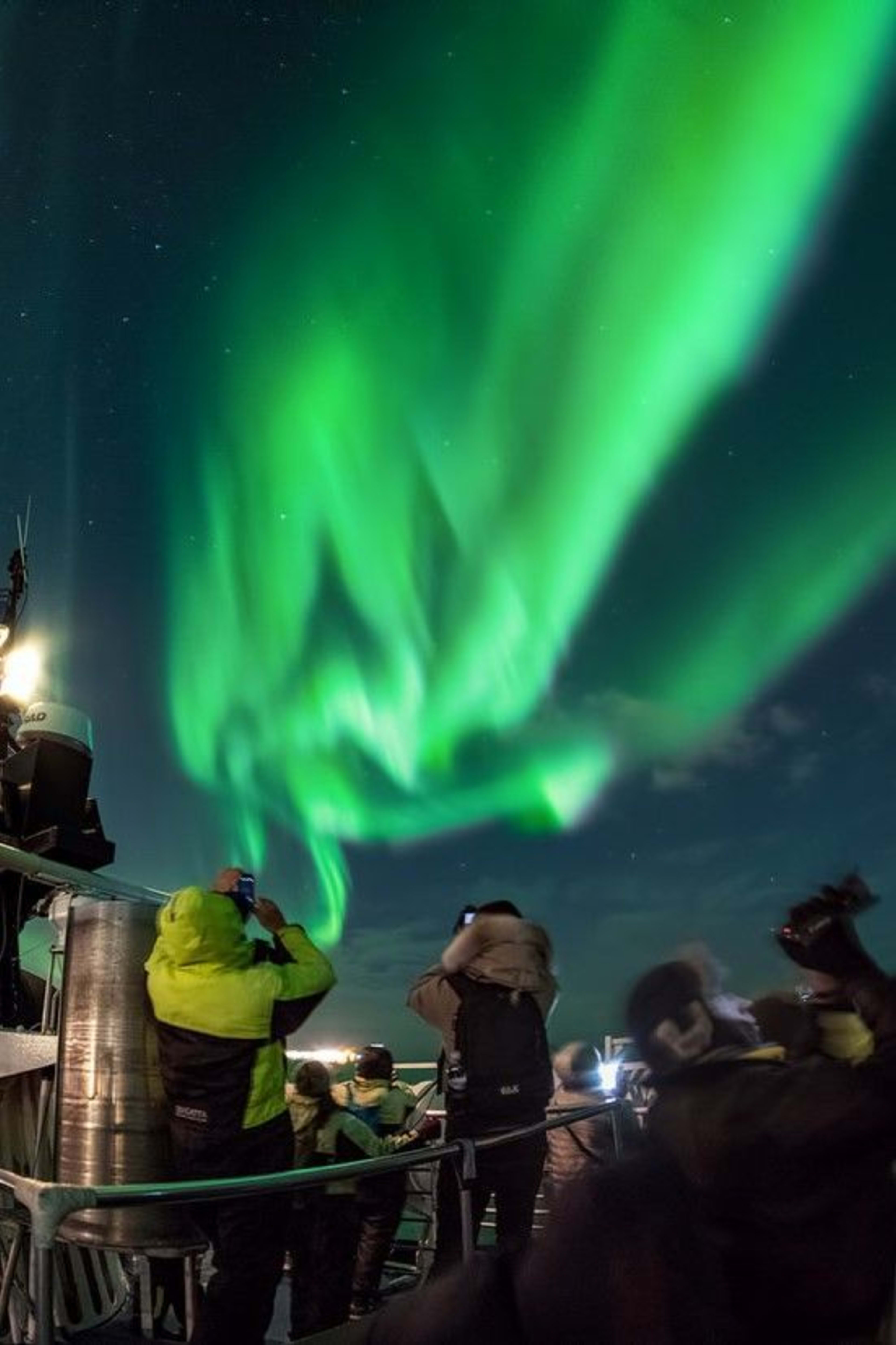
As mentioned above, the various attractions are perfect spots for photographing the aurora borealis if you're driving in Iceland. If you're not driving in Iceland, or lack experience driving in snow or at night, consider joining an aurora tour to chase the stars. For a more unique way to see the aurora, a romantic aurora boat tour in Reykjavik will show you what it truly means to have a breathtaking view of the sky.

Here, you can stand on the black sand beach, gazing at the starry sky, waiting for the mysterious arrival of the Northern Lights; you can drive through endless volcanic landscapes, feeling the pulse of life on Earth; you can relax in hot springs, letting nature's bounty wash away the fatigue of your journey. Iceland's natural scenery is one of the most unique treasures in the world. It awaits every traveler who loves nature and yearns for adventure to come and create their own story.