跳至主要內容

冰岛最广为人知的五个神秘民间传说

阅读时长8分钟

作者:Yaqing Gao

2023年8月25日

Iceland, hailed as one of the most otherworldly places on Earth, boasts not only breathtaking natural scenery but also a rich tapestry of strange and unique folklore and Norse mythology, including trolls, elves, and ghosts. Here, you can softly sing seabird songs under the ethereal Northern Lights, search for Icelandic elves, and hear the oracle of fallen Norse gods—a place where fantasy and reality intertwine. If you're planning a trip to Iceland and interested in exploring its culture, history, and mystical legends, visiting Icelandic museums related to these folklore will provide a window into the country, offering a deeper understanding of its unique customs. During your trip to Iceland, these folklore and natural wonders intertwine, adding a layer of mystique to the nation.

This Iceland travel guide introduces various Icelandic folk tales and legends, as well as some museums that showcase these traditions. Before your trip, it's recommended that you check relevant websites for detailed information, including opening hours, ticket prices, and guided tours, to ensure a smooth and memorable experience!

When traveling to Iceland, why not join a 13-day in-depth self-drive tour around the island during the summer and delve into Iceland's various folk tales!

1. Skóga Falls: A hidden treasure of gold.

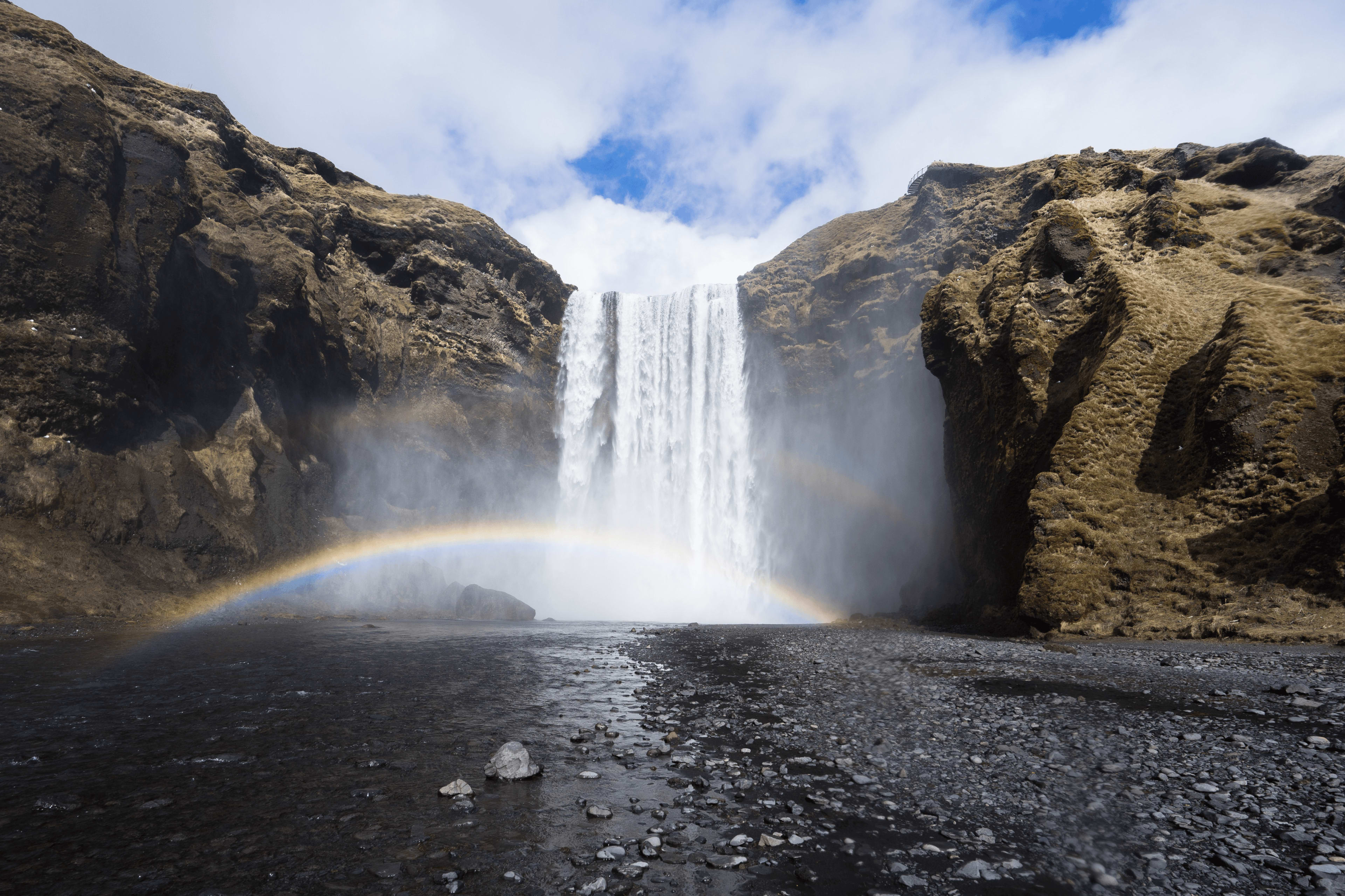
Skógafoss is a natural waterfall wonder located in southern Iceland. Known as the "Forest Waterfall" and "Rainbow Waterfall" due to the lush vegetation on its cliffs and the frequent rainbows visible on sunny days, it is often included in South Coast tours along with Seljalandsfoss and Gullfoss . Skógafoss plunges 60 feet, cascading like a celestial river from the black cliffs, creating a striking contrast with the surrounding verdant landscape. In winter, the cliffs are blanketed in snow, resembling a shimmering white cloak, a truly breathtaking sight. The constant spray creates shimmering rainbows under the sunlight on clear days, and with luck, you might even witness a double rainbow.

Skogarfoss (1).png
<font dir="auto" style="vertical-align: inherit;"><font dir="auto" style="vertical-align: inherit;">Skóga Falls</font></font>

In addition, it possesses a mysterious legend: Prasi Porolfsson, the first Viking to settle in Eystri-Skogar, landed in Iceland around 900 AD and towed his ship ashore. This powerful sorcerer buried a treasure chest in a cave behind Skógafoss waterfall. Legend says the chest was filled with gold, and the first person to find it would discover immense wealth. In the 17th century, the sons of Ámundi Þormóðsson set out to find the chest and succeeded. However, as one of them grasped the golden bracelet from the chest, it separated from the body and fell into the waterfall, leaving only the bracelet. This bracelet was later collected and exhibited by Skógafoss Church, and has now been transferred to the Skógafoss Museum.

Skógarsafn Museum

Skóga Museum , founded in 1949, is one of the best places to learn about Icelandic history, folklore, and culture. The museum houses multiple galleries and a collection of 18,000 regional folk artifacts. The most popular section is the Houses section, where visitors can see traditional farmhouses showcasing the daily life of 19th-century Icelandic farmers, from kitchens and bedrooms to workshops and barns, each room recreated with the furnishings and decorations of the time. Through simulations and multimedia displays, visitors can learn about the rich and diverse history of fishing and Icelanders' use of marine resources in the Fisheries section. In addition, the museum displays Icelandic handicrafts and traditional arts, such as wool textiles, silverware, and stonework. Visitors can also participate in various workshops and demonstrations to experience the charm of traditional crafts firsthand.

In addition to the exhibitions, the museum also features a café and a museum shop for visitors to shop and participate in various activities. The museum also hosts a wide range of cultural events and festivals, providing visitors with numerous opportunities for interaction. Whether you're interested in history or want to learn more about the Icelandic way of life, this museum promises an unforgettable and unique experience.

Opening hours: June to August, 9:00-18:00; September to May, 10:00-17:00

Ticket prices: Adults: 2500 ISK; Students/Seniors: 1800 ISK; Children (12-17 years): 1500 ISK; Family ticket: 6000 ISK (includes two adults and a child under 17 years); Children under 12 years (accompanied by an adult): Free. See the official website for details (tickets include access to all museum areas and a booklet with detailed museum information).

地址:Skogasafn 1 (Museum Way) Skogar, 861 South Iceland

Telephone: +354 487 8845

Driving directions: The Skóga Museum is only about a minute's drive from Skóga Falls. It is located next to the No. 1 roundabout, 30 kilometers west of Vik and 150 kilometers east of Reykjavik. Interested visitors can visit it on their own after experiencing the magnificence of Skóga Falls.

2. Vik Black Sand Beach: The Frozen Ruins of the Trolls

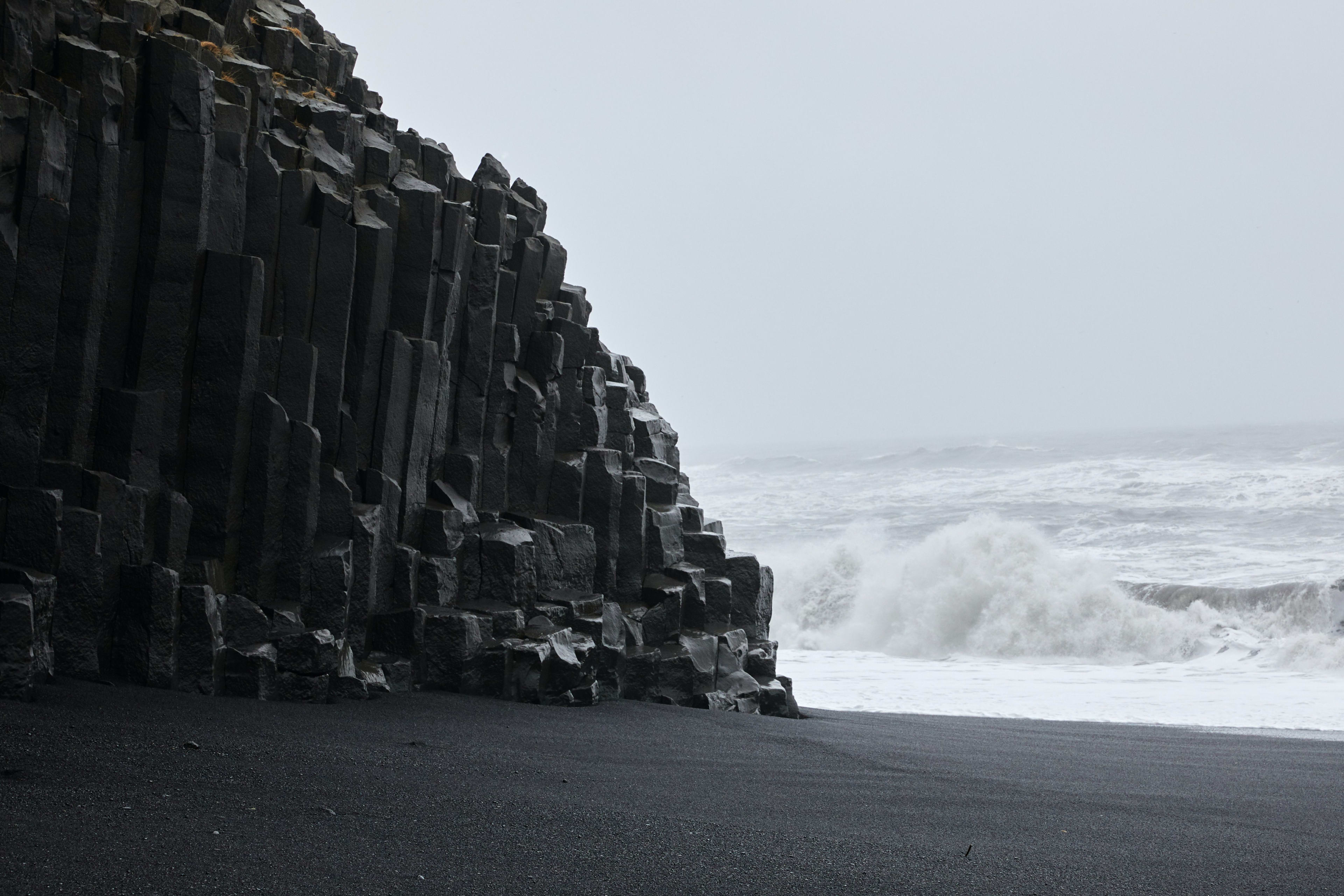
Reynisfjara Black Sand Beach, adjacent to the town of Vík, is a must-visit destination on every travel enthusiast's list, widely considered Iceland's most beautiful black sand beach. As the name suggests, the sand is black, mostly formed from remnants of basalt lava. When these lava particles were eroded, they coalesced to create the magnificent black sand. The asphalt-black sand and pebbles crash against the rolling waves, creating a perfect contrast with the blue sea foam. At sunset, the sand sparkles in the sunlight. Standing on Reynisfjara Black Sand Beach, with the waves crashing against the shore and towering seawalls standing before you, an indescribable sense of awe washes over you. On this land, time seems to stand still; you can deeply feel the connection between yourself and the natural world, and sense the power that has shaped the earth over millions of years.

reynisfjara beach.jpg
<font dir="auto" style="vertical-align: inherit;"><font dir="auto" style="vertical-align: inherit;">Vik Black Sand Beach Basalt Columns</font></font>

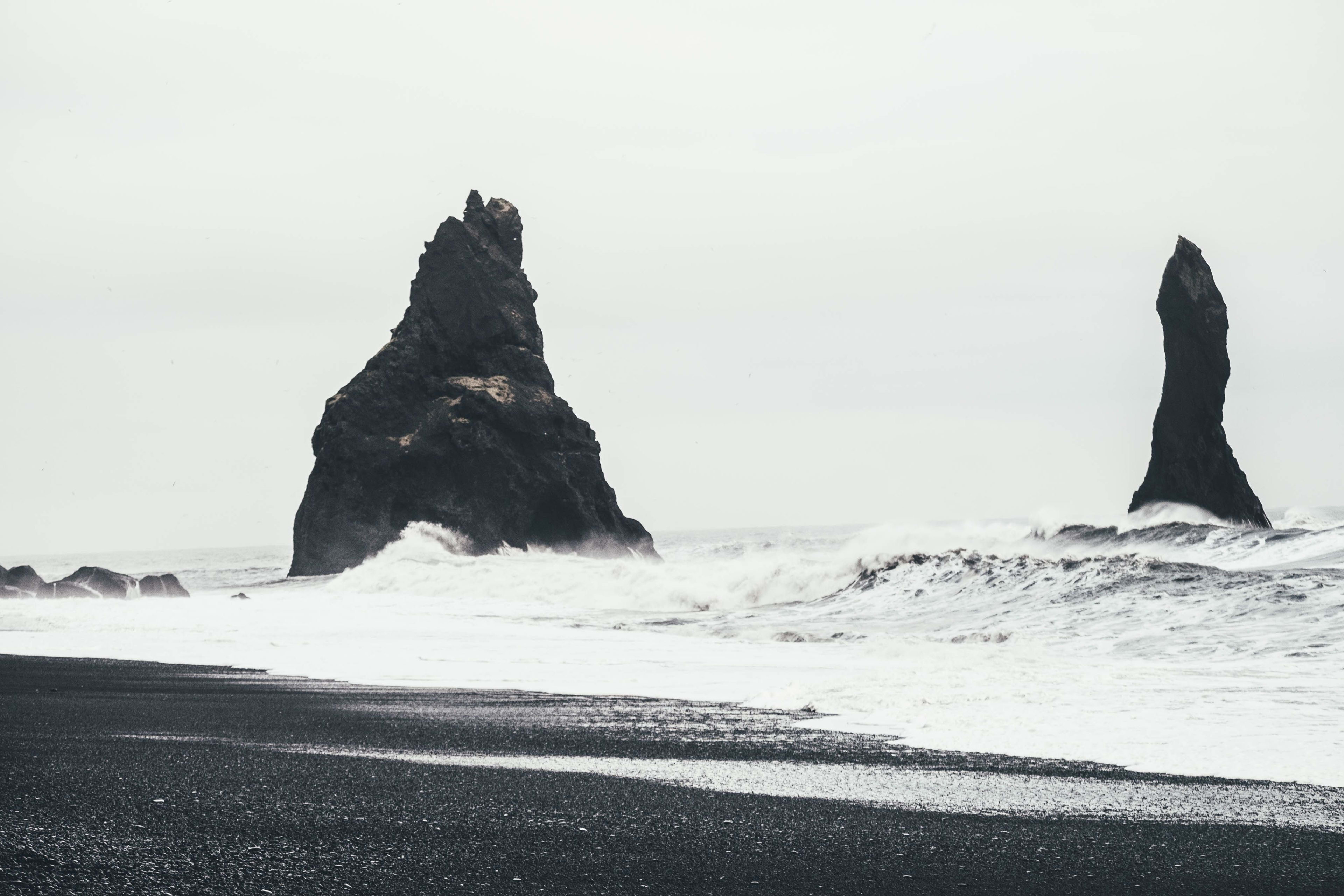
Behind its breathtaking beauty lies a wealth of folklore surrounding Reynisdrangarh black sand beach. Standing on the sand, you'll see sea stacks rising off the coast called Reynisdrangarh. These massive basalt columns, eroded by wind and water over countless years, have worn away the surrounding softer rocks, leaving behind these enormous pillars rising from the ocean. These sea stacks are no ordinary structures; they are said to have been formed from trolls. Legend has it that in ancient times, several trolls attempted to seize a three-masted Viking ship and drag it ashore. However, because they took too long to reach the shore, they turned to stone at dawn when the sun shone on them, forming the striking megalithic sea stacks. Even today, people believe that the trolls' howls and groans can be heard near the cliffs, a testament to their longing to return to their mountain home.

Reynisdrangar2.jpg
<font dir="auto" style="vertical-align: inherit;"><font dir="auto" style="vertical-align: inherit;">Renisdrang Sea Stacks (Renis Rock)</font></font>

In addition, another troll legend about the black sand beach tells the story of a man whose wife was kidnapped by two of the trolls. Later, the man followed the trolls down to the beach and froze them as punishment for their actions, so that they would never kidnap anyone else again—thus the trolls became part of the huge sea stack, and thus Renis Rock is also known as the frozen ruins of the trolls.

The legend of the trolls on the black sand beaches has been passed down through generations and is an important part of Iceland's cultural heritage. These trolls seem to bear witness to the mysterious power of nature, adding a touch of fantasy to Iceland's natural wonders. At the same time, people remember this legend of the trolls, expressing their respect and awe for the forces of nature.

Iceland's south coast boasts many of the most famous attractions, making up most of Iceland's top ten must-see sights. Gullfoss, Þingvellir National Park , the Great Geysir and Strokkur , the South Coast waterfalls, black sand beaches, and Jökulsárlón glacial lagoon all contribute to the south coast's stunning scenery. If you wish to witness the magnificence of Skógafoss and stroll along the black sand beach listening to the trolls' cries, consider our three-day Iceland tour: a tour of the famous Golden Circle, South Coast waterfalls, glacial lagoon, and glaciers . Alternatively, choose Forest Cat Travel's more comprehensive multi-day summer self-drive tour, which includes hiking on the Sólheimá glacier and exploring ice caves, snorkeling in the Silva Rift Valley , or a boat tour of Jökulsárlón glacial lagoon . You can learn about the rich ancient legends behind the South Coast's attractions while enjoying the sights, ensuring a worthwhile and unforgettable travel experience.

Iceland's "Golden Circle" region is a must-see for anyone wanting to visit Iceland, but did you know that there's also a "Diamond Circle" in northern Iceland, with a landscape that offers a completely different charm compared to the south?

3. Dark Castle: The Path to Hell

The Dimmuborgir lava fields in northern Iceland , also known as the Dark Castle, are located in the Lake Mývatn region. Famous for their unique landscape and black rock formations, composed of various lava caves and rock layers, reminiscent of ancient, collapsed medieval fortresses, hence the name. Norse mythology describes this place as the gateway to hell. When Iceland officially converted to Christianity around 1000 AD, its folklore blended with Christian stories and doctrines, suggesting it was the junction between earth and hell, and also the place where Satan fell when he was cast out of heaven. This terrain later became the inspiration for the chaotic decorations composed of cones, stacks, and bizarrely shaped, twisted caves.

In Icelandic folklore, evil trolls roam the land, appearing only at night. The Dark Castle (Dimmuborgir) is believed to be the home of Grýla, a half-troll, half-ogre monster, and her third husband, Leppalúði. Grýla would eat naughty children, and parents would use this to discipline and frighten their children. Grýla had 13 children, known as the Yule Lads (Christmas boys)—the Icelandic version of Santa Claus. For 13 days before Christmas, the Christmas boys would cause various pranks, such as licking spoons, banging on doors, stealing candles, and peeping through windows, hence their names. Icelandic children would leave their shoes on the windowsill; if they behaved well, they would receive gifts, but if they misbehaved, the naughty children would only get a rotten potato and might be caught by the Christmas boys to become Grýla's dinner.

4. Lake Me: The Legend of the Elf Queen

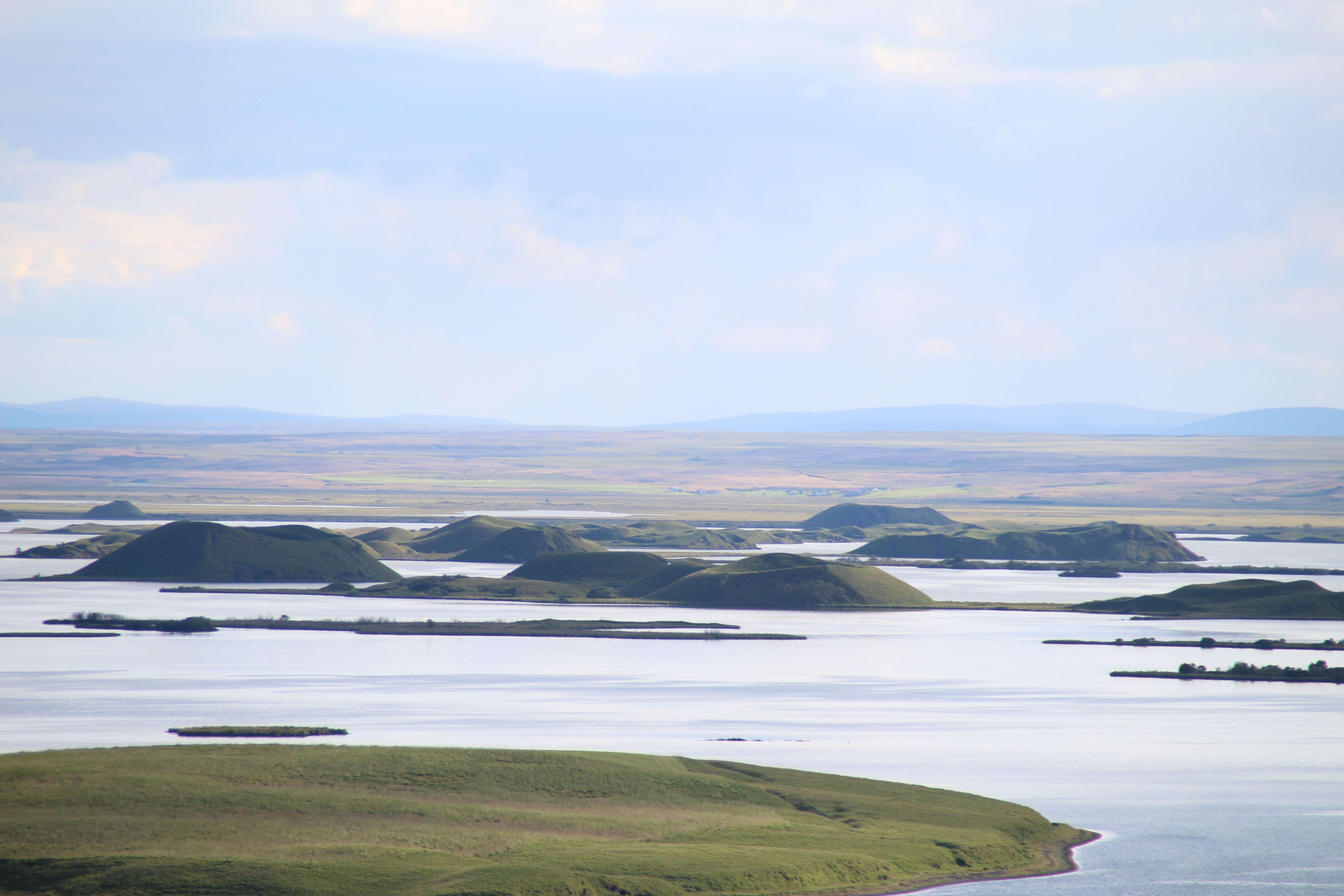
Lake Mývatn, located in northern Iceland, is the country's fourth largest lake. Formed approximately 2,300 years ago by a lava fissure eruption, it has long been one of Iceland's most popular tourist destinations. Lake Mývatn is renowned for its unique geological landscape, formed by the interaction of volcanic activity, geothermal activity, and glaciers. The lake's water is typically a deep blue-green, reflecting the surrounding grey-black and red rocks and lava formations, creating a masterpiece of nature. Imagine witnessing lava vents, geothermal hot springs, and breathtaking steam columns firsthand—you'll truly appreciate the awe-inspiring power of nature and experience unparalleled relaxation.

myvatn2.jpg
<font dir="auto" style="vertical-align: inherit;"><font dir="auto" style="vertical-align: inherit;">Mihu area</font></font>

Like other tourist attractions, Lake Mývatn also boasts its own mysterious legends. The story of the Elf Queen, recorded in John Annason's Folklore, takes place here. Legend has it that the Elf Queen Úlfhildur had a quarrel with an old woman, who cast a spell on her, forcing her to stay with humans until someone could successfully follow her to the Elf Kingdom on Christmas Eve. Finally, after much hardship, on Christmas Eve of a certain year, a farmhand followed the Elf Queen across a bridge that appeared over Lake Mývatn to her palace. He managed to obtain a gold ring as proof of his visit, thus breaking the spell. The Elf Queen was reunited with her husband, the Elf King. Overjoyed, she rewarded the farmhand with two bags of gold and silver and bestowed upon him good fortune for the rest of his life.

5. Falls of the Gods: The Fall of the Norse Gods

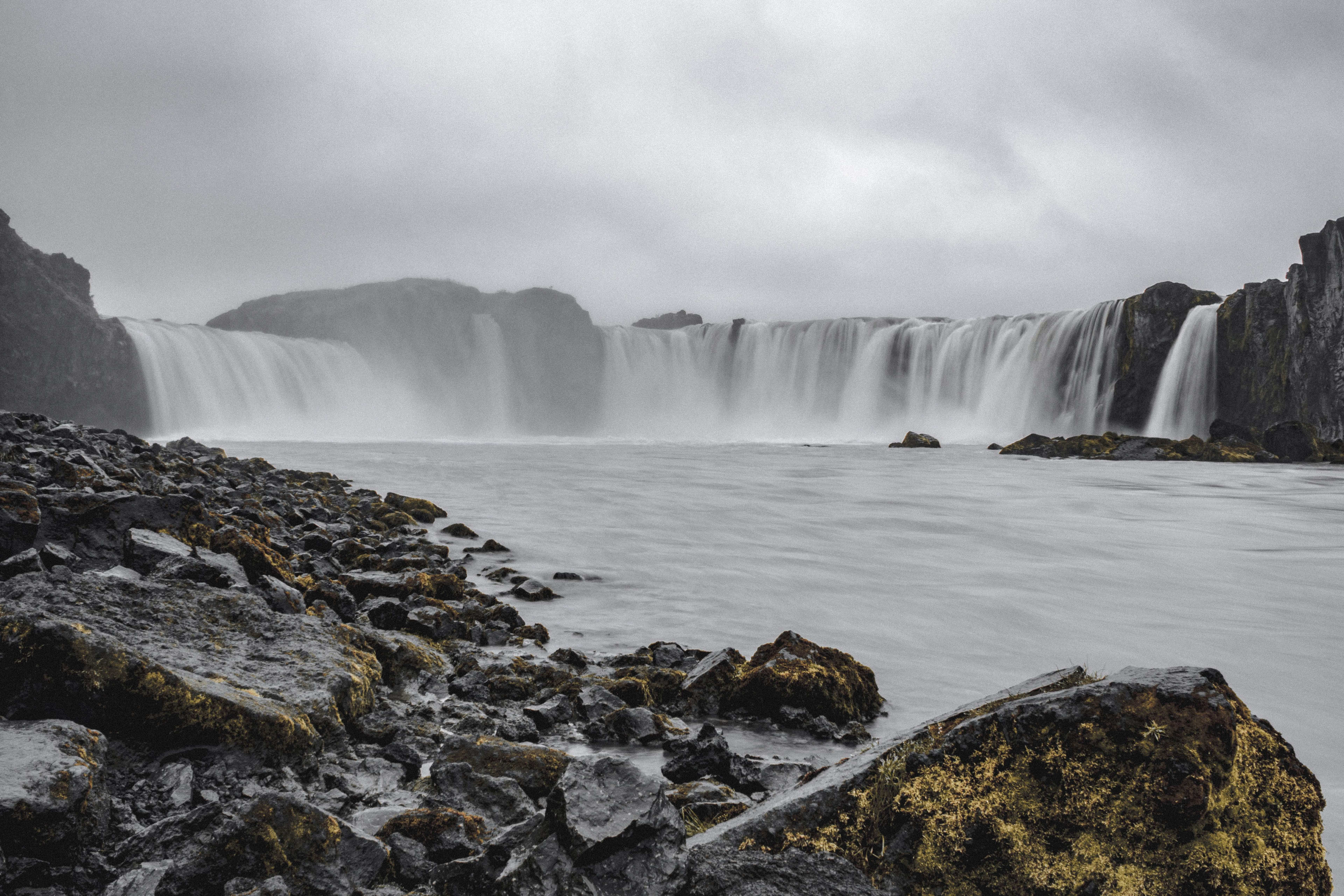
Goðafoss is located between Akureyri, Iceland's second-largest city , and the famous volcanic area of ​​Lake Mývatn mentioned earlier. It sits on Skjálfandafljót, Iceland's fourth-longest river. The water cascades down from the edge of a cliff about 12 meters high, creating a crystal-clear mist under the sunlight, as if the tears of the giants have fallen from the sky, thus giving rise to a mysterious and sacred atmosphere.

Goðafoss.jpg
<font dir="auto" style="vertical-align: inherit;"><font dir="auto" style="vertical-align: inherit;">Falls of the Gods</font></font>

As one of Iceland's most famous waterfalls, you can experience the mystical charm of Norse mythology before its magnificent falls, leaving behind fantastical and profound memories. The name "Fall of the Gods" itself unveils the mystery of ancient mythology. Around 1000 AD, when Iceland decided to convert to Christianity, the struggle and conflict between Norse mythology and Christianity continued. To quell this religious crisis, the authoritative legal arbitrator Thorgeir Ljósvetningagoði threw statues of the ancient Norse gods he worshipped into this waterfall, letting them fall and be carried away by the water. The river cascades down the mountain and plunges into the canyon, like the roar of the gods' demise. The horseshoe-shaped cliffs divide the waterfall into two large falls and several smaller ones, while the central waterfall remains, like stars surrounding the moon, a testament to nature's artistry, creating a sacred experience where the forces of nature and mythology merge.

Having read this far, are you deeply attracted by the interesting, fantastical, or tragic stories of these attractions, and do you feel curious and longing for them?

In the Diamond Circle region, known as the jewel of northern Iceland, if your itinerary is relatively tight, you can travel in one day from Akureyri, the northern capital, to see attractions around Lake Mývatn, such as the Godsfall, Dark Castle, and the Skútustaðagígar crater . You can also visit Dettifoss , a filming location for *Prometheus*, and Grjótagjá, the love triangle between Jon Snow and Jorgiri in *Game of Thrones* . Alternatively, if you're interested, consider a classic whale-watching tour from Húsavík, the " whale capital of Europe," where you can enjoy stunning views of Skjálfandi Bay and have a beautiful encounter with whales!

P.S.: If you want to chase the Northern Lights in winter, please choose the corresponding self-driving route package. You will be in control of your own travel pace and have the greatest autonomy to arrange your itinerary.

Other Icelandic folklore figures

As you know, Iceland, a country embraced by nature, is full of incredible supernatural creatures and legends. Besides the legends of the famous tourist attractions mentioned earlier, trolls, elves, sea monsters, witches, and other fantastical beings are also frequent characters in various fantasy stories on this cold and mysterious land. They are almost universally known and integrated into the lives and cultural beliefs of Icelanders. Let's continue to explore these fantastical existences!

1. Icelandic elves and their huts

Like many other tourists looking to visit Iceland, you may have seen adorable Icelandic elf houses online, which might have piqued your curiosity: Hmm? What do elves look like? Where do Icelandic elves live? Where can you find Icelandic elves?

The word "elf" frequently appears in Norse and Germanic mythology, where they are typically described as beautiful and wondrous eternal beings possessing immense power. The elves depicted in *The Lord of the Rings* and *The Silmarillion* bear a striking resemblance to their Norse counterparts. However, folklore suggests they resemble humans but are less robust, with softer skin and narrower bones. Furthermore, they lack a throat or pharyngeal ridge. In the Norse mythology textbook *Prose-Edda*, elves are often closely associated with the gods and frequently discussed within the same sentence. In the Álfheimar world dwell Ljósálfar (light elves) and dökkálfar (dark elves), the latter residing underground and differing greatly in appearance and temperament from the light elves. The light elves appear whiter than the sun, while the dark elves are blacker than the night. However, the elves of Iceland are a unique species to the country.

Icelandic spirits are often called Huldufólk (meaning "hidden people"), and they live among enchanted rocks or lava. These mysterious creatures are said to be almost invisible in daily life, but their lifestyle is remarkably similar to that of humans: they eat, sleep, and die like humans, and they dance, drink, and party like humans. They raise livestock, cut hay, fish, gather berries, and go to church on Sundays, but their lifespan is much longer. Despite these similarities, or perhaps precisely because of them, these hidden people prefer solitude, usually remaining invisible, and generally only appearing in sight at specific times, such as New Year's Eve and Midsummer's Eve.

As a country with a rich history and intricate mythology, most Icelanders believe in, or at least refuse to deny, the existence of elves, trolls, and other hidden supernatural beings. In Iceland, people even often build small wooden huts in their gardens for elves to live in, and Icelandic folklore contains warnings against throwing stones at them, as these might accidentally hit the "hidden people."

The houses of Icelandic elves are called Álfhól (elf huts). Most of these houses were built by Icelanders to inform others of the existence of elves in the area, but this doesn't mean that every Álfhól is inhabited by an elf. Furthermore, it's important to note that if you believe in Icelandic elf legends, you'll know that these mysterious little creatures are very territorial. If you start causing trouble around them, they will often retaliate. Therefore, please try not to disturb the elves! Icelanders tend to believe that if they disturb the hidden beings, very bad things might happen. In Iceland, many road construction projects must be consulted to prevent damage to the areas inhabited by local elves. It has been said that when attempting to remove certain rocks from a planned road, machinery often breaks down or tools are lost, forcing construction workers to build new roads around the rocks. All of this adds a lot of interest and mystery to the elf stories.

Elf huts are ubiquitous in Iceland. As we mentioned before, elves live in rocks, cliffs, and hills. Below are some legendary locations where you might find elves; you can drive there if you're interested:

- Álfaborg (known as Borgarfjördur Eystri in the east), the fairy city of eastern Iceland : A rock formation located in the middle of a fjord in eastern Iceland, resembling a natural fortress. This rock is widely believed to be the manor of the highest-ranking elves, and legend has it that the Queen of the Elves of eastern Iceland lived here. It's also worth mentioning that many adorable Icelandic puffins inhabit this area.

- The Fairy Church in western Iceland : Located on a rocky mountain called Tungustapi (also known as Álfakirkjan) in the village of Sælingsdalur, it is known as the Fairy Church.

- 冰岛阿斯比吉断层崖(Ásbyrgi),由于它的独特马蹄U形构造提供了绝佳的藏身之处,人们相信有许多精灵在这里安家,同时它也常和米湖、众神瀑布、黛提瀑布一起被包含在钻石圈旅游线路中,前去米湖时不如顺道拜访。

2.  冰岛幽灵

除了有关精灵的奇妙轶事,冰岛还有着一些不那么轻松愉快的恐怖故事,让人毛骨悚然,那便是有关冰岛幽灵(Iceland Ghost)的故事。冰岛幽灵是一个庞大而混杂的群体,通常分为三个亚类:自行从死亡中归来的人、被巫术和魔法唤醒的僵尸、以及出没于某个特定的人或特定的家庭的极其恶毒的“追随者”。

一个幽灵的出现取决于它的人形是在哪个地区被孕育的,它的死亡原因以及它仍然在地球上游荡的原因。例如,溺水者的幽灵通常穿着潮湿的海洋服装,从坟墓中复活的人通常穿着白色的裹尸布,而被遗弃死去的孩子的鬼魂则裹在他们的哺乳毯子里。人们相信幽灵是迷失的灵魂,他们找不到去来世的路。他们被困在地球上有时是因为亲人的密集哀悼或是牵挂在地球上未完成的事情,但在大多数情况下,幽灵是贪婪的人的灵魂,他们仍然依附于他们的尘世财产。如果你胆子够大,不妨去冰岛专门的幽灵博物馆沉浸式体验恐怖鬼故事氛围,可别被吓到了!

冰岛幽灵博物馆(The Ghost Museum)

冰岛幽灵博物馆(冰岛语:Draugasetrið)坐落于冰岛南海岸的小镇Stokkseyri,为Icelandic Wonders Museum的一部分,是一个专门研究冰岛幽灵的博物馆,用于记录和向外国人讲述大多数当地人都知道的鬼故事。在那里,游客们可以在一个约1000平方米的巨大幽灵迷宫中穿行,同时聆听和体验24个关于冰岛幽灵的故事和传说,每个故事所设置的布景看起来都像是真实故事发生的地点,馆内黑暗诡异的气氛可能会让你紧张不安。这些故事提供英语、德语、法语、日语、汉语、俄语等语言讲述,因此你无需担心你是否会冰岛语。冰岛的传说中有许多不同种类幽灵,可以追溯到一千多年前,所以你也可以把这当做是上一堂历史课,丰富自己的神秘知识储备。

地址:Hafnargata 9, 825 Stokkseyri

电话:+354 854 4510

开放时间:7月-10月,周四-周日下午1点-5点,

票价:成人:2000冰岛克朗;10-15岁:1500 冰岛克朗;6-9岁:500 冰岛克朗

自驾游览路线:Stokkseyri距离冰岛首都雷克雅未克约一个小时。沿着1号公路向东行驶,直到到达39号公路,然后继续向南行驶到38号公路,从那里转入34号公路,再转入33号公路,您将到达Stokkseyri,该博物馆位于该市中心。

冰岛精灵博物馆(Icelandic Elves Museum)

在冰岛幽灵博物馆(Draugasetrið)建筑的另一边,坐落着一座精灵博物馆,展出包括巨魔、精灵和北极光等冰岛特色文化,是适合带小孩子参观游览的好去处。这座博物馆可能是冰岛最有趣、最好玩的博物馆之一,在这里,你将进入一个充满关于精灵一切的神奇世界,了解冰岛精灵的起源、生活方式,以及他们与人类互动的民间故事。

地址:Eyrarbraut 3a, 825 Stokkseyri

    联系电话:+354 854 4510

冰岛精灵学校(Iceland Elf School)

如果你渴望了解更多关于冰岛精灵的信息,那么参加精灵学校(Álfaskólinn)的研习将是一项不容错过的活动!没错,在冰岛首都雷克雅未克真的存在这样一所精灵学校,你可以选择参加一个约3-4小时的课程,在那里你可以跟随精灵研究的专家学习关于精灵和“隐藏的人”的一切,可以深入探究精灵的不同类型、他们在冰岛民间故事中的角色以及与他们互动的方式,还能了解到地精、矮人、仙女、巨魔和山灵等及冰岛和其他北欧国家的自然精灵和神话人物。除此之外,活动课程还配有一本教科书,你可以带回家继续研读,了解精灵有关的民间传说,据说非常有趣。毕竟,谁会不怀揣着在冰岛旅行时与精灵相遇的期待呢?

地址:Síðumúli 31(2nd Floor), 108 Reykjavík

联系电话:+354 588 6060

3.  冰岛巫术和魔法

过去,巫术是一门古老而神秘的艺术,与冰岛的文化和宗教密切相关,曾经是冰岛人应对恶劣环境和艰难生活条件的方法,许多魔法咒语都集中在控制天气、提高羊的繁殖力或以求获得更繁荣的生活,维京人相信巫术可以帮助他们与神灵互动、获取知识和力量。

在古代冰岛社会,巫术师(seiðmaðr)和巫师(galdramaðr)扮演着重要的角色。他们被认为有能力与神灵、精灵和其他超自然实体进行沟通,并使用具有神秘力量的符咒、咏唱和仪式来实现他们的目的。

然而,随着基督教在冰岛的传播,巫术逐渐受到压制与排斥。中世纪时期,巫术被视为邪恶的力量,巫术师被认为与魔鬼勾结。大规模的巫术审判和镇压发生,被指控从事巫术活动的人可能会面临严厉的惩罚。这导致了巫术传统的衰落,许多知识和技巧未能传承下来。

然而,冰岛的巫术文化并没有完全消失,它隐匿于民间传说和历史的角落中。在现代冰岛,巫术重新获得了一些关注,并吸引着那些对神秘和超自然现象感兴趣的人。有人尝试重新研究和恢复巫术的知识与实践,探索它的哲学和灵性层面。

*冰岛的女巫狩猎

在冰岛,巫术、魔法和超自然力量在流行的民间信仰中占据重要的一席之地。直到17世纪,冰岛还普遍存在着巫术,它被分为两类。第一类是galdur,好的(“白色”)或坏的(“黑色”)咒语,由巫术师在魔法符号、魔法书籍、符文或口头帮助下执行。第二类是fjölkynngi,指的是对未知事物的智慧或知识,这是正确管理和使用白色咒语所必需的。这种关于巫术的观点是古斯堪的纳维亚文化的一部分,在接收基督教化之后,相比于其他北欧国家,它在冰岛更不受干扰地保留了下来。众所周知的是,欧洲在1300年至1720年间对女巫的猎杀和迫害是众所周知的事实,但鲜为人知的是,冰岛也有自己的迫害时期,被称为火的时代(Brennuöld),发生在1625年至1690年间。当时对巫师起诉的理由多种多样,例如:让死人复活,对人和牲畜造成伤害;施法造成风暴;施法造成疾病;与魔鬼有联系;防御性法术;施法使竞争对手的鱼获量减少;施法使羊群平静;拥有魔法字母和物品等。在火的时代,超过200人被指控从事魔法或拥有魔法物品。在冰岛巫术审判中,烧死的大多为男性。尽管现在人们越来越讲究现代科学,但不可否认,旧时代的巫术师在当时扮演了诡异而独特的神秘角色。

冰岛巫术和魔法博物馆(The Museum of Icelandic Witchcraft and Sorcery)

冰岛巫术和魔法博物馆(冰岛语:Strandagaldur),是一家由私人经营的、可供公众参观的博物馆,致力于向民众展示冰岛的民间传说和巫术历史。该博物馆包含各种常设和特别展览,主题包括Nábrók(或称necropants,意为人皮裤子,传说人们穿上用自己死去朋友皮肤做的裤子,再带上从朋友遗孀处偷得的硬币,就能绵绵不绝地获得财富)、冰岛魔杖、Tilberi(冰岛民间传说中的一种生物,由巫婆为偷牛奶而创造。只有女性才能创造和用有它們)和冰岛魔法书等,呈现了17世纪冰岛的巫术热以及民间传说中的巫术使用案例,如利用尸体收集钱财、寻找小偷和唤醒死者等。博物馆楼上的一个区域集中展示了冰岛猎杀女巫的历史,以及女巫和指控者的族谱。该博物馆于2000年首次开放,由Sigurður Atlason策划,位于沿海城市Hólmavík,每年吸引了约1.1万名游客。

地点:Höfðagata 8-10, 510 Hólmavík

电话:+354 897 6525

开放时间:全年开放

夏季时间: 5月15日至9月30日:10:00-18:00

冬季时间:10月1日至5月15日:周一至周五12:00-18:00,周六和周日13:00-18:00

自驾路线:Hólmavík距离首都雷克雅未克230公里,游览者可从雷克雅未克自驾前往。

4. 冰岛海怪

几个世纪以来,海怪的故事在冰岛民间文化中扮演了丰富多彩的角色,全国各地都可以找到一些关于海怪的书面描述。在冰岛民间传说中,Lagarfljótsormur(Lagarfljót worm)最为有名,它是一种湖怪,据说生活在冰岛埃伊尔斯塔济(Egilsstaðir)镇附近的拉加尔湖(Lagarfljót)中。这一传说可以追溯到1345年,据说一个年轻的女孩从她母亲那里得到了一枚金戒指,母亲告诉她应该把金戒指放在箱子里的小蛇下面,这条神奇的小蛇会长大,同时,小蛇下面的金子也会长大。后来,小蛇开始成长,并变得越来越大,吓到了这个女孩,她把箱子、长大的小蛇、还有魔法金戒指扔进了拉加尔湖,这便是冰岛自己的“尼斯湖水怪”。如今,人们几乎很难看到Lagarfljótsormurinn的头或尾,但可以看到它在湖里蠕动,甚至在2012年,还有人目击了它在湖中游动,并拍摄视频上传到了网络,至今仍是一个未解之谜。

冰岛海怪博物馆(The Icelandic Sea Monster Museum)

冰岛海怪博物馆将这些海怪、水怪这种难以捉摸的神秘生物囊括其中,该博物馆位于Arnarfjörður峡湾岸边的Bildudalur村,据说这里是冰岛最丰富的怪物活动中心之一。冰岛海怪博物馆深入探究水下怪物的传说,馆藏诸多目击的第一手资料与关于海怪本质的学术理论,参观海怪博物馆的游客可以通过文字、图像和视频的生动组合演示了解这些非凡的生物,同时,交互式海怪桌还能让游客可以亲自动手猎杀怪物。

开放时间:5月15日-9月15日

地址:Strandgata 7, 465 Bíldudalur

自驾游览路线:博物馆位于西峡湾(Westfjords)的Arnarfjörður峡湾岸边的比尔德达勒(Bíldudalur)村,它位于该地区主要聚居地伊萨菲厄泽(Ísafjörður)镇以南73英里(约117公里)处。

-    从伊萨菲厄泽出发,向城镇的西南方向行驶,然后右转进入60号公路。沿着这条路向南行驶大约50英里(81公里),然后右转进入63号公路,朝Bíldudalur方向行驶。

-    对于来自雷克雅未克的游客来说,Bíldudalur距离首都233英里(约375公里)。在一号环岛公路上向北行驶,左转进入60号公路,沿着这条路行驶大约140英里(约225公里),然后左转进入63号公路到达Bíldudalur。冰岛海怪博物馆位于Bíldudalur村庄的北滨。

5. 冰岛圣诞民俗传说及形象

冰岛圣诞节的地位在冰岛民众心中非常重要,冰岛人对圣诞节抱有深厚的情感和传统信仰,将其视为家庭团聚、分享和关爱的时刻。作为一个盛大的传统节日,圣诞季充满了特别的习俗和庆祝活动,与人们对于西方圣诞节的普遍认知不同的是,冰岛圣诞节有着自己独有的传说和圣诞形象。

  • 冰岛圣诞老人(Yule Lads)

冰岛圣诞老人的到来标志着冰岛圣诞季节的开始。这十三个圣诞老人是巨魔的直系后裔,与他们的食人魔父母——他们的母亲Grýla和父亲Leppalúði,以及吞噬儿童的Yule Cat一起生活在黑暗的深山洞穴中,即黑暗城堡。

最初,这十三个圣诞老人是拥有独特犯罪癖好的恶作剧者,他们轮流潜入农村社区,在那里偷窃、纠缠和掠夺,并且每个人都有一个描述性的名字,以反映他最喜欢的恶作剧形式;例如:Door Slammer “摔门者”喜欢在黑夜里潜入人户摔门造访,Sausage-Swiper“熏肠猎人”会躲在房梁上,趁你不备偷走熏制的香肠,Candle Stealer“偷烛者”喜欢偷走蜡烛当做食物,在那个时代,蜡烛是用可食用的动植物脂肪制成的。

如今,Yule Lads承担起圣诞老人的传统角色。在平安夜前的13个晚上,13个Yule Lads中的一个会在孩子们放在窗台上的鞋子里留下点心或烂土豆,这取决于孩子一年中的表现。

  • 冰岛圣诞猫(Yule Cat)

前文在介绍黑暗城堡和圣诞男孩有关的传说时,相信吃小孩的Grýla一定让你印象深刻甚至让人心生恐惧。圣诞男孩的母亲Grýla后来不愿意经历圣诞男孩的这种转变,她仍然有偷窃和吃掉不听话的孩子的习惯,而冰岛圣诞猫(Yule Cat)便是她所养。这只大黑猫一年只吃一次,会等到所有的孩子都打开他们的圣诞礼物,然后吃掉所有没有收到衣服的人会在圣诞节期间吃掉没有得到任何衣服的孩子(鼓励孩子们在季节到来之前完成编织、针织和缝纫家务),可谓是冰岛人“为猫而战”!

此外,雷克雅未克市中心放置了一个黑色大圣诞猫雕像,会在圣诞前夕点亮。现如今,与该雕像合影已经成为一项十分受欢迎的活动。

在冰岛,圣诞节从12月1日开始,一直延续到12月24日。整个节日季节充满了喜庆的气氛和活动。冰岛人会装饰圣诞树,挂满彩灯和装饰品,点亮传统的圣诞蜡烛。此外,冰岛圣诞节还伴随着各种庆祝活动,如圣诞市集和音乐演出,与此同时,人们会品尝传统的圣诞特色美食。
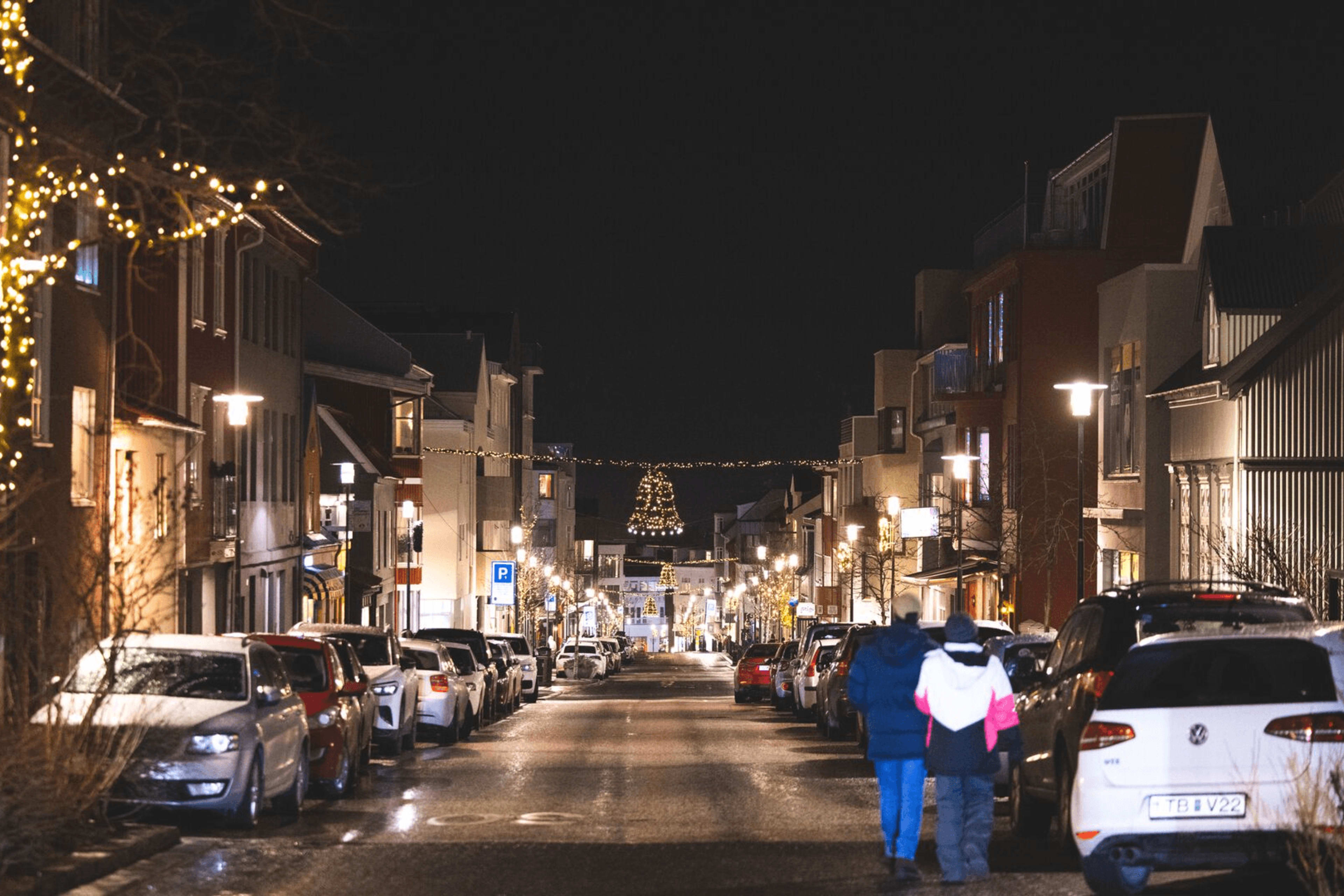
Christmas Reykjavik.png
圣诞节期间的雷克雅未克

If you have the chance to spend Christmas in Iceland, you'll definitely feel its unique charm and warm atmosphere. You can experience the frigid scenery of Iceland's south coast in winter, chase the Northern Lights, see the Snæfellsnes Peninsula— a microcosm of Iceland— and soak up the traditional Christmas atmosphere in Reykjavik, taking a photo with the giant black Christmas cat. All of this can be achieved by booking our Christmas and New Year | Iceland Limited Edition 7-Day Worry-Free Package: MAGMA Hotels Co-branded Edition ! During this period, you can also stay at Magma Hotels, a co-branded hotel under our group, and experience a high-quality and sincere accommodation experience.

As your unforgettable journey draws to a close, if you have enough time before leaving Iceland, we highly recommend taking a leisurely stroll through Reykjavik city to add another highlight to your Icelandic trip. In this political, cultural, and economic center of Iceland, you can visit the Elf School, feed the swans at Tjörnin Lake, and savor Icelandic cuisine, while exploring the charming boutiques of Laugavegur shopping street. Of course, the capital city also offers the unmissable Reykjavik Lava Show , which allows you to experience a volcanic eruption firsthand and learn about volcanoes while feeling a sense of spiritual cleansing.

What are you waiting for? Come to Iceland! Let this cool, fairyland at the edge of the world give you all the healing beauty you've ever imagined. You can immerse yourself in mysterious legends and stories, experiencing the profound charm of Icelandic culture; you can chase the roar of waterfalls, the grandeur of glaciers, and the brilliance of the aurora borealis. This natural adventurer's paradise awaits your courage and curiosity. Believe that Iceland will always bring you endless adventures and wonder.

关于作者

重度器乐摇滚爱好者,热爱北欧文化,因Sigur Rós对冰岛音乐着迷,自此开启了对一切Icelandic事物感兴趣的大门。 自诩性格像Puffin,拥有“带有距离感”的热情,喜欢玩耍和休息,纵情于自然与自由,乐此不疲于尝试且制作美食并记录自己日常生活中的所思所想。 梦想是去雷克雅未克的温泉里躺着放松看电影,穿着冰岛毛衣在其荒野外聆听来自世界尽头的仙境之音。 时常想要变成一朵云,做极光坚定的守护者。

查看Alyssa更多的文章

相关文章

从森林猫旅行的冰岛攻略中了解更多信息
必读旅行攻略

冰岛那些美到不真实的十大瀑布

本文将介绍冰岛的十大瀑布,包括冰岛著名的黄金瀑布、斯科加瀑布、塞里雅兰瀑布、 众神瀑布、黛提瀑布等

查看更多
必读旅行攻略

热能涌动的冰岛:探秘冰岛地热奇观

冰岛地热活动频繁,拥有世界上最令人惊叹的地热景观,也为其提供了最具价值的旅游和生产资源。

查看更多
必读旅行攻略

神奇魔法符:冰岛背后的符文文化

解锁冰岛神秘的符文文化,探索隐藏在神秘符文背后的古老智慧与神奇力量。

查看更多
必读旅行攻略

玩转冰岛特色节日,感受北欧冰火风情

冰岛是北欧国家中古典文化与世界前卫艺术的中心地,让我们一起走进冰岛特色节日,领略极致的北欧风情!

查看更多