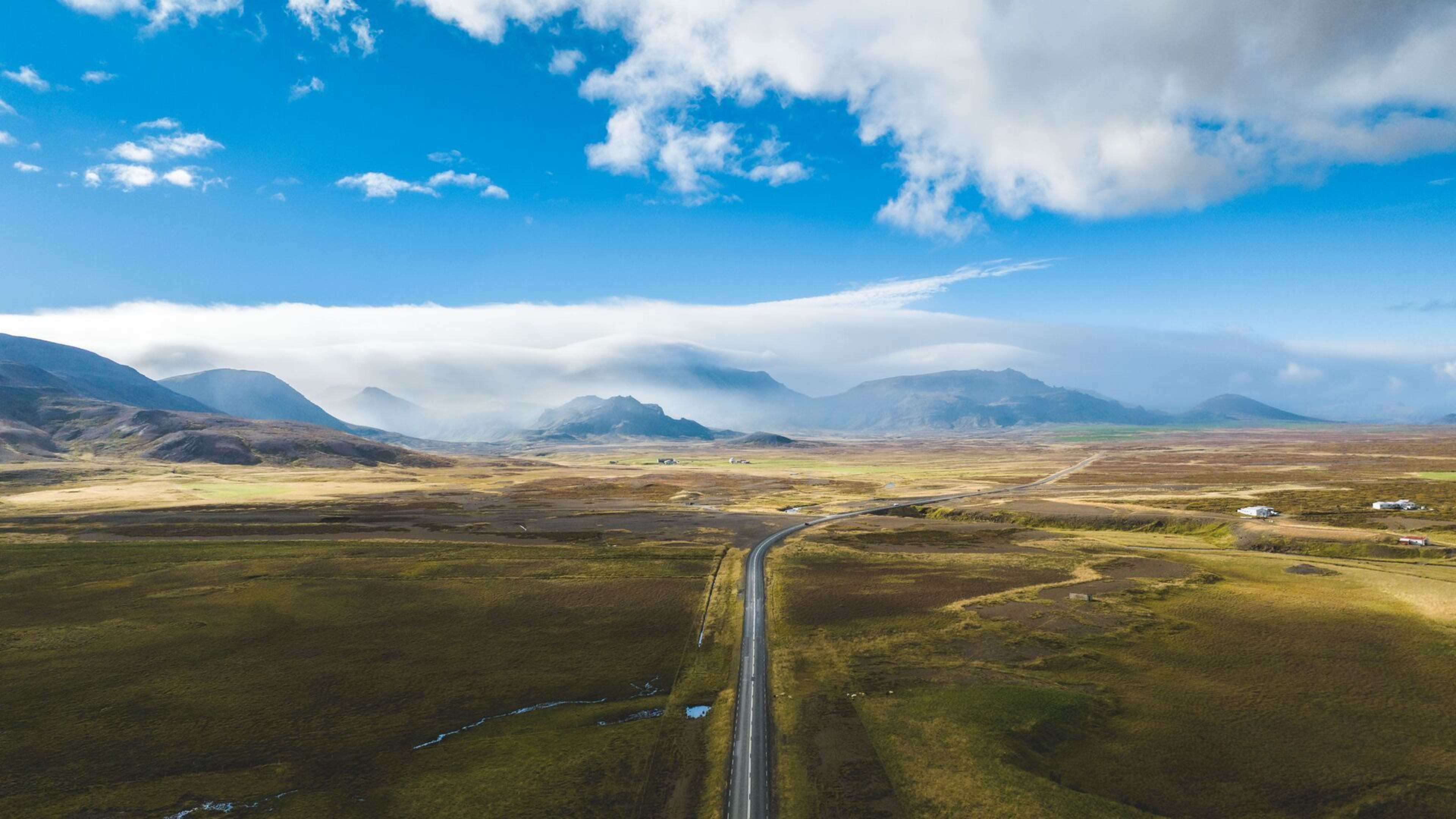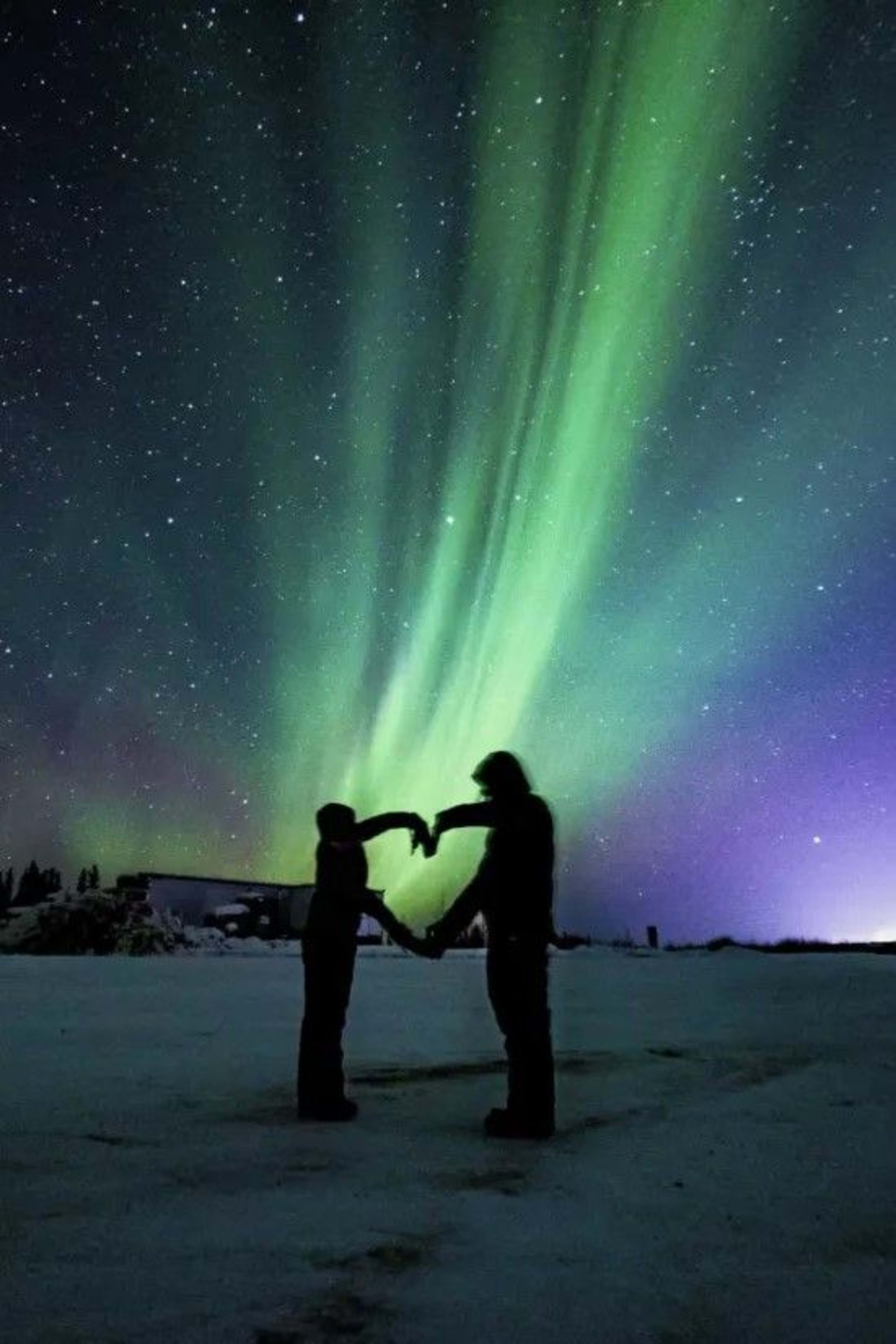
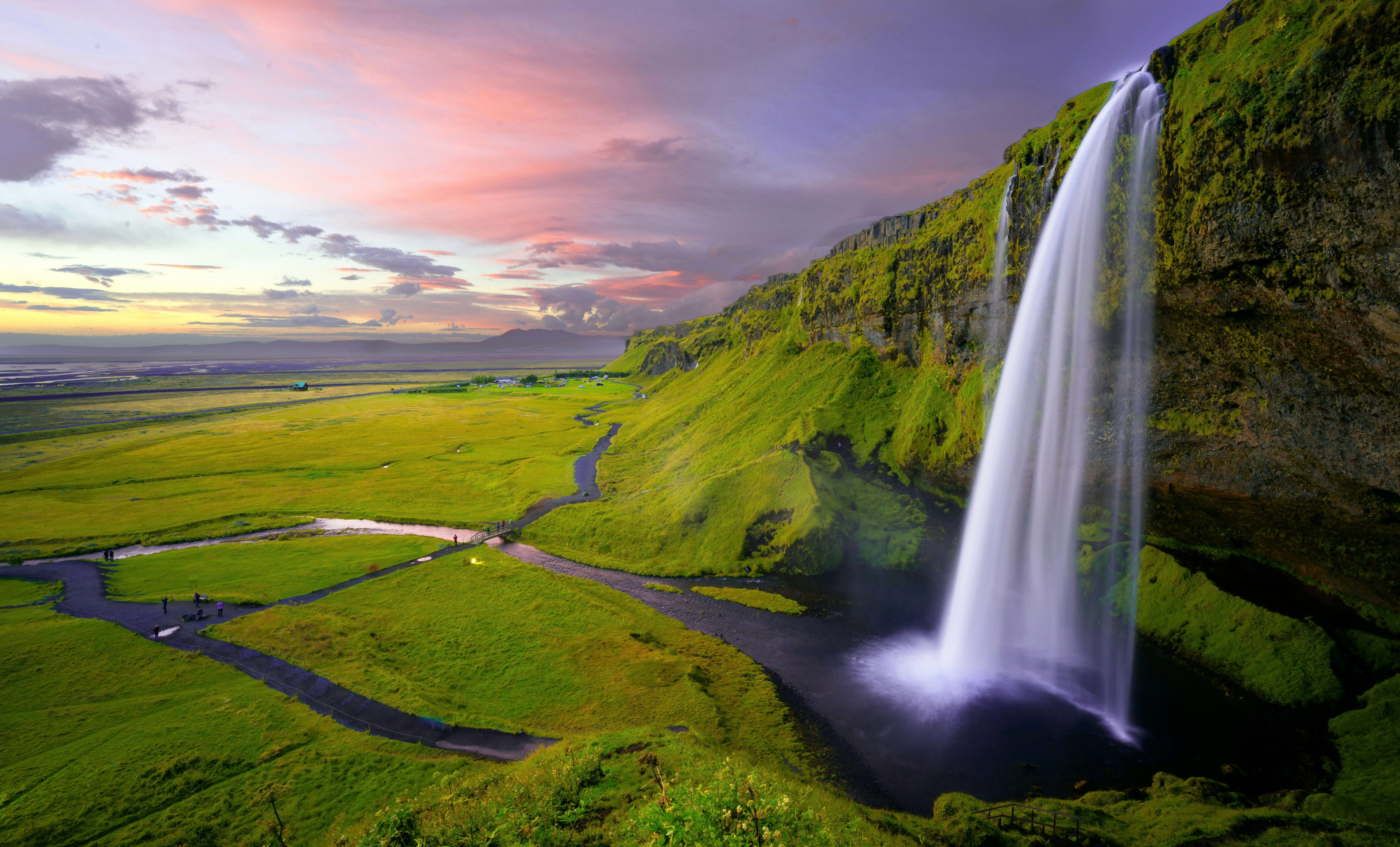
Located in the far north, Iceland boasts not only an extreme geographical location and climate, but also a wealth of incredible and contrasting phenomena. This land of ice and fire features ancient glaciers and glacial lagoons, as well as bubbling natural hot springs and fiery red lava flows. The midnight sun in summer and the endless darkness of winter are also part of Iceland's dramatic contrasts. As the Nordic country closest to the Arctic Circle, Iceland's daylight hours defy conventional wisdom. Summers are perfect for whale and bird watching, while winters offer opportunities to chase the Northern Lights. Long days and nights coexist in this country, making it a magical compass guiding travelers to the best times for adventure. Before traveling to Iceland, ask yourself: are you a day-lover or a night-lover?
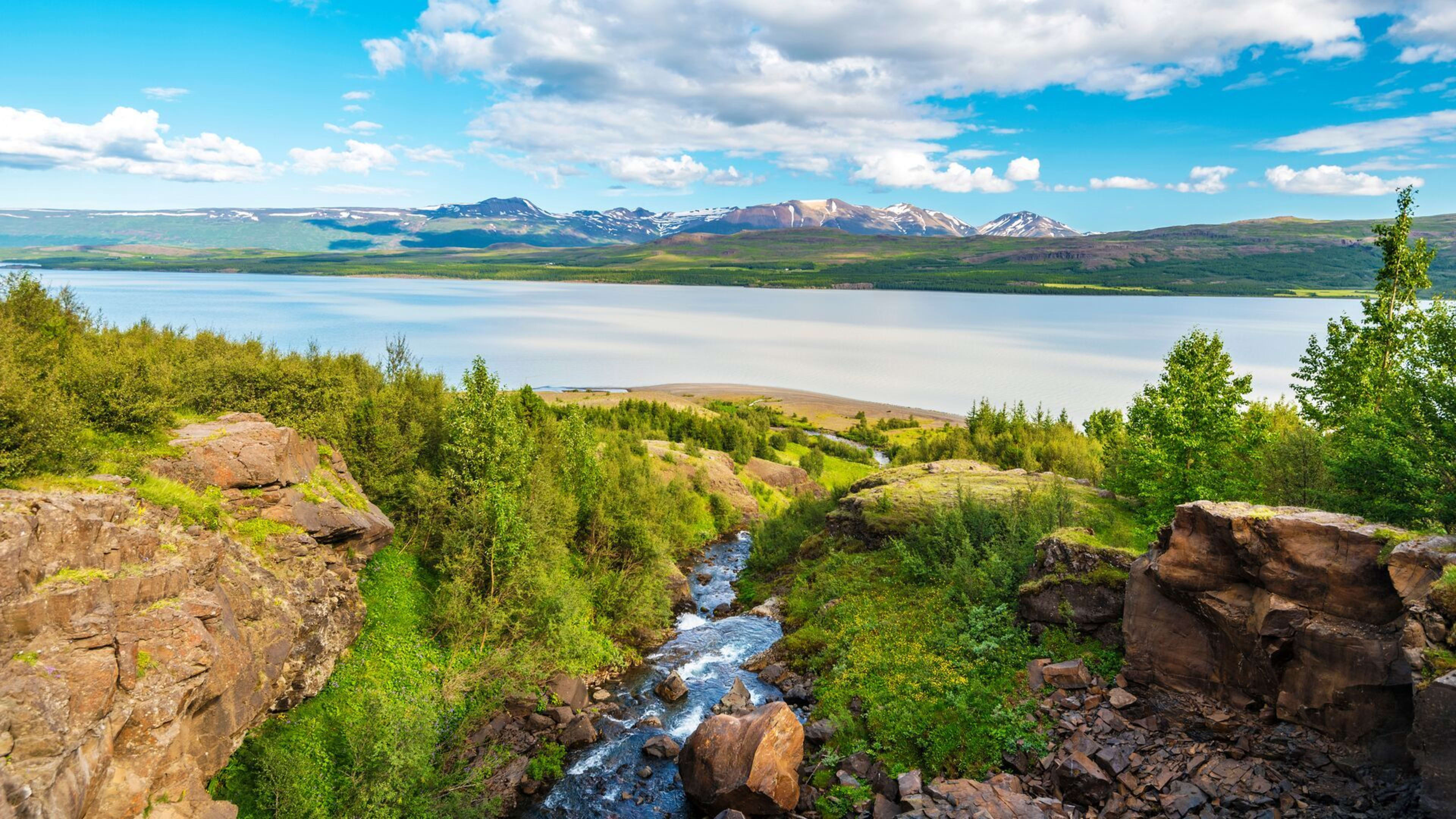
In summer, this country at the edge of the world enjoys almost constant sunshine and endless days. Imagine how long hours of sunshine in Iceland during the summer is a super boost to your travels! At this time of year, the sun relentlessly illuminates the earth, allowing you to explore Iceland's endless natural wonders, admire the midnight glow at waterfalls to add a unique, dreamy halo to your selfies, conquer crater lakes that resemble sapphires set in the earth, or simply savor the flavorful "Icelandic ice cream" on a glacier, tirelessly heading towards the next morning.
Related Itineraries: 7-Day Iceland Summer Self-Drive Tour: South Coast Scenery & Snæfellsnes Peninsula ; 10-Day 9-Night In-Depth Iceland Summer Self-Drive Tour: Blue Lagoon & Snæfellsnes Peninsula

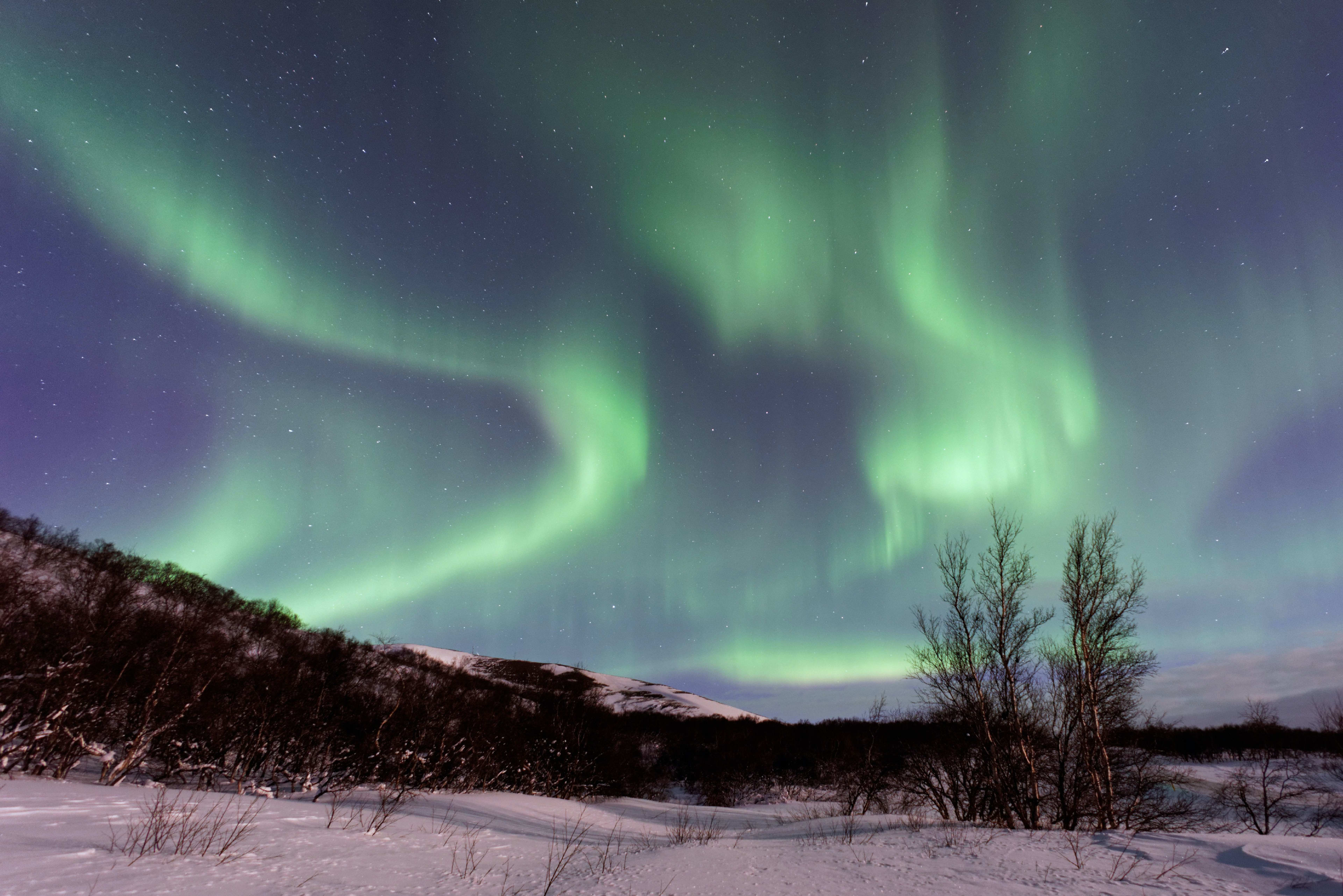
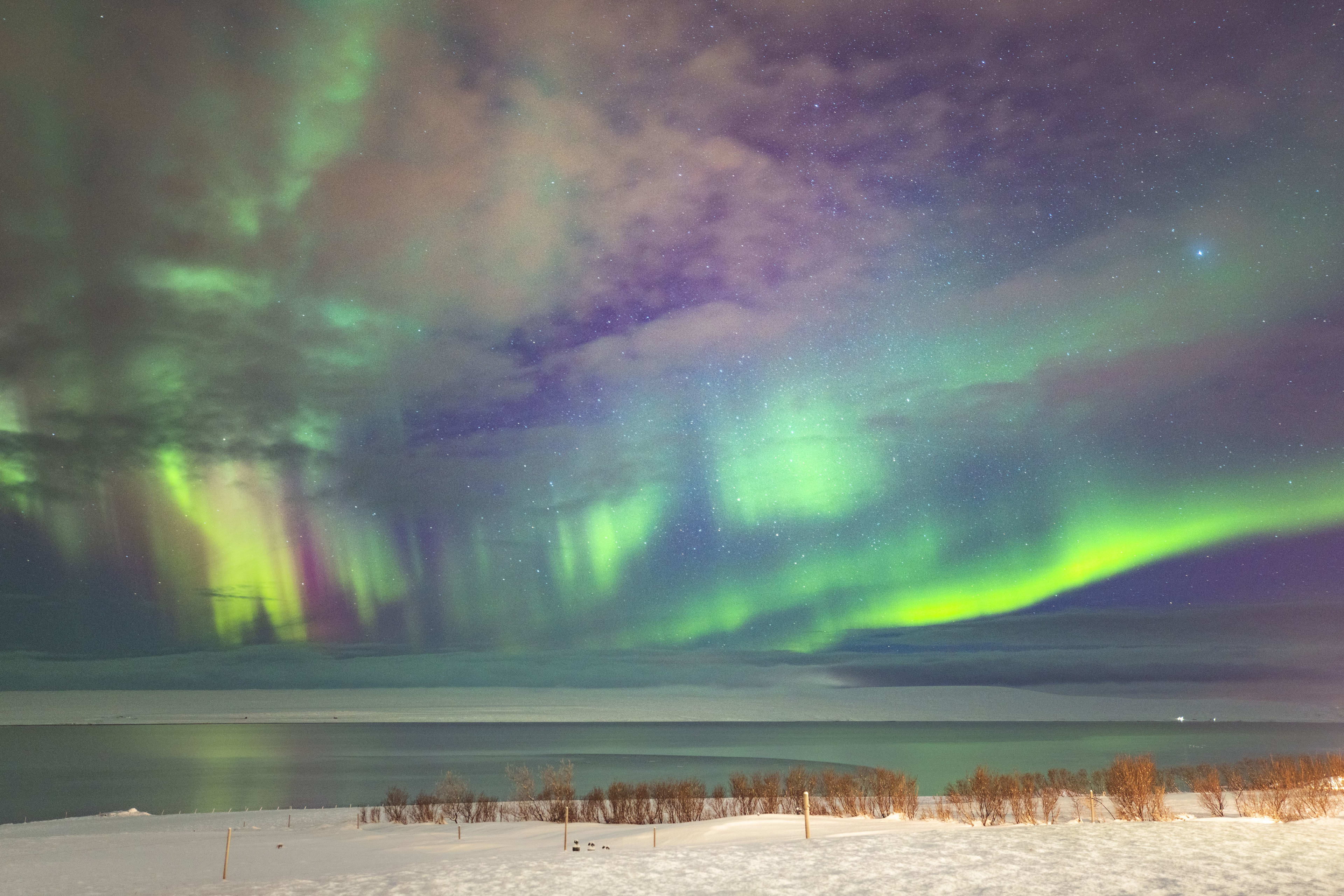
In contrast, during winter, Iceland is mostly shrouded in darkness, covered in snow, with the sun only surfacing for 3-5 hours a day before retreating, offering only a brief respite from its warmth. Under the veil of night, the aurora borealis dances in the sky in shades of green, pink, and purple, a dreamlike spectacle. Sharing your "Aurora Hunter" achievements on social media at this time is sure to cause a stir among your friends.
Related Itineraries: 6-Day Iceland Winter Tour: Sky Lagoon Spa & Snæfellsnes ; 7-Day Iceland Winter Selection Tour: Blue Ice Cave Exploration & Snæfellsnes Peninsula

So, what are the daylight hours like in Iceland for each month of the year? The following article will reveal all.
Sunlight levels in Iceland by month
When traveling to Iceland, the seasons are often divided into summer (April-October) and winter (November-March), depending on the temperature and whether various attractions and tourist activities are open.
January is one of the coldest months in Iceland, with the least sunshine, often only 4-5 hours. From February to April, Iceland's weather is unpredictable, with frequent rain, snow, freezing rain, and light snow. In February, Iceland's sunshine hours gradually increase to 8 hours. By March, as the snow melts and sunshine increases, the weather begins to return to normal, with sunshine hours gradually increasing to about 10-13 hours. The arrival of April officially marks the end of winter, with Iceland experiencing over 14 hours of sunshine daily. In May, spring begins, a time of blooming flowers and migratory birds. Some tourists prefer to travel to Iceland this month to avoid the crowds and noise, experiencing a quieter and milder Iceland. By late May, Iceland is beginning to show early signs of summer. Wildlife roams the jungle, the snow has almost completely melted, and wildflowers bloom, creating a vibrant scene in the mountains and fields. At this time, sunshine hours reach over 18 hours, with bright sunshine throughout the day.

June marks the arrival of Iceland's longest month, with over 21 hours of daylight per day. This makes June the peak tourist season in Iceland, attracting countless travelers, hikers, campers, and adventurers every year. In June, you'll witness Iceland's magical midnight sun phenomenon, meaning you'll be bathed in sunlight almost all day long.
As we move into the second half of the year, although July is one of the hottest months in Iceland, the sunshine begins to decrease. Sunshine or daylight lasts only about 18 hours a day, decreasing further towards the end of the month. In August, the daylight hours in Iceland drop from nearly 18 hours to about 15 hours. Despite the beginning of signs of autumn, this month still attracts many tourists with its vibrant scenery and mild, warm weather.
September sees approximately 12 to 14 hours of sunshine, marking the end of summer. By the end of the month, the sunshine hours shorten rapidly, and by October, the most noticeable weather change is the gradual onset of strong winds, with daily sunshine hours not exceeding 10 hours, signaling the arrival of winter in Iceland, sometimes accompanied by heavy rain and strong winds.
November marks the beginning of winter, with daylight hours decreasing to only 7 to 8 hours. For travel afterward, the limited sunshine, chilly nights with temperatures below freezing, and the possibility of snow make outdoor activities difficult, making long-distance hiking unsuitable.
December is the darkest month of the year, with only 4-5 hours of daylight per day. It also marks the winter solstice, the shortest day of the year. This month you will experience what it means to have endless, dark nights.
Visiting Iceland in winter can be challenging due to extreme weather conditions like snow and ice, as well as shorter daylight hours. Knowing some essential tips for winter travel in Iceland can provide valuable insights, helping you understand travel safety and enjoy your trip with greater peace of mind!
Having a general understanding of the daylight hours for each month, you should consider the impact of the season on daylight hours when planning your trip to Iceland, and choose the appropriate month to visit based on your interests and preferences. If you enjoy experiencing Iceland's winter snowscapes and spectacular aurora borealis during relatively short days, then winter might be a good choice. If you prefer longer days and more opportunities for outdoor activities, then summer might be more suitable for you.
Iceland's summer sunshine conditions
In summer, Iceland experiences a phenomenon known as the "Midnight Sun," a natural occurrence due to its proximity to the Arctic Circle. Iceland is one of the northernmost countries on Earth, situated at the furthest latitude, which determines its time zone (UTC+00:00). Additionally, the Earth rotates on a tilted axis, resulting in the sun remaining above the horizon for an extended period, sometimes not even setting completely. This means exceptionally long days, perfect for exploring canyons to witness Iceland's natural wonders or leisurely discovering off-the-beaten-path attractions. If you were to ask an adventurous traveler which season in Iceland they like best, most would answer summer.

Activities and experiences to participate in during the summer in Iceland
As mentioned earlier, from late May to early August, the sun rarely sets completely, giving Iceland over 20 hours of daylight during this period. If you want to stroll through verdant wilderness, hike through colorful highland valleys, take a boat trip on a glacial lagoon, and immerse yourself in the breathtaking scenery of massive glaciers, then you must visit Iceland in the summer! The long days and magical midnight sun will allow you to experience Iceland's summer wonders to the fullest.
Summer in Iceland offers a variety of experiences and activities, from thrilling and adventurous hikes and midnight picnics to deep-sea fishing, whale watching, and bird watching. Explore Iceland's breathtaking landscapes at your own pace, without worrying about darkness. Instead, the sun will witness your adventure.
1. Hiking and camping
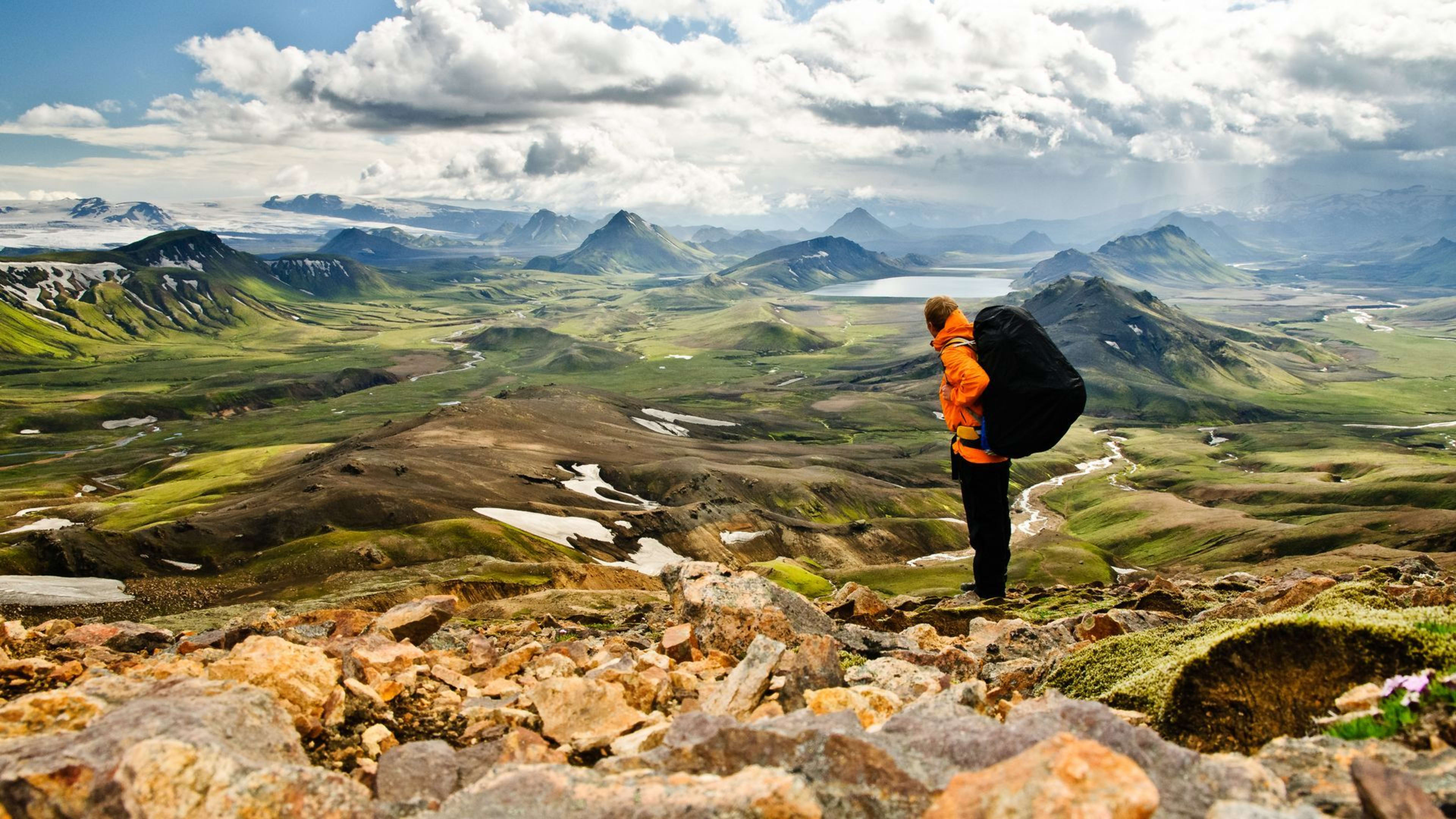
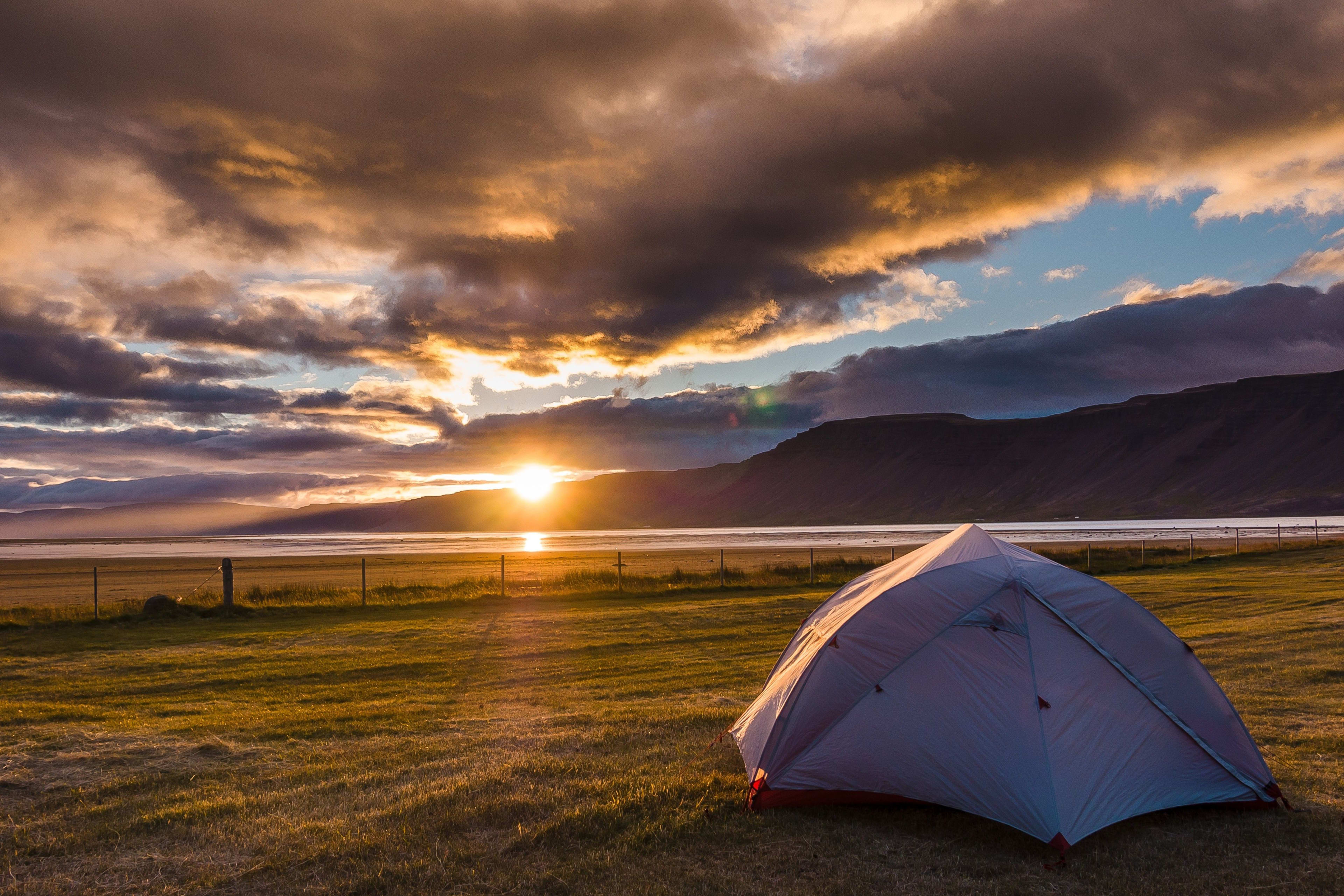
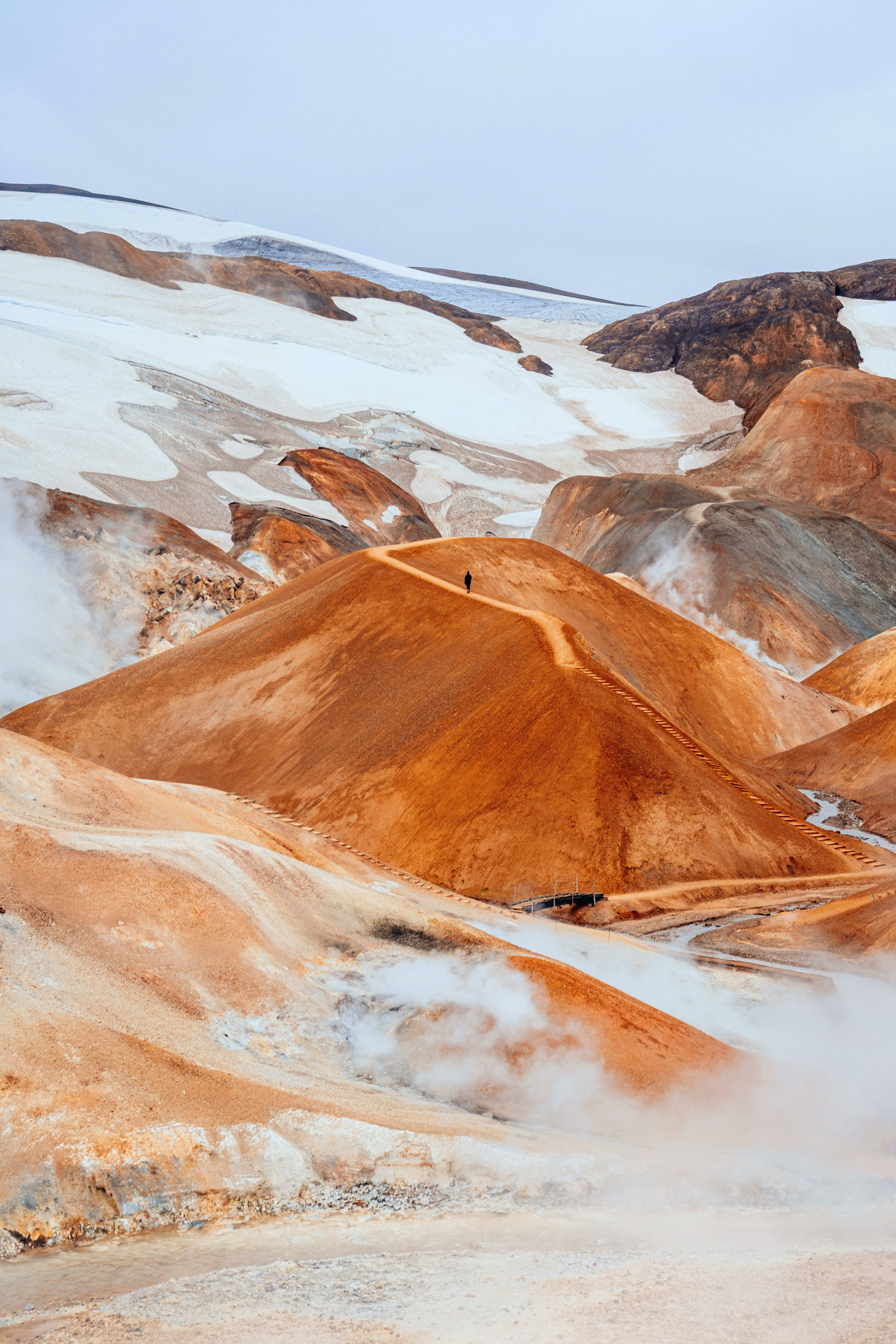
Popular hiking routes include Hornstrandir Nature Reserve , Esja, and Landmannalaugar . Hiking and camping in the colorful geothermal valleys of the Icelandic highlands will create unforgettable memories. Besides being incredibly fun and allowing you to immerse yourself directly in Iceland's pristine nature, camping can significantly reduce accommodation costs and save on your budget. If you choose to drive to Landmannalaugar, please note that the Icelandic Environment Agency has updated its policy, requiring you to book parking in advance. Alternatively, you can opt for a guided day tour to the enchanting, colorful valleys.
Related itinerary:


2. Take a soak in Iceland's hot springs.
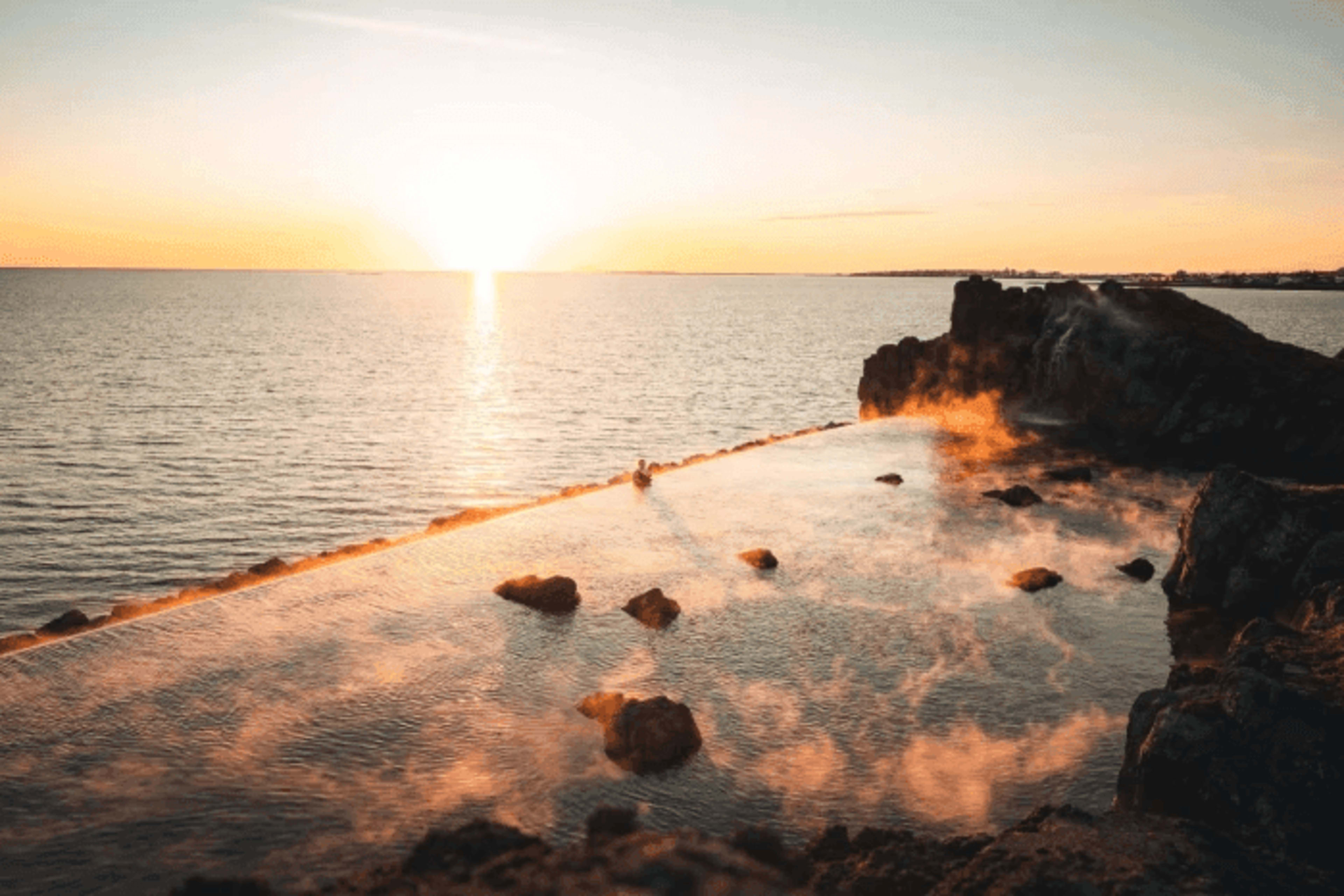
Iceland boasts countless hot springs. Besides the famous Blue Lagoon , the entire island offers hot springs of varying styles and scenery, from the Sky Lagoon in the capital to Hvammsvík in Whalefjord , Vök Baths in the east , Forest Lagoon in the north , and the Beer Spa in the north . Each hot spring allows you to immerse yourself in the local culture and experience the true Icelandic spa culture.

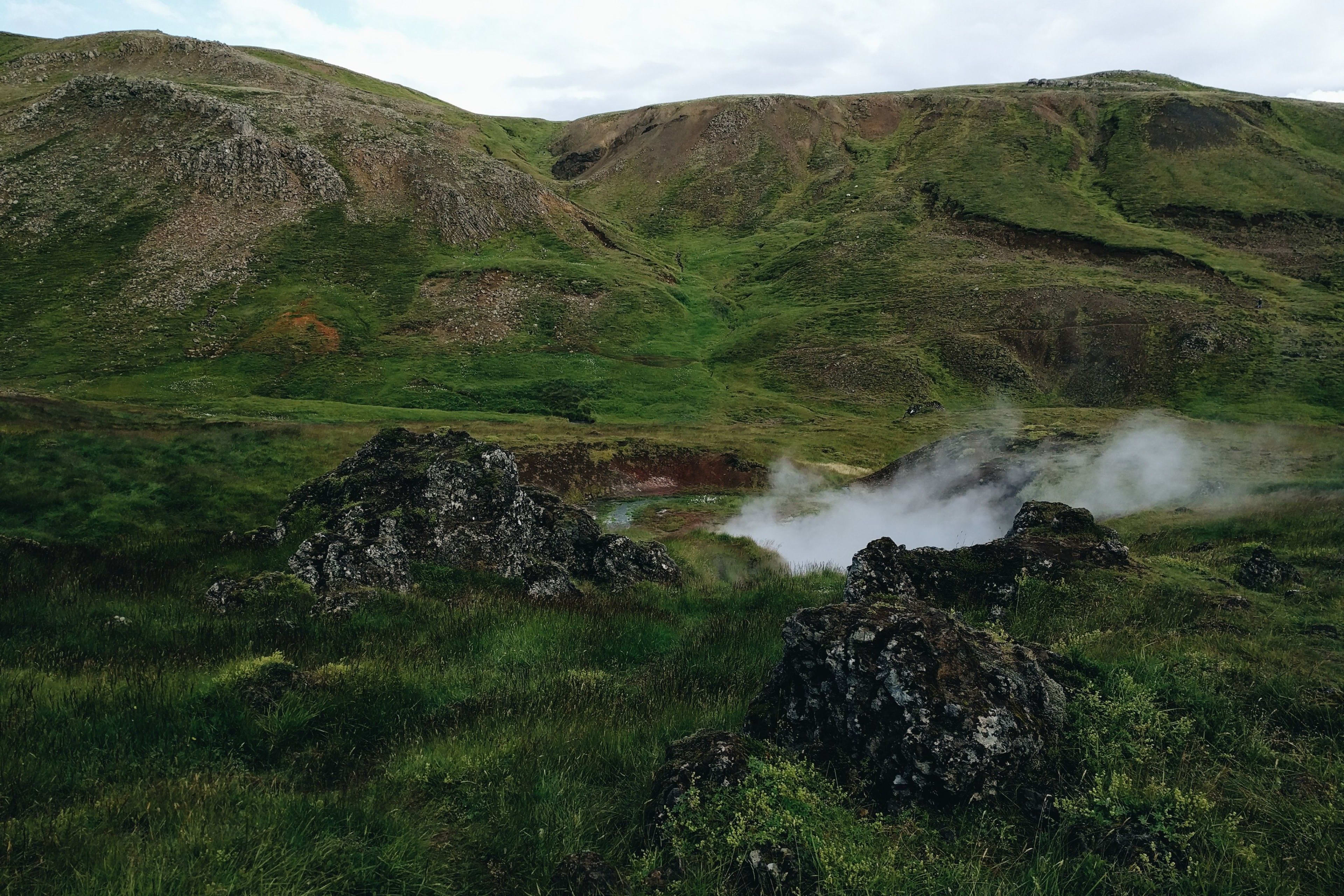
Of course, if you're not limited to dedicated hot spring facilities, Iceland has many wild hot springs waiting to be explored! The wild hot springs in the Landmannalar Highlands or Reykjadalur Valley in southern Iceland offer a unique experience. Imagine breathing in the fresh air and feeling the pulse of the geothermal heat; the misty atmosphere, filled with the joy of nature, will surely make you forget everything else.

Tired of deciding which hot spring to choose? Why not check out our other hot spring introduction: Iceland's most worthwhile hot springs – find your perfect choice!
3. Whale and bird watching trips at sea
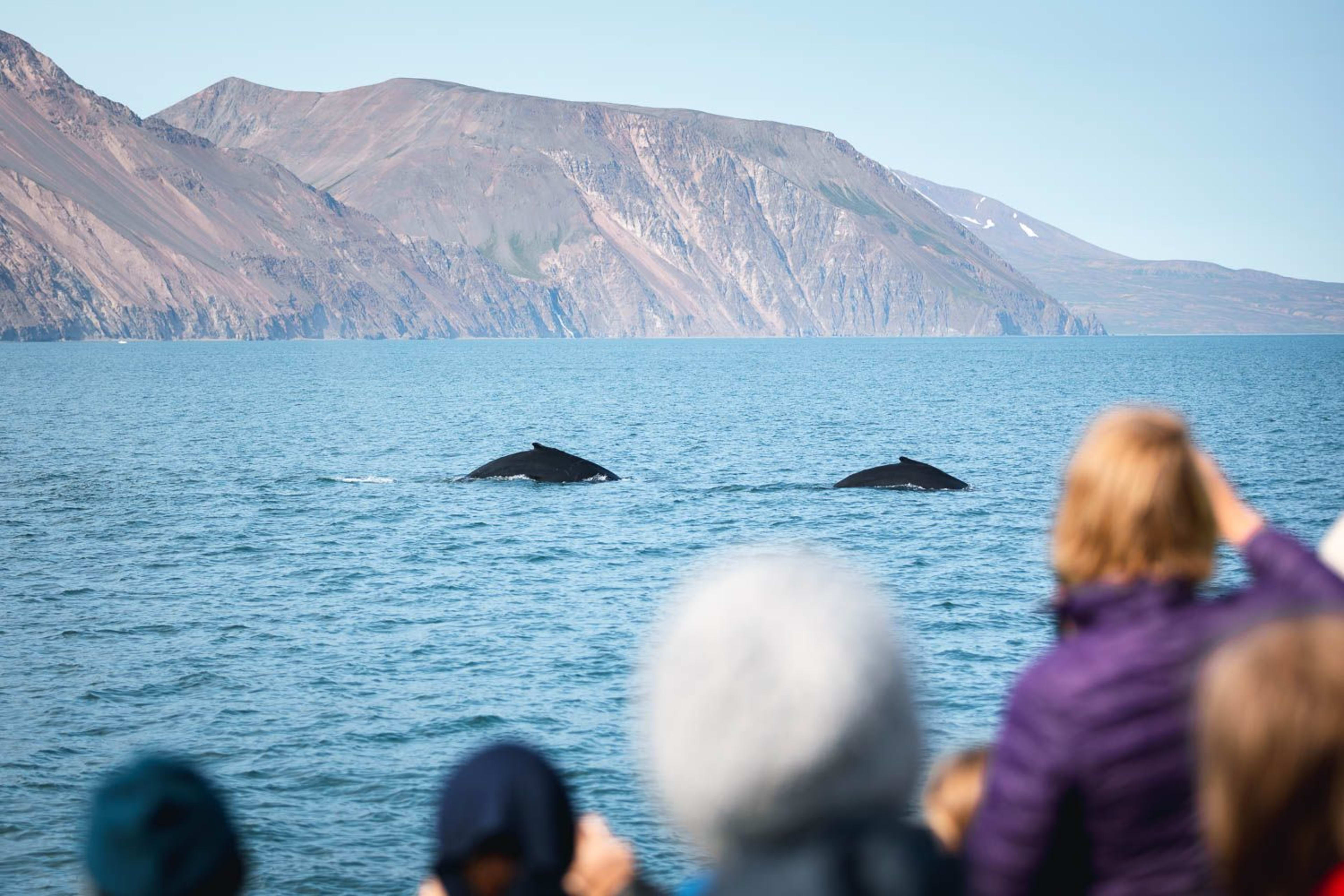
Summer in Iceland is arguably the best time to sail and chase the mysterious and captivating marine life—whales—and it's also the breeding season for Icelandic puffins and puffins. Even if you're not lucky enough to spot whales under the midnight sun, watching the sunset over the sea will be unforgettable. The sun's afterglow spills across the shimmering sea like a golden ribbon, sparkling softly. As it slowly approaches the horizon, the sky begins to change colors, gradually transitioning from warm oranges and golds to soft pinks and purples, offering a unique sense of tranquility. Forest Cat Travel also offers classic whale watching tours in Reykjavik and Húsavík . Are you ready to brush shoulders with whales and let your heart beat in sync with the ocean?

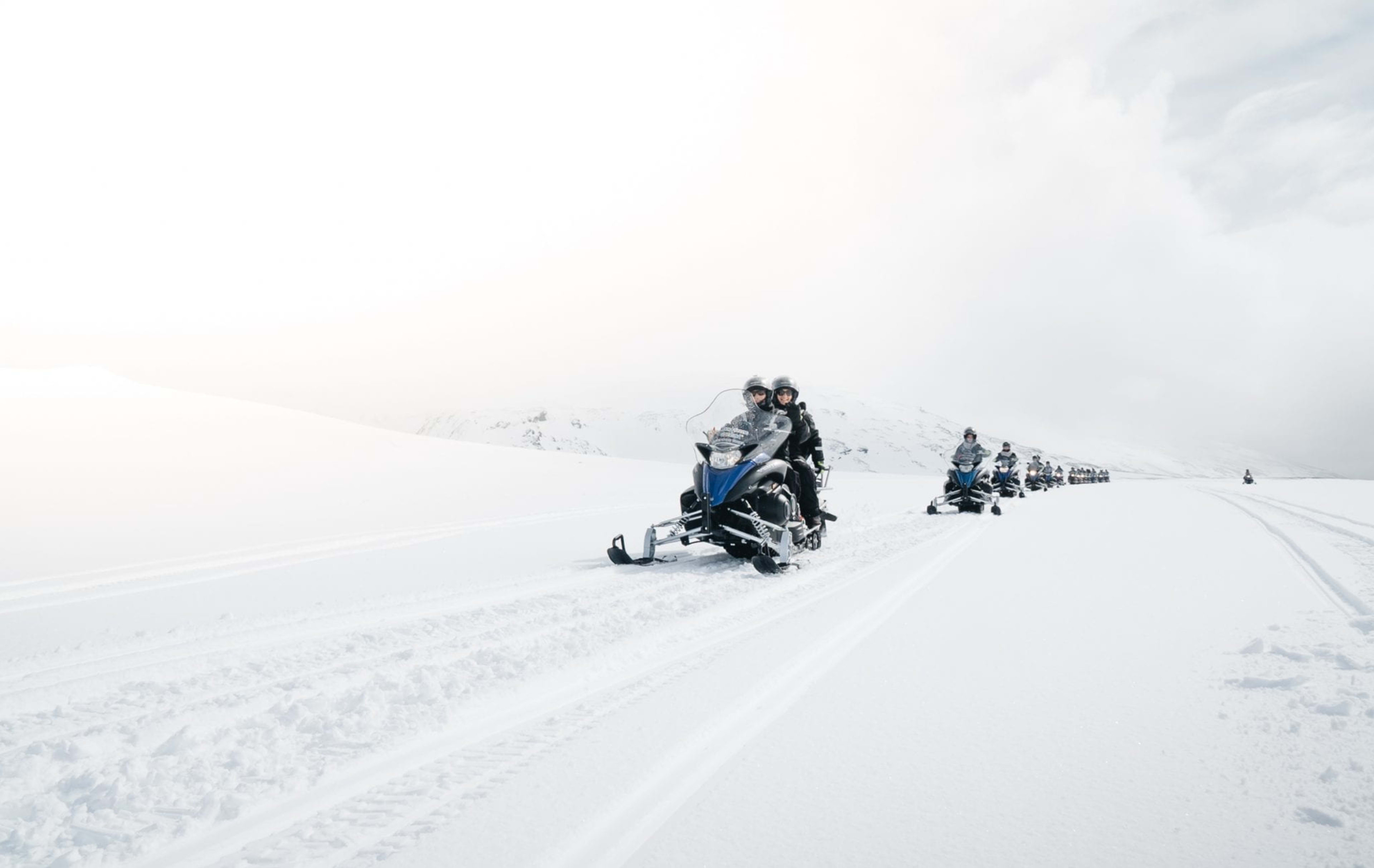
If you prefer adventure, why not hop on a snowmobile and traverse the endless ice plains to truly experience the "Kingdom of Ice"?

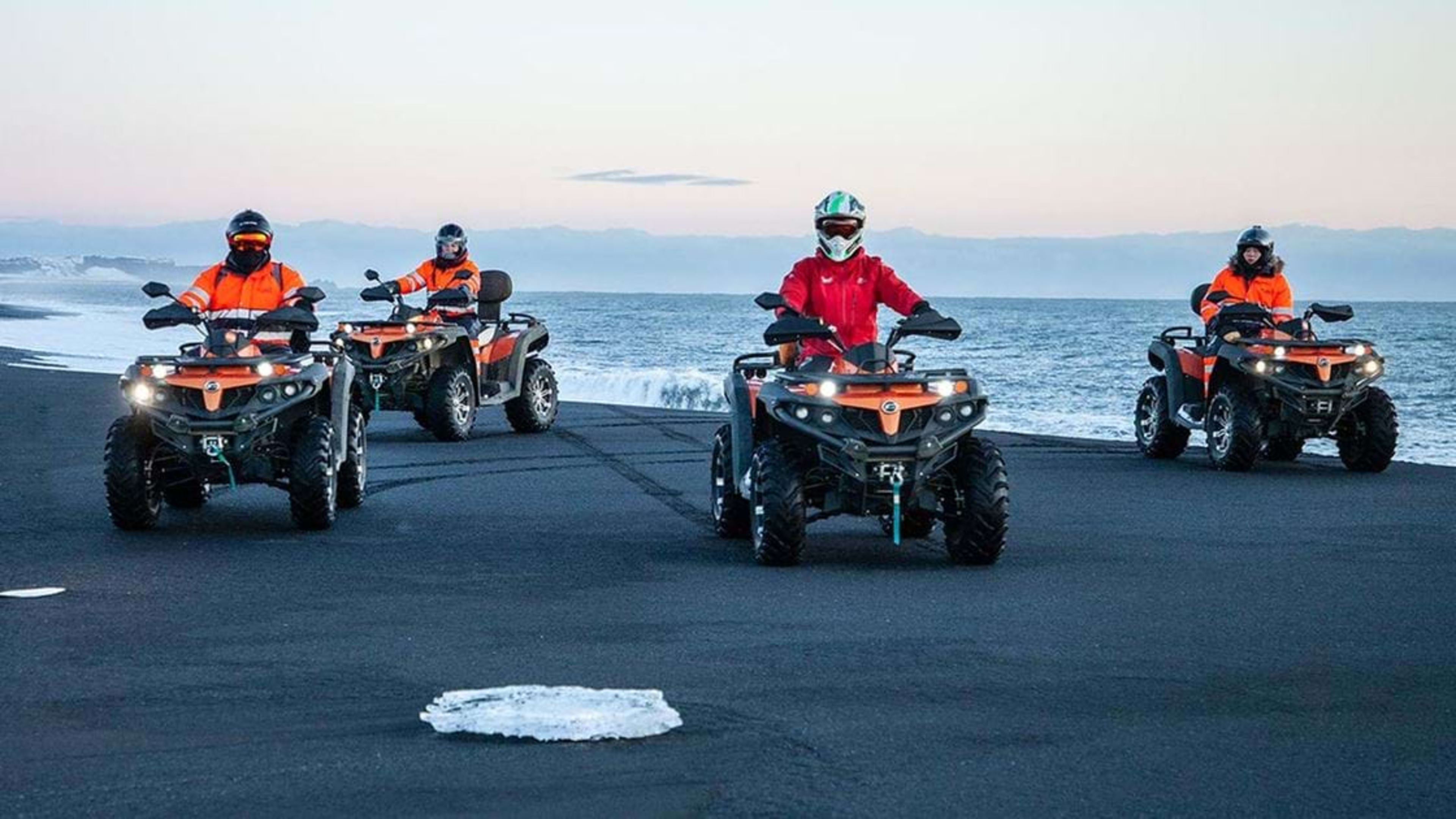
Alternatively, you can take an off-road vehicle or ATV tour to conquer the Icelandic wilderness;

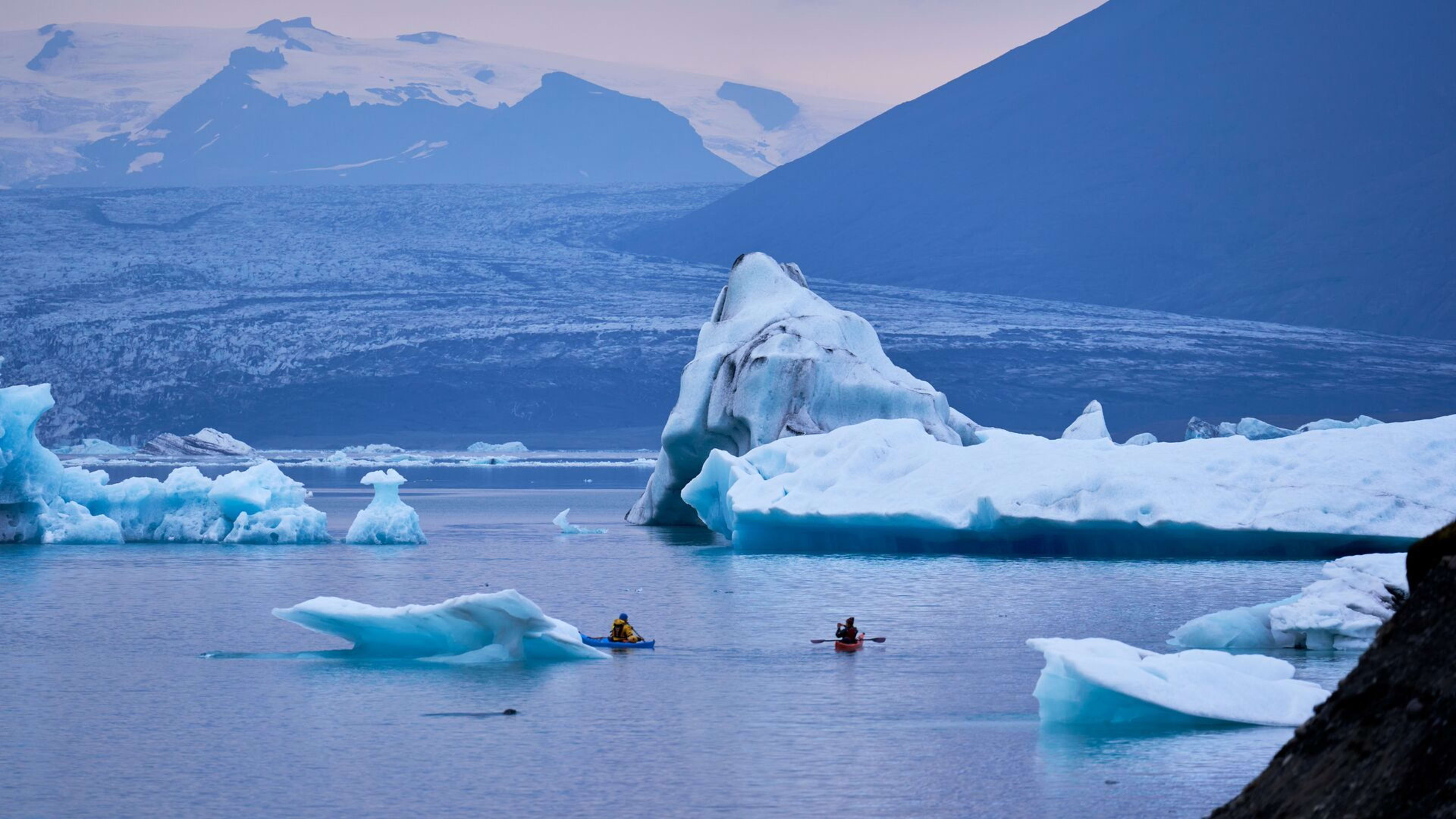
If you prefer a more leisurely and carefree experience, then kayaking across the calm waters of the fjord, enjoying the beautiful scenery and the gentle flow of the water, will bring you boundless tranquility.

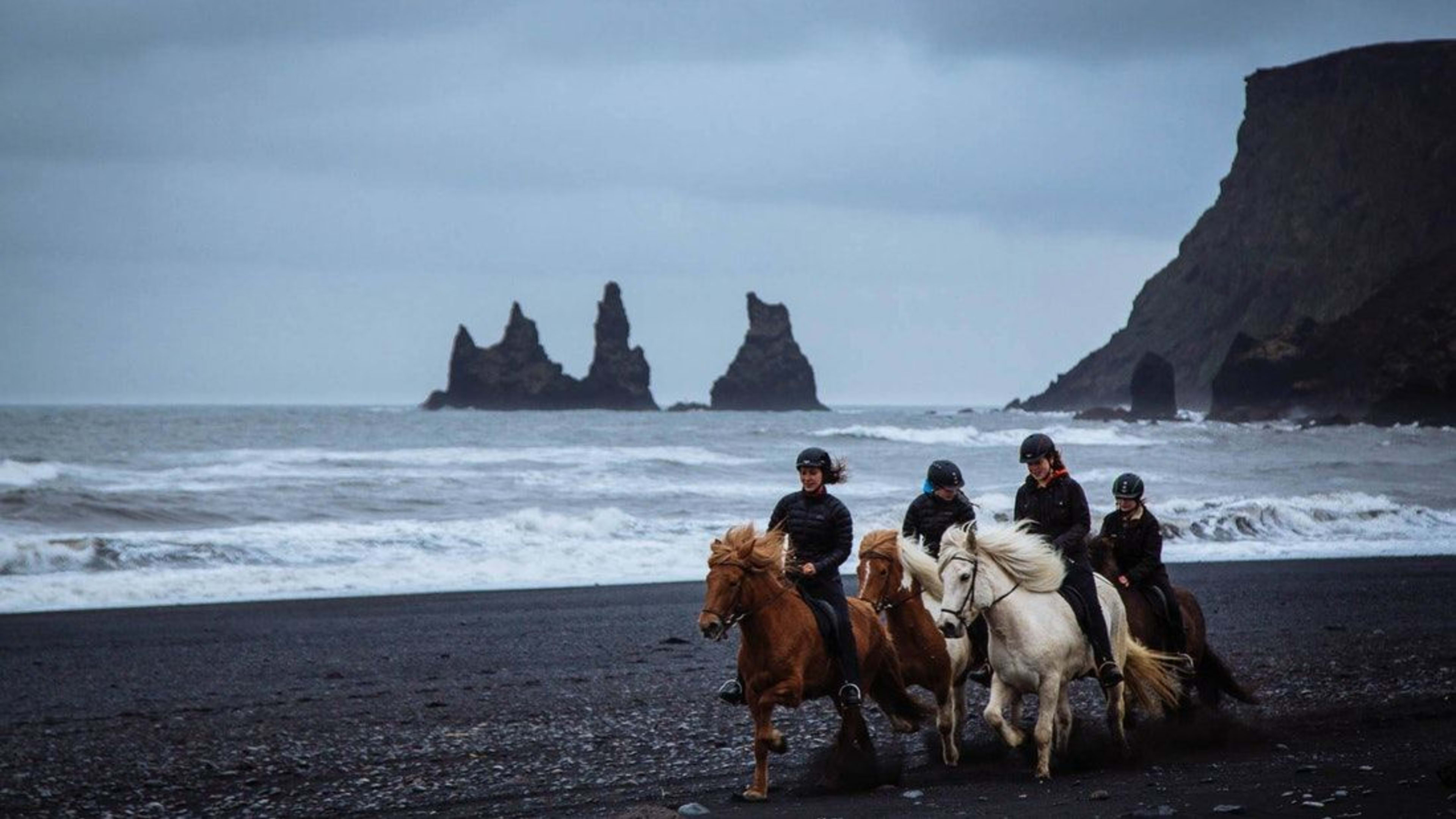
On the black sand beach, ride the legendary Icelandic horse and let the adorable ponies carry you to enjoy the Atlantic scenery, allowing you to travel through Iceland in a relaxed and carefree manner.

Bathed in the brilliant colors of the midnight sun, all activities took on an even more romantic and beautiful atmosphere.
Related itineraries: Langjökull Glacier snowmobile experience , Icelandic black sand beach ATV riding experience , Jökulsárlón glacial lagoon kayaking experience , Vik | Icelandic horse riding experience
In addition to the activities mentioned above, in Iceland, the day the sun reaches its highest point is called Sumarsólstöður (summer solstice), usually falling between June 20th and 22nd. A must-see when visiting Iceland during the summer solstice is the Secret Solstice Festival . Since its inception in 2014, the festival has become incredibly popular and is considered the annual highlight of the Icelandic music scene. Held annually from June 21st to 24th, it's known for its spectacular and unique atmosphere. Attendees can enjoy performances by world-class artists and emerging musicians in Iceland's wonders: glacier tunnels and lava caves. They can dance, cheer, and applaud with people from all over the world, deeply moved by the music, nature, and the connection between people… Nothing feels more real than what's happening right now. At the festival, you might even feel your heart quietly opening up to the world.

Meanwhile, Icelanders also celebrate Midsummer Night (Jónsmessa) on June 24th. This day is named after John the Baptist. According to local folklore, this night possesses a supernatural, mystical power, and various magical events occur. Cows begin to talk, seals transform into humans at night, and spirits attempt to lure people into their world with food and gifts. Furthermore, it is believed that rolling naked in the dew-covered grass will bring health and cure all ailments, and gathering herbs on this night maximizes their medicinal effects. Is it true or not? Hearing is not as good as experiencing it firsthand – come to Iceland this time of year and experience it for yourself!
Where is a good place to watch the midnight sun?
For those who didn't grow up under the midnight sun, witnessing it is an undeniably exhilarating and magical experience! If you visit Iceland in the summer, telling your friends you're watching the sunset amidst Iceland's breathtaking scenery at 1 a.m. will surely leave them speechless—it's incredibly cool. Iceland's midnight sun attracts countless tourists in the summer. While its brilliance can be seen from most parts of Iceland, there are a few locations I highly recommend; they're absolutely worth a visit.
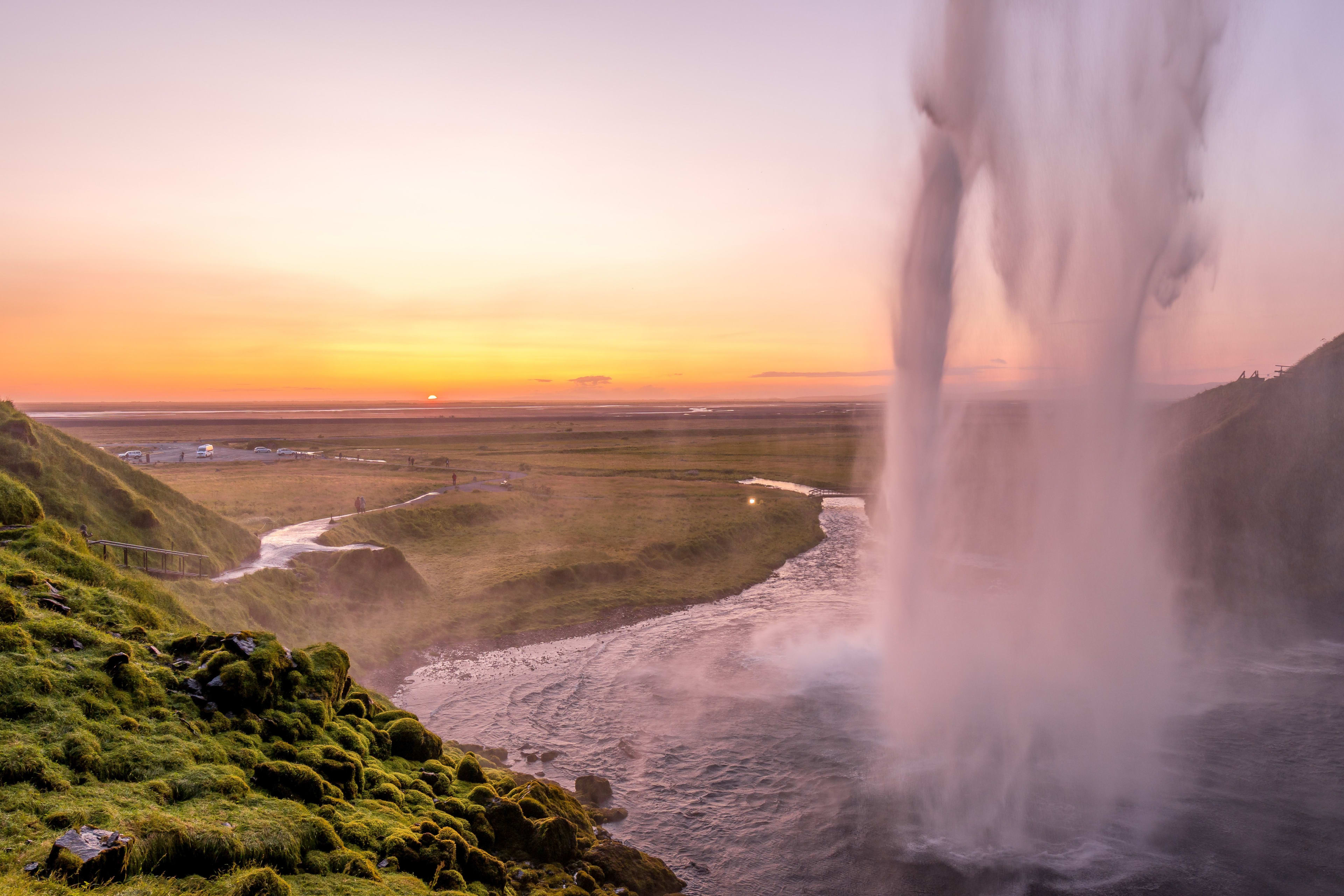
1. Seljalandsfoss
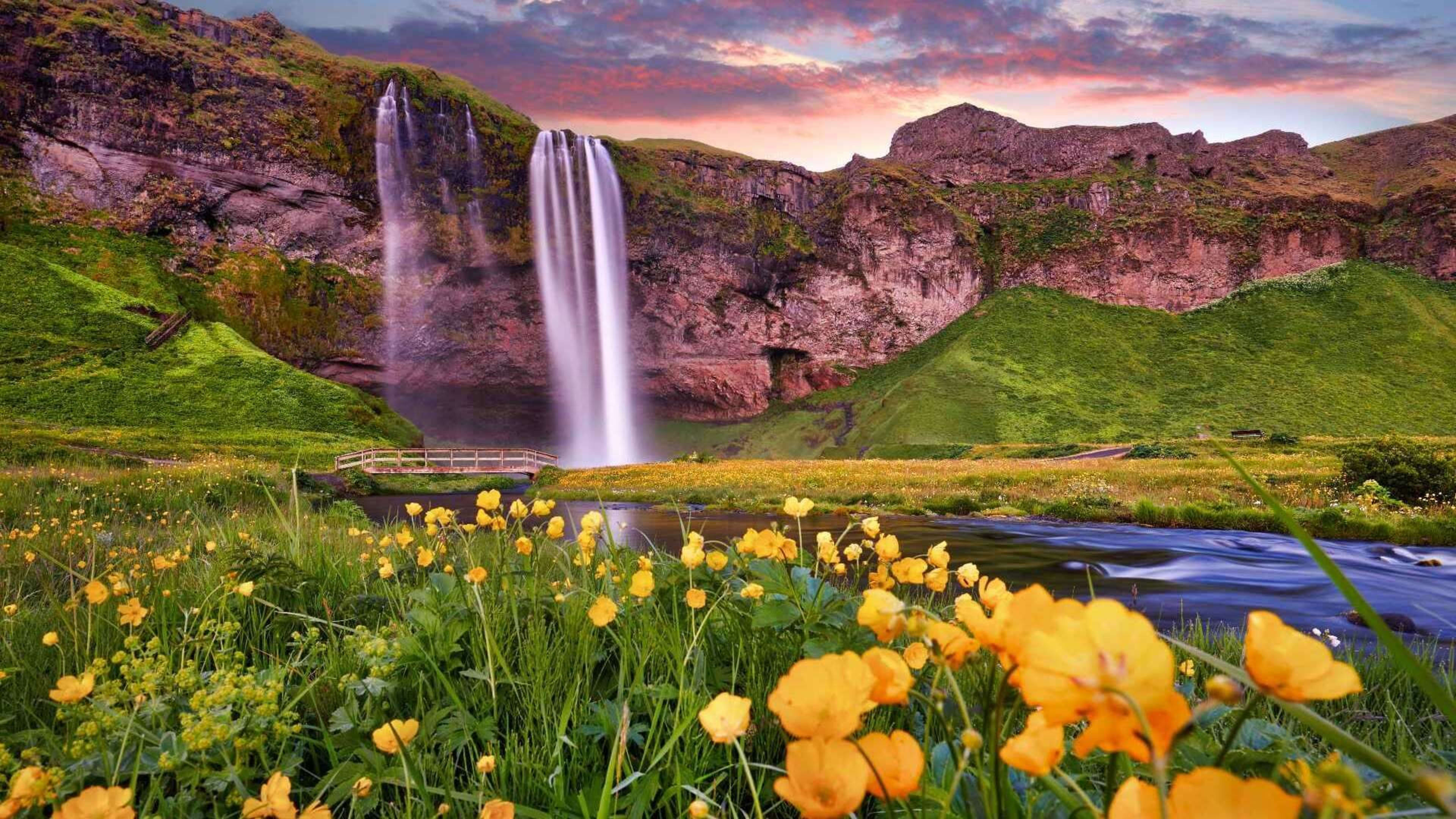
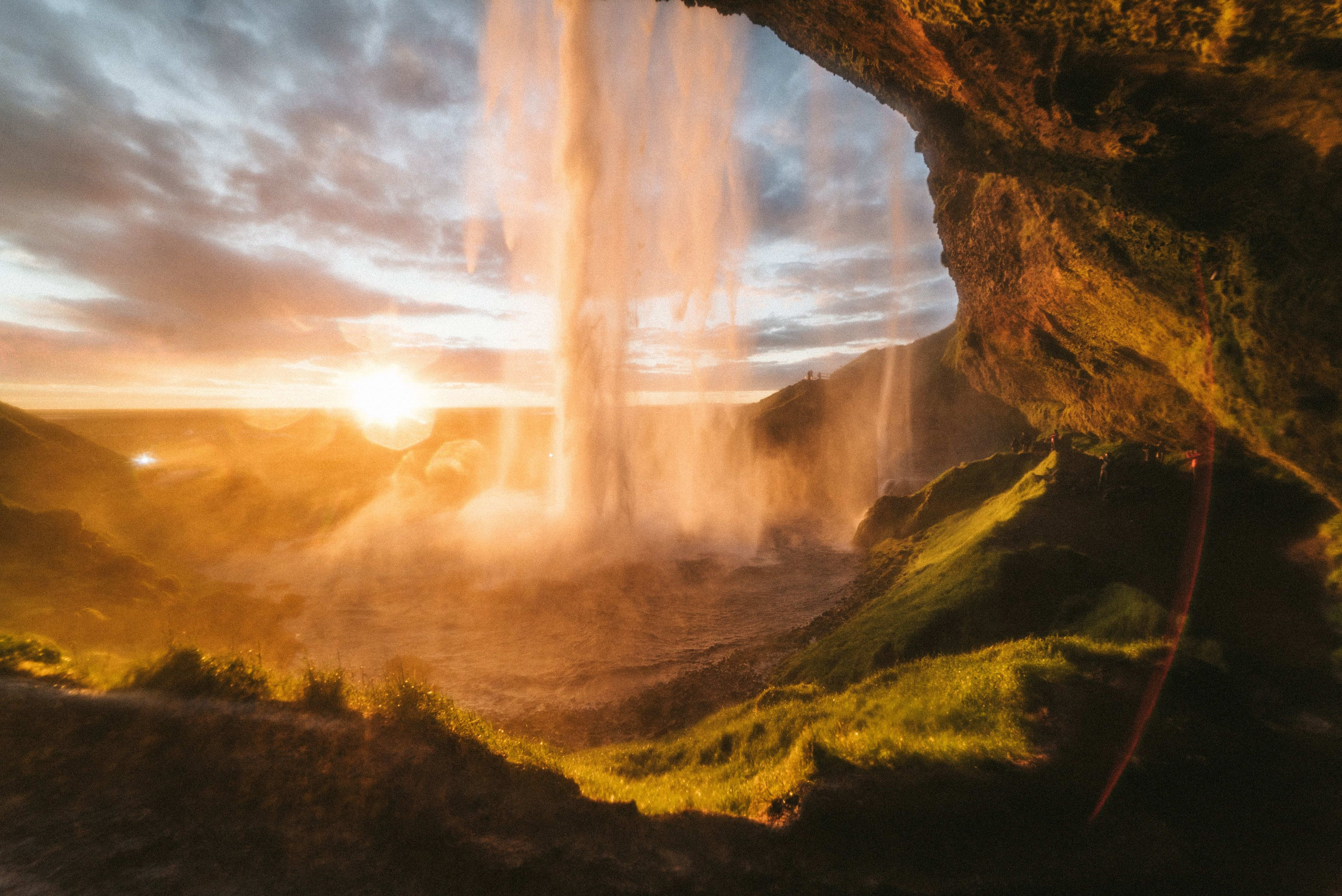
Located in southern Iceland, Seljalandsfoss is only about a 1 hour and 45 minute drive from Reykjavik. It is the only waterfall in Iceland where you can enjoy a panoramic view from behind, making it very popular with tourists. It looks especially beautiful under the midnight sun, with soft golden light shining on Seljalandsfoss and the water droplets flying like jewels.

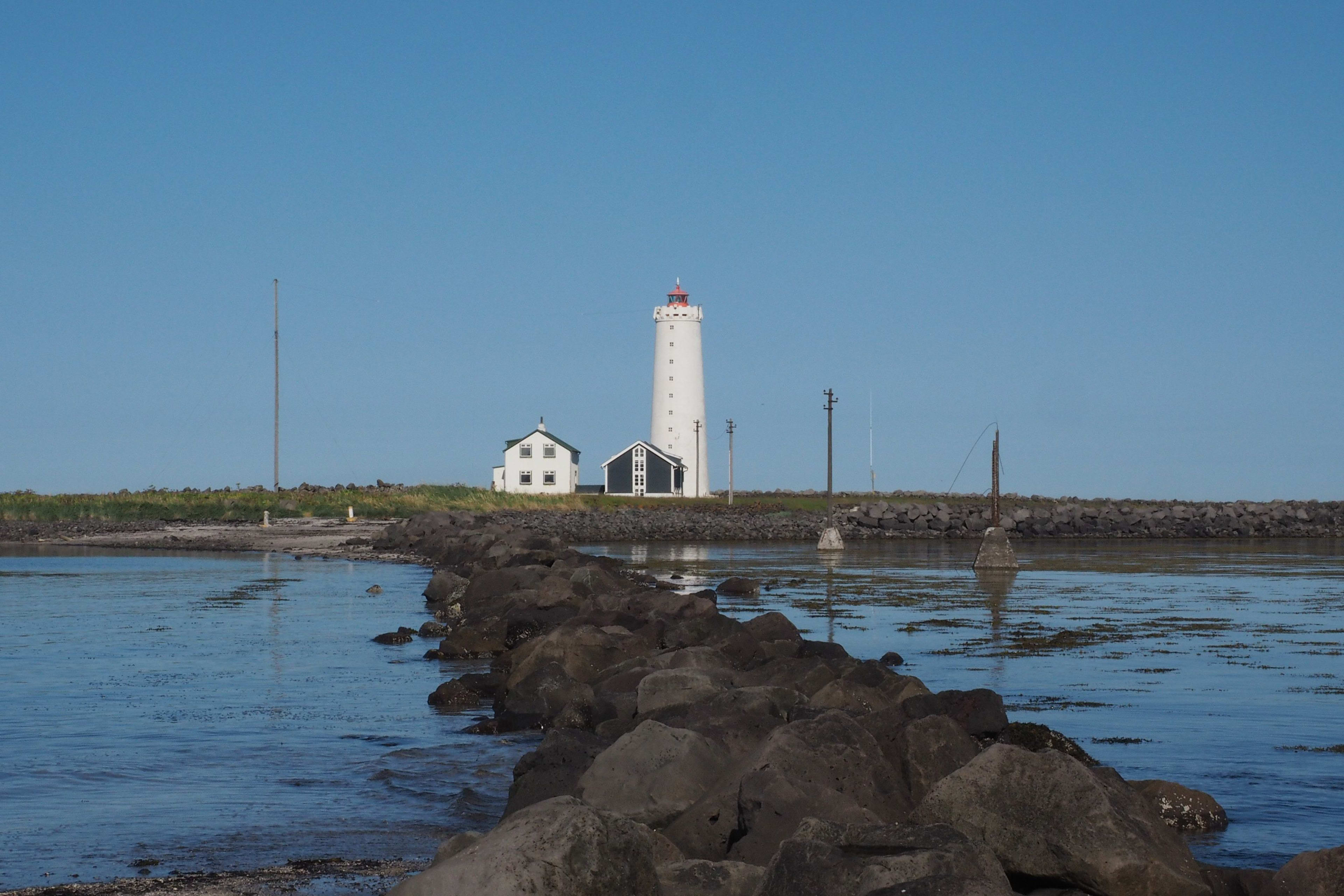
2. Grótta Lighthouse
Grótta Lighthouse, just a short drive from Reykjavik's city center, is a fantastic spot to watch the midnight sun. From here, you can enjoy spectacular views of the mountains, glaciers, and the city skyline.

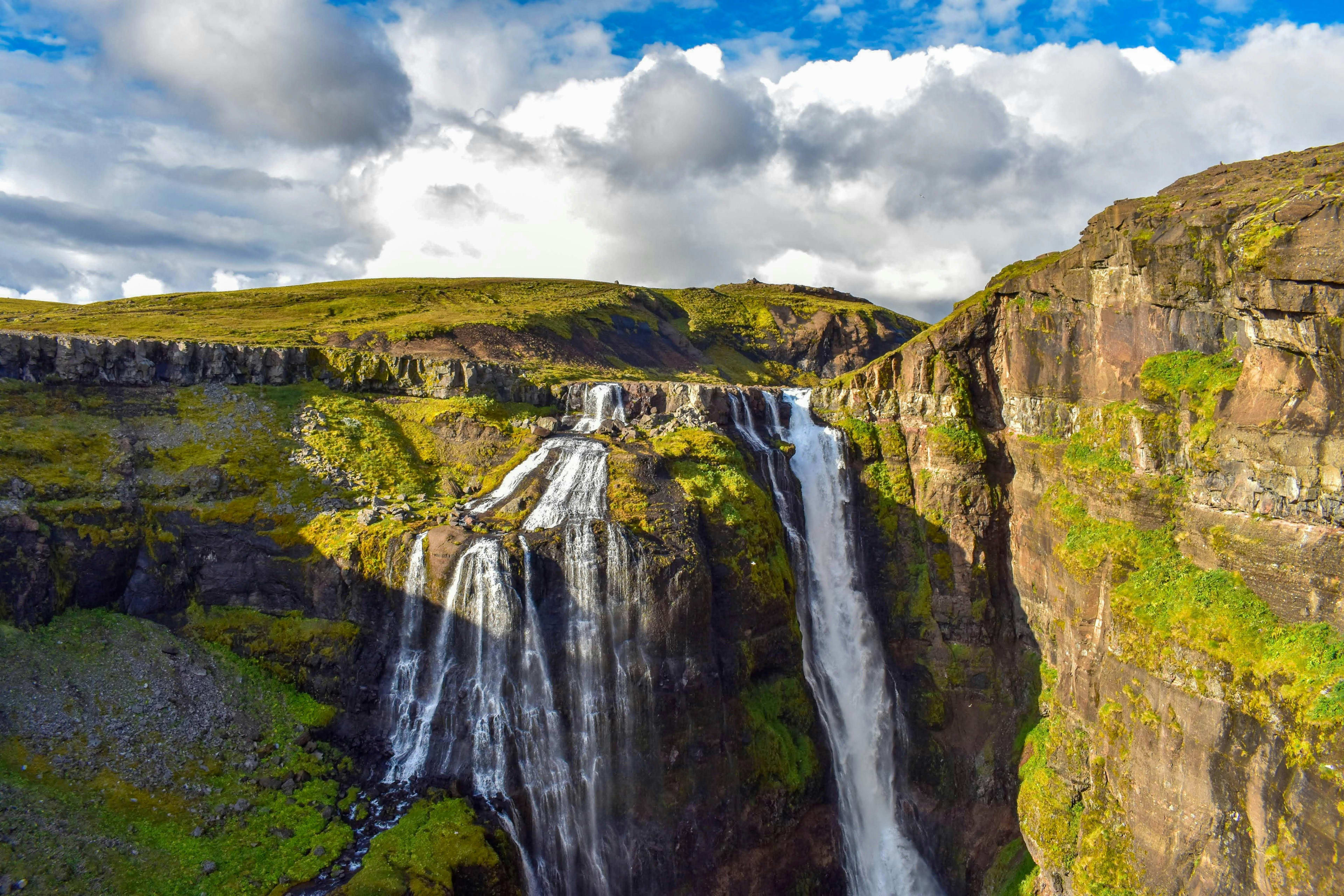
3. Glymur Waterfall
Located in Hvalfjörður, not far from Reykjavik, Glymur Waterfall is another excellent spot to experience the midnight sun. Nestled in a stunning fjord atop a beautiful mountain, it plunges 198 meters into the gorge. The higher you climb from the summit, the more breathtaking the view becomes! From the top of Glymur Waterfall, you can witness the water cascading down under the midnight sun, a truly magical spectacle.

4. Goðafoss (Waterfall of the Gods)
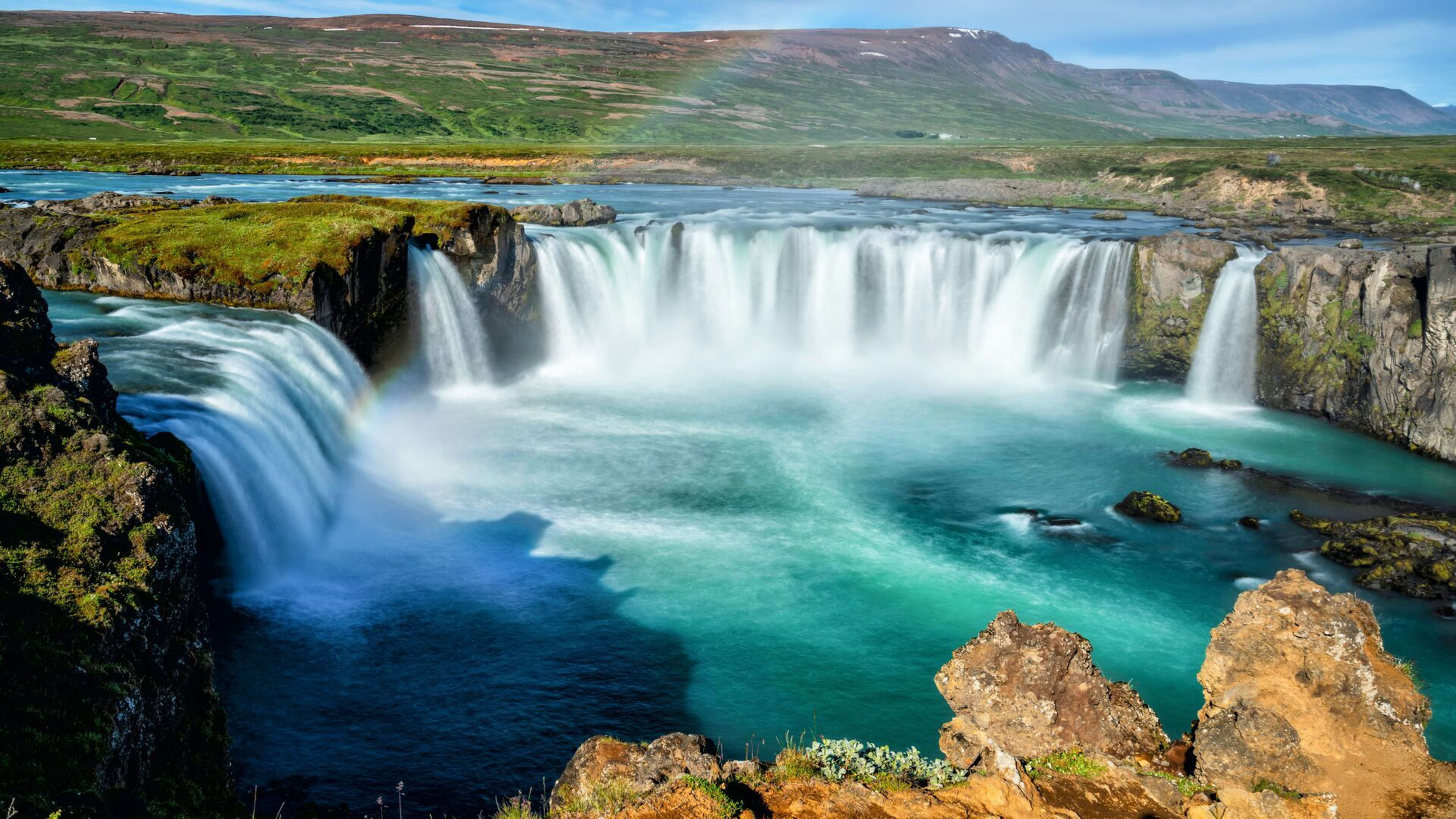
Located in northern Iceland , Goðafoss (Gods' Waterfall) features a wide and spectacular curtain of water cascading down towering rock walls. In summer, the vibrant colors of the midnight sun add to its mystique. Here, you can not only capture stunning photographs but also immerse yourself in the mystical atmosphere of Norse mythology under the boundless summer sunlight.

4. Jökulsarlon Glacier Lagoon
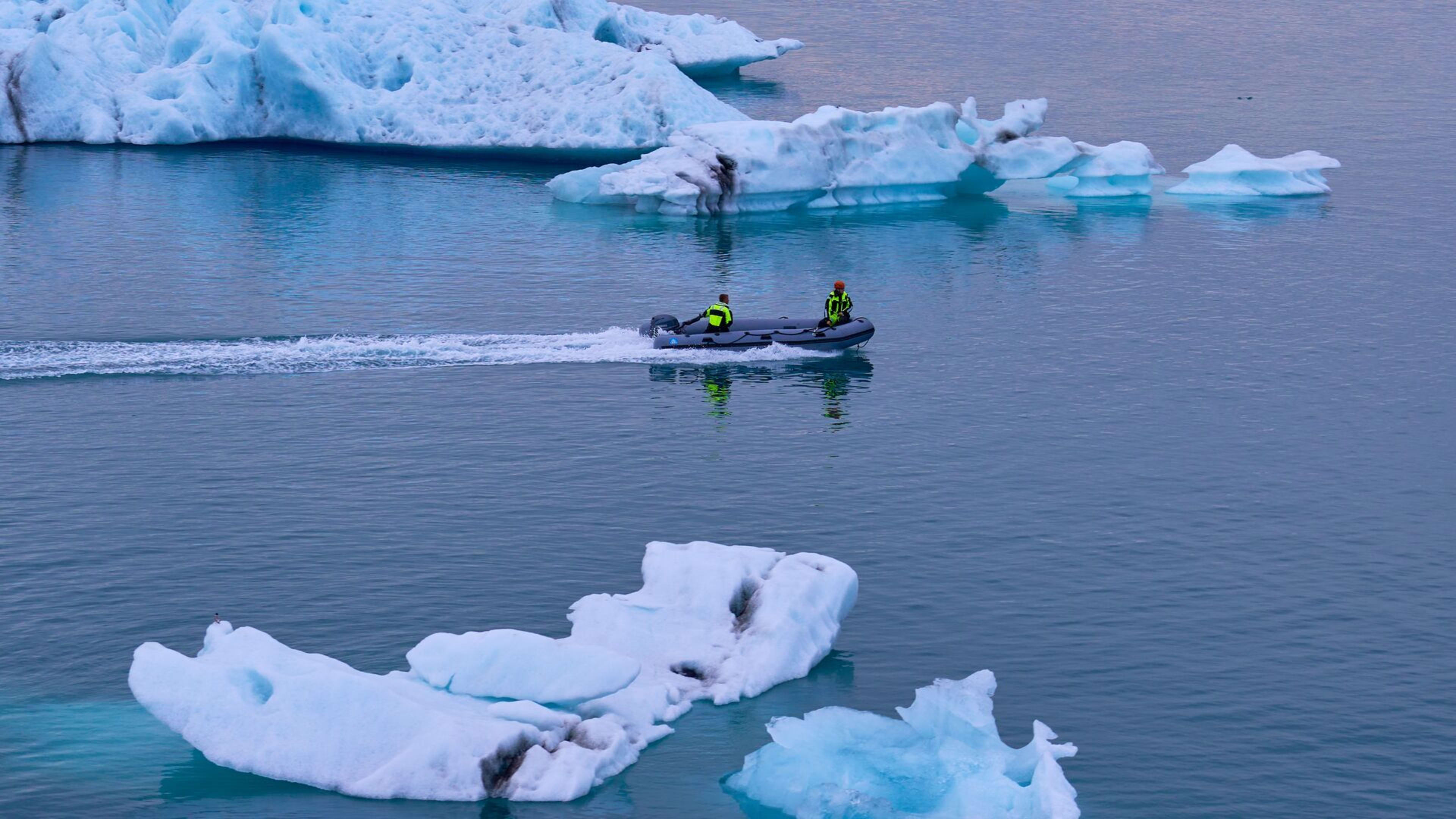
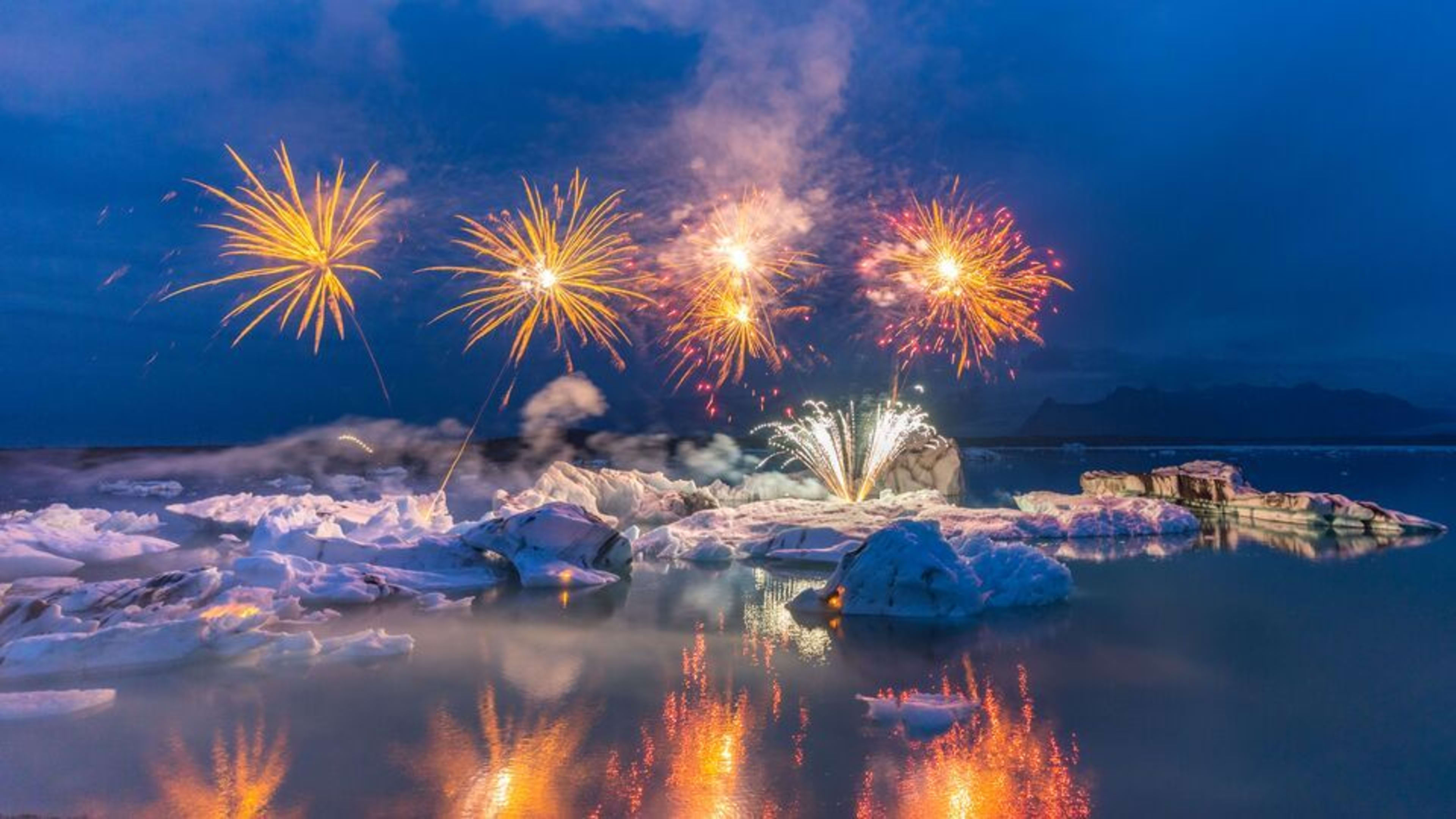
Large and small, shimmering icebergs float on the lake, creating a picturesque scene with seals and birds. Jökulsarlon is a must-visit destination at any time of year. However, a visit at night reveals a more mystical atmosphere. The midnight sun reflects a spectrum of colors onto the azure or grey-green ice, mingling with the glacial meltwater, creating a truly magical experience. Furthermore, if you visit on the second weekend of August, you'll experience a special treat: the annual fireworks display truly illuminates Jökulsarlon and ignites the passion of all who behold it.


6. Church Hill (Kirkjufell)
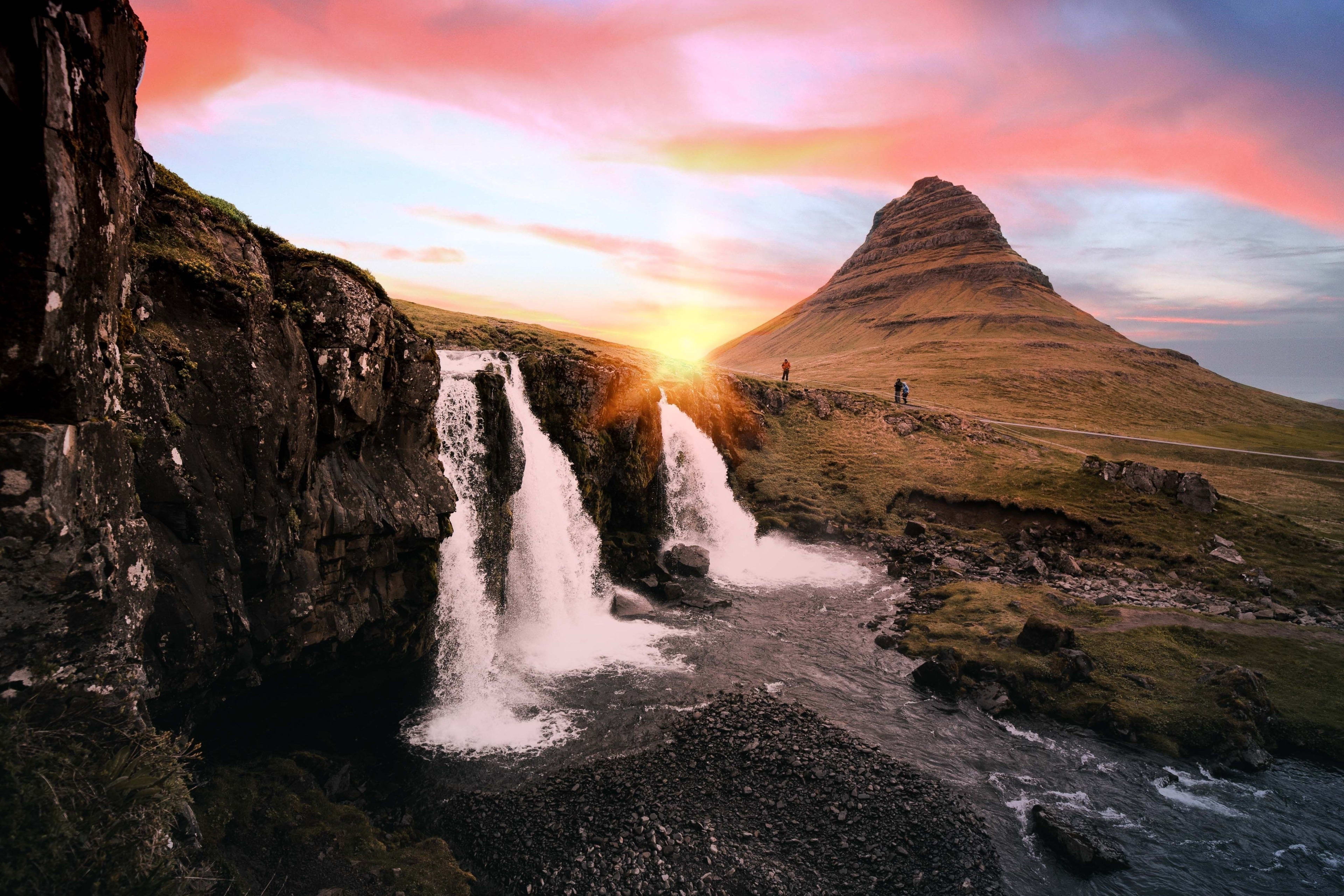
Kirkjufell is a landmark on Iceland's Snæfellsnes peninsula and the birthplace of the Night King from Game of Thrones. In summer, the distinctive conical mountain's silhouette is clearly visible in the sunlight, and when the golden rays of the midnight sun illuminate the summit, it vividly reflects the surrounding green meadows. Behind the mountain lies the vast Icelandic sea, its calm surface mirroring the landscape in a dreamlike atmosphere.

Related Itineraries: 10 Days 9 Nights In-Depth Iceland Summer Road Trip: Blue Lagoon & Snæfellsnes Peninsula ; 7 Days Iceland Summer Road Trip: South Coast Scenery & Snæfellsnes Peninsula
There's a common misconception about the midnight sun: that it's always in the sky during this time. But that's not true. Imagine what it looks like when the sun has just disappeared below the horizon—you might not be able to see the sun anymore, but there's still plenty of sunlight to see. Therefore, Iceland's long, bright summer nights also influence the lives of the locals. Icelanders often spend more time outdoors, enjoying the long nights, and even children sometimes play outdoors longer than they go to bed... Don't be surprised, this is perfectly normal.
Imagine climbing Iceland's magnificent waterfall at midnight, the sun still high in the sky, the surrounding nature tranquil and mysterious, accompanied only by the roar of the falls and the whisper of the wind. The waterfall droplets shimmer with magical light in the sunlight, as if time has stood still, transformed into eternity. Beyond this, what truly gives the midnight sun its meaning is more than just a breathtaking natural phenomenon. More importantly, during this perpetually bright, tireless Icelandic daylight, the entire air seems to be filled with a tangible excitement, containing incredible energy, showcasing Iceland's most pristine beauty.
If you're going to experience the midnight sun, you'll gain a renewed understanding of "Carpe diem!" ("Seize the day!"). Seize the moment, seize today. Although the midnight sun won't last forever, the beautiful memories it leaves us with will remain forever…
A friendly reminder: While the midnight sun in Iceland is breathtaking, the intense sunlight during the midnight sun, and even in the typical summer months, can make it difficult for some to fall asleep. If you are sensitive to light or have difficulty staying up late, it's recommended that you bring a blackout mask when you visit Iceland. Go to bed 30 minutes beforehand to adjust your body clock and fall asleep faster, ensuring you're well-rested and ready for your trip!
Iceland winter sunshine conditions
In winter, Iceland presents a traditional image of a snow-covered wonderland, but with very little sunshine. Especially in winter, from December to January, each day may only see a few hours of sunlight. Around the winter solstice, the northern regions experience even shorter days, sometimes with only fleeting glimpses of daylight or complete darkness.
However, just like Iceland's endless days in summer, the tranquil darkness also offers another opportunity: Iceland in winter has its own unique activities specific to this season.
Activities and experiences to participate in during the winter in Iceland
If you're traveling to Iceland for the mysterious and dreamy Northern Lights—the ethereal green and dazzling purple hues in the sky—or to explore the crystal-like blue ice caves and fully experience the stark beauty of Iceland, then winter is the perfect choice for you!
1. Chasing the Aurora
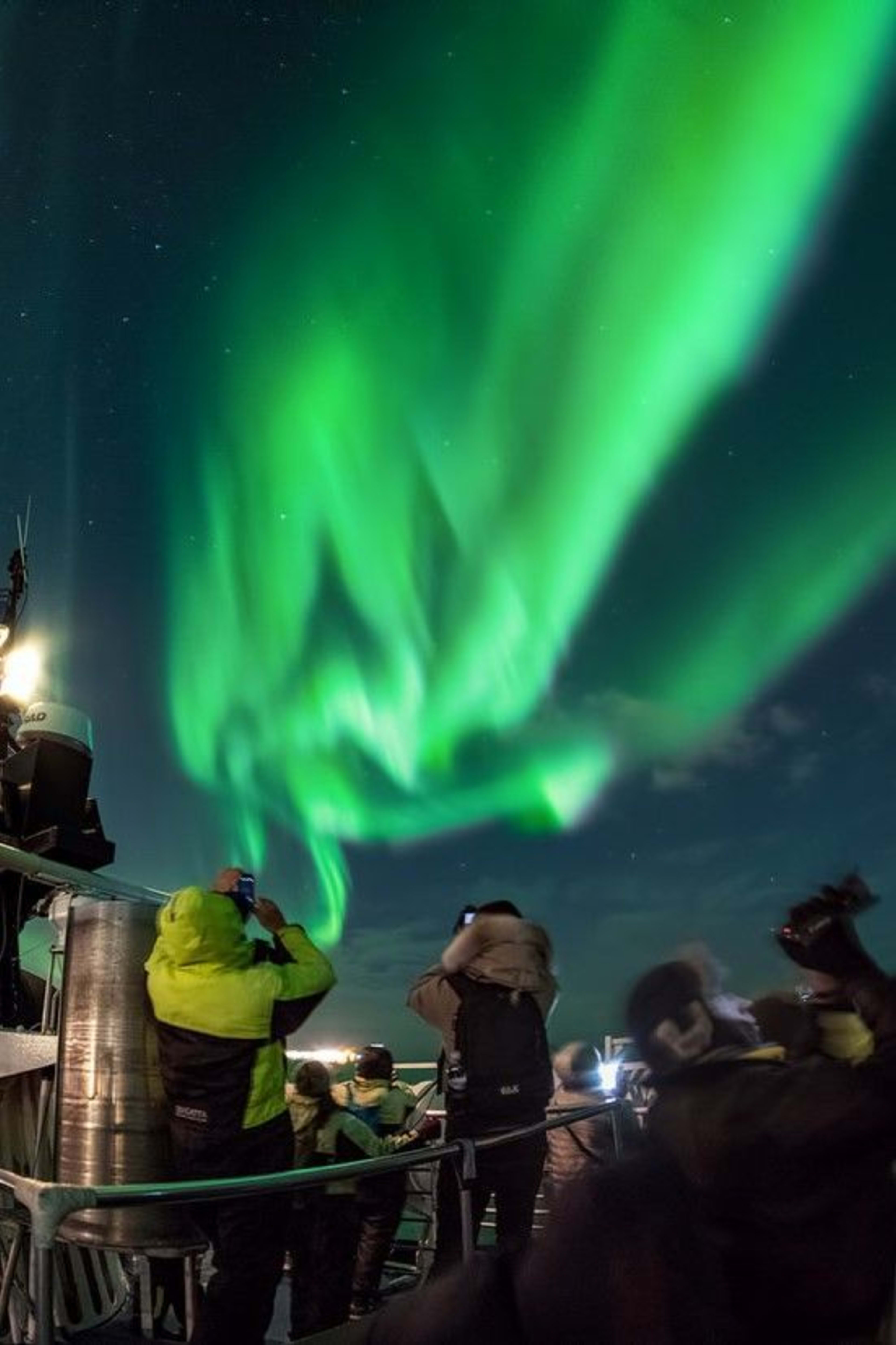
What's the most anticipated thing on a winter night? Chasing the Northern Lights, of course! In Iceland, you'll find yourself amidst boundless expanse, dancing with the shimmering aurora borealis in the sky. As night falls, the dazzling ribbons of light dance in a vibrant display, illuminating the frigid Arctic landscape—truly nature's most magnificent performance.

Forest Cat Travel also offers unique aurora chasing experiences. You can join a MINI bus aurora tour departing from Reykjavik , a small group trip with a professional aurora guide. Alternatively, you can join a super jeep aurora hunting tour, riding in super jeeps to places inaccessible by other vehicles, away from city light pollution, to witness the magnificent aurora. Furthermore, besides traditional aurora chasing methods, have you ever considered taking a boat trip to see the aurora on the open sea without any obstructions? Join a Reykjavik aurora boat tour , where you will be unrestricted in the open ocean, immersing yourself in the beautiful Aurora dancing in the sky – a truly romantic experience.
Similarly, you can join a 7-day, 6-night winter road trip on Iceland's southwest coast: chasing the Northern Lights & Snæfellsnes Peninsula , personally chasing the aurora borealis on your drive; or join our Christmas and New Year's limited edition 7-day worry-free package in Iceland: a collaboration with MAGMA hotels , where you might just have an encounter with the mystical Aurora while relaxing at your hotel!
If you'd like to learn more about aurora chasing strategies, you can check out another article on our website: The Most Comprehensive Guide to Aurora Observation in Iceland , which will give you all the information you need for chasing the aurora.
2. Blue Ice Cave Exploration
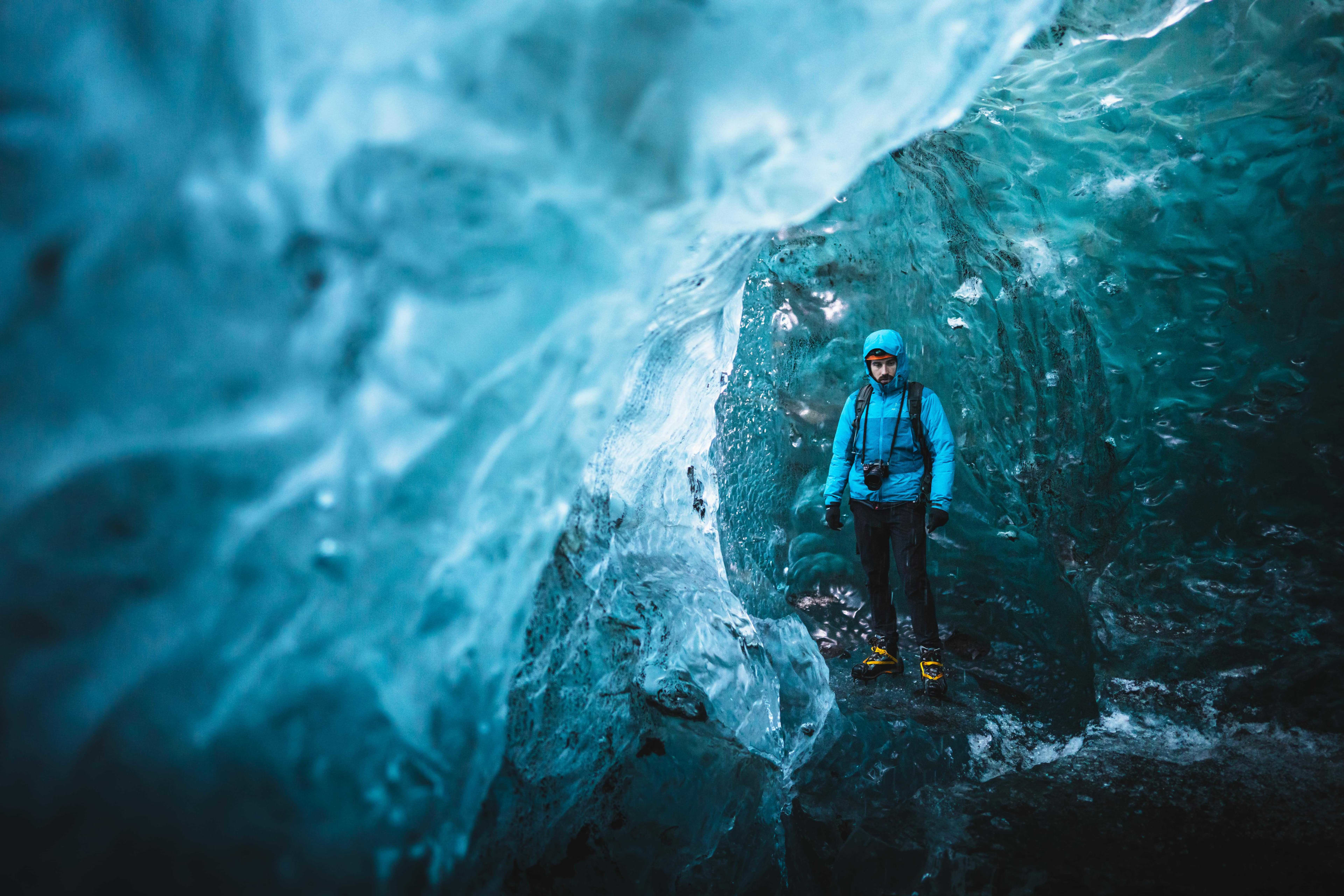
Besides chasing the Northern Lights, Iceland offers another must-do winter adventure: exploring the blue ice caves. Hidden on this mysterious continent are captivating wonders—the blue ice caves. A masterpiece of nature, originating from glaciers, these caves will transport you to a completely different world.
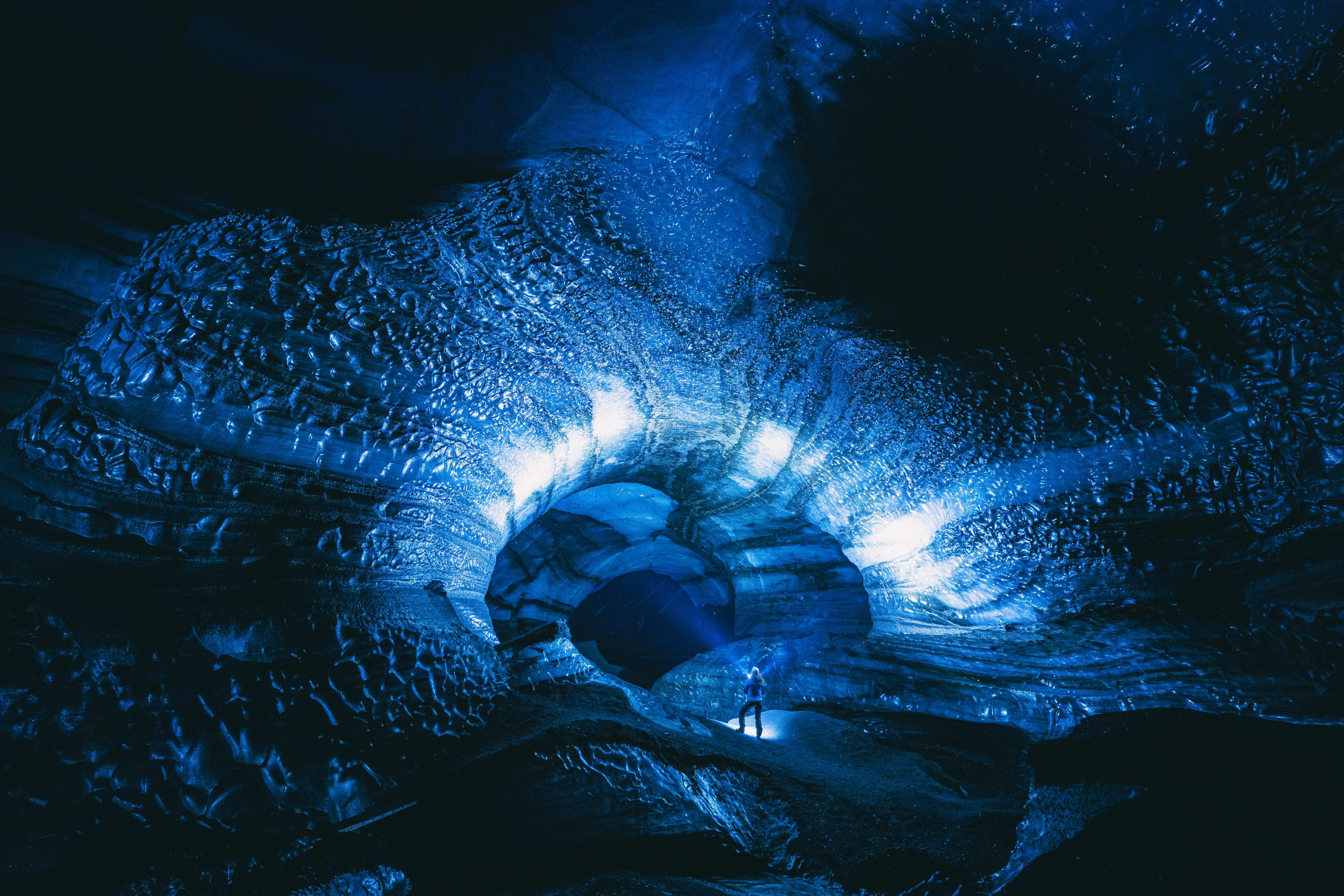
As you step into the Blue Ice Cave, you'll be awestruck by its mesmerizing blue hue. Through the ice walls, soft light filters in, bathing the cave's interior in a jewel-like blue glow. The textures and layers of the ice walls seem to tell the story of the glacier, captivating all who behold it. Each Blue Ice Cave changes shape and location annually due to glacial movement, making each one unique, ensuring your exploration will become a cherished memory. Join us on Forest Cat Travel's Vatnajökull Glacier Crystal Palace Blue Ice Cave adventure – a journey that will truly transport you to the world of ice!

If the Blue Ice Cave is not yet open, you might as well visit the Katla Ice Cave, where ice and fire truly blend together. Experience the black dragon scale-like volcanic ice cave and see volcanic ash interwoven between the ice layers, creating a unique otherworldly feeling.

Related itineraries: Katla Ice Cave Adventure (departing from Vik) , Midals Glacier Katla Volcano Ice Cave Adventure
As mentioned earlier, Iceland's winter climate is extremely volatile. Therefore, it is worth noting that due to limited sunshine and extreme weather, many trails and campsites are often inaccessible to tourists during winter, and many attractions may also be temporarily closed due to heavy snow.
Without extensive snow driving experience, self-driving is not a wise choice for traveling to Iceland. In this case, a group tour is the best option. Join Forest Cat Travel for tour packages of varying lengths, such as the 7-day Iceland Winter Selection Tour: Blue Ice Cave Adventure & Snæfellsnes Peninsula , and the 8-day Iceland Winter Tour: Spa Culture & Golden Circle . Professional guides will lead you through the infinitely beautiful Icelandic winter scenery and accompany you on your journey to chase the Northern Lights.
Besides summer and winter, Iceland's spring and autumn seasons are also well worth exploring. In spring, the winter snow melts, and waterfalls cascade down cliffs like silver rivers, creating a misty atmosphere that sometimes even reflects a vibrant rainbow. Grasslands and hillsides are once again adorned in lush green under the spring sun, dotted with countless blooming wildflowers. The rolling hills and mountains outline magnificent lines, seemingly inviting people to embrace nature and feel the rhythm of life. At this time of year, gazing at the waterfalls, feeling the cracks in the earth, running through the mountains—all of nature's creations fill your senses. So indulge in the most primal joy and emotion of life!

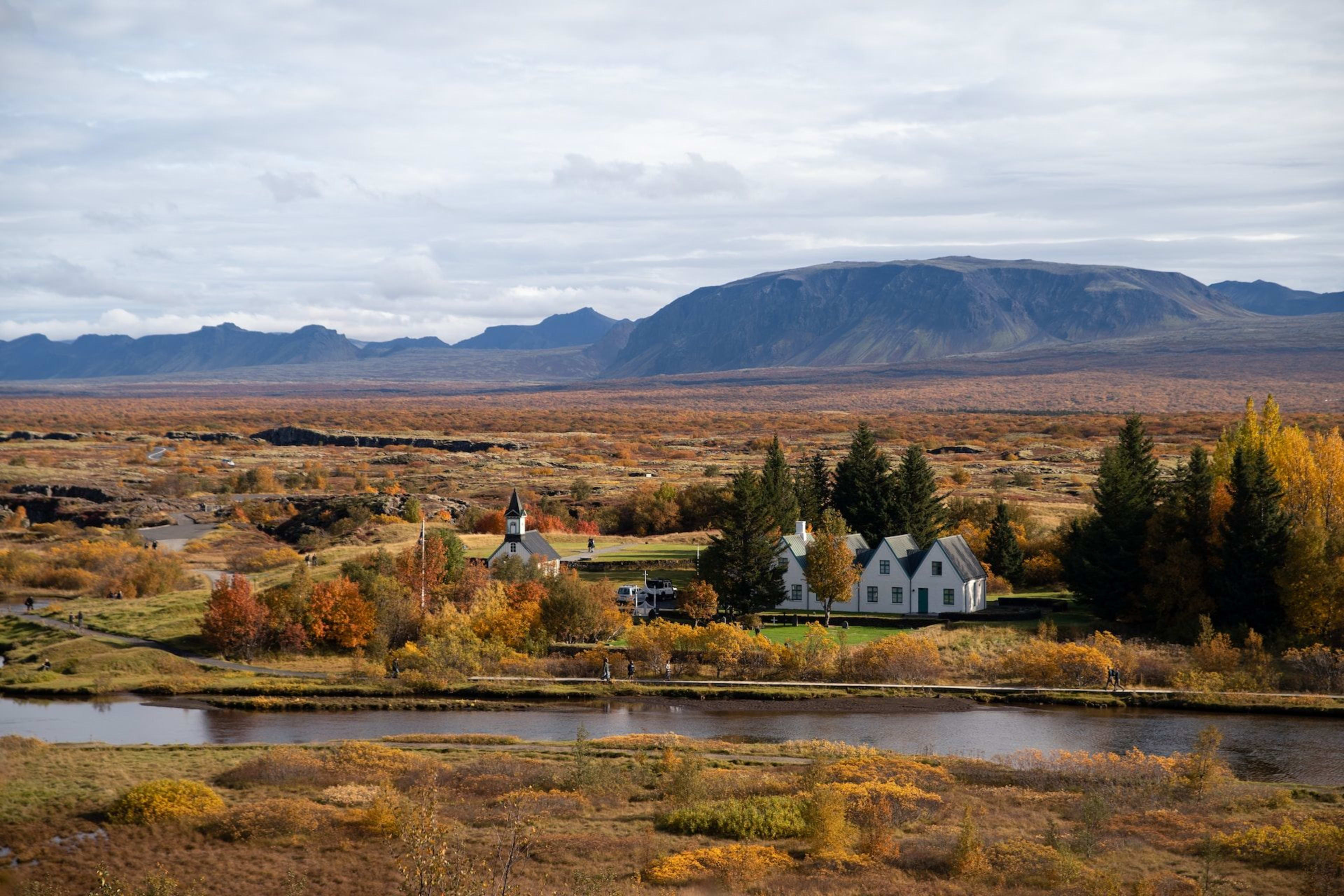
In autumn, Iceland is enveloped in a vibrant tapestry of colors—red, orange, yellow, and green—a breathtaking interplay of hues. The coastline exudes tranquility, while patches of verdant moss dot the lava fields, creating a fairytale-like scene. Mountains and lakes reflect the dazzling colors of autumn leaves like mirrors, transporting visitors to a dreamlike world. The soft autumn sunlight bathes the land in a serene and mysterious glow. At this time of year, Iceland is only slightly cool, with ample sunshine. Most summer activities remain open, resulting in fewer tourists and lower prices. It's one of the best times of year to visit Iceland, avoiding the crowds. In the prelude to winter, you might even have the chance to witness the magical Northern Lights. Wouldn't you be the smartest little rascal to come to Iceland at this time?
Conclusion
If you've ever dreamed of witnessing a midnight sunset or immersing yourself in the almost endless darkness of a winter night while experiencing the aurora borealis, then Iceland is the place for you! While the length of daylight in Iceland varies throughout the year, to some extent, the best time to travel there isn't solely determined by the solar phenomena or patterns. Whether it's the sunny summer or the frigid winter, you can immerse yourself in the purest Icelandic scenery and Nordic charm of this far north. As the saying goes, follow your heart. Pack all the necessary items and equipment, and wear windproof and waterproof warm clothing (see our Iceland Clothing Guide for details: Dressing Right for a Perfect Trip , Learn How to Dress in Iceland) to prepare your Icelandic trip materially. Then, simply relax and embark on your Icelandic adventure.
Of course, if you want to experience Iceland's beauty in its entirety, not just in one season, then consider visiting multiple times! Every trip can be described as adventurous and exciting, just like Iceland's changeable and unpredictable weather and sunlight conditions.