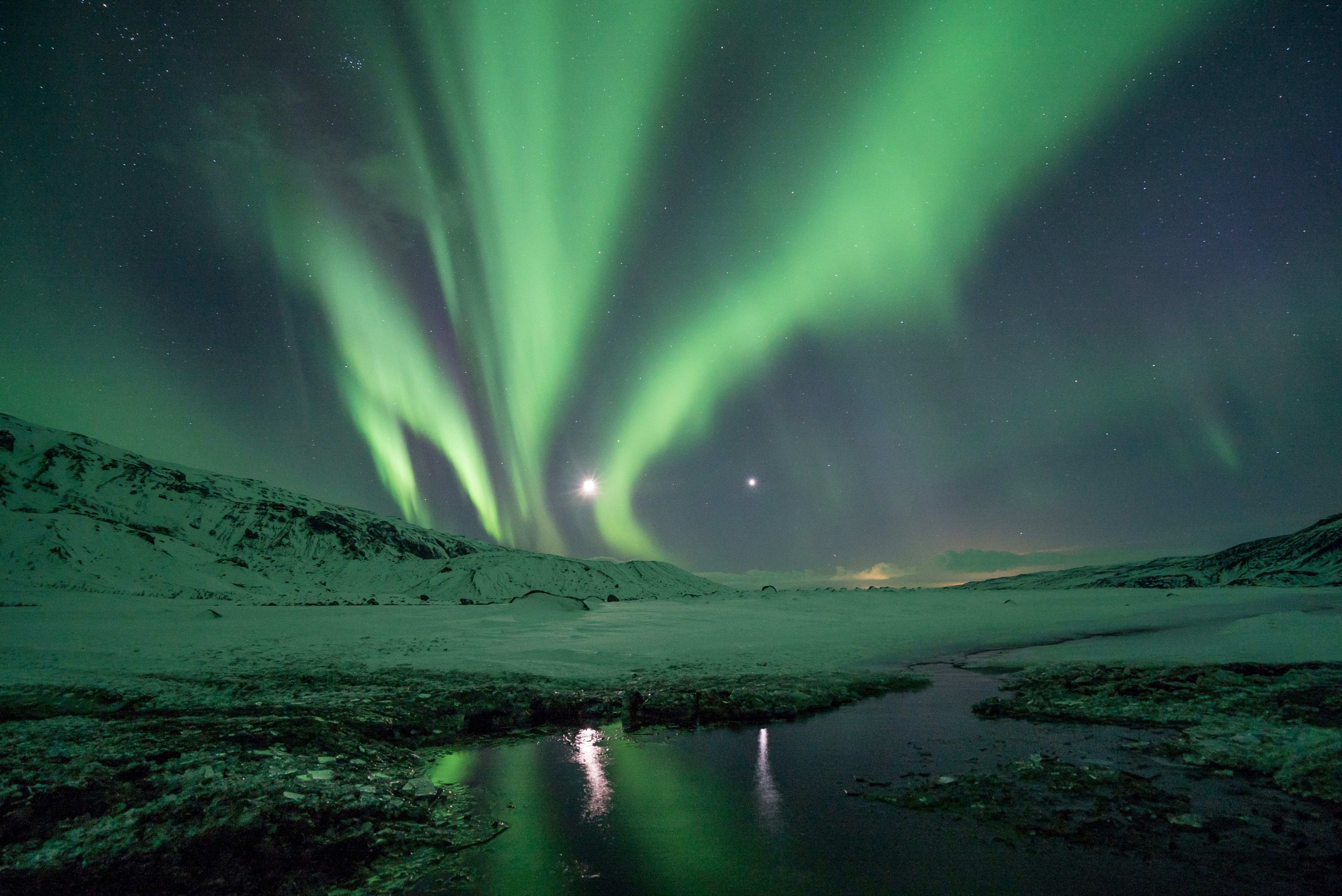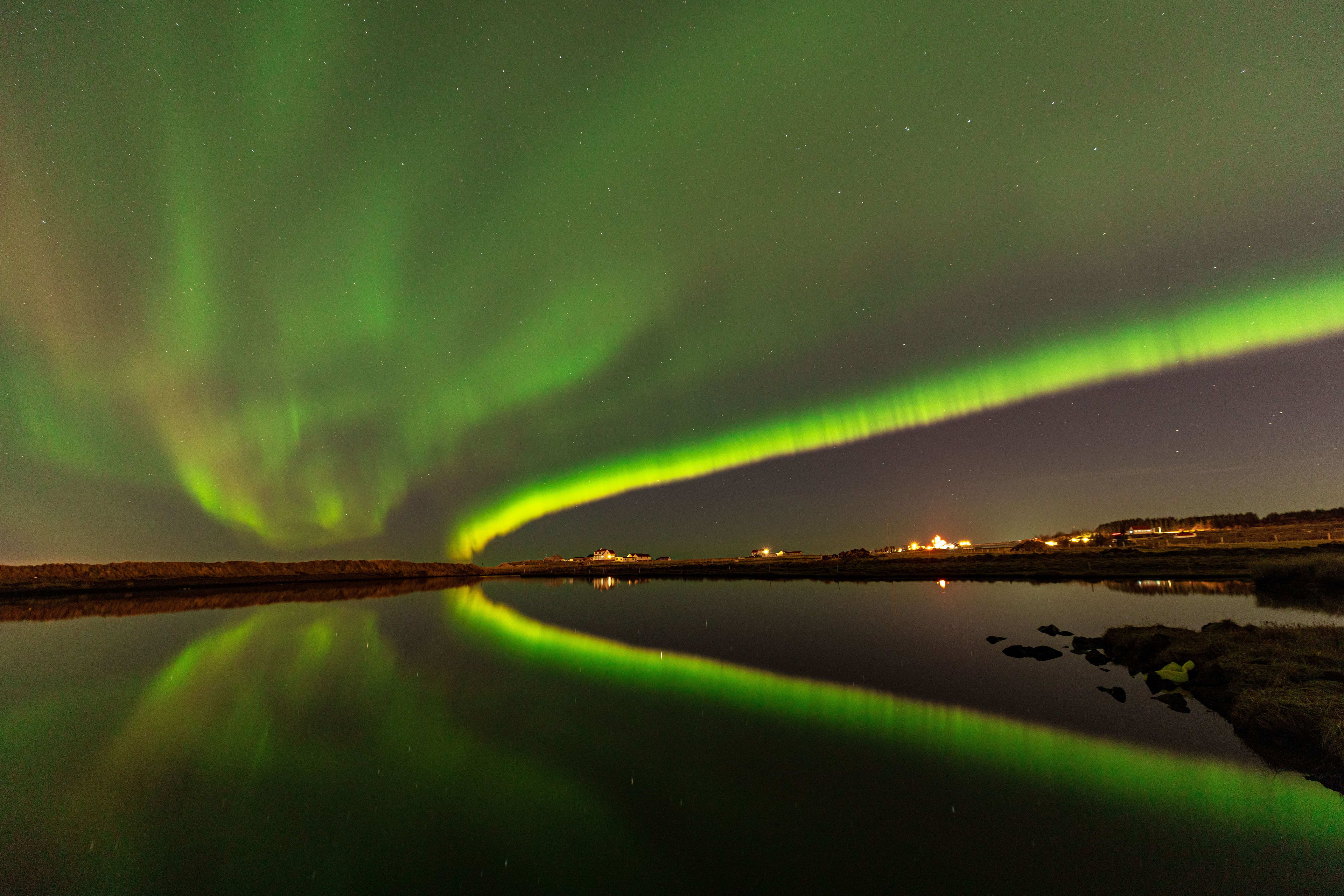
Iceland is a dream destination for many, largely due to its mystical and enchanting Northern Lights, attracting countless photographers and spectacle-seeking travelers every year. This treasure trove of natural wonders, including glaciers, oceans, volcanoes, waterfalls, and the aurora borealis, offers something for everyone. Whether you want to witness Iceland's breathtaking scenery, participate in diverse activities like glacier hiking, ice cave exploration, whale watching, or experience the unique charm and romance of a Nordic country, Iceland's hot springs will not disappoint. The National Day Golden Week holiday coincides with Iceland's peak autumn colors. Don't want to experience crowds and jostling? Come to Iceland! This northernmost country eagerly awaits your arrival!
So, is it still possible to drive in Iceland during the National Day Golden Week holiday? What's the weather like in Iceland? What attractions can you visit? What unique Icelandic experiences are available? Let's find out together!
Recommended Itinerary:
Is Iceland a good destination during the National Day Golden Week holiday?
You may have heard that many people recommend traveling to Iceland in the summer. Indeed, summer (June to August) is generally considered the peak tourist season in Iceland. However, many people overlook the fact that September and October, before winter fully arrives, can also offer a unique Icelandic experience! One of Iceland's charms is its ever-changing landscape. Different seasons and different weather conditions can result in completely different sights, bringing unexpected surprises. The National Day Golden Week holiday falls in early October, which is often considered a transitional month between summer and winter in Iceland. At this time, the summer midnight sun has subsided, and the days are still warm and long, offering ample sunshine to enjoy the natural scenery (early October has nearly 12 hours of daylight, which decreases as the season progresses). Although the climate is gradually transitioning to winter, it's not yet fully wintery. You won't be bothered by persistent freezing temperatures or the more extreme weather conditions of winter (heavy snowfall from November to February can cause road closures at some attractions).
(For information on Iceland's annual daylight hours, please refer to the article : Iceland Daylight Hours )
The National Day Golden Week holiday is a perfect blend of summer and winter, offering the opportunity to enjoy activities suitable for both seasons. Many summer tours typically continue operating until heavy snow closes the roads. Meanwhile, many winter tourism activities begin as early as September, offering the chance to witness the ethereal beauty of the aurora borealis as soon as darkness falls. Furthermore, winter activities such as blue ice cave exploration , snowmobiling , super jeep tours, and glacier lake cruises are also available, providing a wide range of choices!
In terms of tourist numbers, October sees fewer visitors to Iceland compared to the peak of summer, making it the off-season and less busy. Visiting at this time means you won't have to compete with others for the best photo spots, and the travel experience won't be any less enjoyable! You'll have the opportunity to explore the extraordinary beauty of this far northern country at your own pace.
Most importantly, since October is the off-season for tourism in Iceland, airfares, hotels, and other travel packages are not only easy to book but also often relatively cheap. This means you can enjoy Iceland's beauty without facing hordes of tourists or paying exorbitant peak season prices! Isn't that tempting enough?
What's the weather like in Iceland during the National Day Golden Week holiday?
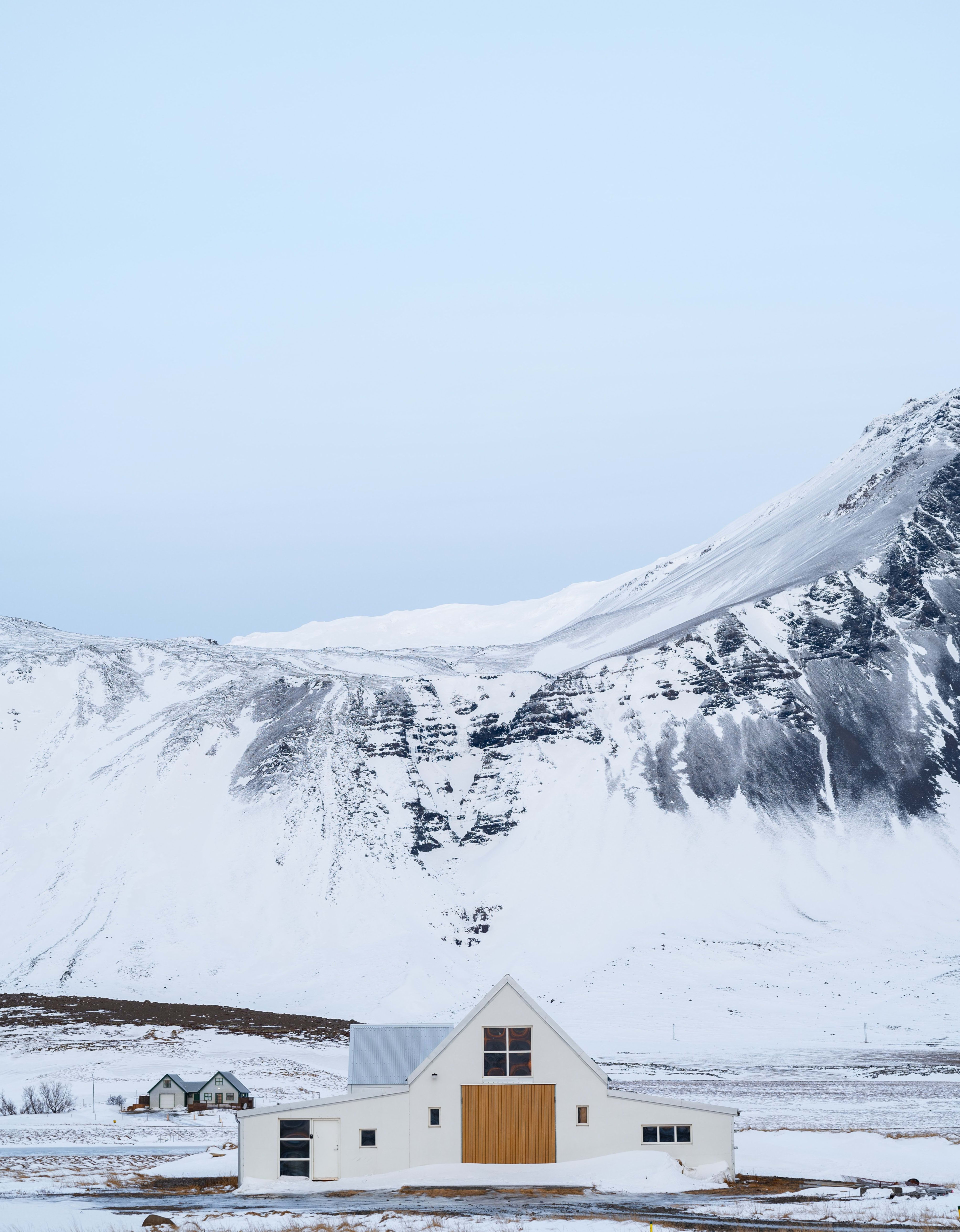
Early October marks the tail end of the summer tourist season, with temperatures no longer reaching summer highs, averaging between 2°C and 7°C. However, when traveling to Iceland, you absolutely cannot pack your bags based solely on the temperature. In October, Iceland experiences increased wind speeds, making it noticeably colder when the wind blows. Furthermore, due to Iceland's unpredictable and changeable weather, October is considered one of the wettest months in Iceland, with rain often unavoidable. As for snow, early October offers a high probability of snow in northern, eastern, and western Iceland, while the Westfjords and inland highlands are almost guaranteed to see snow. However, many attractions on the south coast, the Snæfellsnes Peninsula, and the capital and surrounding areas have a lower chance of snow, with occasional light sleet. In general, the further north you plan to explore, the more likely you are to experience snowfall. Therefore, regardless of the weather, you must bring sufficient windproof, waterproof, and warm clothing, otherwise Iceland's unpredictable weather will mercilessly spoil your trip.
If you're wondering what to wear in Iceland in October, it's actually quite simple. As we've repeatedly emphasized, you'll encounter strong winds, rain, and even snow. Without suitable clothing or gear, you'll have a wet, cold trip that will leave you feeling miserable. In Iceland, layering is key to weathering the unpredictable weather! Therefore, make sure you've packed all the waterproof and warm clothing and accessories. For specific clothing recommendations, please refer to another guide, " Iceland Clothing Guide ." In general, packing base layers, sweaters, a lightweight down jacket, and a windproof and waterproof suit, along with comfortable hiking boots, a wool hat, waterproof gloves, and a scarf, is a safe bet! When traveling to Iceland in October, remember to bring a raincoat, not a regular umbrella. The winds on the island are incredibly strong; an umbrella won't last a day. Iceland's strong winds will show you what it means to destroy an umbrella in an instant. Once you've sorted out your clothing and gear, all you need to do is set off!
Is it possible to drive in Iceland during the National Day Golden Week holiday?
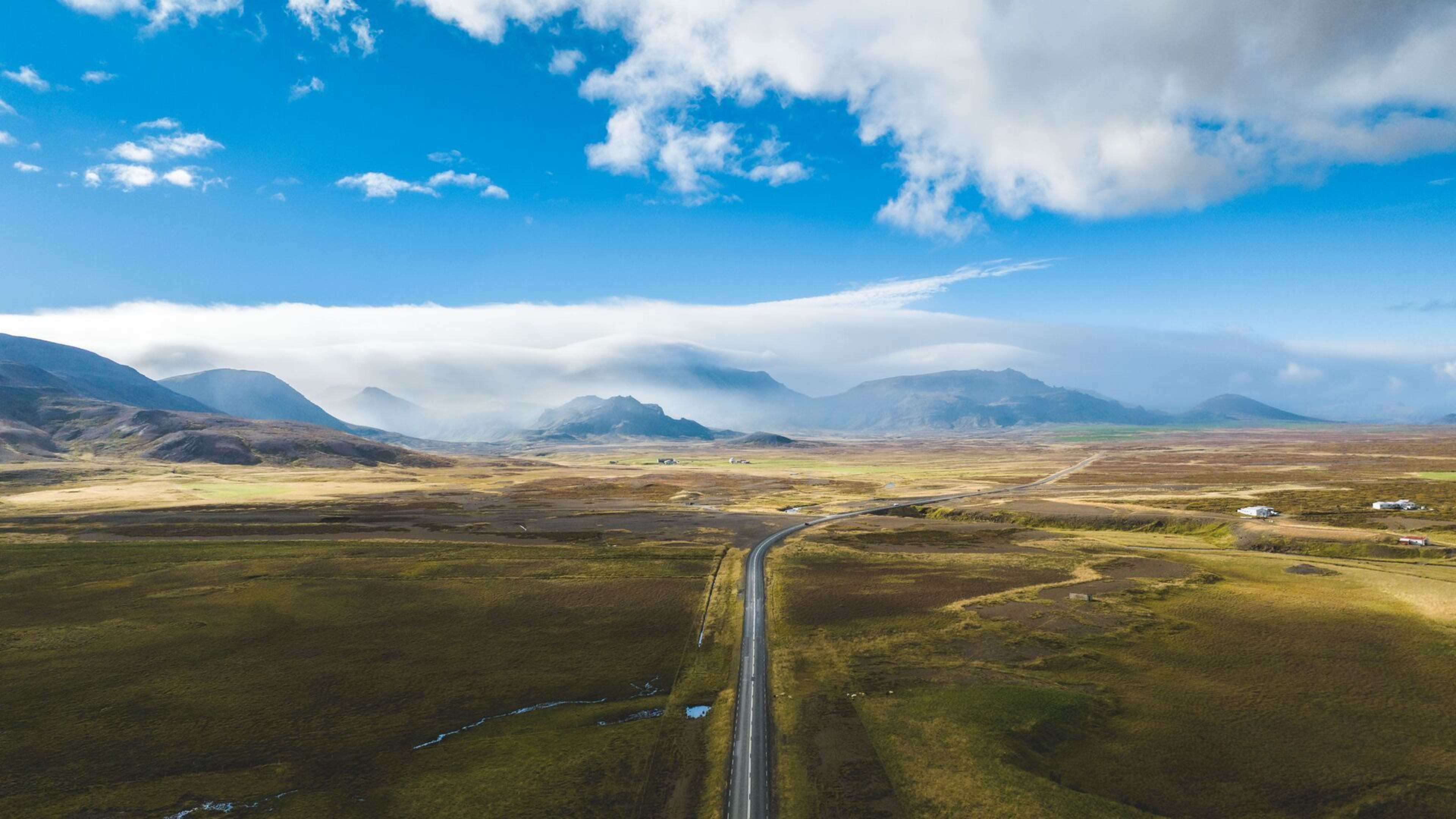
If you're traveling to Iceland during the National Day Golden Week holiday, you can choose between a group tour or a self-drive tour around the island, each with its advantages. Firstly, renting a car offers greater flexibility; if you discover other less-visited attractions during your trip, you can easily change your route to visit them. Generally speaking, road conditions in Iceland are relatively ideal in early October, and with ample sunshine, driving around the island isn't a major problem. Early October is arguably the last chance to drive around the island. Road conditions are not as difficult to navigate as in the depths of winter, and roads and tourist routes that are closed during the cold season are still open. By the end of October, roads in northeastern Iceland may experience ice and snow, or blizzards causing road closures. Therefore, driving before early October is still feasible, and along the way, you can enjoy the vibrant colors of Iceland's golden autumn, as if stepping into an oil painting.
However, no matter when or where you are driving in Iceland, you should always check local road condition websites regularly to avoid delays and inconveniences caused by road conditions.
If you're traveling to Iceland during the National Day Golden Week holiday and have enough time, you can visit the northern lava regions to see Lake Mývatn , Dettifoss , and Goðafoss within the Diamond Circle, and experience the unique urban charm of Akureyri, the northern capital . You might also visit the Snæfellsnes Peninsula in western Iceland, which boasts almost all of Iceland's most distinctive landforms . However, please note that the East and West Fjords have many winding and cliff-lined roads, especially in the West Fjords where there are many gravel roads. Therefore, while exercising extra caution, we still recommend using a four-wheel drive vehicle to navigate the challenging roads. We have also prepared a detailed Iceland self-driving guide to help you find a vehicle suitable for yourself and Iceland's various terrains.
So how can you make the most of your trip to Iceland during the National Day Golden Week? Please continue reading this guide.
How should you spend your National Day Golden Week in Iceland?
Chase the Northern Lights and experience the dazzling dreamlike beauty of this fairyland.
In Iceland, chasing the mysterious and dreamlike Northern Lights is an unparalleled experience. As night falls, the sky is filled with dazzling green and purple lights dancing in the universe, like a magical ball in a fairyland.

The Northern Lights are typically visible between September and April. The best months to see the Northern Lights in Iceland are September, October, February, and March. Visiting in October to chase the aurora is an extremely wise decision, as the weather is less extreme than in the depths of winter, reducing the risk of freezing outdoors and having to cancel plans due to poor road conditions. Although the days are shorter in October compared to summer, they are still long enough that you need to wait until dusk when the sky is dark enough to have a chance to see the aurora.
Far from the light pollution of the city, standing in the dark wilderness, gazing at the sky, you eagerly anticipate that moment. When the aurora borealis appears in the sky, your world will be surrounded by magnificent green, purple, and pink lights, leaving you speechless with excitement, and you'll suddenly realize how small yet connected to the universe you are. Perhaps you'll be stunned, silently admiring it while pondering how all this happens: how can the sky dance before your eyes!

However, seeing the Northern Lights also requires luck. You can join a guided aurora tour. Local guides are often very familiar with Iceland's climate and know which locations are best for waiting and watching the aurora. They will take you to the best spots where you are most likely to see the breathtaking Northern Lights. Generally, tours are divided into bus tours and super jeep tours. Super jeeps can take you to less-accessible, off-the-beaten-path aurora viewing spots, which tend to have less light pollution and are easier to see the aurora. However, it's important not to place all your hopes on them. Although they are experienced and want you to see the most beautiful aurora, they cannot completely control the appearance and disappearance of this natural phenomenon. Furthermore, Iceland's weather is unpredictable; rain or occasional snow can negatively impact aurora viewing, so you may be disappointed. However, if you don't see the aurora during your tour, most tour companies allow you to rebook a second trip without additional charges.
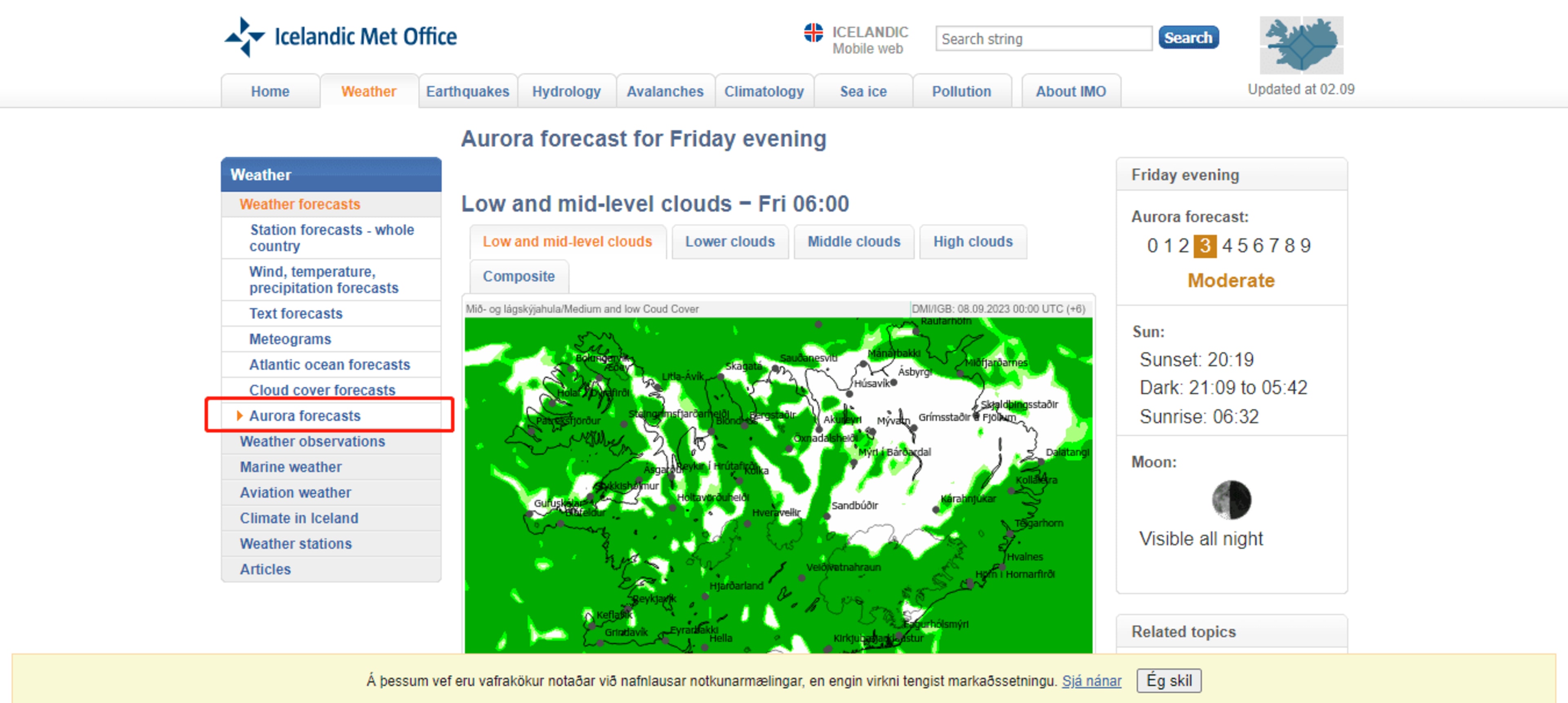
Of course, if you don't want to join an organized tour, you can rent a car and drive yourself to chase the Northern Lights. If you decide to drive, in addition to doing your research to find the best aurora viewing spots and driving carefully on the road, you also need to refer to the weather forecasts and aurora predictions issued by the Icelandic Meteorological Service to increase your chances of success. Another comprehensive guide to chasing the Northern Lights in Iceland will save you the effort of finding the best destination yourself, allowing you to chase the aurora without worry!

Here, why not join Forest Cat Travel's aurora tour? We offer Reykjavik mini bus aurora tours , Northern Lights hunting super jeep tours , and Reykjavik aurora boat tours for you to choose from, accompanying you to witness the arrival of the magnificent Northern Lights.
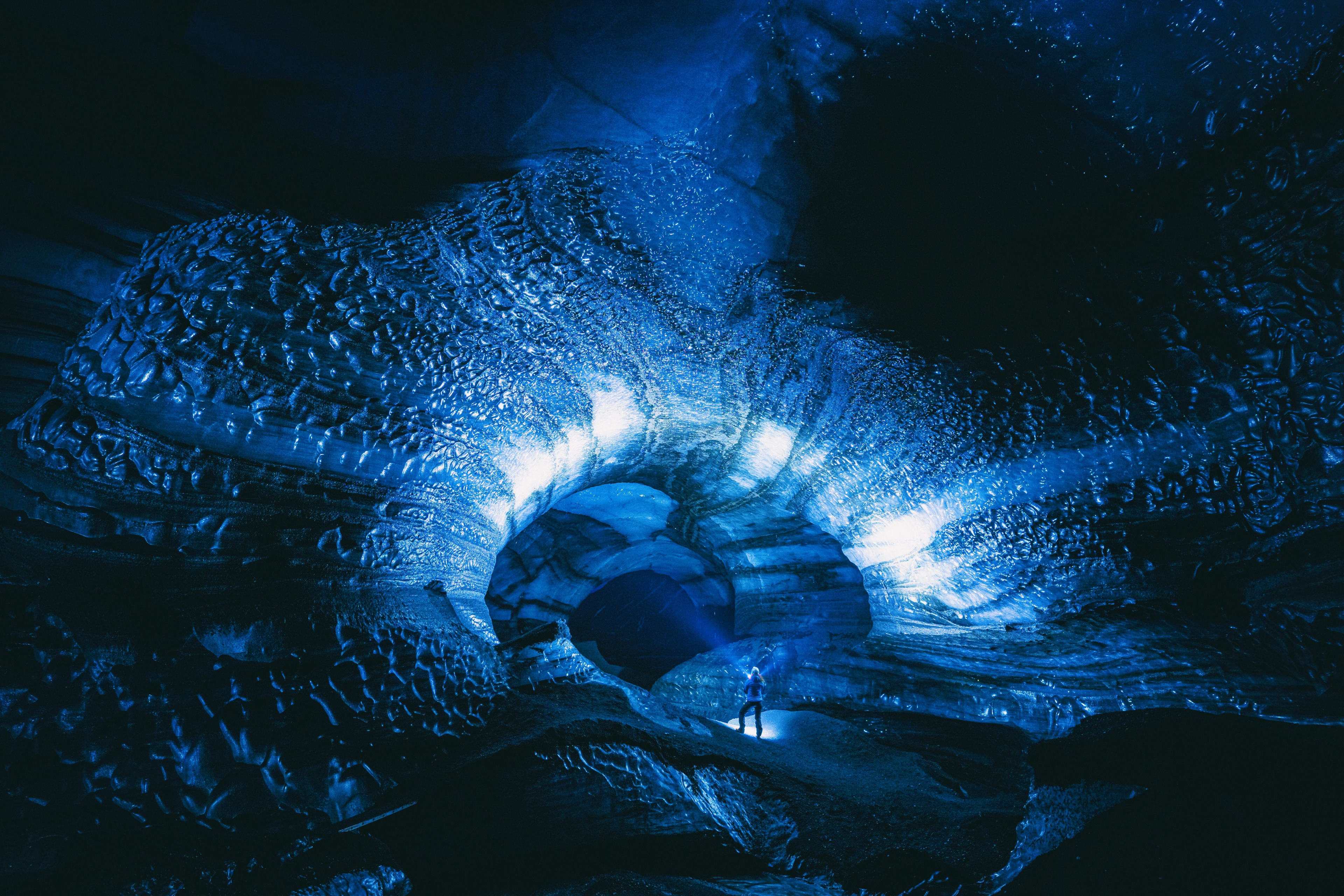
Traverse the Blue Ice Cave and explore the miracle of blue ice crystals.
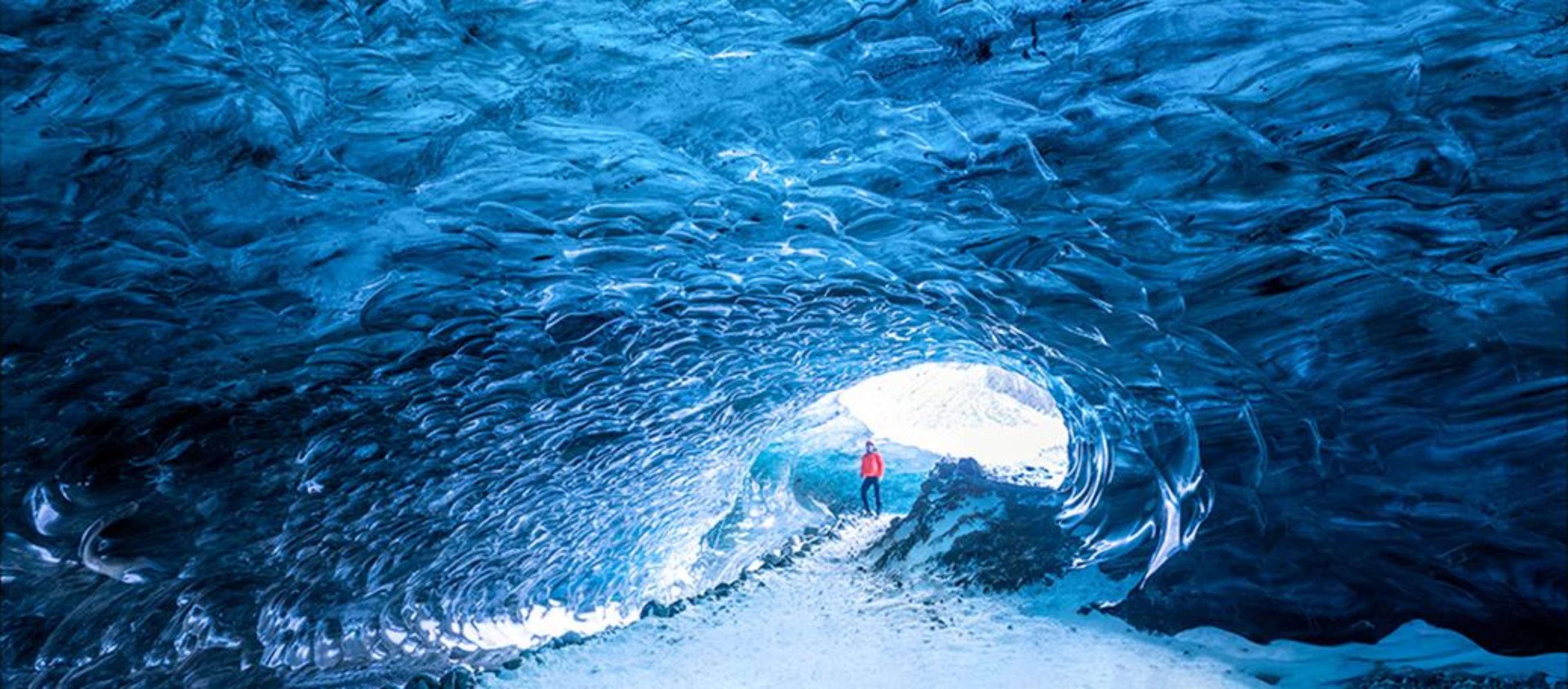
If the Northern Lights are the most unforgettable "cinnabar mole" for every traveler to Iceland, then the blue ice caves are another magical experience, like a "white moonlight." For photographers and film crews alike, the blue ice caves are a unique and unparalleled location for stunning shots. From the Jökulsárlón glacial lagoon , you can embark on a journey to Vatnajökull glacier to get up close to the blue ice caves. Yes, the ice in the ice caves is blue! You might still be wondering, isn't ice usually transparent and white?
Imagine that ice in your refrigerator freezes in a short time, while the formation of blue ice caves takes hundreds of years. After centuries of accumulation, the ice layers of Vatnajökull glacier eventually compressed under their own weight, squeezing out all the air bubbles and causing the ice crystals to gradually grow larger. When a large block of ice becomes denser and contains no air, light travels further, losing more of the red spectrum along the way, making the ice appear blue. This is why blue ice caves have a magical, otherworldly blue color.

Standing at the massive entrance to the crystal ice cave, the blue ice crystals shimmer in the sunlight. Looking ahead, the tunnel seems endless, the blue shadows descending to form a deep archway. Upon entering, you'll be awestruck by the thick layers of blue ice surrounding you, as if you've stepped into a scene from Frozen or another fairytale—a breathtaking sight. When sunlight filters through the ice walls at the ceiling, illuminating the interior, the blue ice shimmers with a serene blue glow, like moonlight welcoming you. This enchanting spectacle will leave you mesmerized and unforgettable!
Before reaching the ice cave, the guide will help you put on equipment such as crampons and a helmet to ensure safety. After a short glacier hike, you will dive into the blue ice cave. Along the way, you can also learn about the formation of blue ice caves and understand the origins of this amazing natural phenomenon.
However, the formation of ice caves is natural, and their shape and location change subtly every year, also varying due to weather and light. Whether an exploration trip can be undertaken depends on the weather and temperature. Sometimes, due to safety or weather reasons, exploration trips to blue ice caves may be cancelled for a short period, so it's not guaranteed. Furthermore, it should be noted that the blue ice caves under Vatnajökull only form and open near winter (October and November), and the timing is uncertain. If the blue ice caves are not yet open when you visit, you can also explore the Katla Ice Cave, hidden atop the volcano. Also known as the "black ice cave," it is formed by the volcanic ash from the eruption of Katla volcano. This black ash interacts and merges with the ice, creating a breathtaking black-blue appearance, resembling "black dragon scales." Most importantly, it is generally open year-round. If you can't visit Vatnajökull, consider visiting the Katla Ice Cave on the south bank; it's no less impressive than the blue ice caves!

Recommended group tours: Vatnajökull Glacier Ice Cave Exploration Tour , Katla Ice Cave Exploration Tour
Icelandic hot spring experience: embark on a healing journey in this land of ice and fire.
If you've already started planning your October trip to Iceland and want to experience Iceland's signature hot springs, you've probably heard of the highly popular Blue Lagoon or Mývatn Nature Bath in the north , both excellent choices for a relaxing soak.
As a famous and popular hot spring in Iceland, the Blue Lagoon is conveniently located near Keflavik Airport and Reykjavik city center, making it a popular first or last stop for many tourists. Rich in minerals, the water boasts a bright, sapphire-blue hue, hence its name. Soaking in the hot spring, the contrast between the black volcanic rocks and the rising steam creates a visually appealing and relaxing scene. However, be careful not to get your hair wet, as the sulfur and minerals in the spring water may damage it. Due to its immense popularity, it's best to book well in advance, as tickets are often hard to come by.

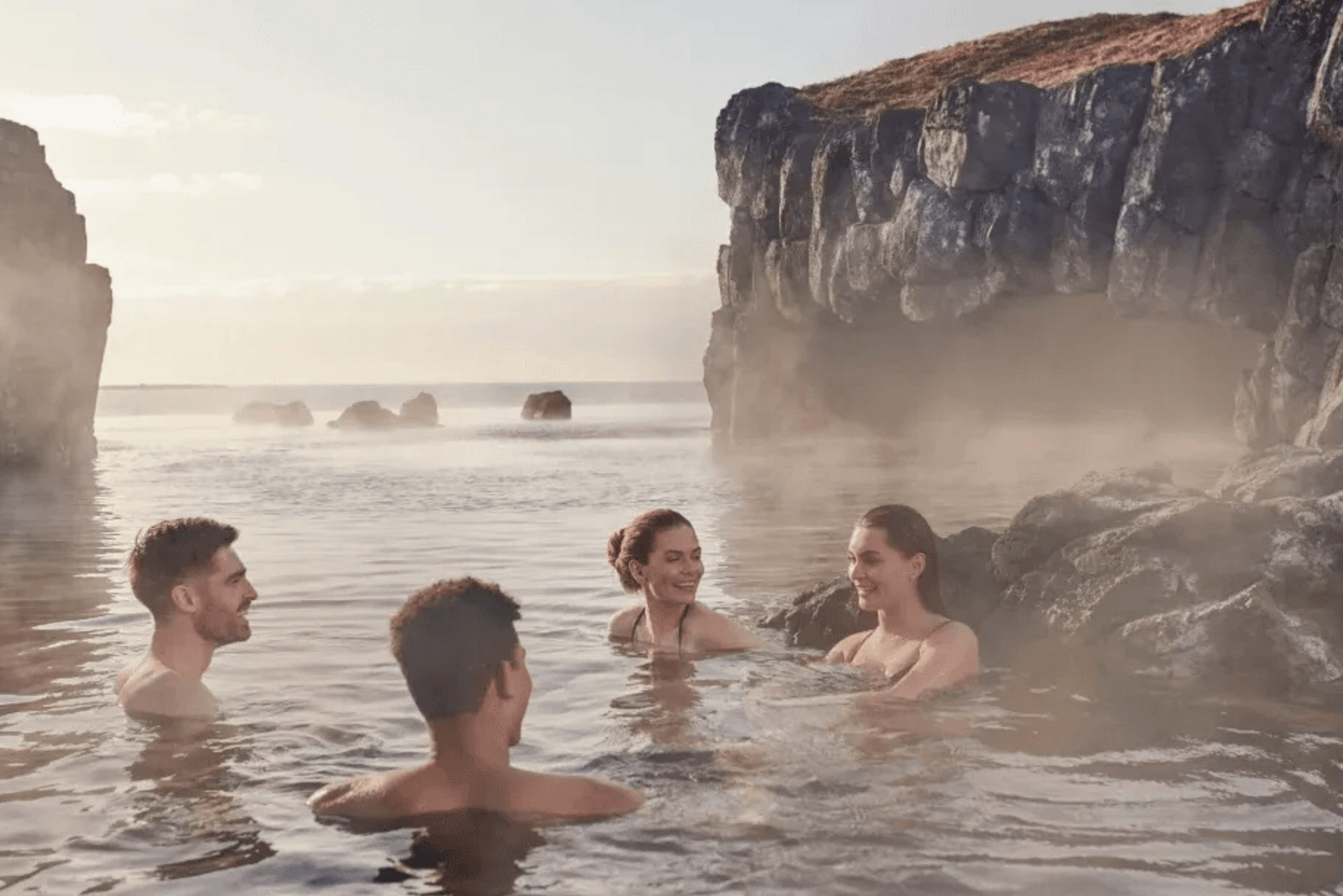
Besides the famous Blue Lagoon, the rising star , Sky Lagoon, just ten minutes from the capital , is gradually becoming a top choice for hot springs. Surrounded by steep cliffs and stunning views of the Atlantic Ocean, Sky Lagoon truly lets you experience what it means to "awaken your senses at the edge of the world." Bathing in the Sky Lagoon spa, endless views unfold before your eyes. As the sun sets in the evening, you can enjoy the soft, low-light reflection on the water. On a clear night, you might even admire a sky full of stars. The misty atmosphere, the clear blue water, and the billowing steam will make you forget the hustle and bustle of the world and fully enjoy a unique hot spring experience. Why not join Forest Cat Travel for a pure and unadulterated experience at Sky Lagoon , experiencing its signature seven-step hydrotherapy, guaranteed to give your body and mind a long-awaited relaxation?
In addition, the highly-rated Hvammsvík thermal baths near Reykjavik , the Vök Baths lakeside thermal baths in the east , and the Beer Spa in the north are also worth experiencing. For more details, please contact customer service for recommendations!

Riding Icelandic horses lets you gallop freely like the wind.
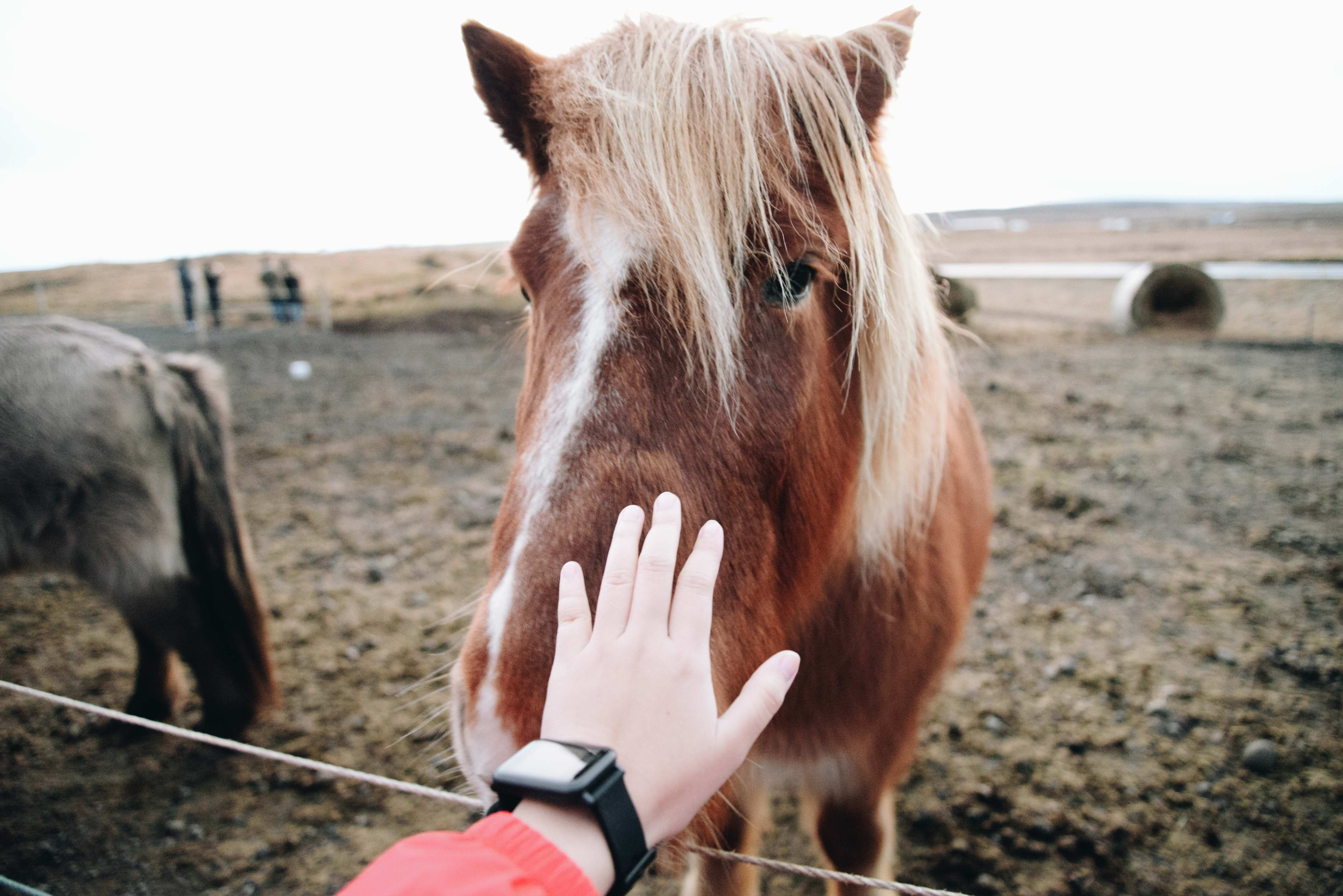
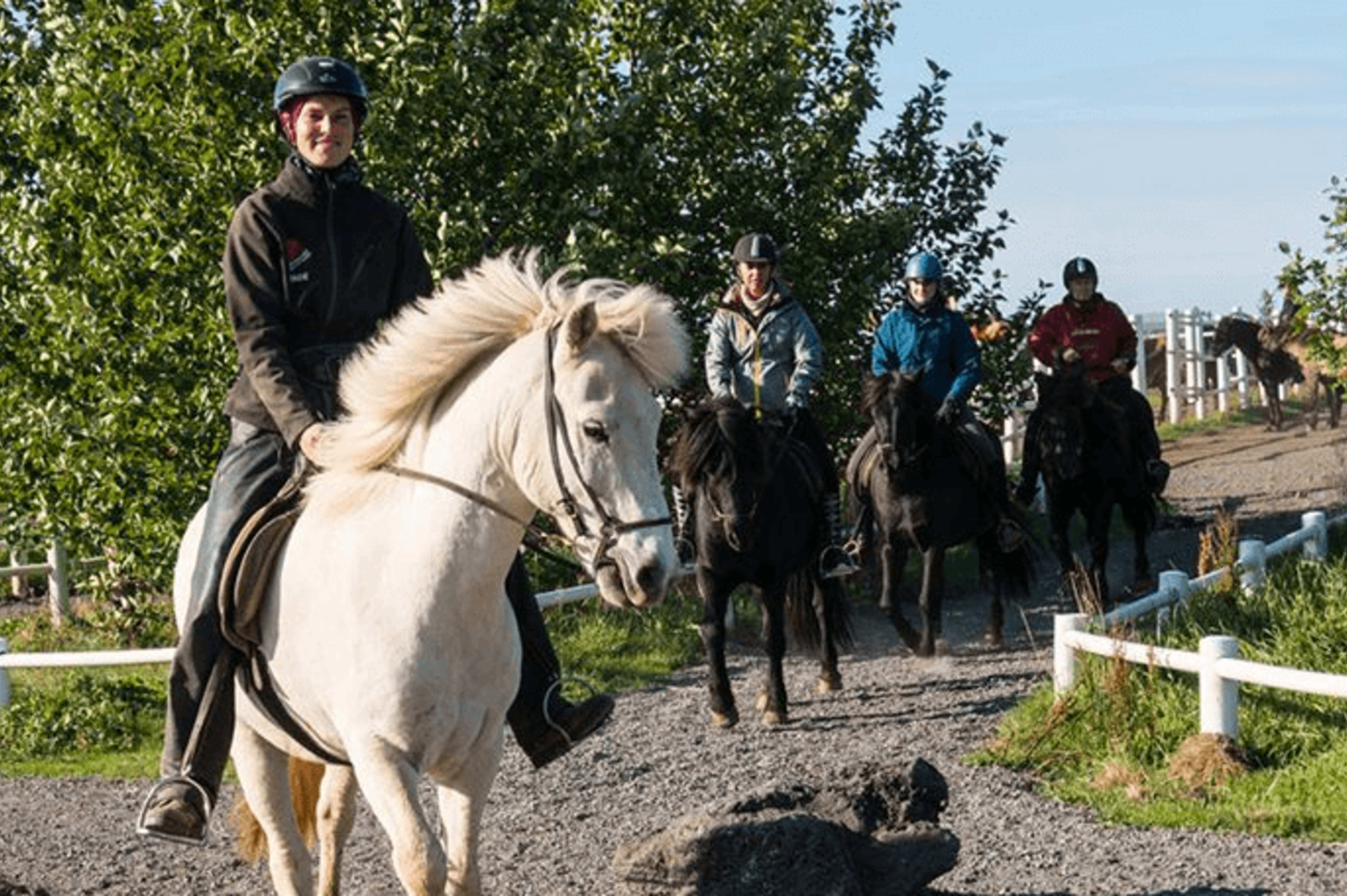
Horseback riding is a long-standing tradition in Iceland, but unlike what we usually imagine, the horses we'll be riding are a unique breed—the Icelandic horse! These horses don't quite resemble the horses we commonly see or imagine; they are typically smaller, with handsome features, and are gentle and adorable. Their small size makes them easy for everyone to mount, making them suitable for men, women, and children of all ages. Furthermore, Icelandic horses come in a variety of colors, including chestnut, dark brown, tan, and any color in between, each with its own name. In winter, they grow a particularly thick coat, helping them withstand the cold weather and making them look even more adorable! They also have a fringe on their forehead, below which are bright, expressive eyes; it's hard not to fall in love with them after meeting them in person.

Despite their small size, Icelandic horses are incredibly strong. In addition to the usual walk, trot, and canter, they also have two unique gaits: the tölt and the skeið or flugskeið. They can move quite fast, but you don't need to worry about them wobbling as they go at high speed. The Icelandic pony will support you steadily. Over time, you will feel as if you have developed a telepathic connection with it, trusting each other and riding more relaxedly, galloping alongside the pony.

Recommended group tours: Hot Spring Town Tundra Lava Field Horse Riding Experience Tour , Lava Field Horse Riding Experience Tour
In addition to these two traditional horse riding tours, Forest Cat Travel also offers Icelandic horse riding experiences on Vik's black sand beach , creating unique horse riding memories on Iceland's black sand beaches.
Whale watching at sea, get up close and personal with these giant marine creatures.
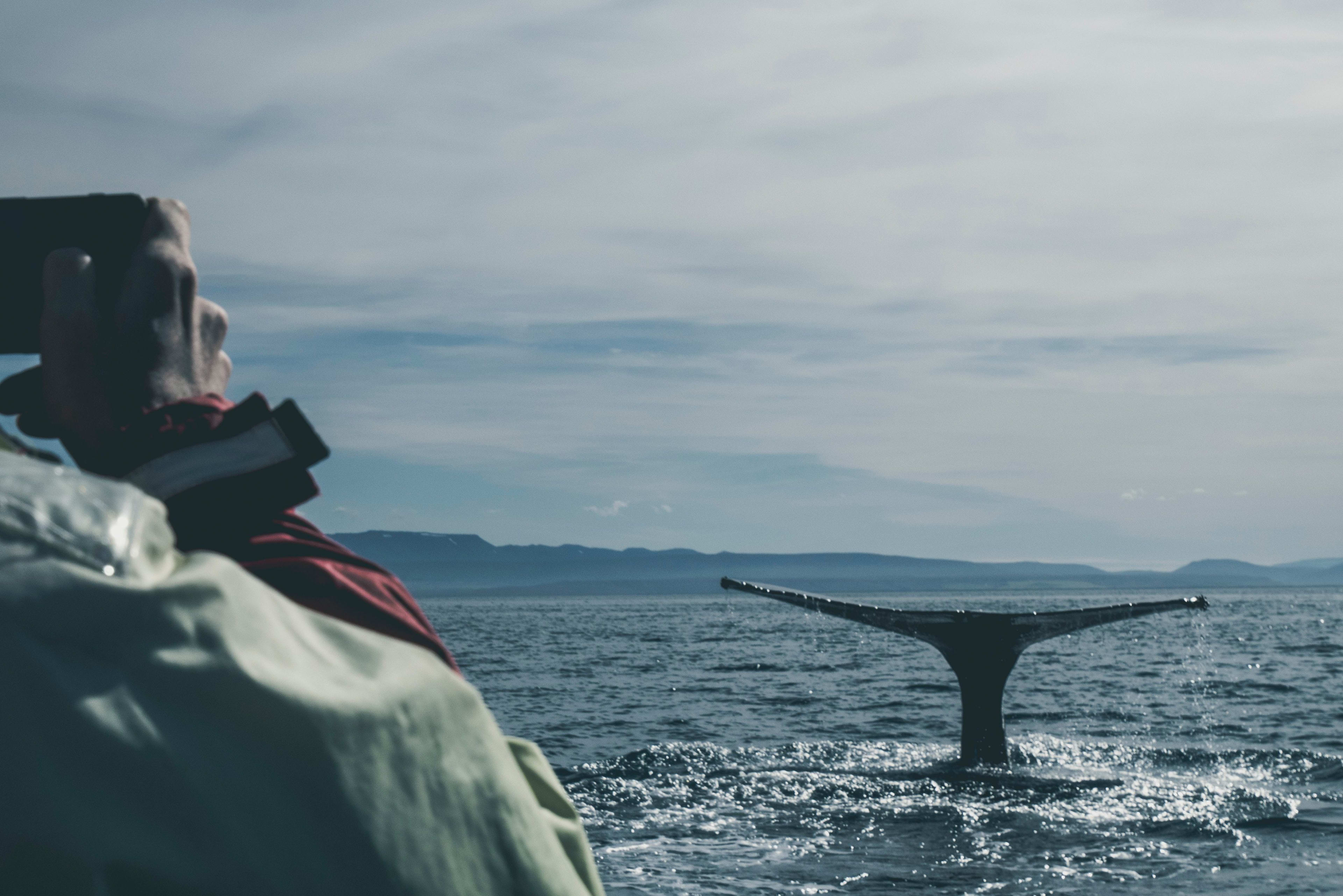
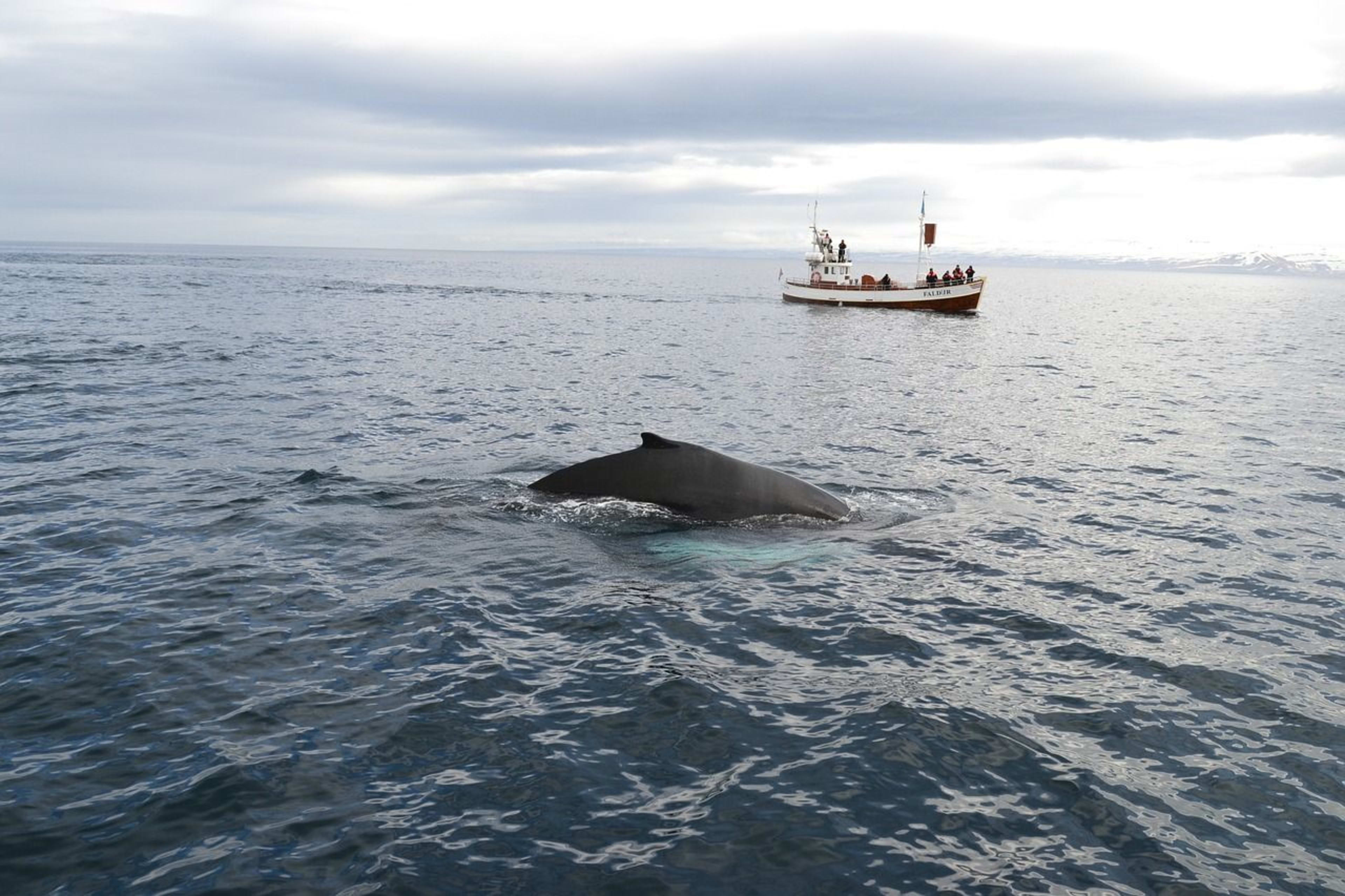
A trip to Iceland wouldn't be complete without experiencing whale watching! The waters surrounding Iceland are home to numerous whale species, including humpback whales, blue whales, and orcas. You can choose to depart from popular whale watching locations such as Reykjavik , Húsavík , or Akureyri , boarding a specialized whale watching boat to observe these magnificent marine creatures in the open ocean. To successfully whale watch in Iceland, you'll need to book a tour in advance. Experienced boat crews and professional guides will take you to witness the moment a whale breaches its shell!
Besides whale watching, whale watching tours in Iceland also offer breathtaking natural scenery. You'll travel through enchanting fjords, majestic coastlines, and towering icebergs, all blending seamlessly with the snow-capped landscape, creating a truly awe-inspiring experience. Even if you don't see any whales, a boat trip out to sea is a wonderful option.

When it comes to choosing a whale watching location, Húsavík is definitely a name that stands out. In the mid-1990s, Húsavík launched Iceland's first booked whale watching tours. Since then, whale watching has flourished in the town of Húsavík, making it a household name and earning it the title of "Europe's Whale Capital."
If you're an ocean enthusiast, a trip to Husavik will be an unforgettable experience. For the past thirty years, the average success rate for whale watching has exceeded 97%, sometimes even reaching 100%! Here, you can witness whales feeding, breaching, slapping the surface, or simply shoving their heads above the water – a truly breathtaking spectacle. Who knows what animals you might encounter on this whale watching trip? Hold your breath, and you might just spot a curious minke whale, a humpback whale breaching the surface, playful dolphins, or even the blue whale, the largest mammal on Earth! If you'd like to learn more about these amazing marine creatures, a visit to the whale museum and the chapel by the harbor before exploring the area further will be incredibly enriching.

It's worth mentioning that because whale watching in Husavik is so renowned, many people tend to underestimate the success rate of whale watching in Reykjavik. However, based on past experience, it must be said that whale watching trips from Reykjavik also offer the chance to see whales surfacing and seemingly greeting visitors. If you don't see any, it's likely just bad luck, but don't worry, there are always second chances. Good luck!
Recommended group tours: Reykjavik classic whale watching tour , Husavik whale watching tour
Take a Golden Circle tour and experience the captivating autumn colors of this classic route.
- Thingvellir National Park
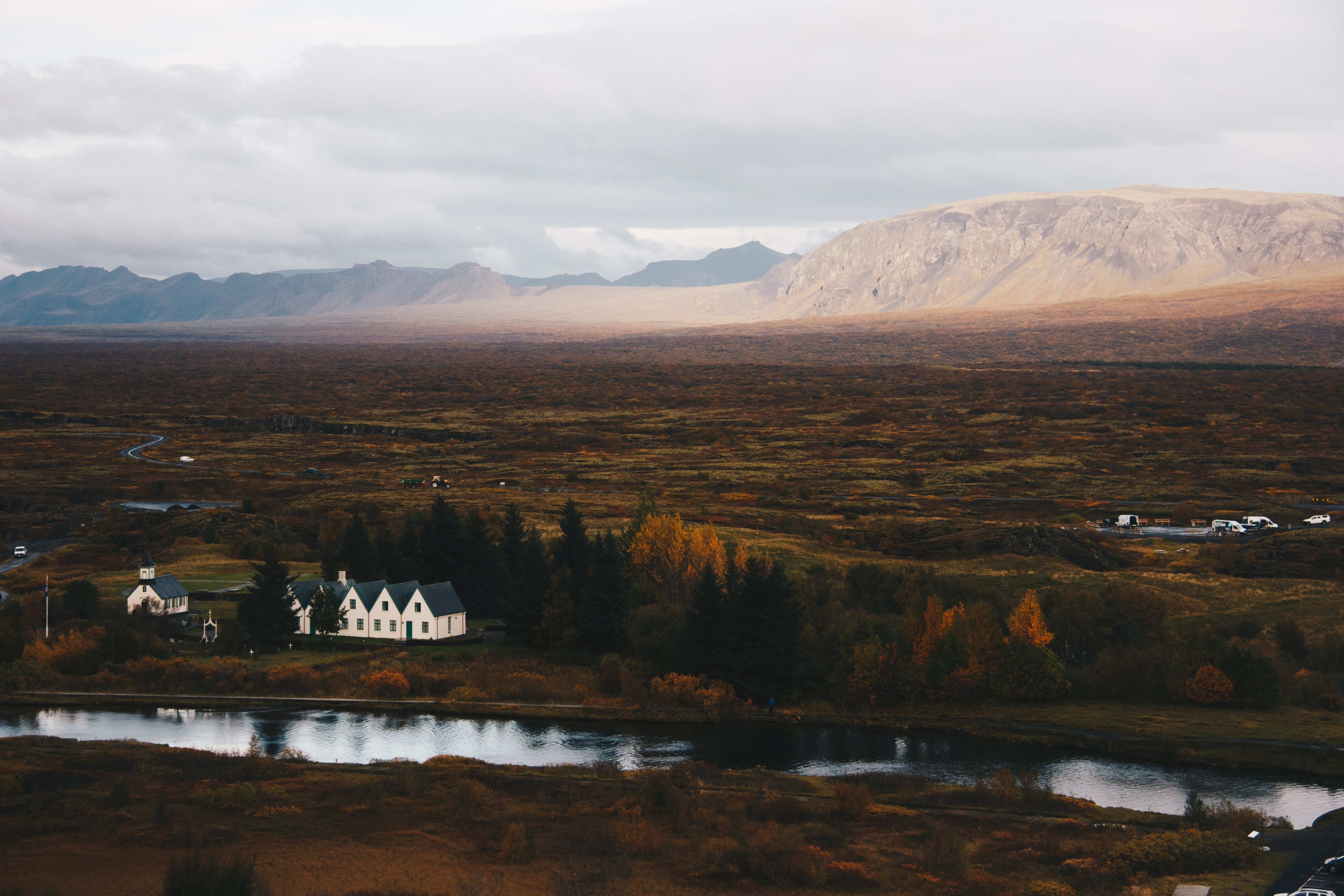
A trip to Iceland wouldn't be complete without exploring the famous Golden Circle route . The first stop is Þingvellir National Park . Here, you can experience the captivating blend of Icelandic history and natural beauty; it's also Iceland's only UNESCO World Heritage Site. In the 9th century AD, the first settlers established themselves in southern Iceland. As society developed, they believed that gatherings would help resolve disputes and create a more equitable society, and Þingvellir was chosen as the meeting place. In 930, it became the site of Iceland's, and indeed the world's, first parliament, a position it retained until 1798. This makes it the original site of the world's oldest surviving legislative body, and it was also the location of Iceland's declaration of independence and the appointment of its first president in 1944.

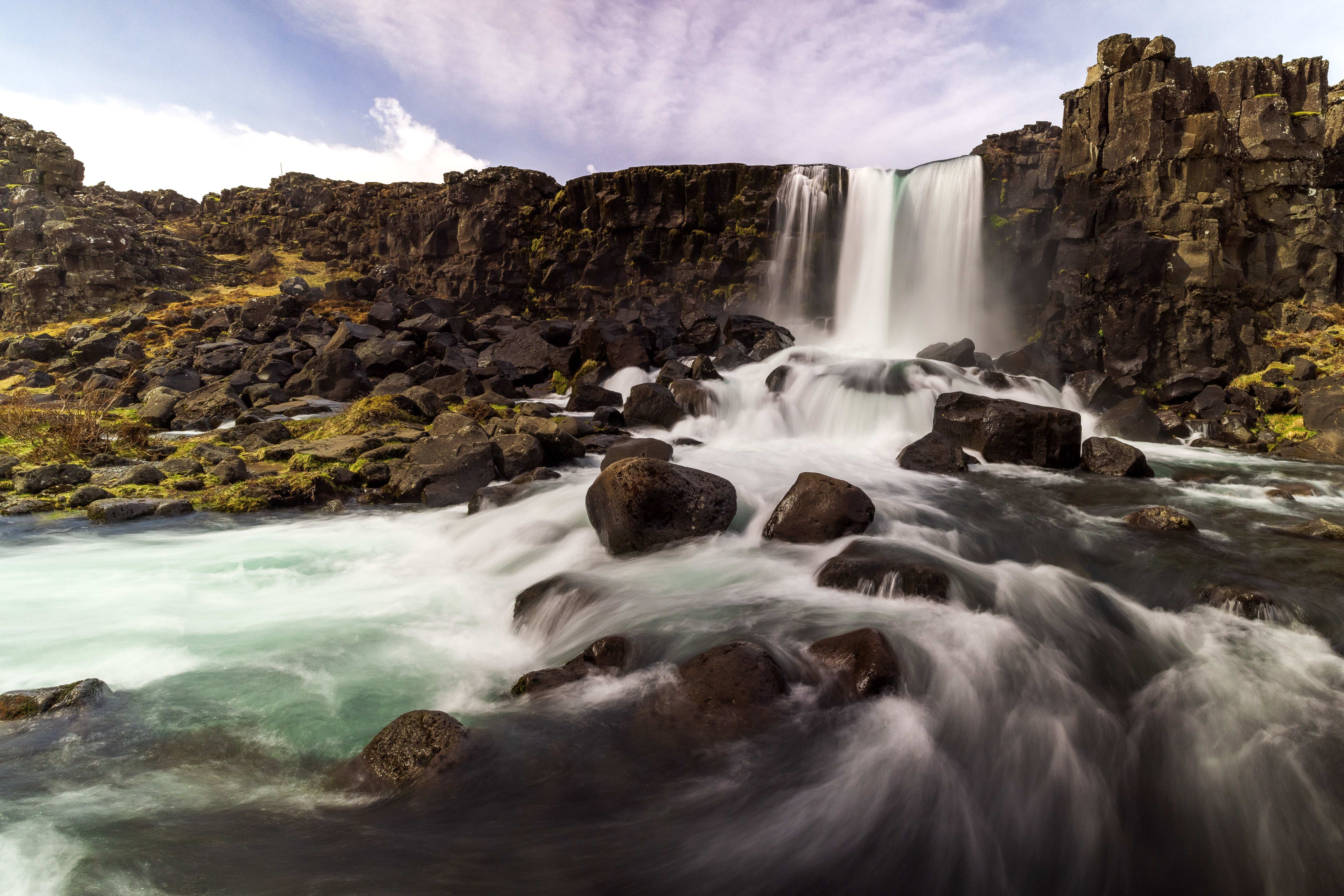
Thingvellir National Park, nestled in the rift valley between the North American and Eurasian tectonic plates, has been slowly eroded over millions of years, creating breathtaking cliffs, rushing rivers, and deep canyons that add to its unique charm. In Thingvellir, you can traverse "Earth's most beautiful scar," experiencing the wonder of having "Europe on one side and America on the other," with your feet firmly planted on the American continent. Walk along the trails to admire the beauty of Þingvallavatn, Iceland's largest natural lake, stroll along its shores and chat with various wild birds, enjoy the scenery of Almannagjá Gorge (a filming location for Game of Thrones), and stand atop Öxarárfoss waterfall to experience the thunderous roar of the water. Visit Thingvellir during the National Day Golden Week holiday to experience the boundless beauty of autumn.

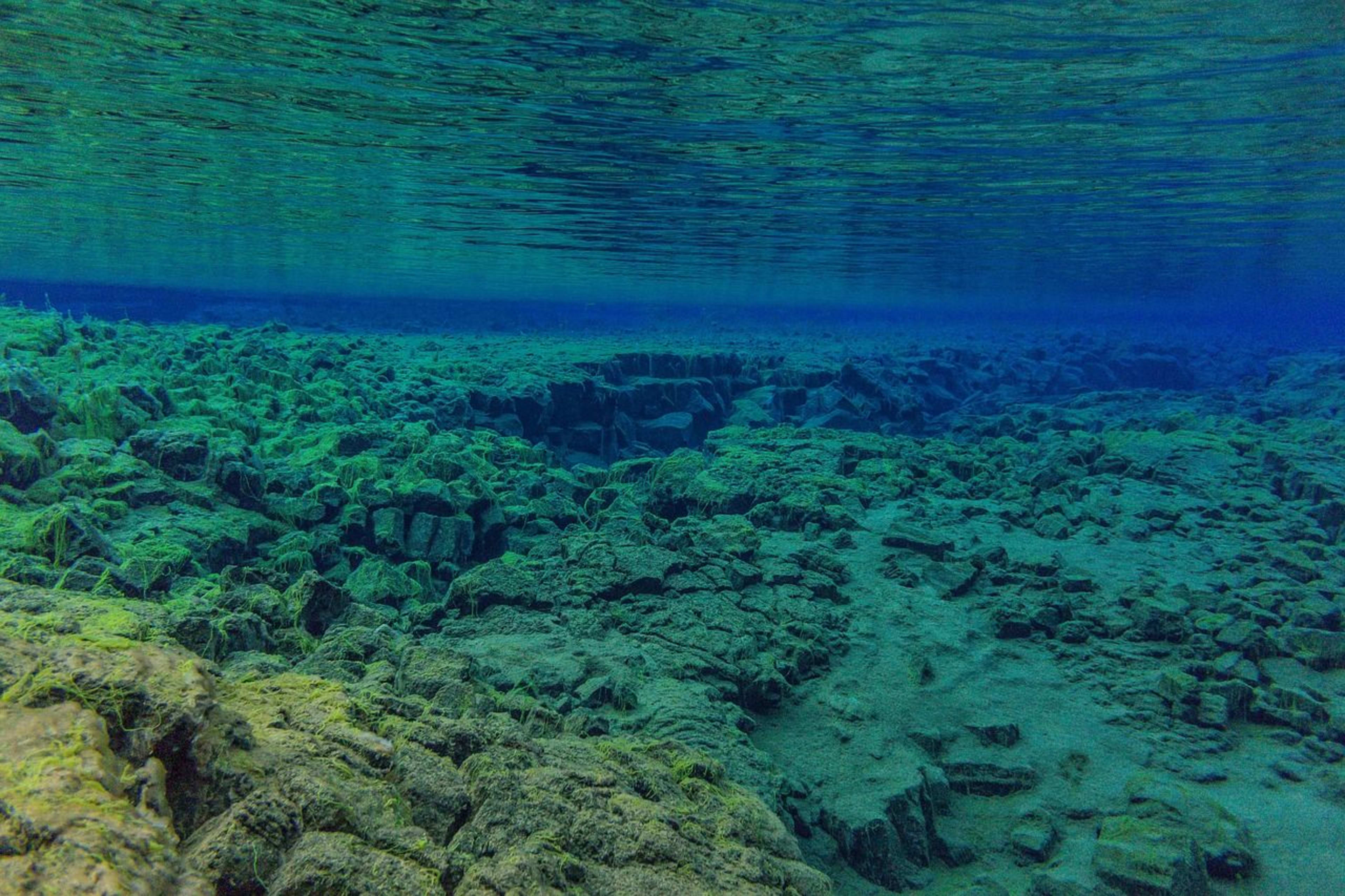
If you're interested in diving, consider snorkeling at Silfra, one of the world's top ten diving spots. Silfra's most captivating feature is its unparalleled underwater world—pure, transparent, and vibrantly colored, a truly dreamlike experience. Here, meltwater from the Languedoc-Jürg Glacier flows continuously and never freezes, ensuring clear visibility even underwater. Snorkeling is possible year-round, and no diving certification is required. Wear a drysuit; it will keep you dry and warm in the icy water. Once you're underwater, you'll be awestruck by the breathtakingly beautiful and romantic underwater scenery—a sight that feels like a dream come true!

Recommended group tour: Silphura Rift Valley snorkeling
- Geyser Geyser
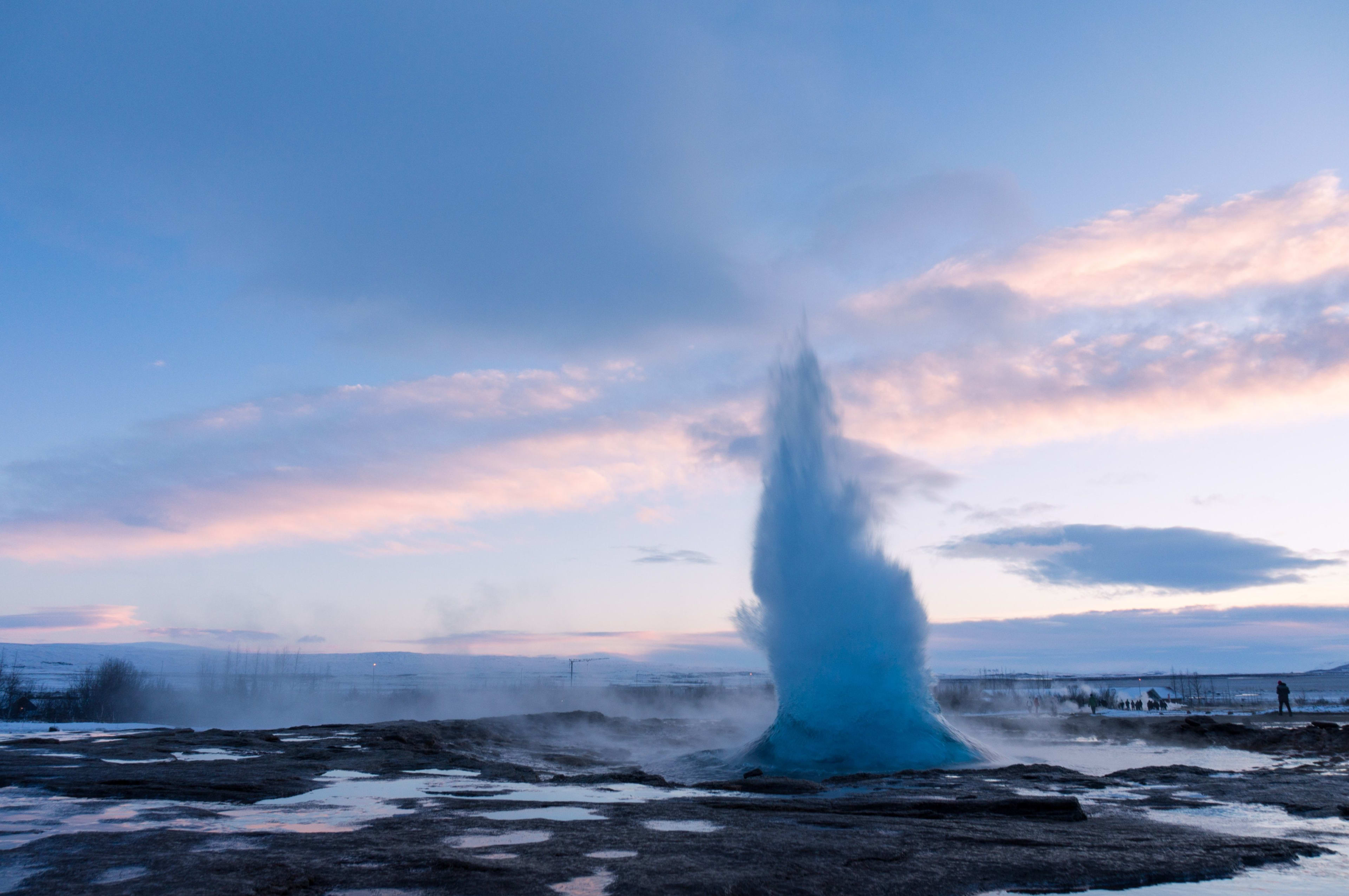
At the Great Geysir in the famous Haukadalur geothermal area, you'll witness the magnificent spectacle of water jets shooting into the sky, truly experiencing what it means to "stand out from the heavens." The Great Geysir , also known as the Geyser, is the earliest recorded geyser in European literature, having been active for approximately 10,000 years, a testament to the Earth's vitality. However, don't have high expectations now: the Great Geysir has almost disappeared from the scene, only becoming active during the months with the most seismic activity, and rarely erupting otherwise. Today, the smaller Strokkur geyser nearby has gradually taken its place as the rising star, shooting upwards approximately every 8-10 minutes, spewing boiling water columns tens of meters high into the air. Large amounts of steam and water vapor are generated, creating a hazy mist in the surrounding air. On a clear day, the mist and sunlight reflect off the water, producing a vibrant rainbow, making the entire scene even more mysterious and beautiful. After the eruption subsides, the geyser returns to its tranquil state, as if the burst of energy were merely a fleeting dream. To ensure you don't miss this thrilling and exciting moment, you must remain focused and alert. Get your camera ready to capture this breathtaking instant!

- Golden Falls
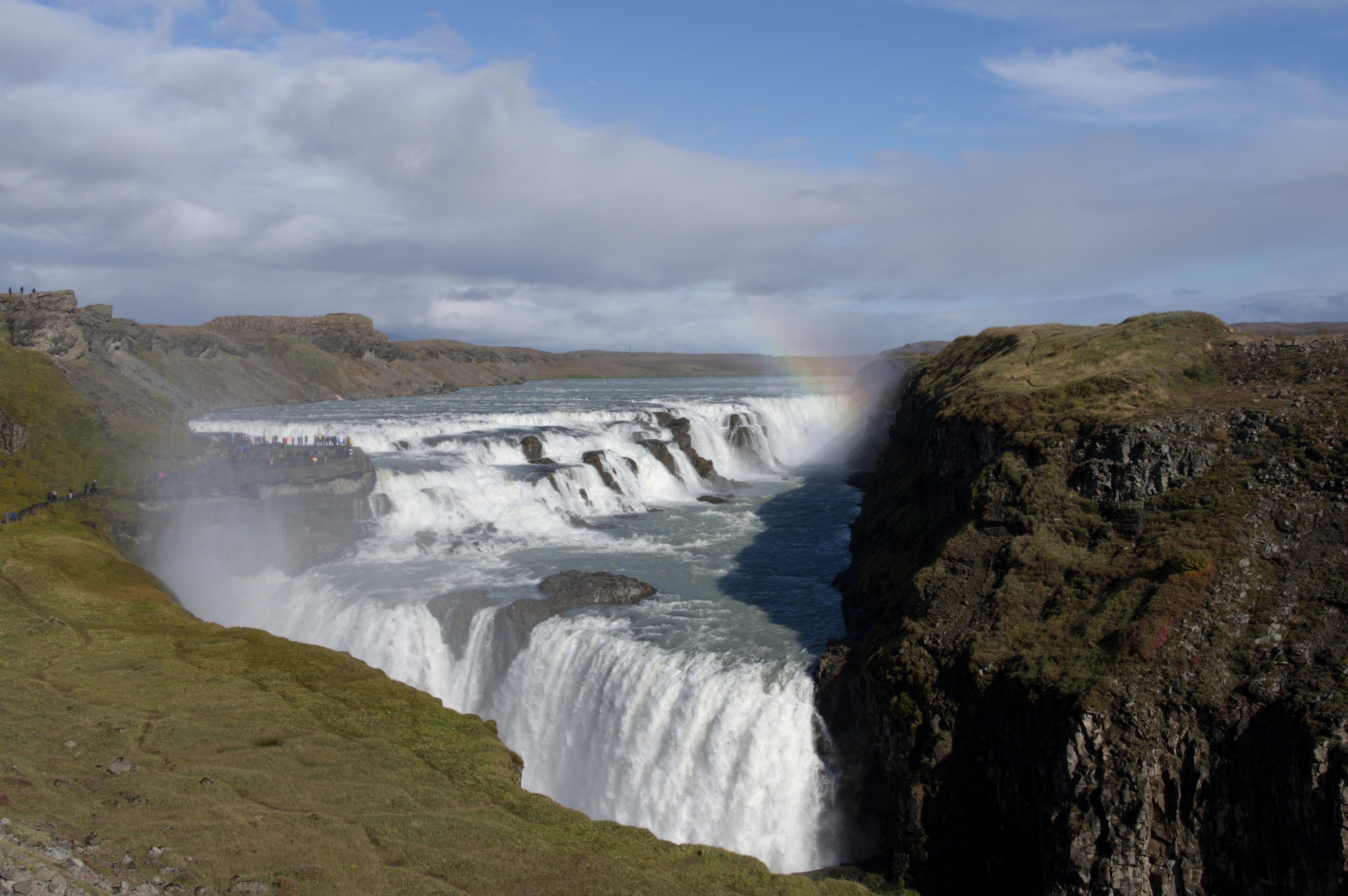
Gullfoss, one of Iceland's most beautiful and powerful waterfalls, is fed by the Hvítá River, formed from the meltwater of the Langjökull glacier. The water cascades down two tiers of rock face, approximately 32 meters high, creating a spectacular and unique sight. Standing on the viewing platform, you can directly experience the immense power of the falls, feeling a sudden roar. Getting too close can also result in being unexpectedly drenched. Gullfoss also has a remarkable story: in the early 20th century, when British developers attempted to build a power station using its incredible hydroelectric power, the falls nearly disappeared. However, thanks to the tireless efforts of Sigridur Tómasdóttir, the daughter of a landowner on a nearby farm, the plan was ultimately abandoned. This made her Iceland's first environmentalist and instilled the concept of protecting Iceland's natural beauty in the public consciousness. In 1978, a monument was erected in her honor on the cliff overlooking the falls, recognizing her efforts in protecting Gullfoss. After visiting Gullfoss, you will not only gain a deeper understanding of the magnificent power of nature, but also develop a sense of awe for Iceland's nature conservation efforts.

The entire Golden Circle route can be easily completed in a day. Many group tours utilize a "9-to-5" schedule to visit most of the attractions along the route, but if you're driving yourself, you have more autonomy. You can choose how long to spend at each attraction, and even visit nearby farms, towns, museums, and other sites not included in group tours. For a comprehensive Golden Circle experience, consider our classic one-day tour – a single day is all you need to fully enjoy the Golden Circle. In addition, Forest Cat Travel's South Coast tour packages also include Golden Circle attractions, and after the Golden Circle tour, continue to explore the South Coast to witness even more of Iceland's richer landscape.
Glacier hiking: Traverse the snow kingdom and experience boundless magnificence.
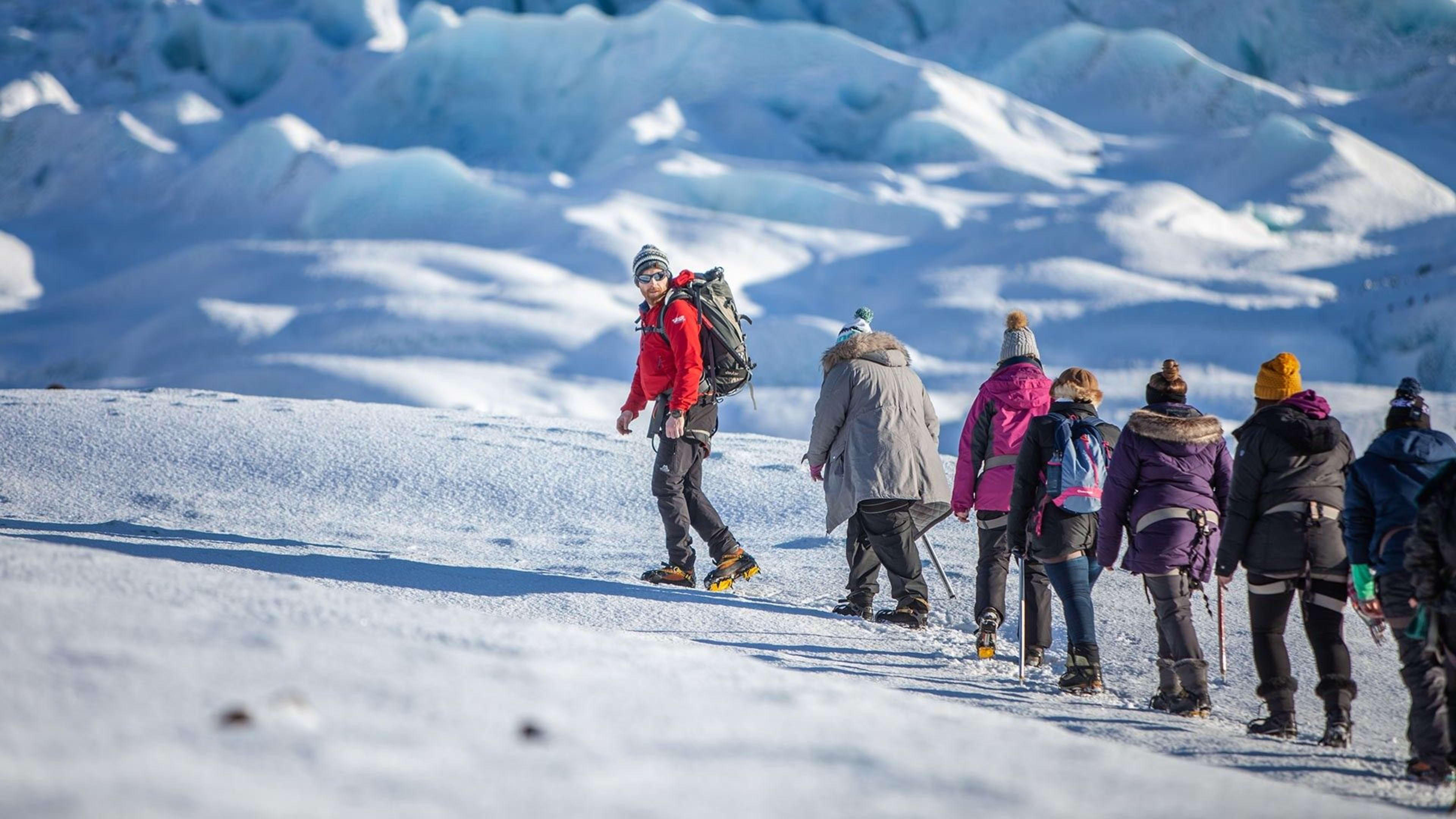
Glaciers are one of Iceland's most precious geological assets, covering 10% of the country's land area. Glacier hiking has always been a popular activity in Iceland, and standing on a glacier overlooking the world will be an unforgettable experience.
Among Iceland's many glaciers, Skaftafellsjökull is a popular destination for glacier hiking on the south coast of Iceland. Part of Vatnajökull , the largest glacier in Europe, Skaftafellsjökull is covered with a vast expanse of crystal-clear ice. Walking on this millennia-old glacier feels like stepping on a magnificent sapphire. Therefore, Skaftafellsjökull has always stood out among Iceland's glaciers for its stunning beauty, attracting many photographers and hiking enthusiasts.

Furthermore, Skaftafell Glacier served as a filming location for the icy planet Mann in the science fiction film *Interstellar*, and was also a key filming location for *Game of Thrones* in Iceland. Its sprawling glaciers and unique landscape give it an otherworldly feel, offering a mysterious and spectacular visual experience.
Recommended group tour: Skafta Glacier hike
Besides Vatnajökull, Sólheimajökull, located in southern Iceland, is another popular glacier hiking destination. Part of the Mýrdalsjökull glacier, it means "House of the Sun." Situated about 158 kilometers east of Reykjavik, near the main road between Skógafoss and the town of Vík , Sólheimajökull is renowned for its rich glacial features. Its surface ice blocks form stunningly diverse blue ice cliffs, icefalls, and ice canyons, creating a dreamlike atmosphere. On Sólheimajökull, you can participate in various glacier exploration activities such as hiking, ice cave exploration, and glacier climbing, and learn about glacier formation, glaciology, and geology. Like other glaciers, Sólheimajökull is melting faster and smaller each year; if global warming continues, it may disappear completely. Therefore, seizing the moment to witness its magnificence is undoubtedly one of the most unforgettable experiences of your life. At the same time, the melting of glaciers also serves as a reminder of the importance of environmental protection, which is also related to the survival of every inhabitant on Earth.
Recommended group tour: Solheima Glacier Hiking
Before hiking on the glacier, after learning about the local climate and weather conditions and wearing appropriate equipment, a professional guide will provide explanations and training. You will also learn about Iceland's topography, which is very interesting.
Encounter the South Bank Falls and explore the ancient Skóga culture.
- Seljalandsfoss
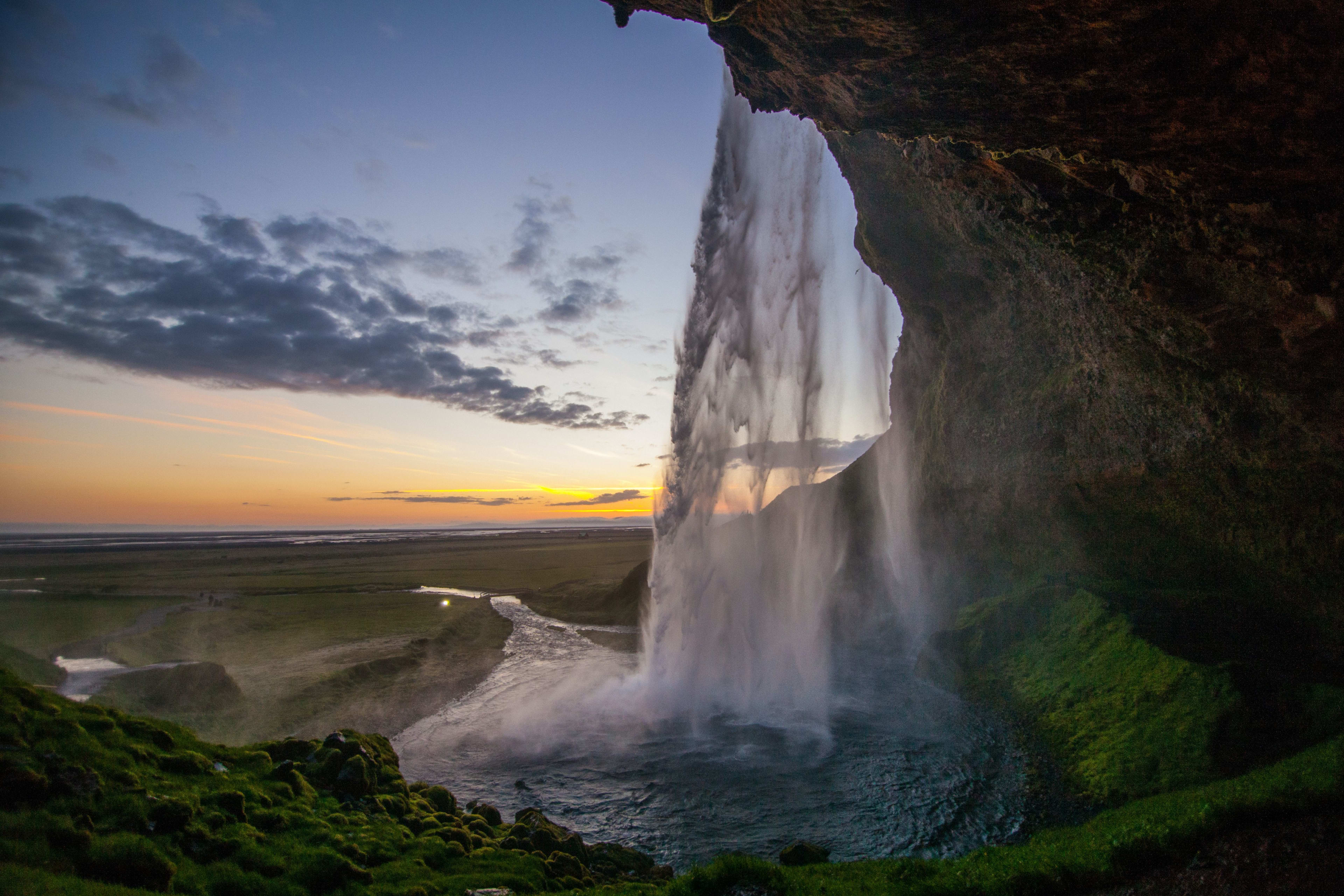
Seljalandsfoss, located in southern Iceland, borders the Ring Road (Route 1) and boasts a vertical drop of 60 meters. A trip to Iceland without visiting Seljalandsfoss would be a huge disappointment! Iceland is known as the "Land of a Thousand Waterfalls," and among its many waterfalls, Seljalandsfoss is arguably the most elegant and beautiful. In the golden autumn of October, the waterfall cascades down the cliff, its white waters contrasting beautifully with the surrounding green-to-yellow hillsides, meadows, fragrant wildflowers, and babbling brooks. At sunrise or sunset, the sun shines on the waterfall's curtain of water, transforming it into a beautiful, shimmering mist that is truly mesmerizing. It is thus considered Iceland's most photogenic waterfall and a favorite spot for photographers. What's particularly special is that there's a path behind the waterfall that visitors can walk along, letting the tiny water droplets gently caress their faces, standing behind the huge curtain of water to admire a different kind of scenery, and when the sunlight shines on the waterfall's curtain of water, watching that magnificent and dazzling mist, marveling at its beauty as it hangs alone on the mountainside, yet blends seamlessly with its surroundings.

- Skóga Falls
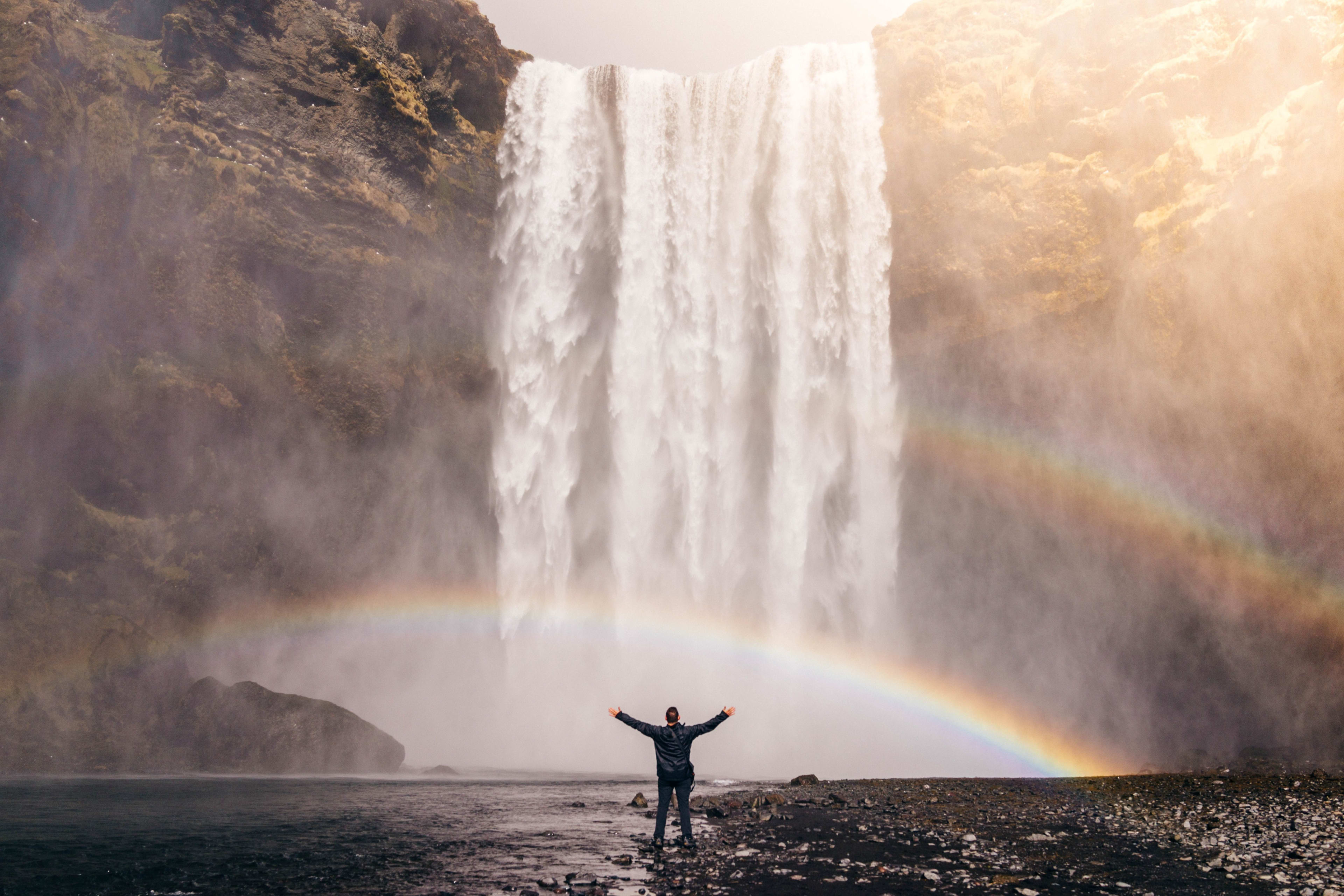
Compared to Seljalandsfoss, Skógafoss has a larger volume of water. In summer, it cascades down the verdant cliffs on both sides, earning it the nickname "Forest Waterfall." As autumn and winter approach, the surrounding moss adds a touch of autumn color, creating a unique and captivating scene of layered peaks. Standing beneath Skógafoss and feeling the force of its waters will leave you breathless and awestruck. Furthermore, you can climb the side steps to the top of the falls and admire its magnificent grandeur while enjoying panoramic views of the south bank. On a clear day, you might even witness a rainbow formed by the spray and sunlight, and if you're lucky, a double rainbow. Why not make a wish upon this beautiful rainbow?

If you'd like to learn about life in Iceland over the past few centuries, not far from Skógafoss is the Skóga Museum, which documents the early history of Icelandic life in the Skóga region. The museum features turf houses and various agricultural tools, allowing you to delve into Icelandic agriculture, fishing, and handicrafts. While the museum isn't on any main tour itinerary, if you choose one of Forest Cat Travel's 7-day Iceland Summer Self-Drive Tours or other self-drive tour packages, renting a car and driving to the south coast, you can experience the folk culture of Guskov and truly gain a deeper understanding of Iceland.
Standing on the black sand beach, one can feel the mystery and desolation of time's passage.
- Vik Black Sand Beach
After admiring the waterfall, you can head to another unique Icelandic landscape: the black sand beach, unveiling its mysteries. On the south coast, Reynisfjara Black Sand Beach, arguably Iceland's most famous and impressive black sand beach, will leave you breathless. Unlike the golden beaches of the past, at Vik Black Sand Beach, towering basalt columns stand majestically on the shore, with surging waves crashing against the black sand, creating a minimalist black-and-white spectacle. This exotic beauty has made it a favorite filming location for many popular movies and TV shows.

According to local legend, the Reynisdrangar sea stacks beside the black sand beach were formed from a troll bathed in sunlight, adding to the mysterious and eerie atmosphere. Today, they mostly serve as habitats for seabirds.
However, Vik black sand beach is both charming and dangerous. If you get too close to the sea, you may be ambushed by the fierce waves and swept into the sea. Don't get so caught up in the beauty that you ignore the power of nature.
- aircraft wreckage
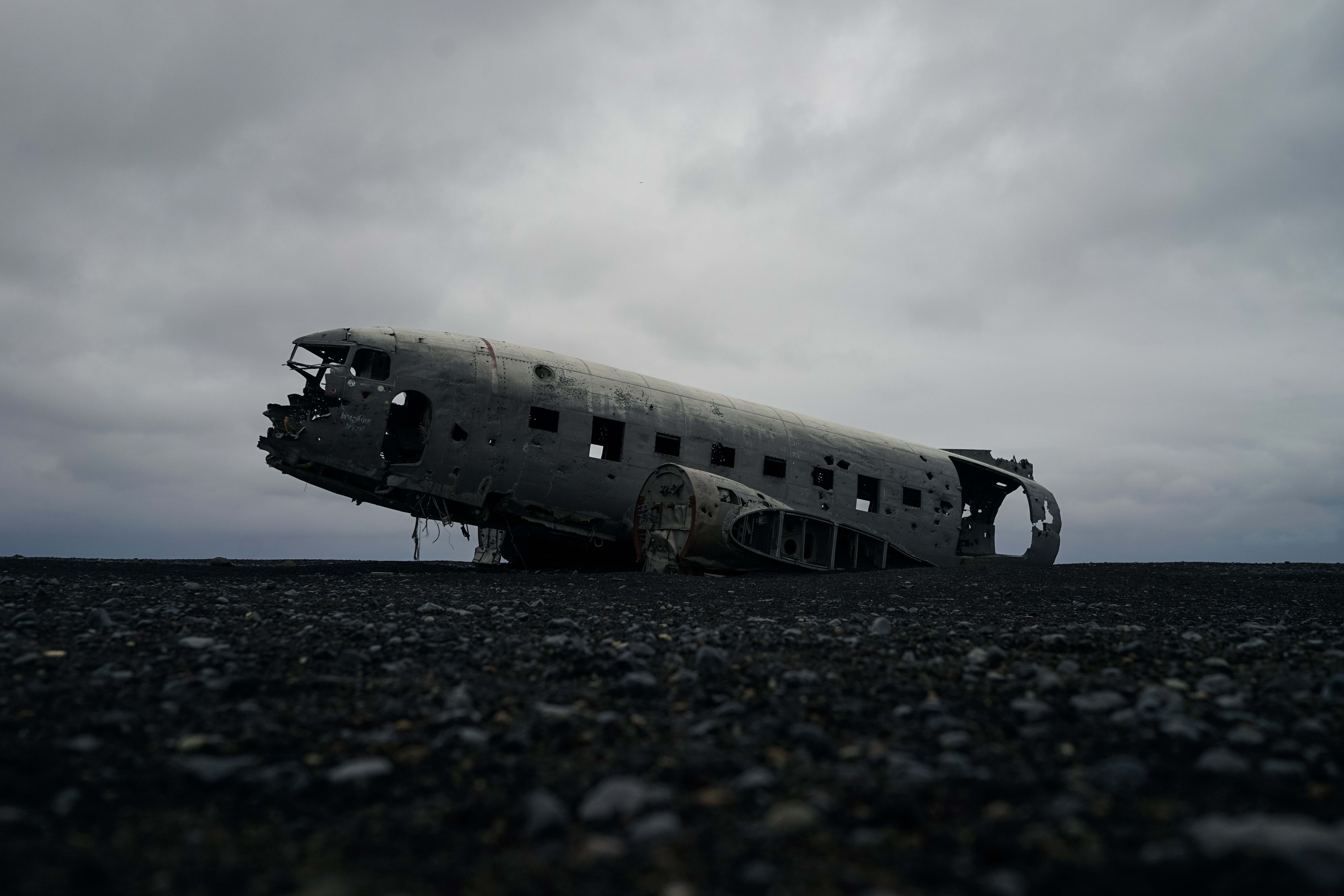
If you've already been captivated by Iceland's breathtaking natural beauty, there's a site on its south coast that's a beautiful accident scene— the aircraft wreckage site . Unlike other natural attractions in Iceland, this is a man-made accident, imbued with a strong sense of historical chance. In 1973, the wreckage of a DC-3 aircraft crashed on the black sand beach of Sólheimasandur in southern Iceland. Fortunately, all crew members survived the crash, and nearby residents rushed to the rescue. The US Navy also tried to repair parts, but ultimately abandoned the aircraft. The tail section was later removed by an Icelander. Afterwards, almost everything usable on the plane was removed, leaving only the fuselage and engine mounts, left to be weathered by the sea breeze, adding a desolate beauty that evokes the feeling of witnessing a warplane's demise in a movie. Now, 40 years later, the wreckage has remained there, its unique metallic lines and texture reflecting Iceland's distinctive natural environment, its history gradually being concealed by the passage of time. It's worth noting that you need to book a round-trip transfer service to the Plane DC-3 aircraft wreckage to get to the wreckage .

A cruise on the glacial lake offers a pure and tranquil escape that soothes the soul.
- Jökulsárlón Glacier Lagoon
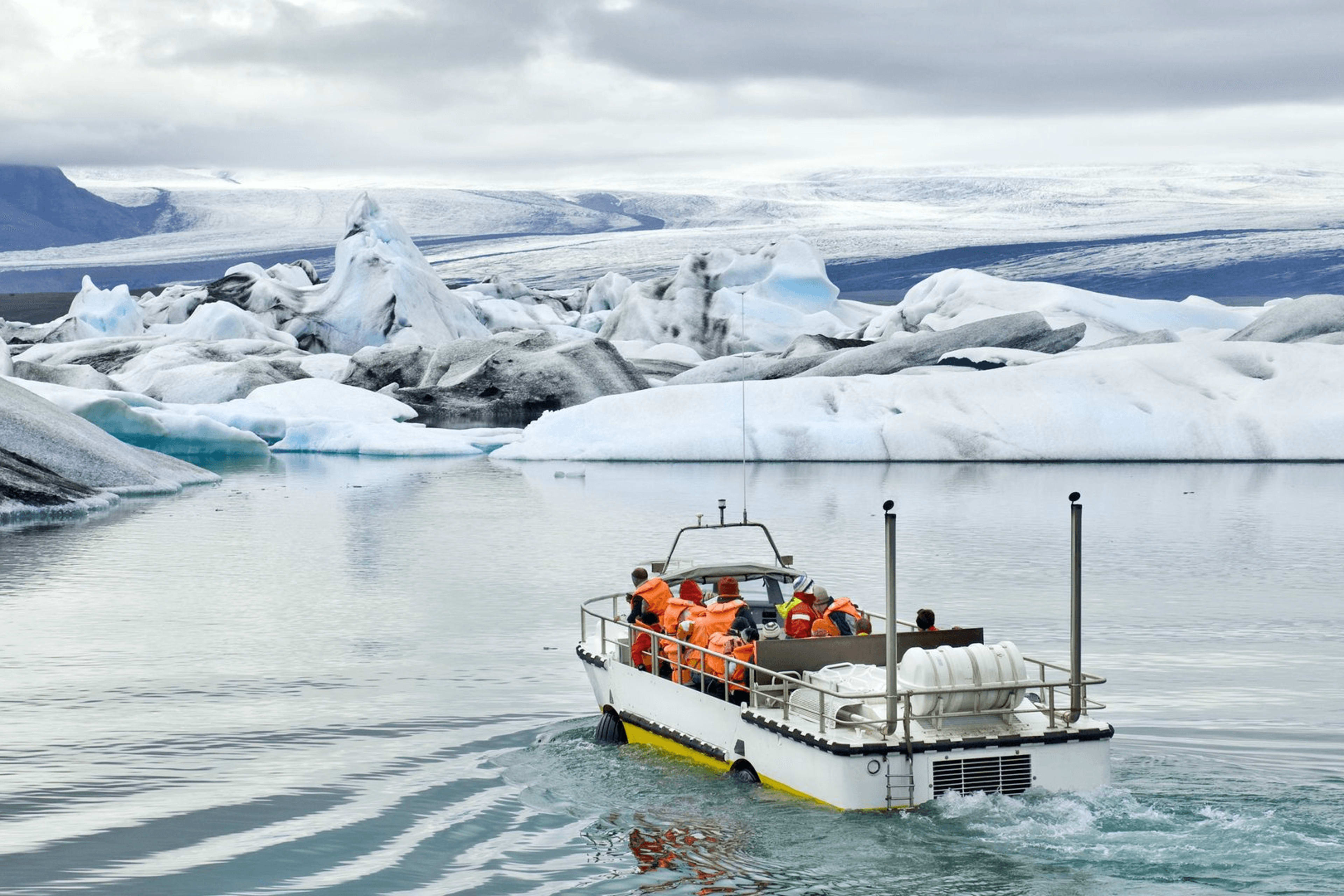
Jökulsárlón, a glacial lagoon located along the Ring Road in southeastern Iceland, was formed by the melting of a natural glacier. Reaching depths of several hundred meters, its azure waters are dotted with icebergs that have broken off from the edge of the Breiðamerkurjökull glacier, creating a breathtaking spectacle. A visit to Jökulsárlón wouldn't be complete without a glacial boat tour. As you sail onto the lagoon in an amphibious boat , you feel as if you've entered a frozen ocean, surrounded by icebergs of various shapes and sizes, bobbing up and down. While these sights can be seen from the shore without a boat tour, only a boat trip on the lagoon truly allows you to immerse yourself in the magnificent glacial landscape, leaving a lasting and moving impression. In addition, another highlight of the tour is the chance to see adorable creatures – lazy baby seals sleeping on the ice floes – a sight that will leave you wanting more.

- Diamond Beach
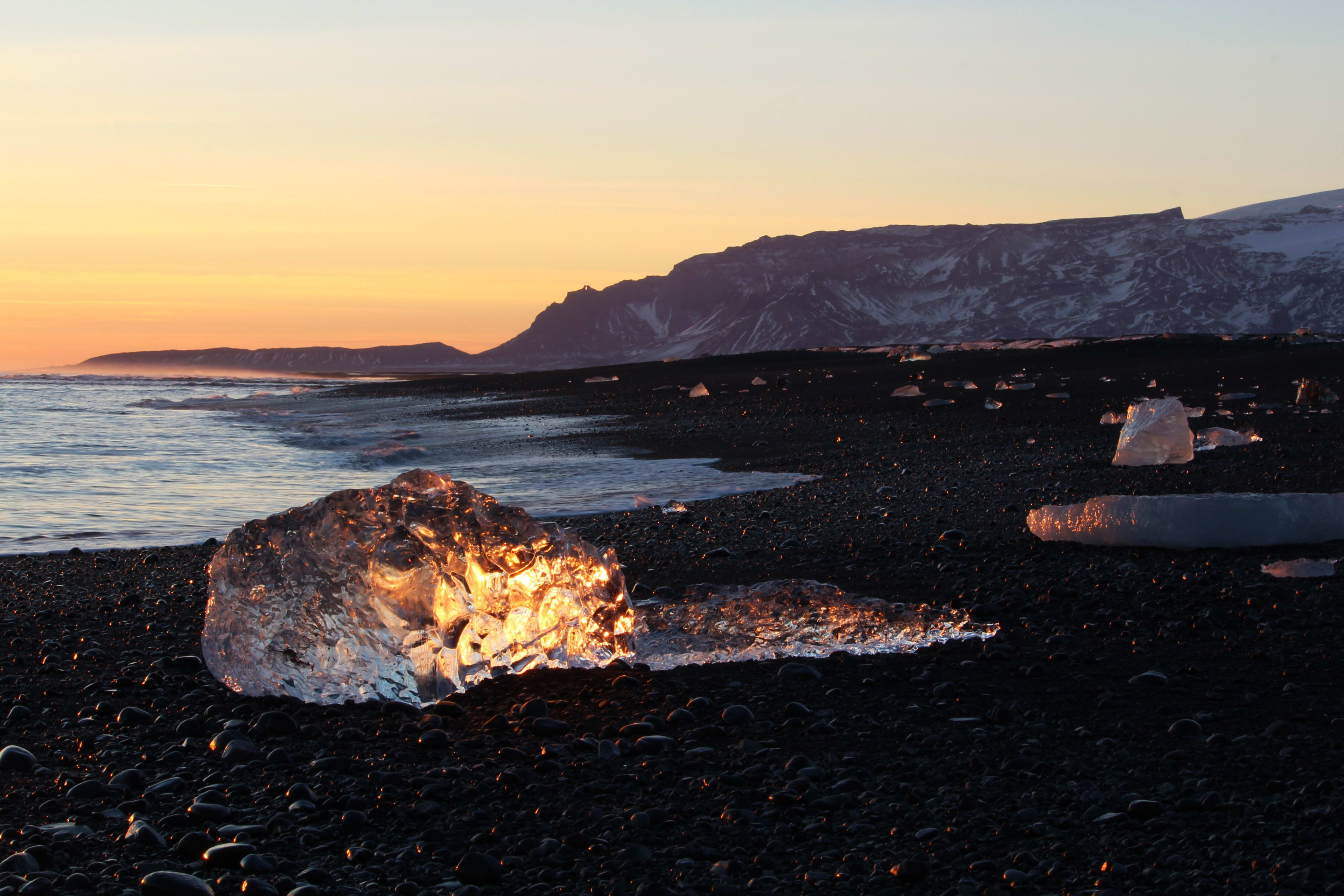
As the Jökulsárlón Glacier Lagoon flows into the Atlantic Ocean through a narrow inlet, the glaciers within are washed ashore by undercurrents. Freezing in the frigid air, the white, transparent, or blue, shimmering ice crystals, scattered like diamonds on the black sand, create another surreal natural spectacle. This is a beach with a very poetic name: Diamond Beach .

It's important to note that when visiting the Glacier Lagoon and Diamond Beach, do not attempt to jump onto the floating icebergs. New icebergs are constantly breaking off from the glacier, and while some tourists may not seem to care, it's extremely dangerous! Resist the temptation to step onto any iceberg, as doing so could cause it to capsize and plunge you into the lake.
Seljalandsfoss, Skógafoss, glacial lagoon, black sand beaches, and other attractions are often found on Iceland's south coast. Therefore, tourists who want to fully appreciate the scenery of the south coast can join a 1-3 day South Coast tour ( 3-day South Coast tour , 2-day South Coast tour , and classic 1-day South Coast tour ) depending on the number of days in their itinerary. You will follow our guided tour to experience the endless charm of the south coast.
Wandering eastward, witnessing the rich autumn colors of the eastern fjords.
Compared to the famous South Coast attractions, Iceland's East Fjords are somewhat less well-known and less crowded. The East Fjords are arguably one of Iceland's wildest and most pristine areas. Here, you can enjoy panoramic mountain and sea views, and explore more rugged, varied, and challenging terrain. Legend has it that monsters and elves from Norse mythology once lived among the diverse rock formations of the East Fjords. Furthermore, the East Fjords are an important habitat for wildlife. Driving through the fjords, you'll have the chance to see Icelandic caribou roaming freely, and you can also visit Hallormsstaðaskógur, Iceland's largest national forest, boasting rich and diverse vegetation. Seeing a forest is a rare treat in Iceland! In September and October, the grasslands, tundra, rocks, and forests on the hillsides gradually transform from green to golden yellow and deep red, creating a rich and vibrant tapestry of warm and beautiful colors. The East Fjords are peaceful and serene, with houses nestled among the mountains and water, forming unique eastern towns. You can visit Egilsstaðir, the largest town in the east , and Seyðisfjörður, the filming location for "The Secret Life of Walter Mitty " (where the famous Rainbow Road is located), to explore a fairytale world.
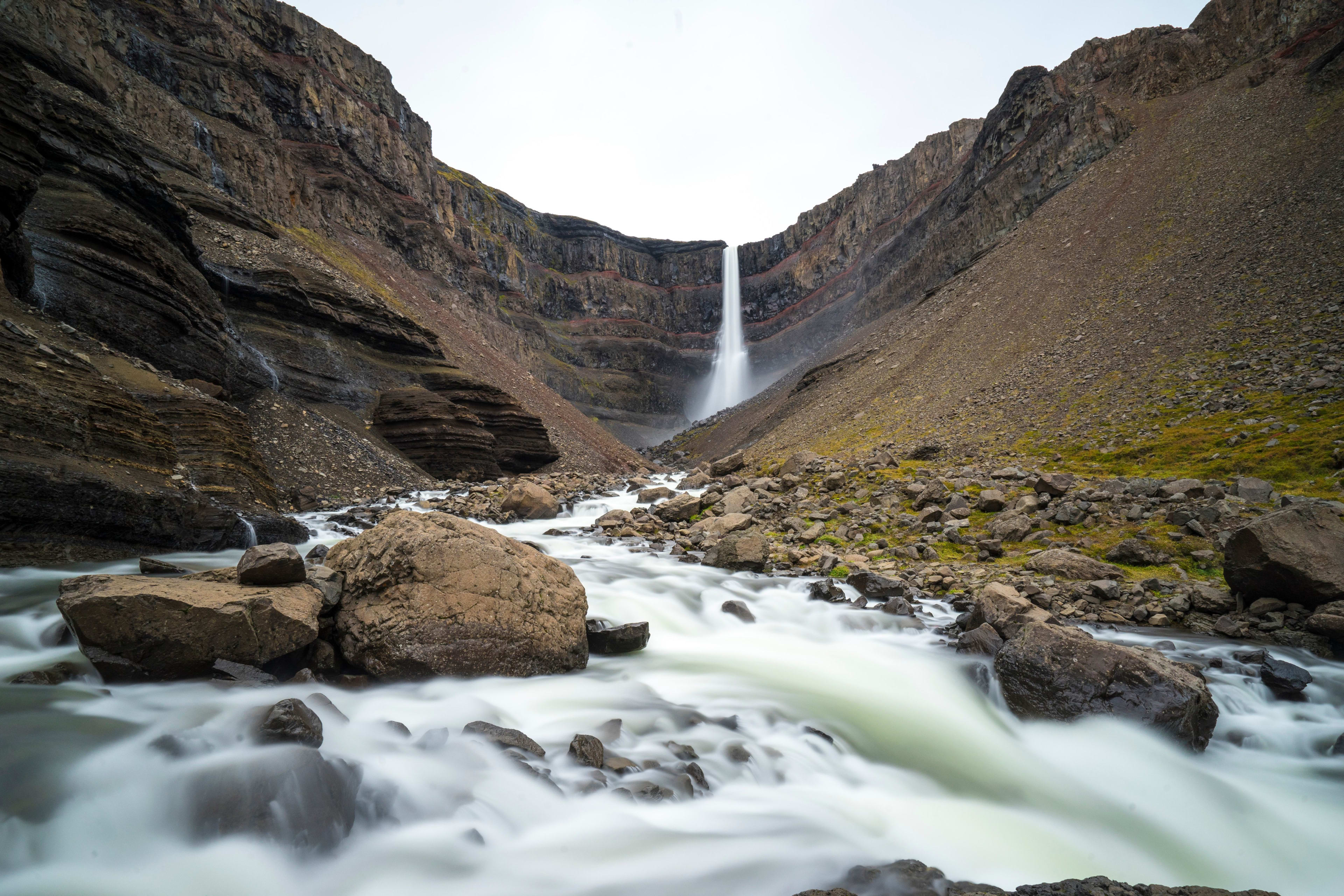
In addition, Hengifoss, Iceland's third highest waterfall, is also a must-see. The falls cascade down through black and red basalt formations, creating a spectacular sight with its dramatic drop. In autumn, the flow is less, allowing for closer viewing and even access to the caves behind the falls. Hengifoss eventually flows into the Lagarfljót river on the plains. Legend has it that a snake-like monster, a cousin of the Loch Ness Monster, lives in the river—perhaps you might even have a mysterious encounter with it!

A Diamond Circle Tour: Explore the Mysterious and Dreamlike Realm of Lava.
During the National Day Golden Week holiday, besides enjoying the well-known scenery of the south, northern Iceland also offers unique landscapes and scenery waiting to be explored. In the north, there is also a classic tourist route – the Diamond Circle, which mainly includes Lake Mývatn, Goðafoss, Dettifoss, Ásbyrgi Gorge, and surrounding attractions.
- Lake Mi
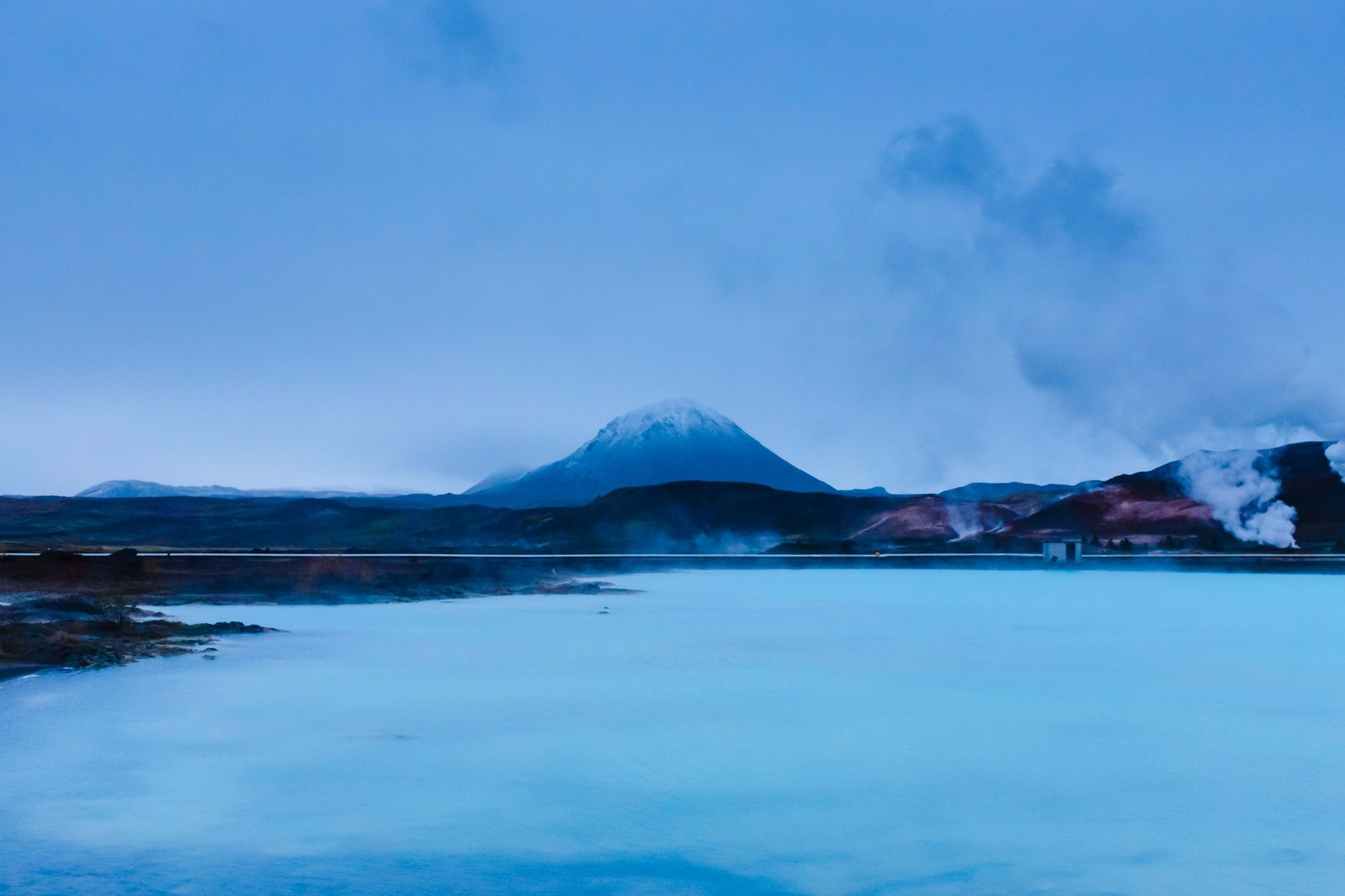
The area surrounding Lake Mývatn boasts the highest concentration of volcanic and geothermal landscapes in Iceland, where caves, hot springs, volcanoes, geothermal areas, and lava fields converge. As Iceland's fourth largest lake, it was formed 2,300 years ago by a volcanic eruption. The lake is home to a diverse array of midges and ubiquitous swarms of flies, earning it the nickname "Mosquito Lake." The lake and surrounding wetlands are teeming with waterbirds, especially ducks. In summer, the lake and its surroundings may be home to more ducks than anywhere else in the world! The turquoise waters of Lake Mývatn, nestled amidst grey-black lava pillars and red volcanic formations, resemble a piece of jade, creating a breathtakingly beautiful scene.
- Dimmuborgir Lava Region (Dark Castle)
Dimmuborgir , also known as the Dark Castle, is a lava region in northern Iceland located east of Lake Mývatn. It's famous for its unique landscape and black rock formations, consisting of various lava caves, rock strata, and arches, reminiscent of an ancient, collapsed medieval fortress, hence its name. The entire area is surrounded by various stone pillars and lava caves, with rugged terrain and few caves large enough to accommodate multiple people at once. Legend has it that a child-eating ogre and her thirteen children lived here, making it a place where earth and hell meet, adding to the region's mysterious and eerie atmosphere.
- Námaskarð Geothermal Area
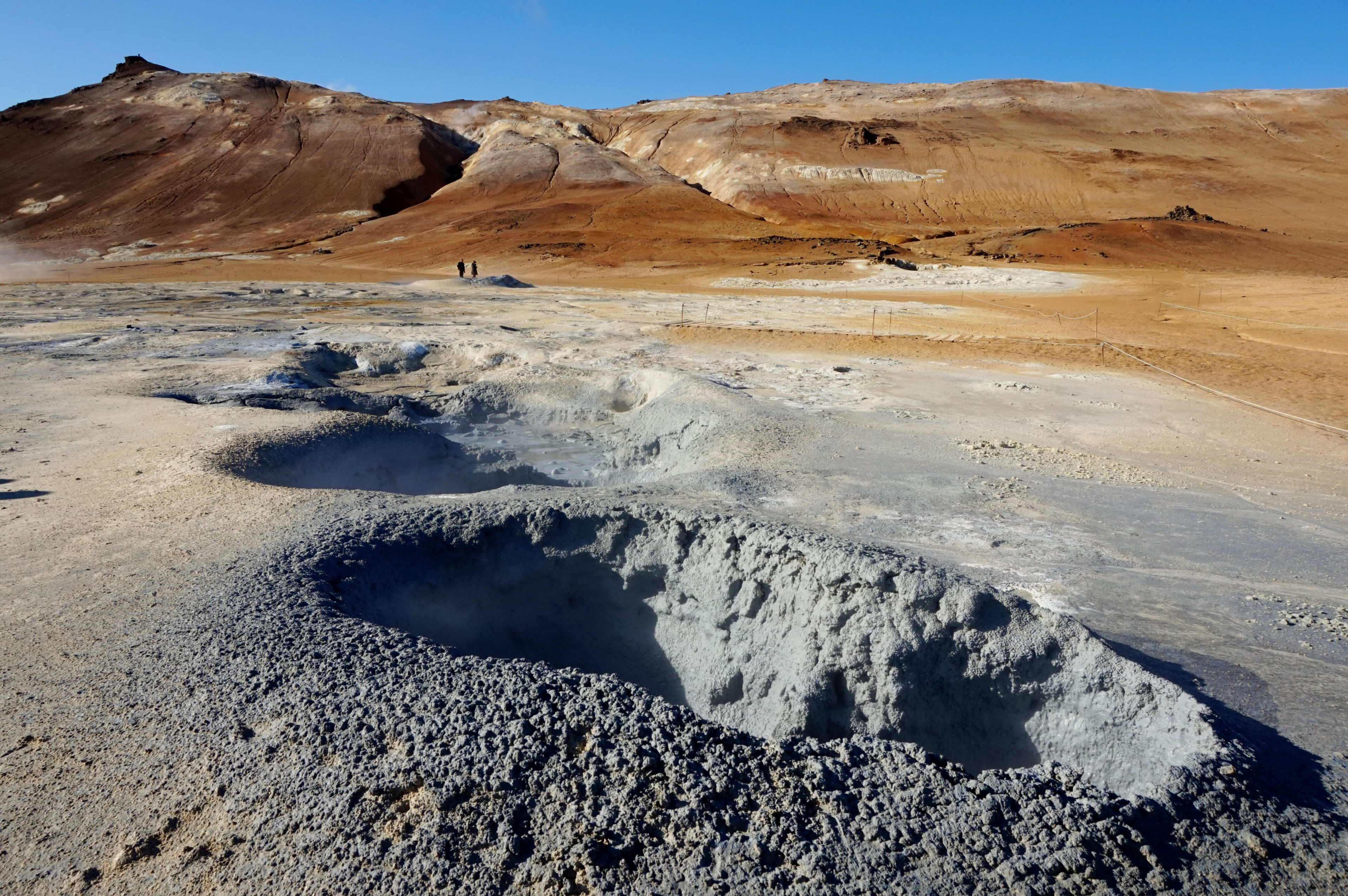
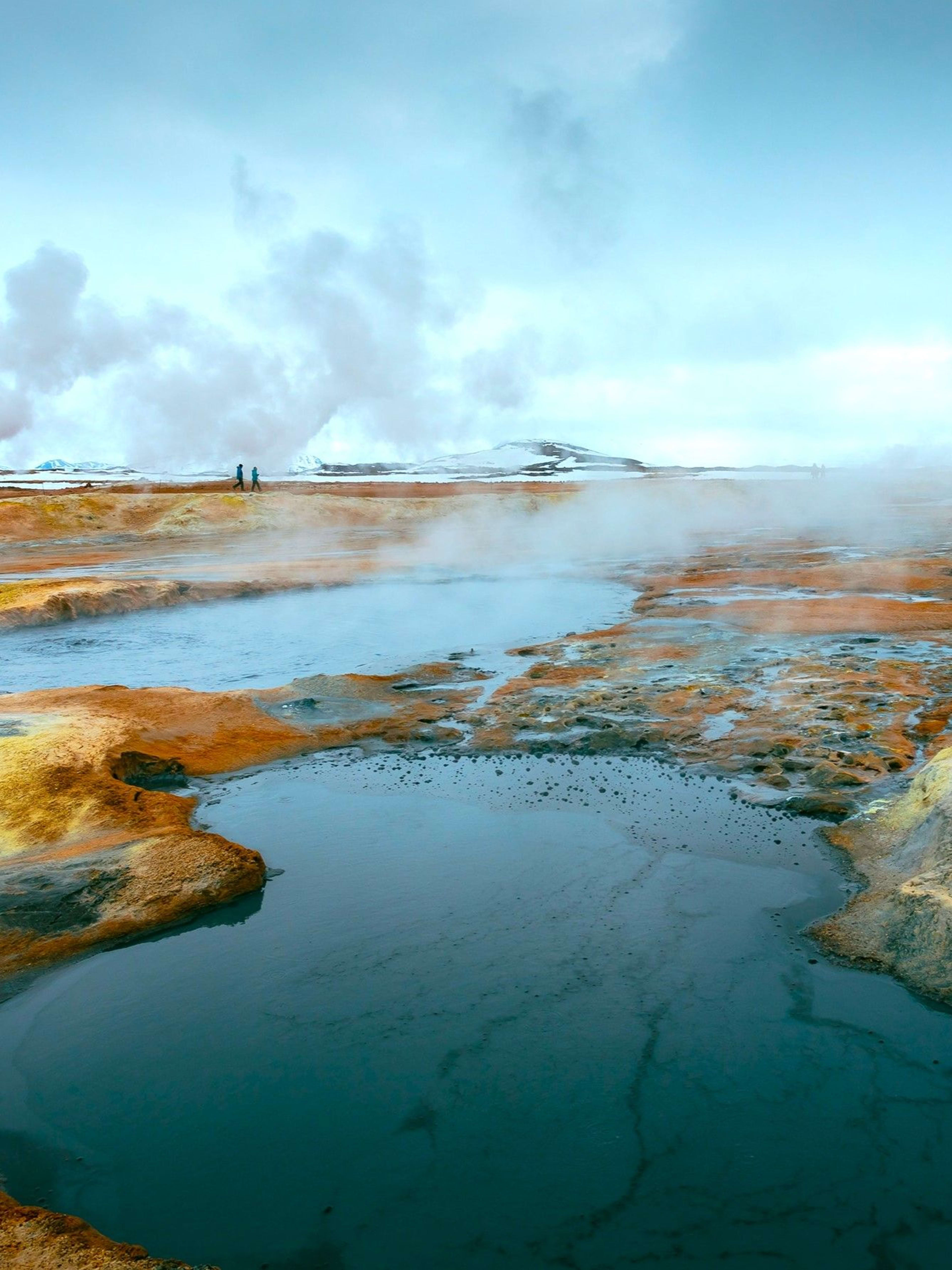
Located in the Námafjall mountains, the Námaskarð geothermal area is a paradise of geothermal wonders. Connected to the Krafla volcanic system, energy from deep underground converges here, forming sulfurous mud hot springs and steam vents. Stepping into the Námaskarð geothermal area, you will witness the incredible creativity of nature. On this barren landscape, no vegetation grows; the surface is bare, covered in acidic soil, prompting awe at the wonders of nature's craftsmanship.

Various minerals gushing from underground have dyed the surface paint in incredible shades of red, orange, yellow, and green. These colors intertwine at the edges of the steam vents, creating a mesmerizing spectacle.
It's worth noting that the air here is often filled with a strong sulfurous smell, a testament to active geothermal activity and a unique characteristic of this area. While the smell is not pleasant to breathe, a short stay is generally safe. When exploring this area, never touch the geothermal spring water to avoid burns. Also, the surface around the geothermal hot springs and steam vents is unstable, so always maintain a safe distance and don't get too close.
- Detti Falls
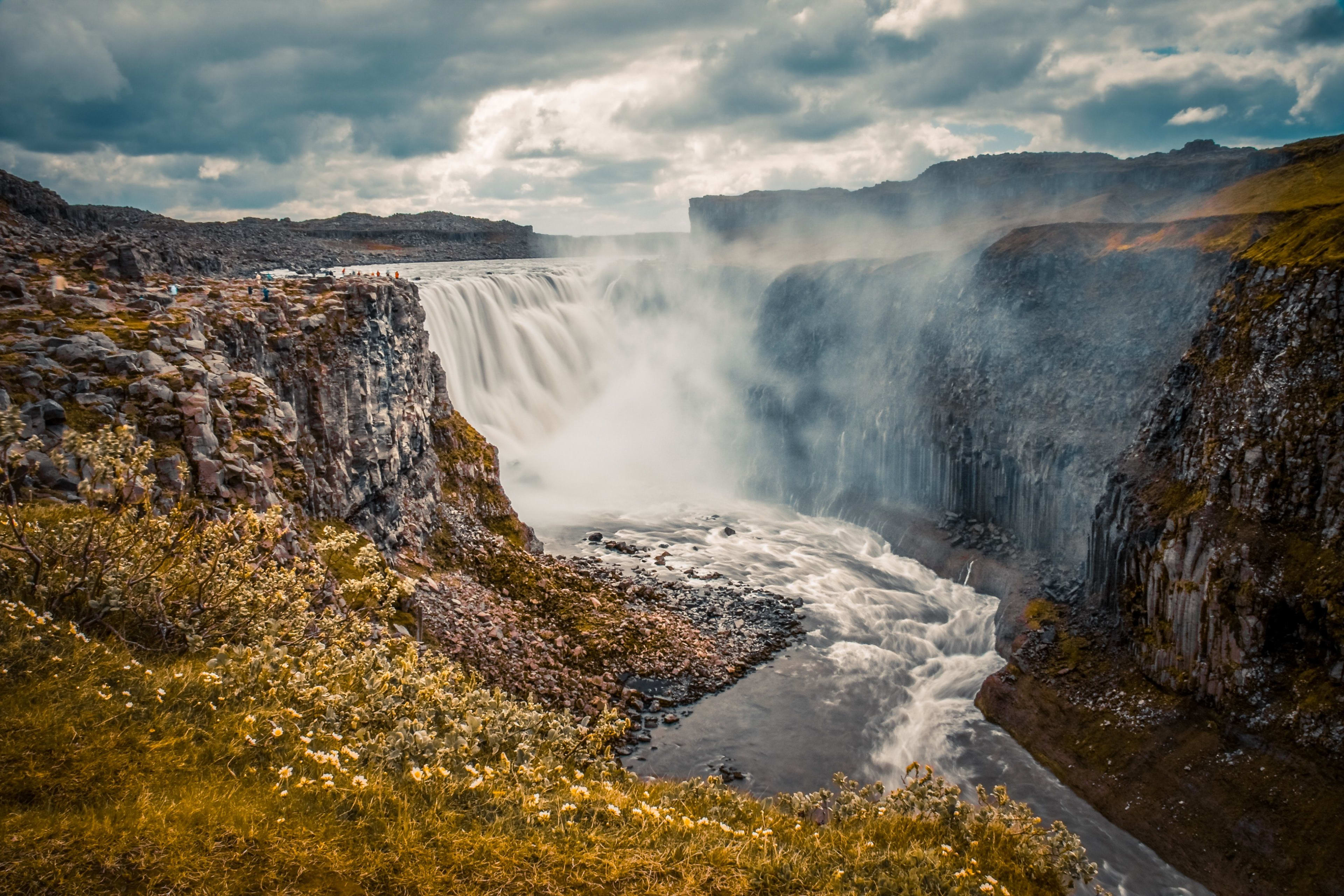
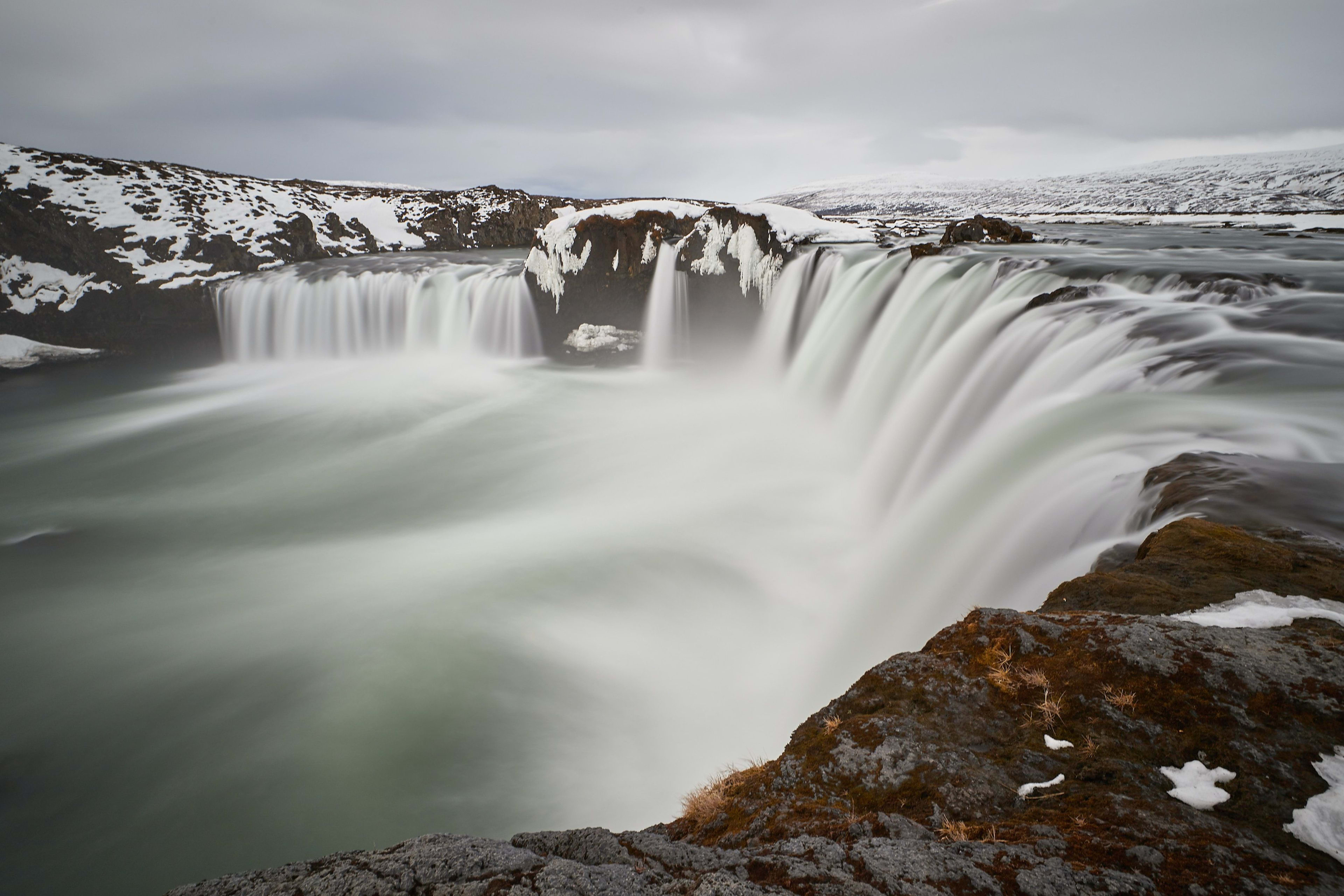
Dettifoss, situated atop the powerful Jökulsá á Fjöllum glacier, is Europe's most turbulent and largest waterfall. Surrounded by a pristine and desolate landscape, the surrounding rocks and black gravel create a striking contrast. Under the sunlight, the waterfall and its surroundings appear even more dazzling. The massive spray and mist created as the water plunges from the cliff face are breathtaking. Standing near the falls, you can feel the power and force of the water; its sheer force is awe-inspiring. The opening scene of the film *Prometheus* was filmed here.

- Falls of the Gods
Goðafoss, the most famous waterfall in northern Iceland, is located along the highway between Lake Mývatn and Akureyri, Iceland's second-largest city, and is undoubtedly a must-see attraction. The name Goðafoss has a story behind it. Legend has it that around 1000 AD, when Iceland converted to Christianity, the legal arbitrators, in an effort to quell the conflict between the two faiths, made the difficult decision to throw ancient statues of Norse gods into the falls, hence the name Goðafoss. Standing beneath the falls, you can hear the roar of the cascading water, like the lamentations of the gods, a truly magnificent and sacred atmosphere.

- Yoneko Onsen
The northern border is mysterious and dreamlike. In a day, you can explore artificial craters, rock formations, and lava fields, admire lava vents and steam columns, and hike through lava fields of another world. In addition, you can relax at Mývatn Nature Baths , located east of the Grjótagjá geothermal cave where Jon Snow and Jairamustyne fell in love in Game of Thrones. Rich in minerals, the hot spring water has a clear blue hue. After a long day, let the milky blue waters soothe your fatigue and experience a refreshing feeling from the inside out.

- Acreri
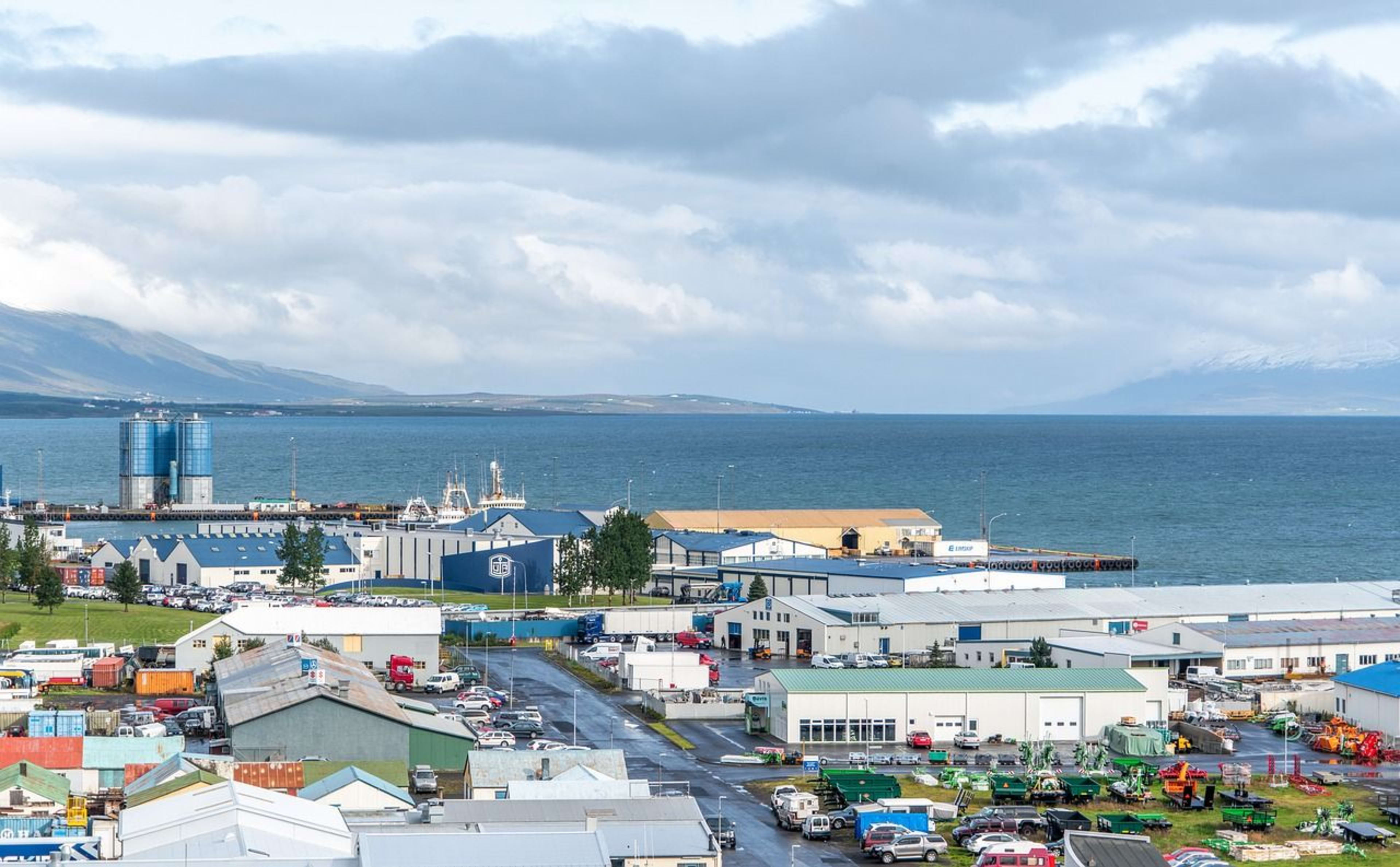
After enjoying the natural scenery of the north, a trip to Akureyri , Iceland's second-largest city, is not to be missed. This northern city is situated on Iceland's longest fjord and is an excellent base for exploring the atmosphere of northern cities.

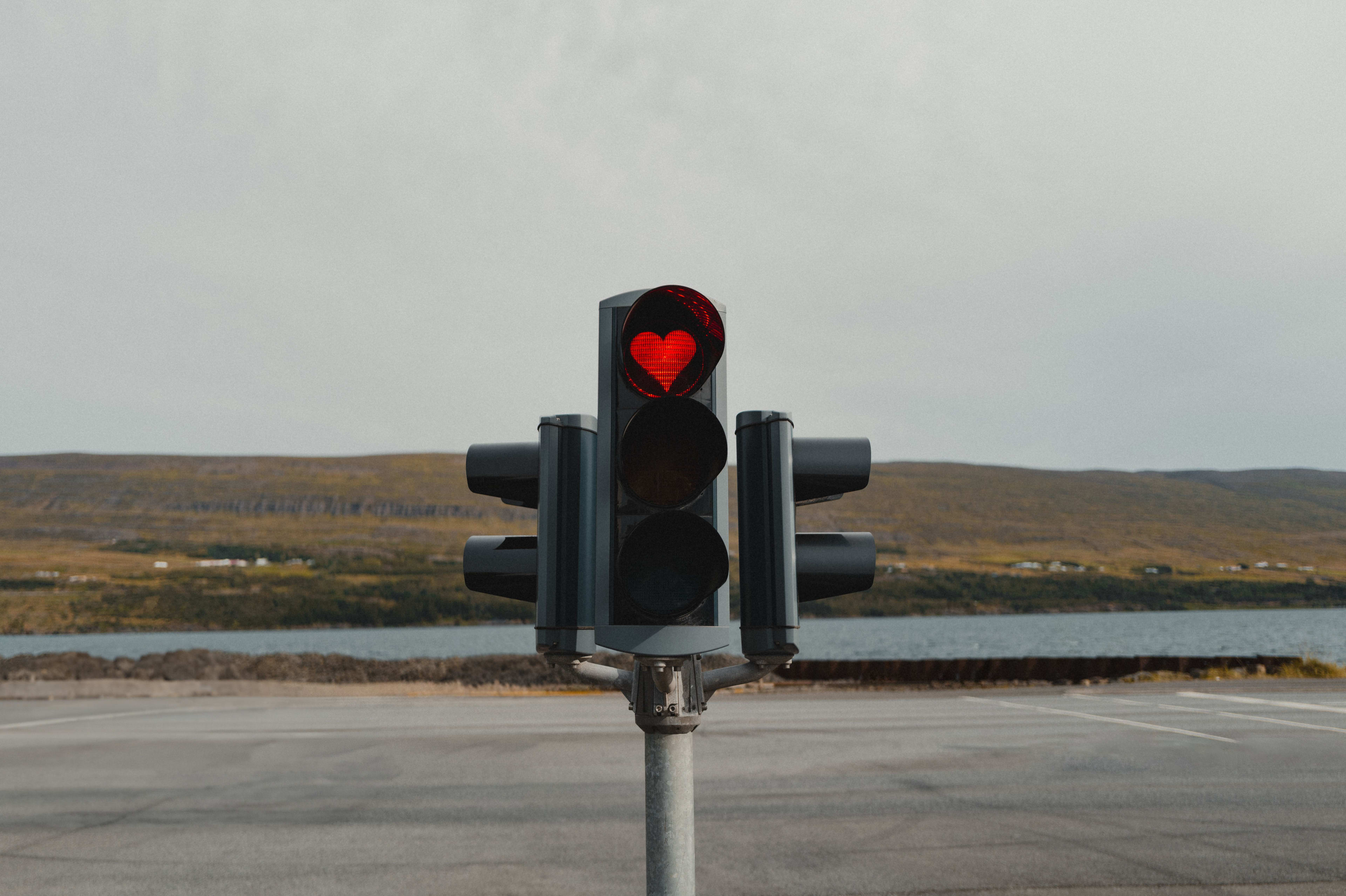
在阿克雷里,您可以逛逛繁华的餐厅、咖啡馆和酒吧,沿着平静的老海港散步,参观山上的阿克雷里大教堂(Akureyrarkirkja),还可以在附近计划帆船和骑马旅行,或在冬季到冰岛最好的滑雪场滑雪,这里有着不同于首都的别样风情。此外,阿克雷里还有着一个独特的特色,那就是心形红绿灯。这个爱心的故事可以追溯到2008年冰岛的金融危机。为了给大家带来信心和鼓励,政府发起了一个名为“用心微笑”的全城活动。尽管金融危机已经过去,但这个可爱的传统一直流传至今。爱心红绿灯不仅起到指挥交通、确保交通安全的作用,还温暖着每一个路人的心。它成为了一个象征,不仅带来了安全,更是让人们感受到爱与温暖。
西部风光一览,奇遇mini版冰岛全部地貌
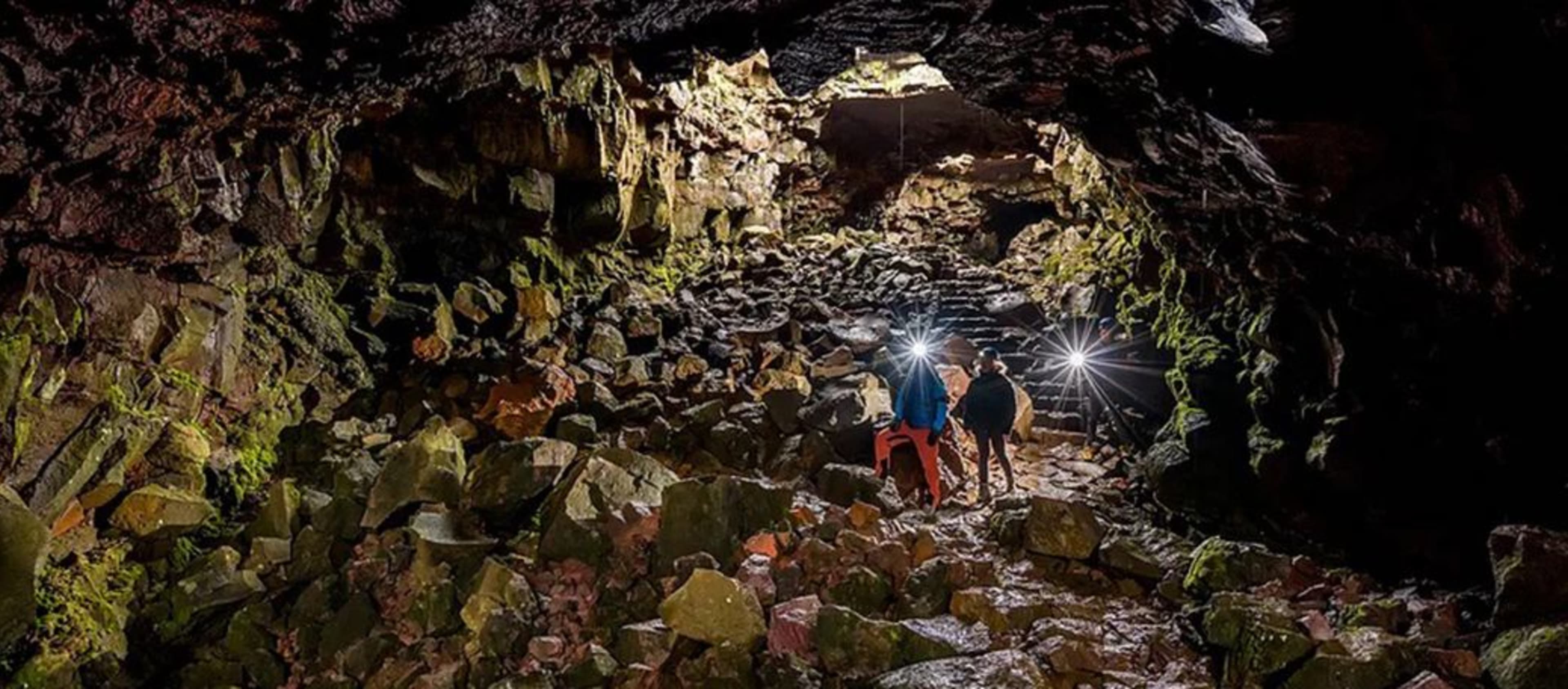
Raufarhólshellir是一个熔岩洞穴隧道,长约1600米,被称为冰岛最大的熔岩洞穴,它位于冰岛西部博尔加峡湾(Borgarfjörður)的Hallmundarhraun熔岩地下面。这个洞穴是由公元930年的一次大规模火山爆发形成的。由于火山爆发持续了几年,熔岩蔓延到了78平方英里(约200平方公里)的区域,火山活动在这座熔岩洞穴的内壁上留下了奇妙的纹理与色彩。洞穴有两个入口,是熔岩管顶部坍塌时形成的。在这个熔岩隧道里探险,洞穴时宽时窄,而且地面粗糙,没有向导很难穿越。在洞穴里探险,狭窄的隧道和狭小的洞穴空间将带你进入一个不为人知的世界,奇幻的灯光与潜伏在地球深处的惊人色彩和熔岩构造相得益彰,在洞穴深处你还能看到令人惊叹的熔岩钟乳石和石笋,远远看去就像熔岩冰柱一般。1993年,在这个洞穴中也曾发现了维京时代的骨头和珠宝,更为这个洞穴增添了神秘色彩。

- 熔岩瀑布与儿童瀑布
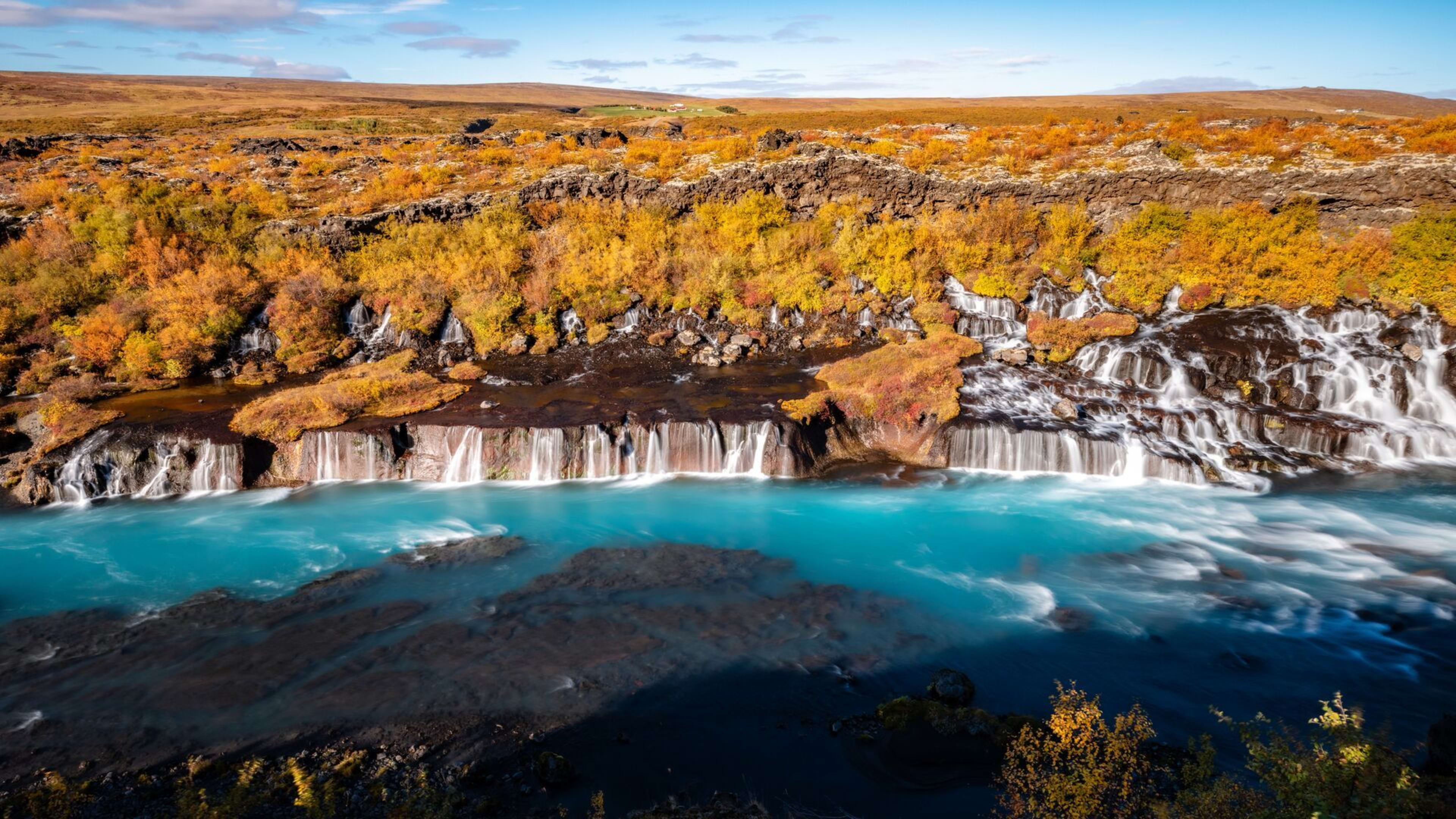
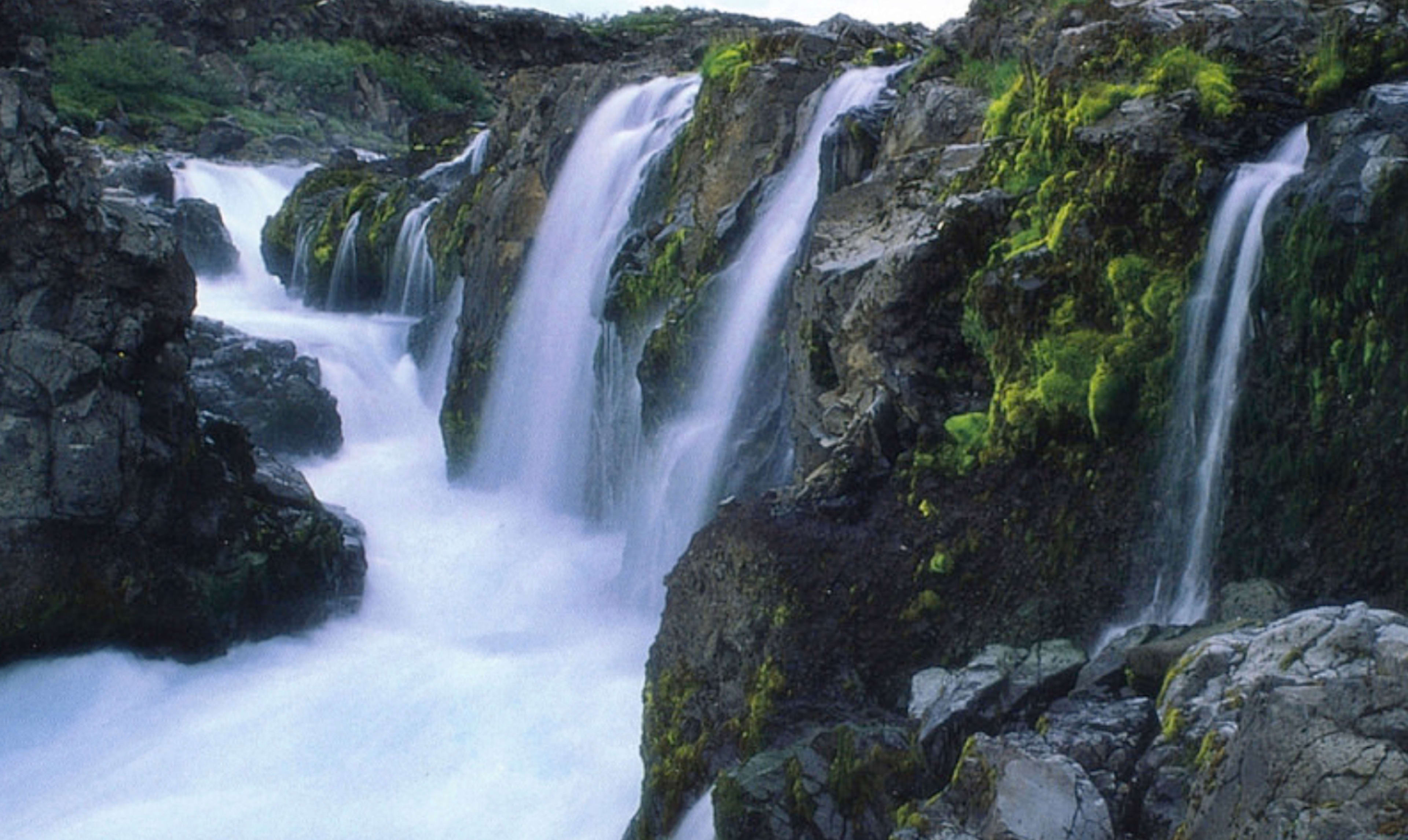
参加完奇幻刺激的熔岩洞穴探险,继续参观冰岛西部的著名瀑布——赫伦瀑布群(Hraunfossar),又名“熔岩瀑布”,它同样坐落于冰岛西部的博尔加峡湾地区(Borgarfjörður)。
熔岩瀑布造型独特,瀑流从一片广袤熔岩原下汩汩流淌而下,如同无数条溪流从豪德门达熔岩平原(Hallmundarhraun)泻出,汇聚成了这组秀丽旖旎的瀑布群,别有一番自然野趣。熔岩瀑布虽无冰岛最为出名的几个瀑布那样有着气势磅礴的气势,但它却如小家碧玉般妩媚秀美、多姿多彩,其水的颜色在清蓝色和乳白色之间变换,瀑布随着熔岩溪谷的地势变化,可谓一步一景。在金秋十月,熔岩上的树木染上秋色,五彩斑斓,更为瀑布增色添彩。沿着熔岩的溪谷绵延1公里多,沿途有人行步道和观景台,因此游览该瀑布时你会感觉非常轻松。
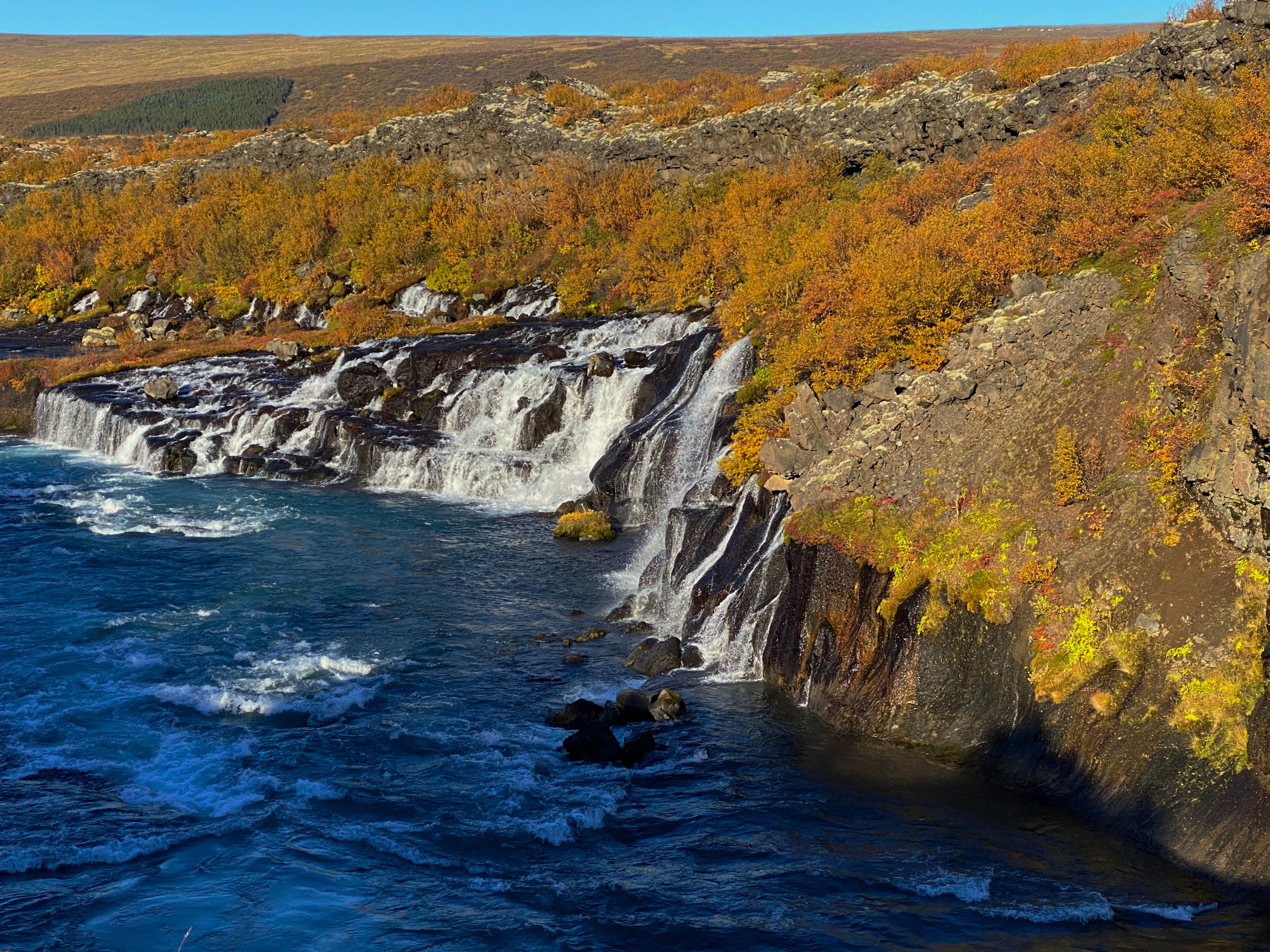
值得一提的是,熔岩瀑布旁还坐落着另一座瀑布:儿童瀑布(Barnafoss),它也是冰岛西部的一处著名景点。从名字上也许你会认为儿童瀑布是一个可爱迷人的瀑布,实际上它并不像熔岩瀑布那样宽阔平缓、温柔优雅,而是湍急、有力又危险的代名词。同时,之所以称它为“儿童瀑布”是因为一个黑暗悲伤的民间传说,相传儿童瀑布上曾有一座石桥,而在过桥时,附近农场的两个男孩掉入瀑流中,不幸溺死。一说悲痛欲绝的母亲盛怒之下将石桥捣毁防止再有人掉入,一说母亲用冰岛如尼文字对石桥施以诅咒,其他过桥的人也将如她的儿子们一样,溺毙河中;后来直到石桥被地震摧毁,诅咒才被解除。无论传说如何,这座石桥如今已不复存在,这座湍急无情的瀑布也由此得名。
- 德尔达图赫菲温泉
冰岛地热资源丰富,德尔达图赫菲温泉(Deildartunguhver)坐落在冰岛西部雷克霍特山谷一个美丽的农场上,是欧洲流速最高的温泉,每秒的快速流量为180升。在那里,你能看到蒸腾的水从海藻覆盖的岩石露头中涌出,水温高达97℃,这使得它在自然状态下不能被使用,不然会很危险,但对于将其作为一种可再生的能源资源,用于冰岛人的家庭取暖相当合适。尽管你不能直接在其中洗浴,然而较为有趣的是,如果你在这个温泉65公里半径内的任何地方洗澡,其实你已经算是在它的水里洗过澡了!
在德尔达图赫菲温泉附近有近年来新建也逐渐火爆的Krauma天然地热浴场。从德尔达图赫菲温泉到Krauma温泉只有很短的步行距离,Krauma温泉将来自德尔达图赫菲温泉的热水与冰冷的冰川水混合,创造出完美的水疗放松温度,你可以在此尽情享受温泉疗愈!
西部景色别致丰富,您还可以参观雷克霍特历史遗址,了解冰岛传奇,在Húsafell峡谷浴场尽情享受水疗,不如来参加西部白银圈一日游,感受独特的西部风光。或者您还可以选择冰岛西部两日游,在探索西部白银圈的同时,打卡斯奈山半岛风光!
- 斯奈山半岛
斯奈山半岛(Snaefellsnes)也被称为“冰岛的缩影”,这里几乎包含了冰岛所有地貌的景色:环绕冰川的沿海公路、在冰川下的火山、瀑布、黑沙滩、海豹和鸟类栖息地、湍急的河流、崎岖的海蚀柱等各种地貌。斯奈菲尔冰川(Snaefellsjokull)还是儒勒·凡尔纳 (Jules Verne) 撰写《地心之旅》时的灵感来源,那里被认为是通往地球核心的入口,至今许多人都认为斯奈山半岛是一个充满灵性的地方。
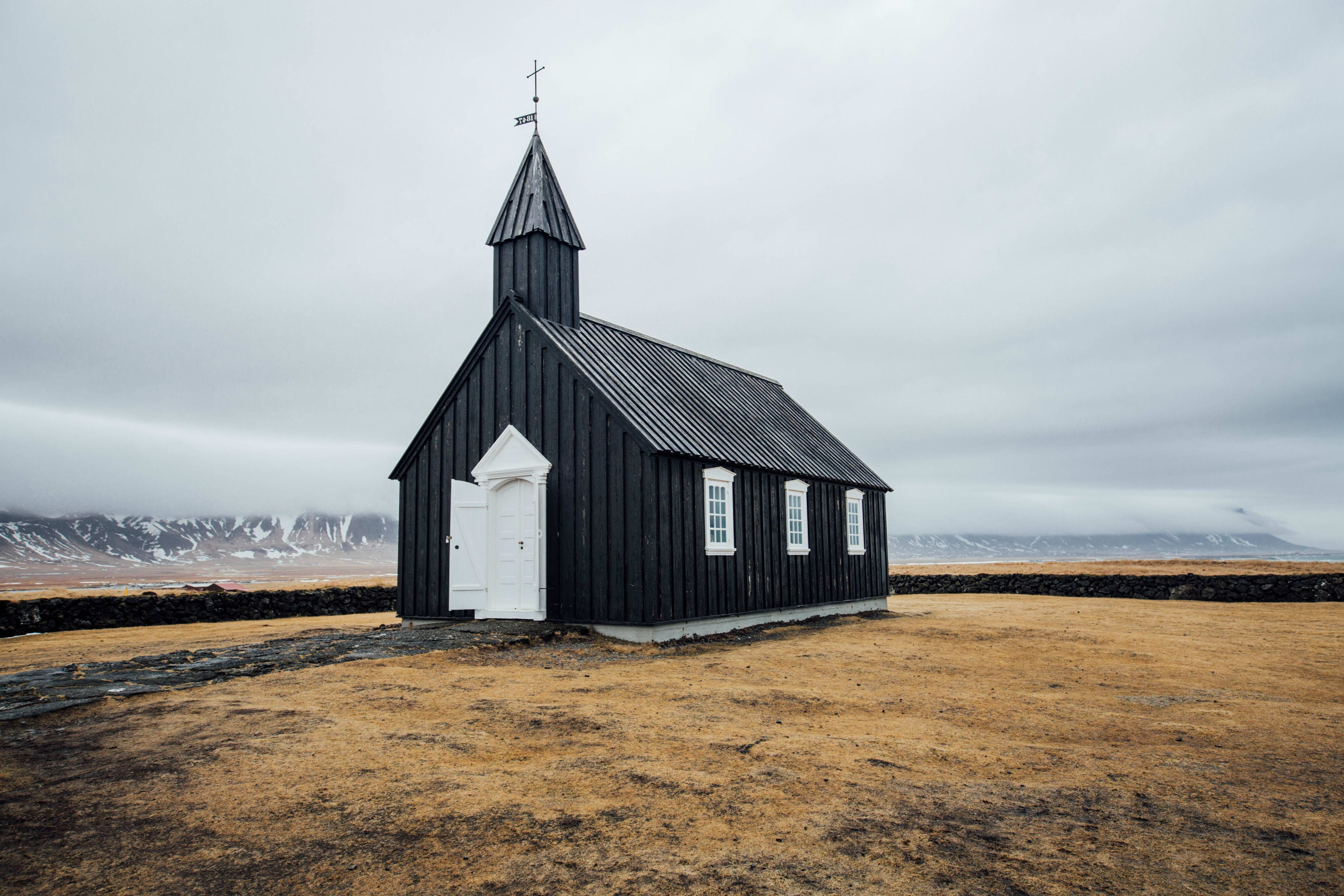
在这里,你可以前去海豹沙滩(Ytri Tunga),在冰岛罕见的金色沙滩上与小海豹偶遇,还可以前去参观19 世纪黑教堂(Búðakirkja)。
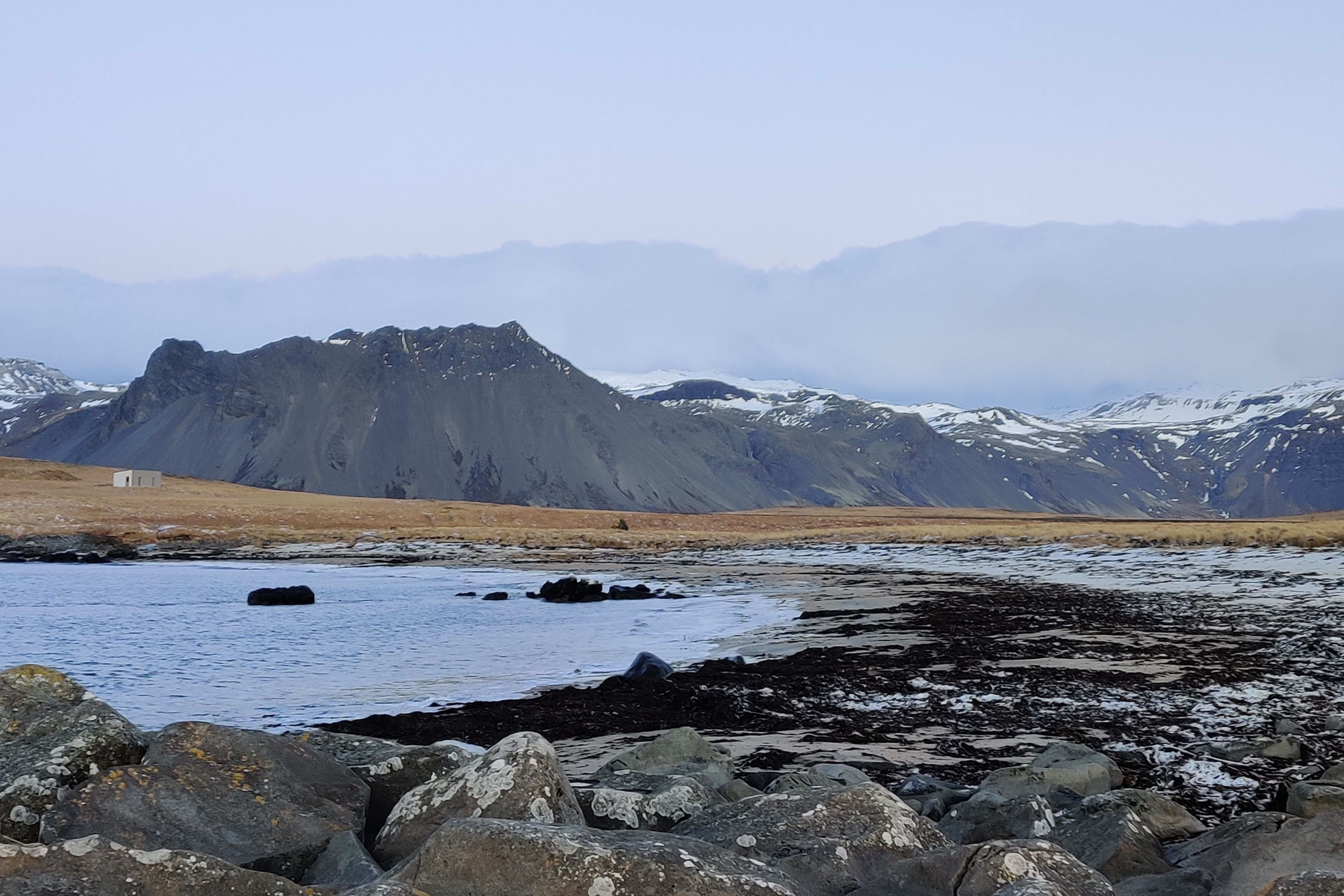
在古老的渔村阿纳斯塔皮 (Arnastapi),大西洋的巨浪冲向海岸。你可以沿着海崖漫步,欣赏令人叹为观止的 Gatklettur 天然海蚀拱桥。再往前走一点来到的隆德兰加悬崖(Lóndrangar),这里的海蚀柱造型独特,如同张牙舞爪的怪物攀爬上岸,也被称为“怪物悬崖”,但为各类海鸟提供了一个避风港。除了南岸的维克黑沙滩,斯奈山半岛也有着同样令人惊叹的Djuplalonssandur黑沙滩,可以看到一望无际的壮观海岸线,步行穿过古老的熔岩区即可到达。这里有用来测试力量的四块“起重石”,还有一艘失事的英国拖网渔船的遗骸。您可以测试一下自己的力量,看看您还能举起四块石头中的哪一块,因为它们的重量从 23 公斤一直到 150 公斤不等,曾经有许多人前来挑战呢!
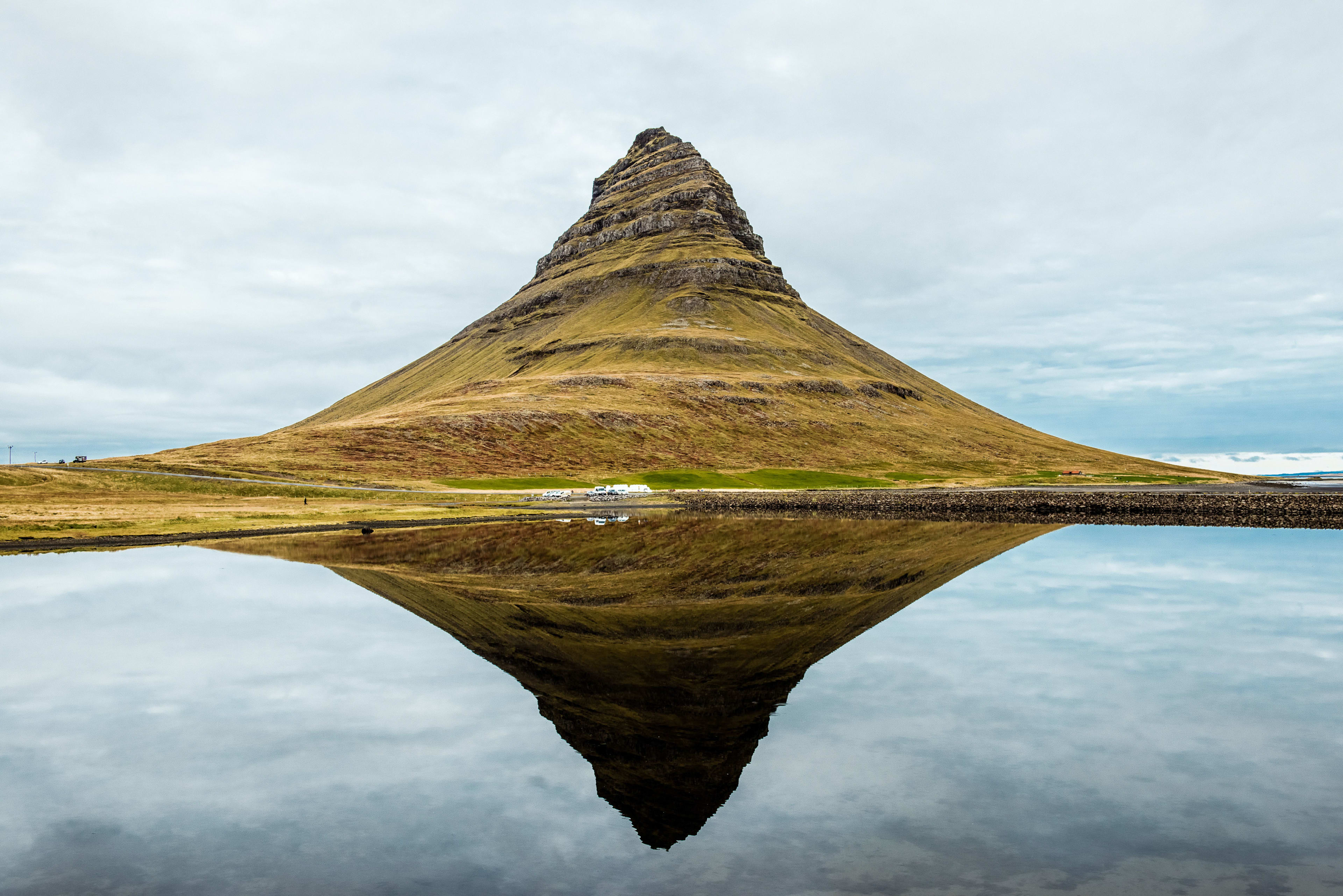
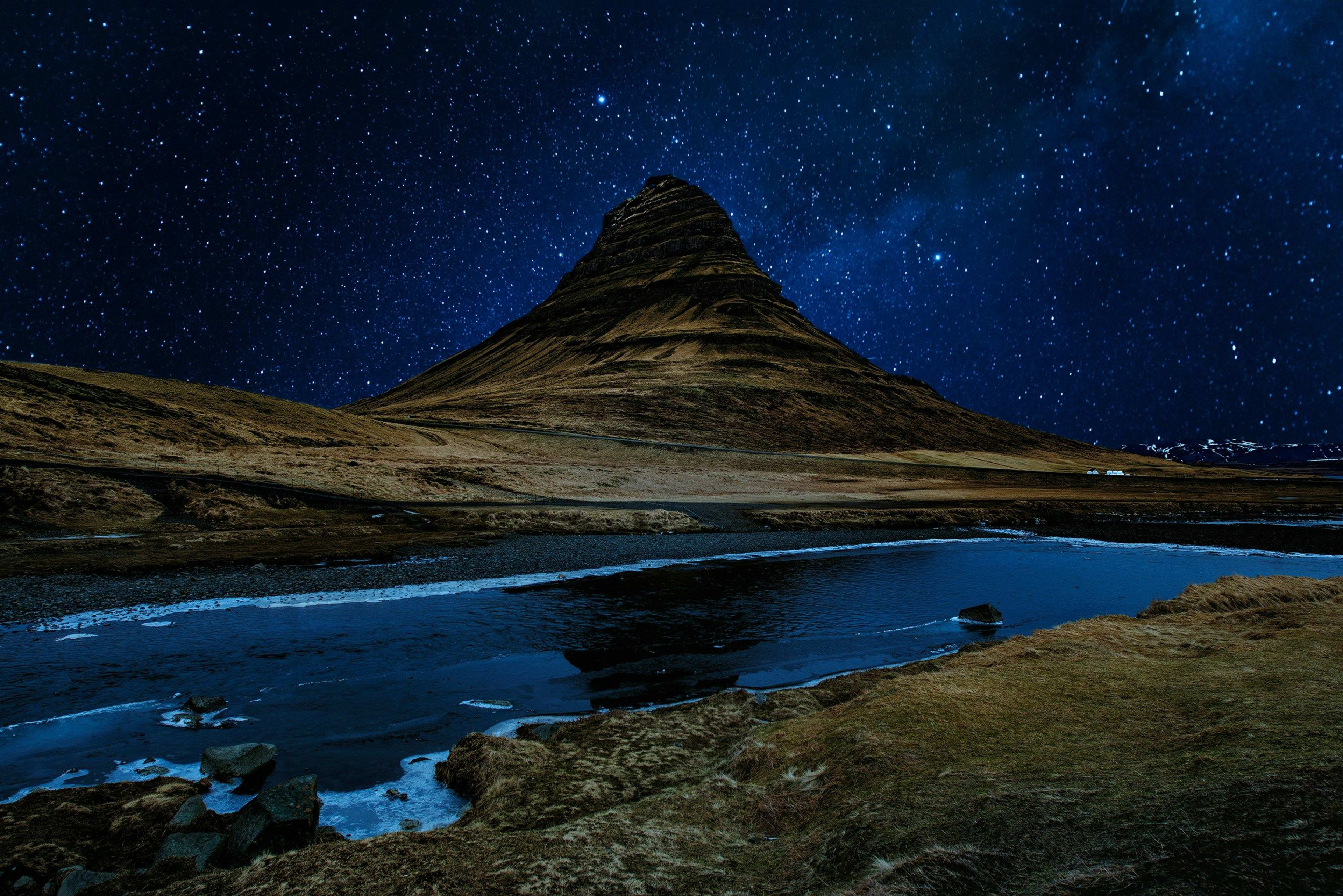
You may have seen a mountain in Iceland that resembles a straw hat on social media. This majestic peak sits in a vast fjord, and although its name actually translates to " Church Mountain ," it's jokingly called "Straw Hat Mountain" by Chinese tourists. This mountain, named Kirkjufell, is said to be one of Iceland's most photographed peaks. It's known as "Arrowhead" in Game of Thrones and has appeared in several Hollywood movies. From lush green grass in summer to snow-covered landscapes in winter, its scenery is breathtaking year-round, and its unique shape offers many angles perfect for taking stunning photos! Hope everyone has a memorable trip!

On the Snæfellsnes Peninsula, you can spend one or two days admiring its beautiful scenery. We also offer day trips to the Snæfellsnes Peninsula for you to choose from, and we can help you arrange your itinerary so you can leisurely enjoy a condensed version of Iceland!
In addition, you can also take advantage of Forest Cat Travel's two-day tour of western Iceland to enjoy the scenery of the Snæfellsnes Peninsula and explore the Silver Circle in the west. What could be better!
Reykjavik City Walk: Experience the unique Nordic city atmosphere
Many visitors to Iceland don't linger in Reykjavik , but I believe that if you have enough time and want to gain a deeper understanding of a country's culture and unique charm, visiting the capital is an excellent choice. Reykjavik boasts a diverse array of Scandinavian architecture, along with unique cafes, bars, art galleries, and museums, where you'll experience a strong Nordic atmosphere. You can stroll along the main shopping streets like Laugavegur, Bankastraeti, and Austrustraeti to browse boutiques and buy souvenirs, or indulge your taste buds at the city's numerous bars and restaurants.
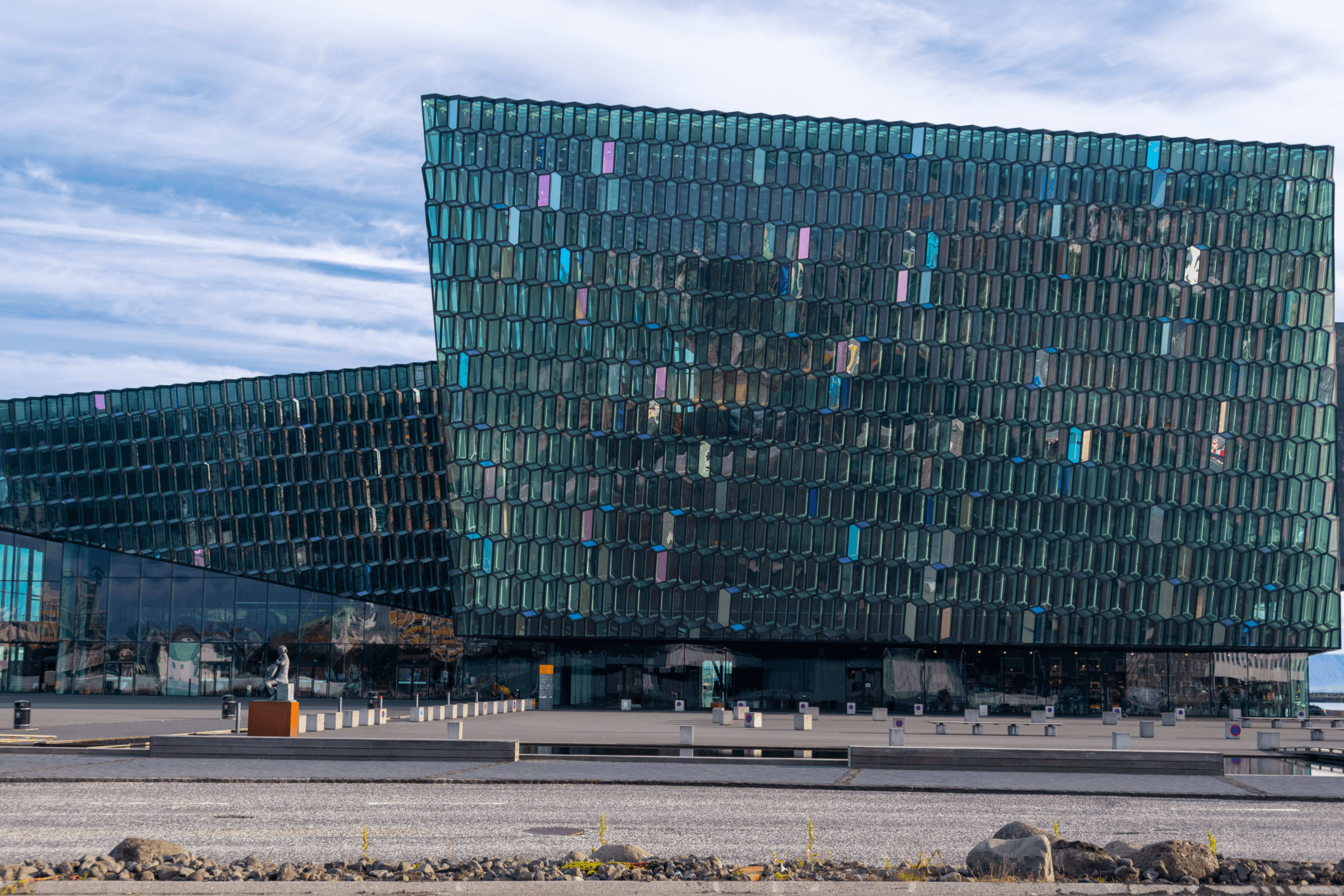
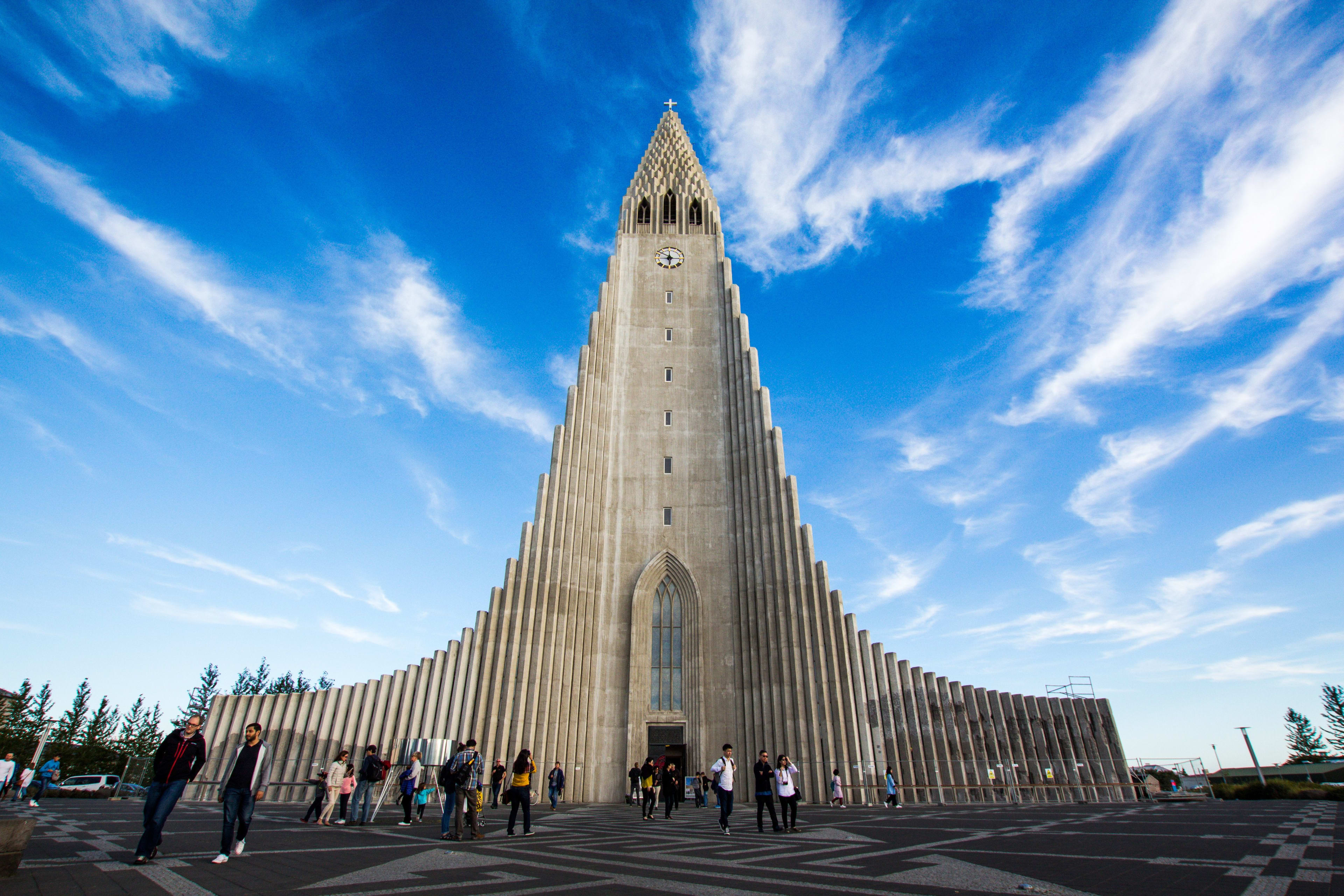
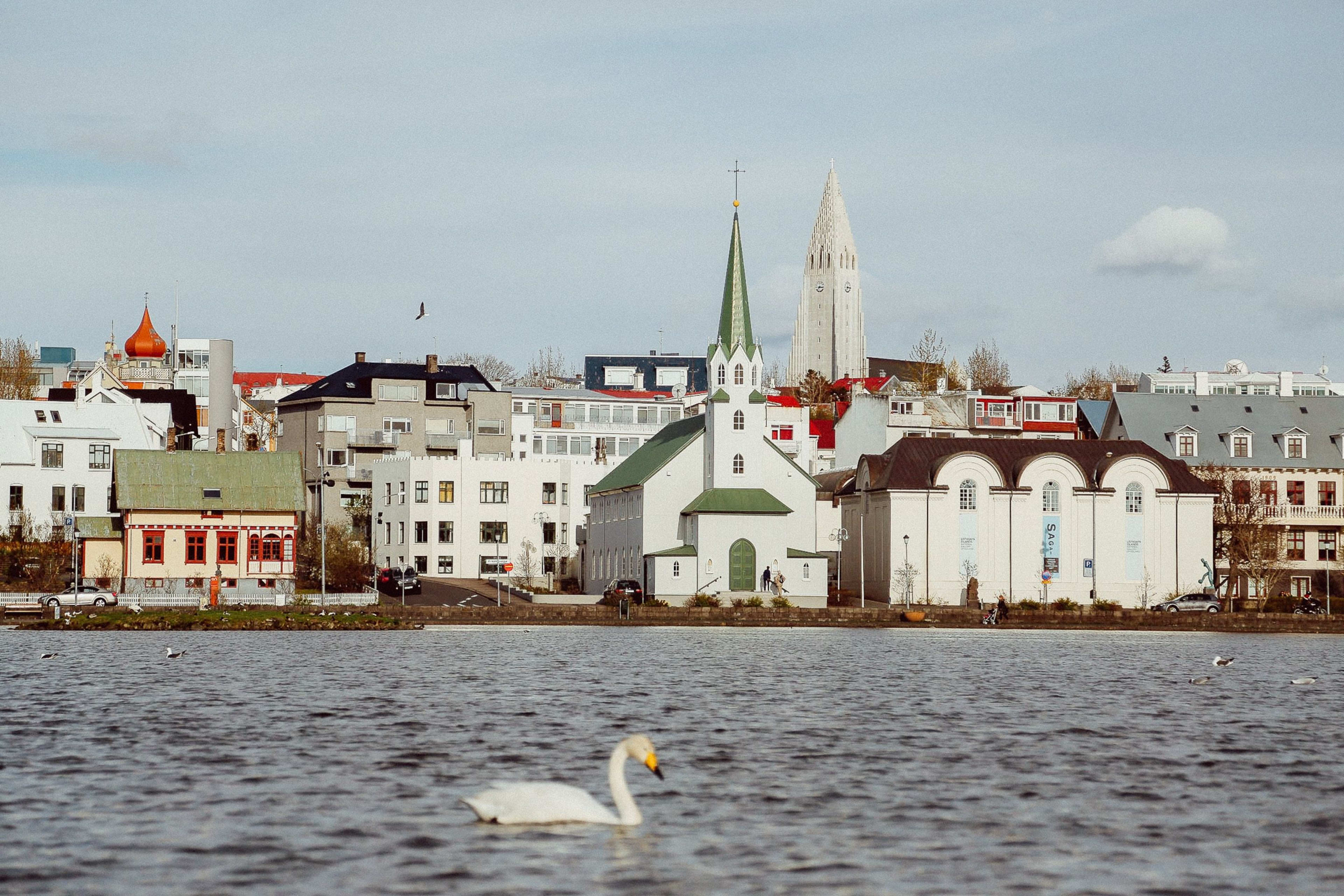
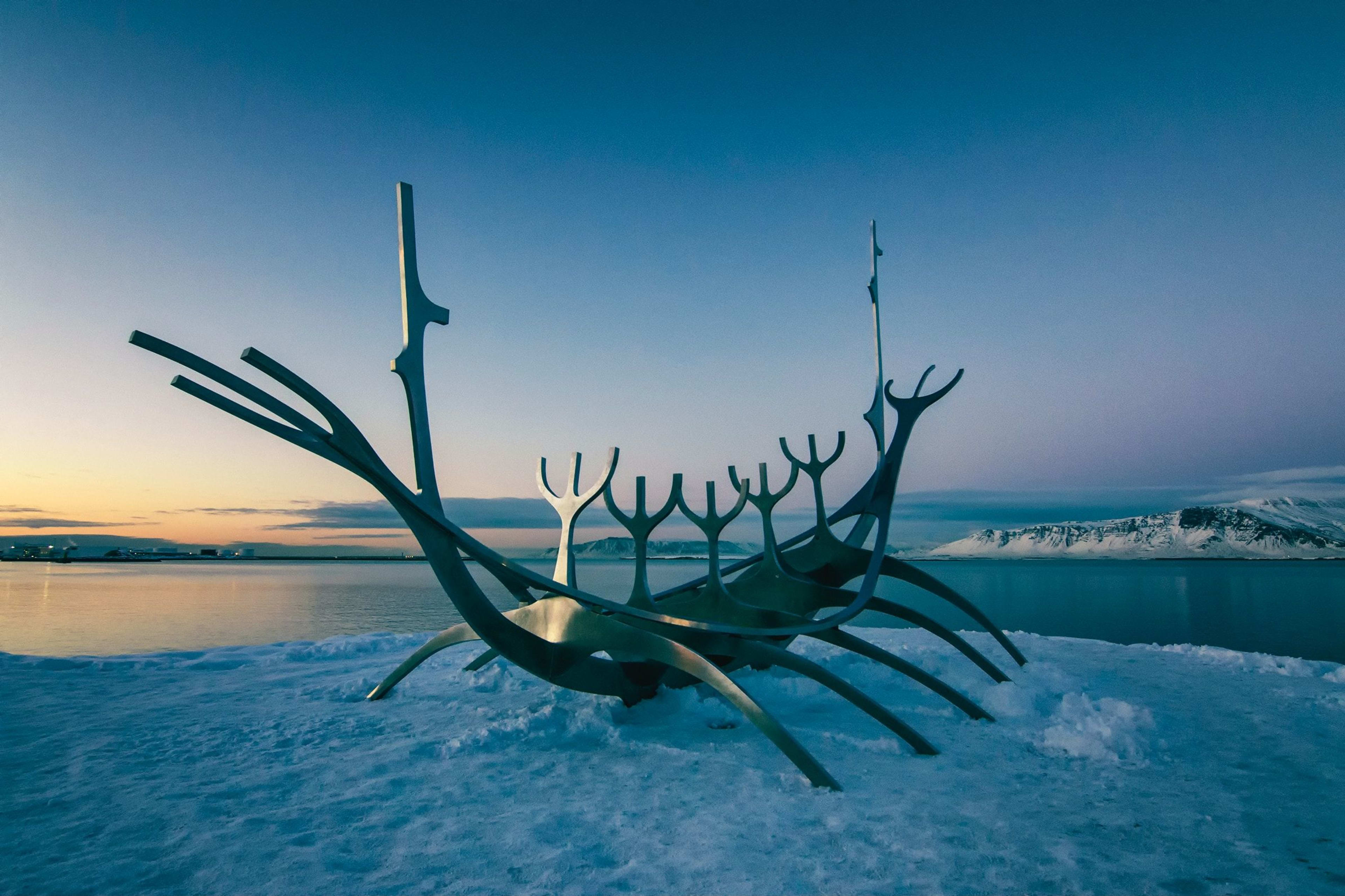
Meanwhile, while in Reykjavik, visiting Hallgrímskirkja Church and Harpa Concert Hall, admiring their striking architectural designs, and enjoying a unique visual experience will bring you a sense of tranquility. In the evening, you can leisurely stroll along Lake Tjörnin and get up close with the swans. Perhaps you can also head to the harbor to see the Sólfarið statue, which stands by the sea. For other Reykjavik attractions, see: Reykjavik City Walk Guide


Just in time for the National Day Golden Week holiday, besides exploring Iceland's natural beauty, the Reykjavik International Film Festival (RIFF) is also being held during this period! If you happen to be a film enthusiast, you'll have the opportunity to enjoy some wonderful and moving international films. The festival features films from over forty countries and regions, divided into various categories such as international short films, documentaries, and Icelandic documentary series. If you travel to Iceland at this time, you might be one of the lucky tourists who are captivated and inspired by these cinematic masterpieces.
Unlike many international film festivals, watching films at the Reykjavik International Film Festival can be a unique experience. Sometimes screenings take place in public swimming pools or directors' residences, breaking down the traditional cinema environment and bridging the gap between audience and film, creating a distinctive atmosphere. Besides screenings, the festival also hosts panel discussions and seminars, allowing you to interact and exchange ideas with the attending directors. Whether you're just casually interested or a true film enthusiast, this festival promises a unique and unforgettable experience. For more information about the festival, visit the official website and purchase tickets in advance; the festival will undoubtedly forge an even more special connection between you and Iceland.
Having learned so much about the places to visit and activities to do in Iceland during the National Day holiday, are you already filled with anticipation?
During the National Day Golden Week holiday, weather permitting, a self-drive tour around Iceland will be an unforgettable experience. Join our 8-day, 7-night Iceland Summer Route 1 self-drive tour and make the most of your time to explore Iceland along its famous Ring Road. Of course, if you prefer a more relaxed experience and want to save the effort of planning and renting a car, a group tour is also a wise choice. You'll be guided by professional local guides who are very familiar with the island's terrain, historical sites, and local customs, providing a deeper understanding of Iceland. Alternatively, you can join our special National Day Golden Week package : an 8-day, 7-night Iceland Ring Road tour. This limited-edition package saves you the hassle of booking accommodations and includes a customized itinerary covering most of Iceland's classic attractions and unique activities. For any questions about the itinerary details, please contact us directly. We guarantee a worry-free trip!
Or stroll through Reykjavik, the capital of Iceland, and experience the unique charm of Iceland's political and cultural center;
Or you could visit the unique waterfalls in all four directions of Iceland and witness their diverse forms of cascading water.
Or you can ride horses on the lava fields, go whale watching at sea, and have a close encounter with adorable animals;
Or you can soak in Iceland's various geothermal hot springs and enjoy a moment of tranquility to relax your body and mind;
Or visit Thingvellir National Park and witness the perfect blend of nature and culture;
Or hike on glaciers, chase the Northern Lights, explore blue ice caves, or take a boat ride on an ice lake to experience the purity of the ice and snow kingdom;
Or perhaps explore black sand beaches, embark on a journey north, and seek out the Snæfellsnes Peninsula, "Iceland in a Miniature"...
If you have enough time and want to see all the sights in Iceland, the 14-day in-depth self-drive tour of Iceland in summer: Ring Road 1 & Westfjord scenery is sure to suit your taste~ This carefully selected travel package not only takes you around the entire island along Iceland's Ring Road 1, but also allows you to spend two days in the secluded Westfjord to experience its unique peace and tranquility.
In short, a trip to Iceland during the National Day Golden Week holiday will allow you to unexpectedly encounter its unique and magical scenery, experience purity and tranquility at the edge of the world, and have many unique "firsts" in your life, spending a rich and colorful holiday! You can also participate in the National Day photography contest on social media, where you're sure to stand out and be the envy of everyone. Avoid the crowds at tourist attractions, enjoy a superb travel experience, and witness the breathtaking beauty of the "Land of Ice and Fire"—a truly unforgettable experience… Iceland is waiting to meet you!