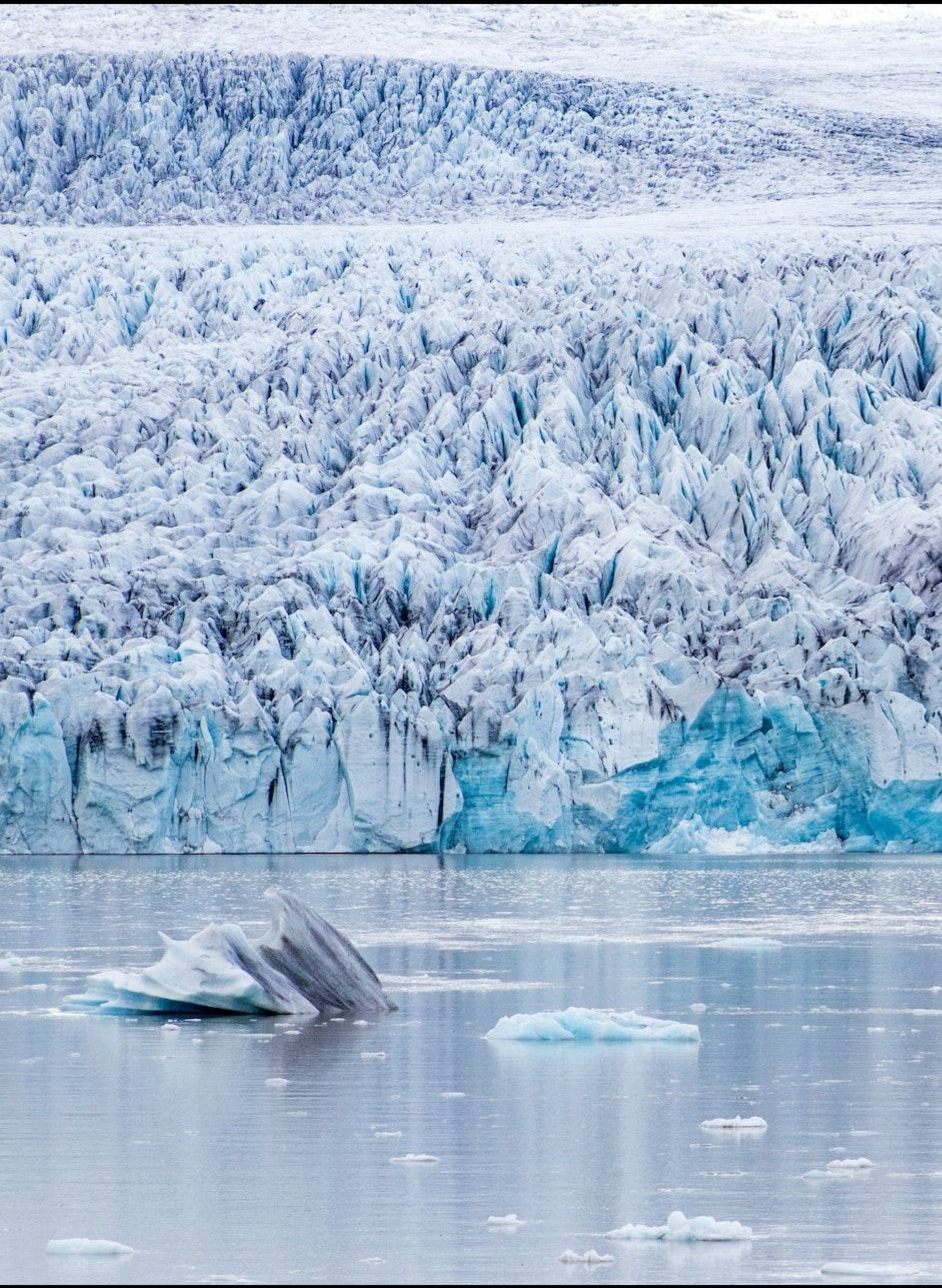
Iceland's diverse and spectacular natural landscapes attract travelers from all over the world. There are more than eight reasons to travel to Iceland, but just eight are enough to make your heart flutter: chasing the Northern Lights, taking a boat trip on a glacier lagoon, hiking on glaciers, exploring blue ice caves, snowmobiling, visiting the Blue Lagoon, whale watching, and puffin watching... You can also explore the remnants of volcanic eruptions, magnificent waterfalls, glaciers, and craters, feeling the awe-inspiring power of nature. Thrilling outdoor activities and captivating Icelandic scenery are its unique charm.
Furthermore, the beautiful national parks, secluded fishing villages, and farms offer a unique and unforgettable Icelandic travel experience. Whether you are an adventure enthusiast, a nature photographer, or a traveler seeking relaxation and enjoyment, Iceland can meet your expectations. Before learning more, why not take a look at our travel packages:
I. Glacier Hiking
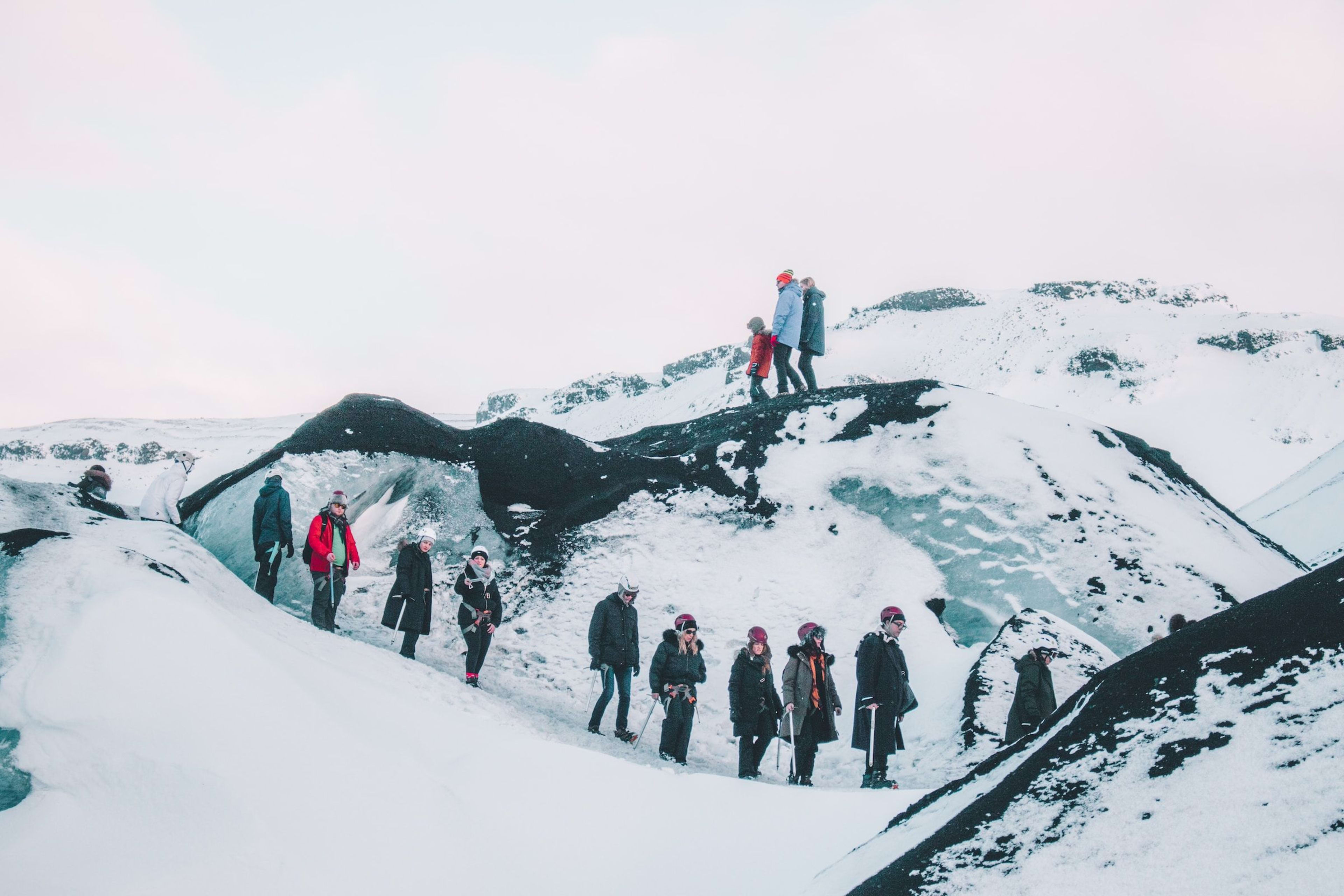
Iceland has two particularly famous glacier hiking spots.
Sólheimajökull is a tongue of the Mýrdalsjökull glacier, located only 158 kilometers from Reykjavik. It is one of the closest glaciers to Reykjavik. If you want to see the glacier in all its glory and the scenery of the south bank, consider joining our Sólheimajökull glacier hike .
Skaftafell Nature Reserve is also a popular spot for glacier hiking on Iceland's south coast. It is part of Vatnajökull , the largest glacier in Europe . Skaftafell not only has a larger area, but its ice is also more translucent and crystalline. Hiking on Skaftafell offers a first-hand view of the filming location.

II. Blue Ice Cave Exploration
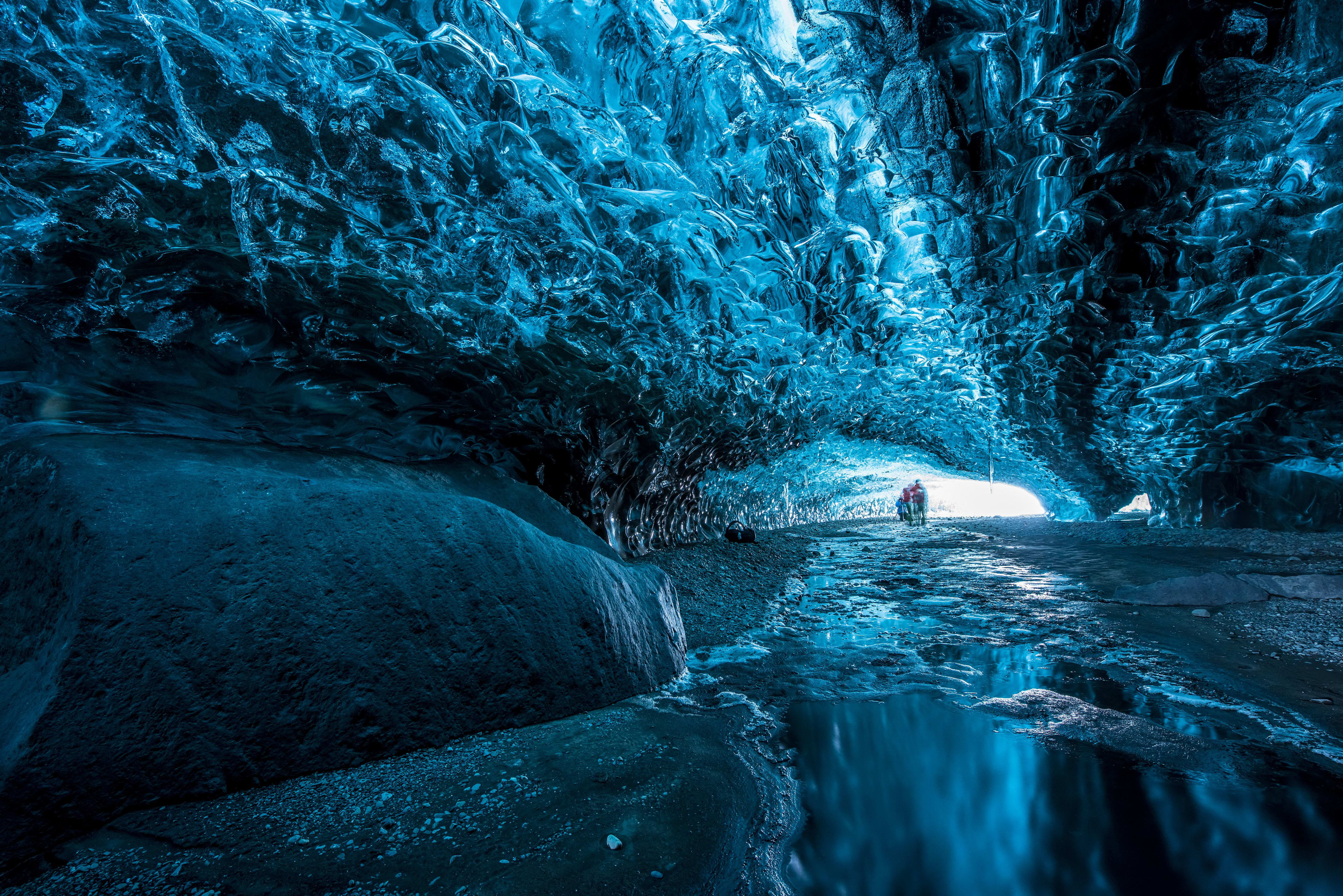
Besides walking on the glacier, you can also look up at the sky through the ice. The ice cave is like an entrance to another world; the moment you step into it, it feels like entering a dream. If you didn't actually touch the millennia-old ice and feel the chill seep through your fingers, you would understand that this is reality—beautiful yet unreal!
Among Iceland's ice caves, the Crystal Ice Cave beneath Vatnajökull Glacier is the most crystal clear and spectacular! The best time to visit is from October to March each year! However, due to the formation of the crystal ice caves, not every one is safe for visitors to enter, so a professional guide is necessary. Why not join our Vatnajökull Crystal Palace and Crystal Ice Cave adventure ? We'll take a super jeep to the foot of the glacier, then hike into its heart, immersing ourselves in a world of ice crystals!

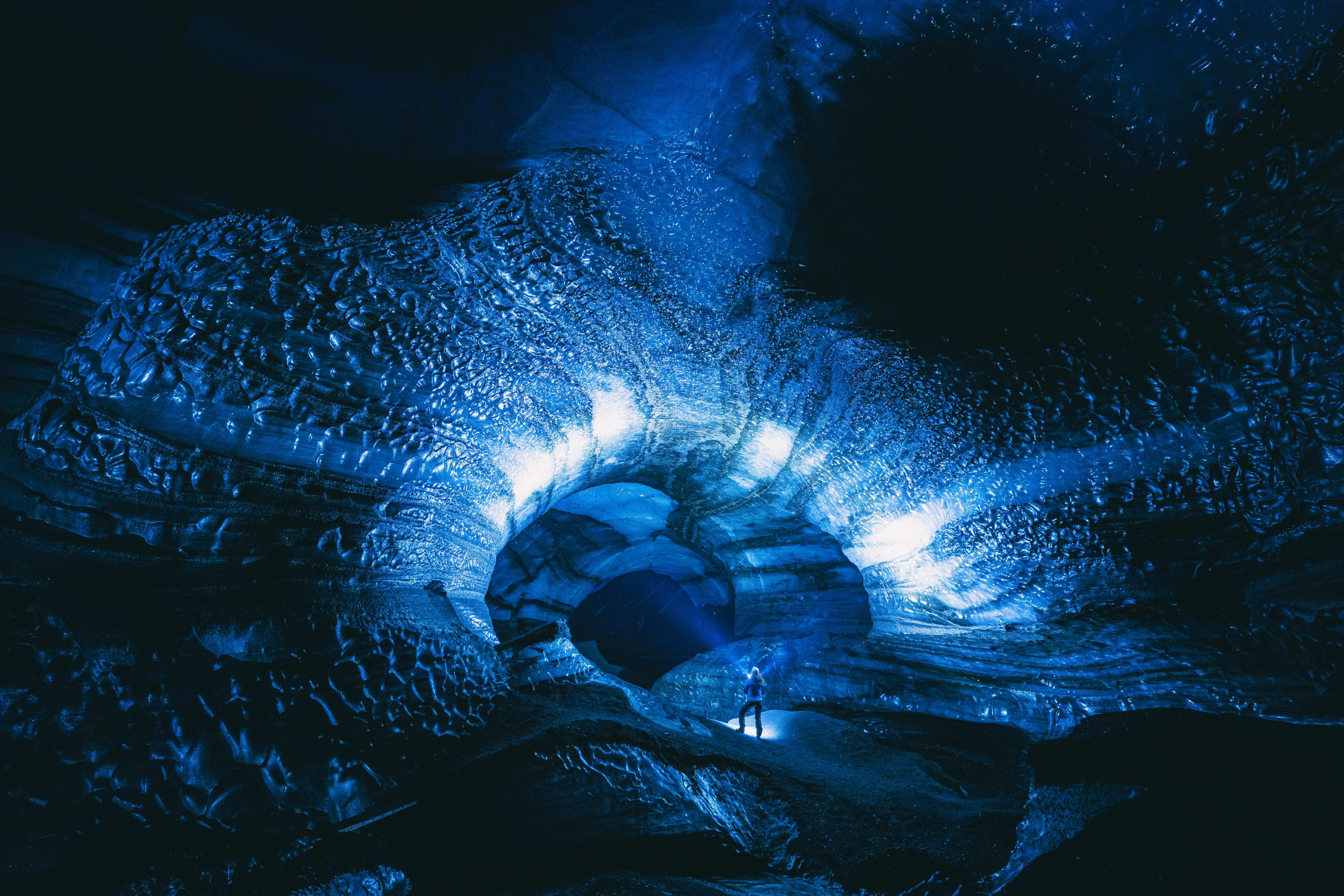
If you arrive in Iceland outside of winter but still wish to experience the magic of ice caves, there's one on the south coast open year-round: Katla Ice Cave. Located in a volcanic region, the ice in Katla is mixed with volcanic ash, giving it a deeper, more intense color. Join our Katla Ice Cave adventure on the Myrdals Glacier and witness breathtaking views even in summer.

III. Snowmobiles
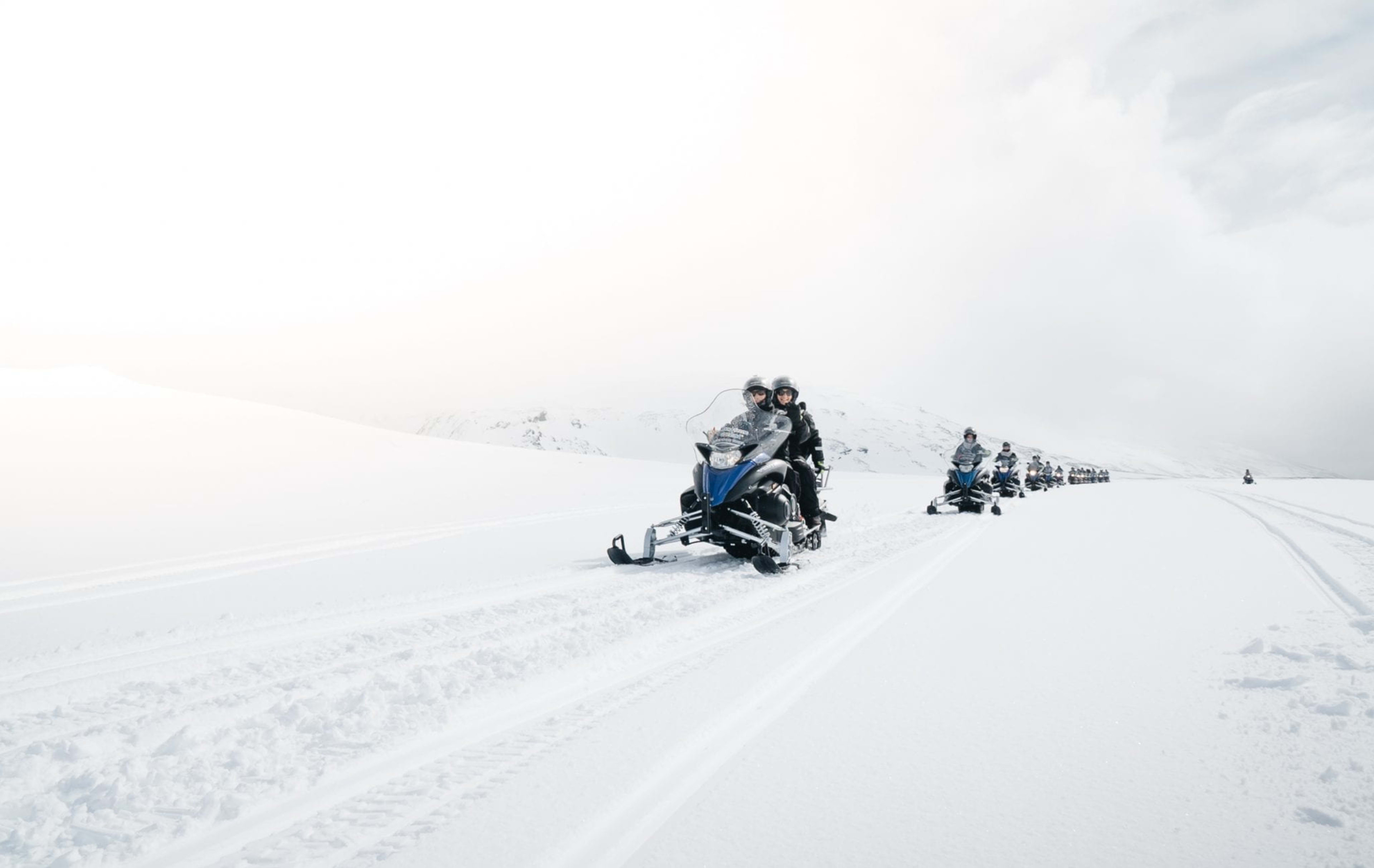
What's it like to speed across a glacier? What do Icelanders use for transportation in winter? Come experience a snowmobile ride and you'll find out! Snowmobiling is available year-round at Langjökull! So if you're into thrills, why not experience a snow-covered version of "Fast and Furious"?

IV. Icelandic Hot Springs

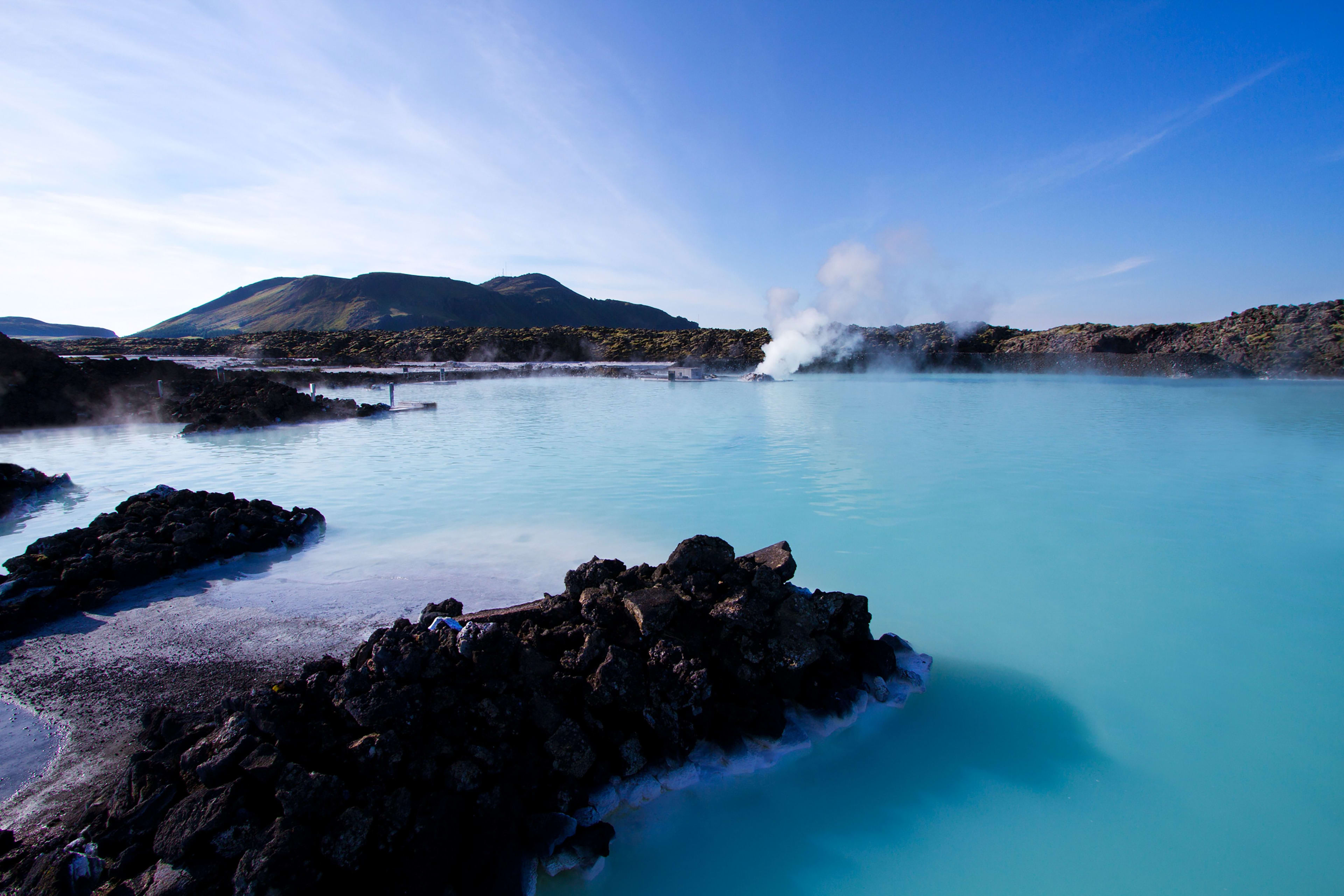
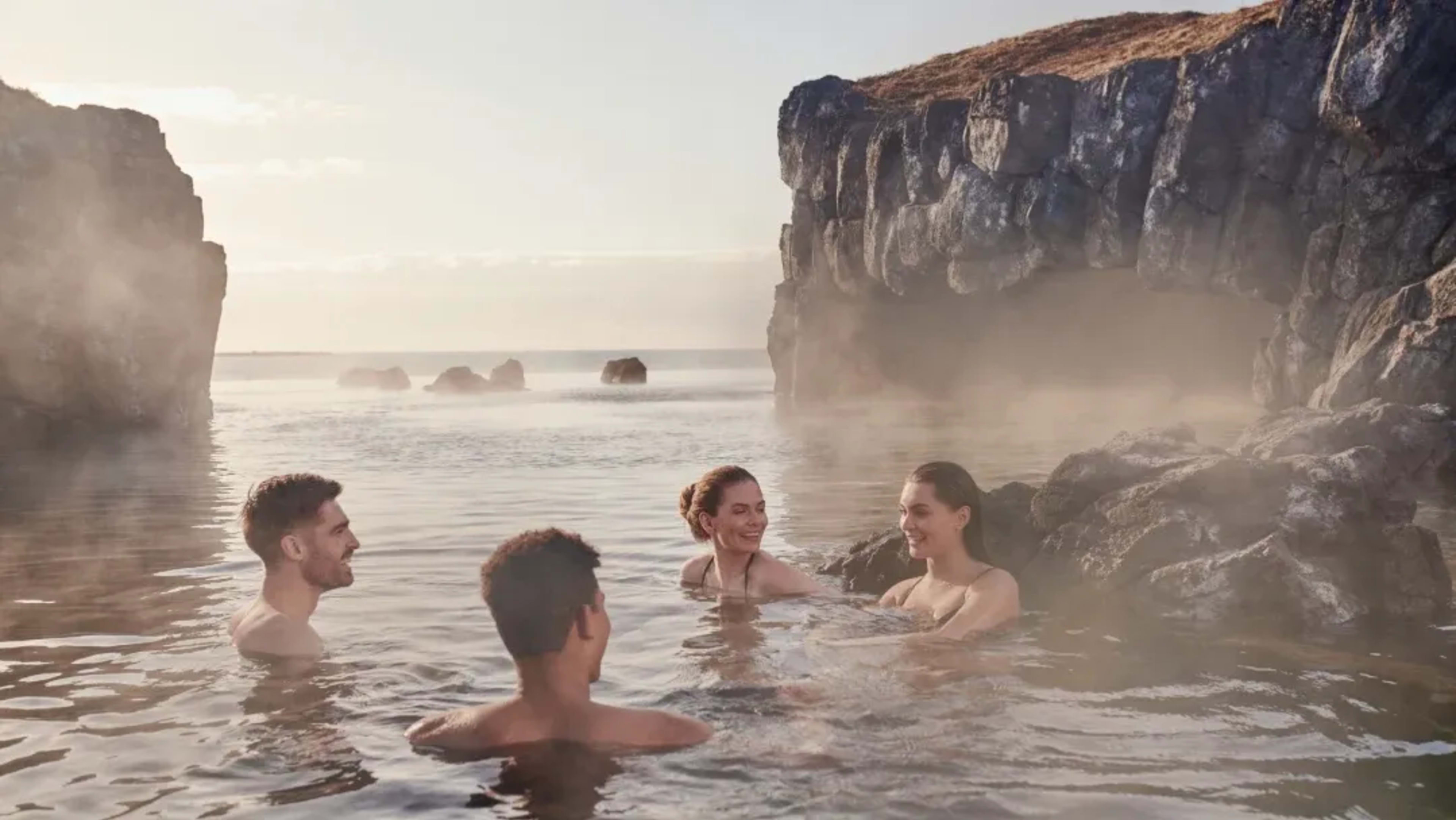
In Reykjavik, there's a newly discovered hot spring: Sky Lagoon . Its design is inspired by Icelandic thatched-roof houses. The infinity pool faces the sea, perfect for stargazing and watching the aurora borealis on winter nights, or admiring the sunset at midnight in summer – truly living up to its name, "Mirror of the Sky!" Beyond its stunning scenery, it also offers a unique 7-step ritual that's well worth experiencing. Soaking in the hot spring while gazing at the Icelandic landscape across the sea, accompanied by a glass of champagne, creates an unparalleled and blissful experience.

Related experiences:
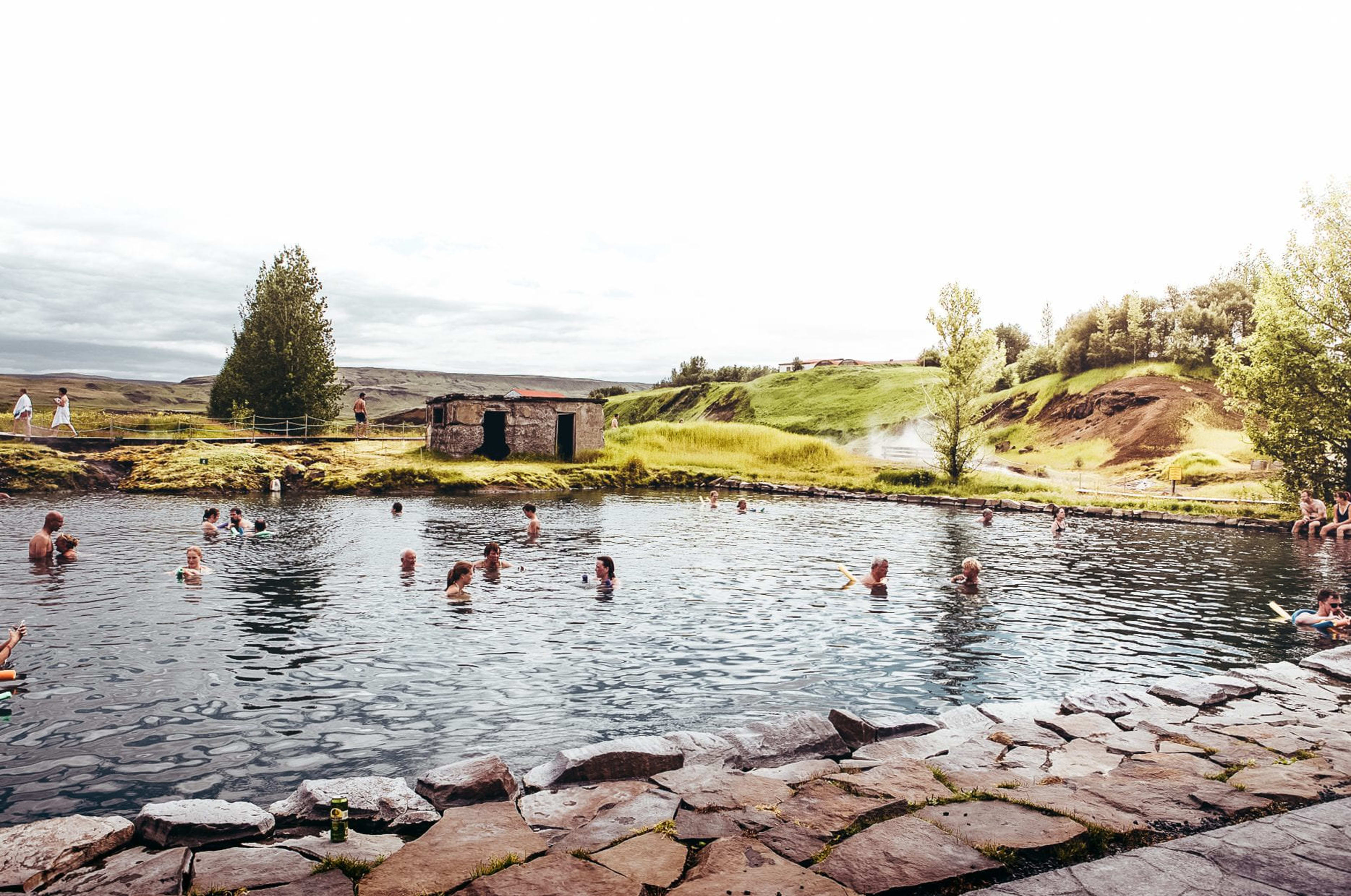
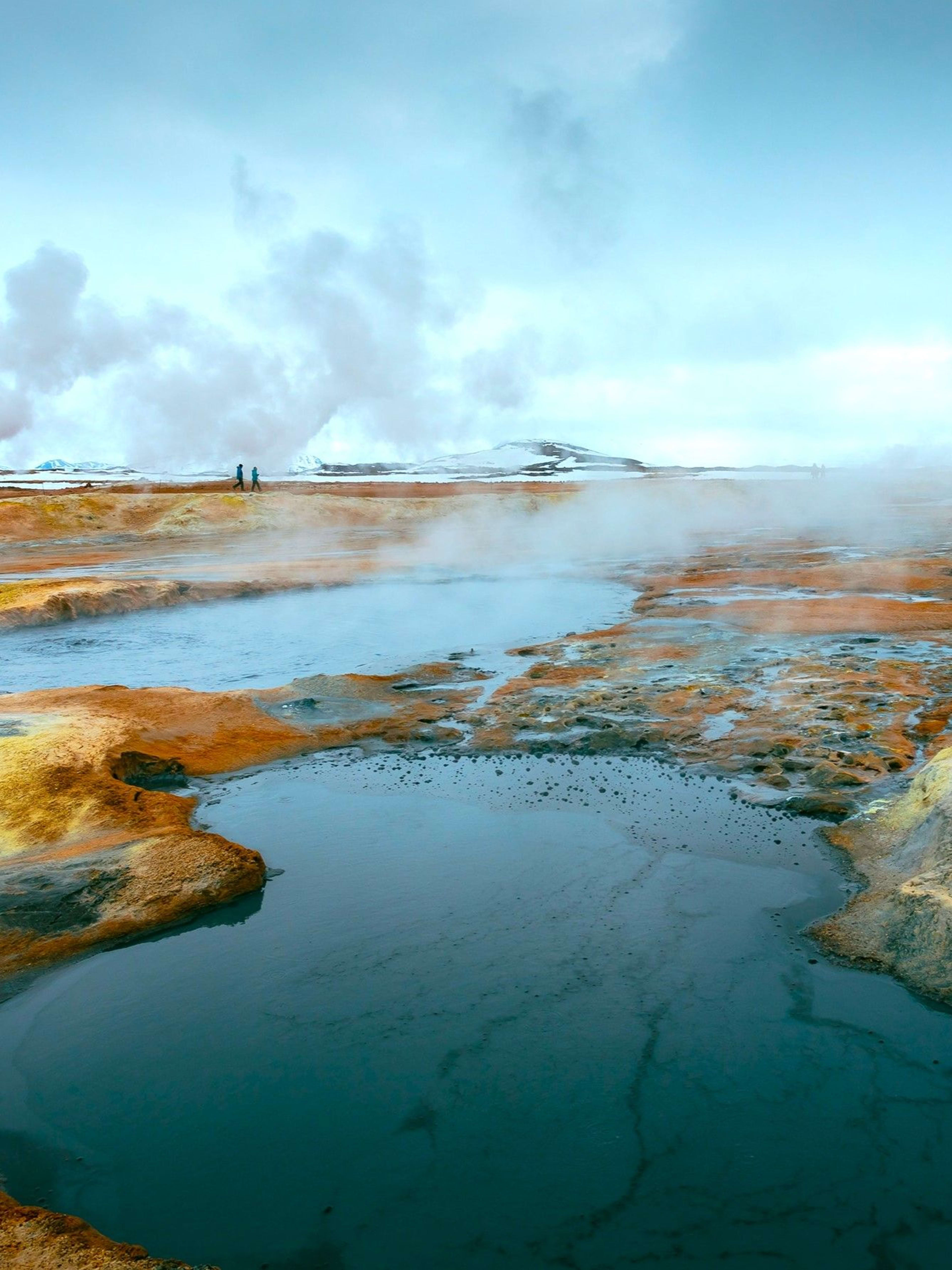
Hidden away in the Golden Circle, this little-known mountain hot spring is Iceland's oldest outdoor man-made geothermal pool, the Screte Lagoon, which retains its pristine appearance and truly embodies the saying "less is more." While soaking in the hot spring, you can also witness Iceland's unique geothermal landscape.

Related experiences:
This area boasts abundant geothermal resources, leading to the construction of numerous greenhouses and the development of a mature industry. For example, the fascinating Friðheimar tomato farm is a great place to visit with children. If you'd like to enjoy the unique scenery of the Golden Circle while soaking in the hot springs, consider joining our Golden Circle & Secret Hot Springs Day Trip: witness the enchanting Gullfoss waterfall and experience Iceland's oldest hot springs .
V. Icelandic Animals
sea
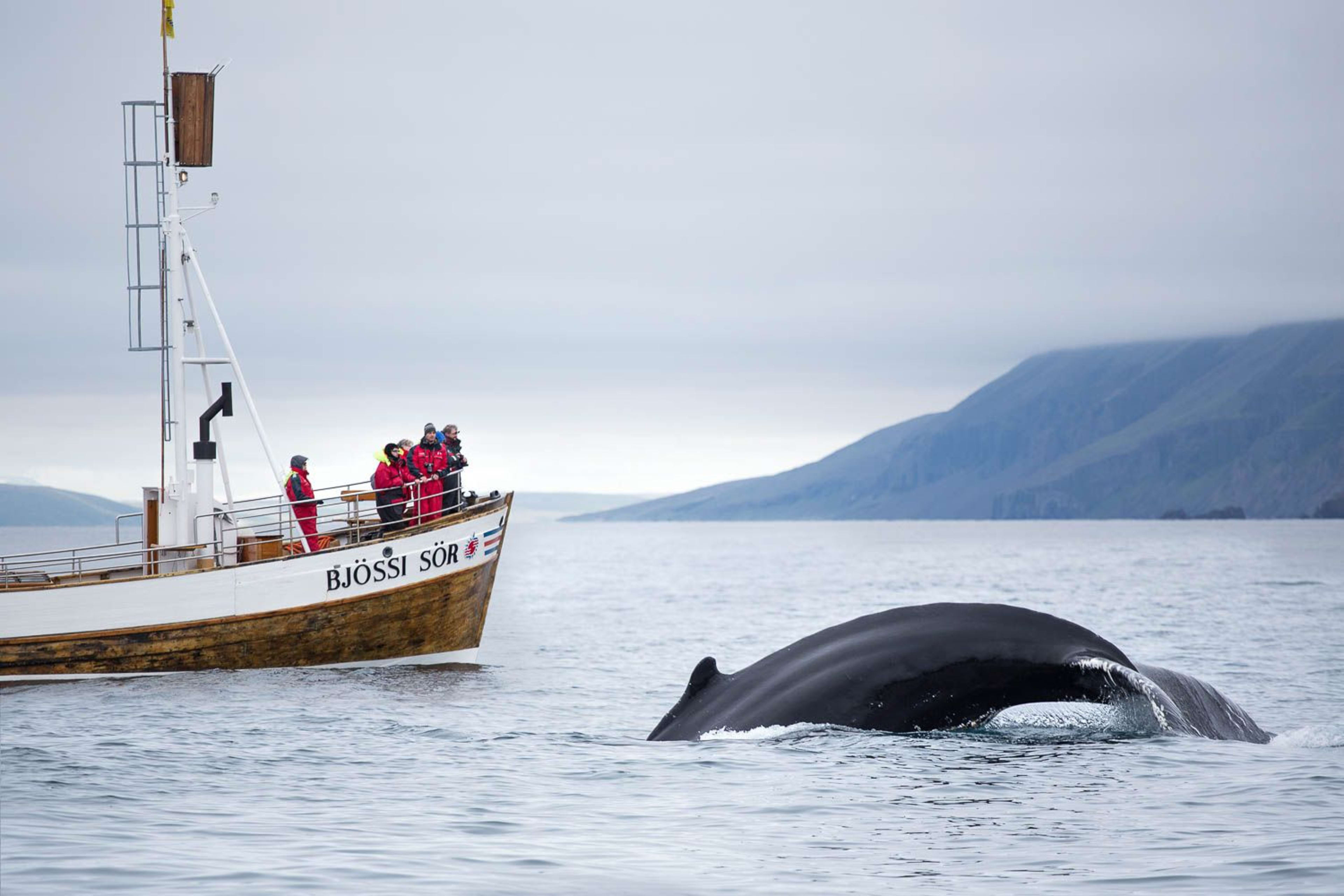
In Iceland, you can see whales, seals, dolphins, and over 300 species of fish. Whale watching is a year-round activity in Iceland. However, Iceland is better suited for whale watching tours in the summer, considering the overall experience and quality. The weather is milder, with fewer extreme weather events, a higher likelihood of tours departing, and a greater chance of seeing whales breaching the surface. Iceland has many whale watching locations, with Reykjavik and Húsavík being the most popular. Whale watching experiences are also available in Akureyri and Hólmavík.
Whale watching in Reykjavik is a top choice for many tourists. The boat departs from the Old Harbor in Reykjavik city center, and after a 1-2 hour voyage, you have a chance to encounter whales, dolphins, and other marine life. If you join a tour in the summer, you can also choose a midnight sunset whale watching tour. An added bonus in summer is the chance to see many puffins flying over the sea.

land
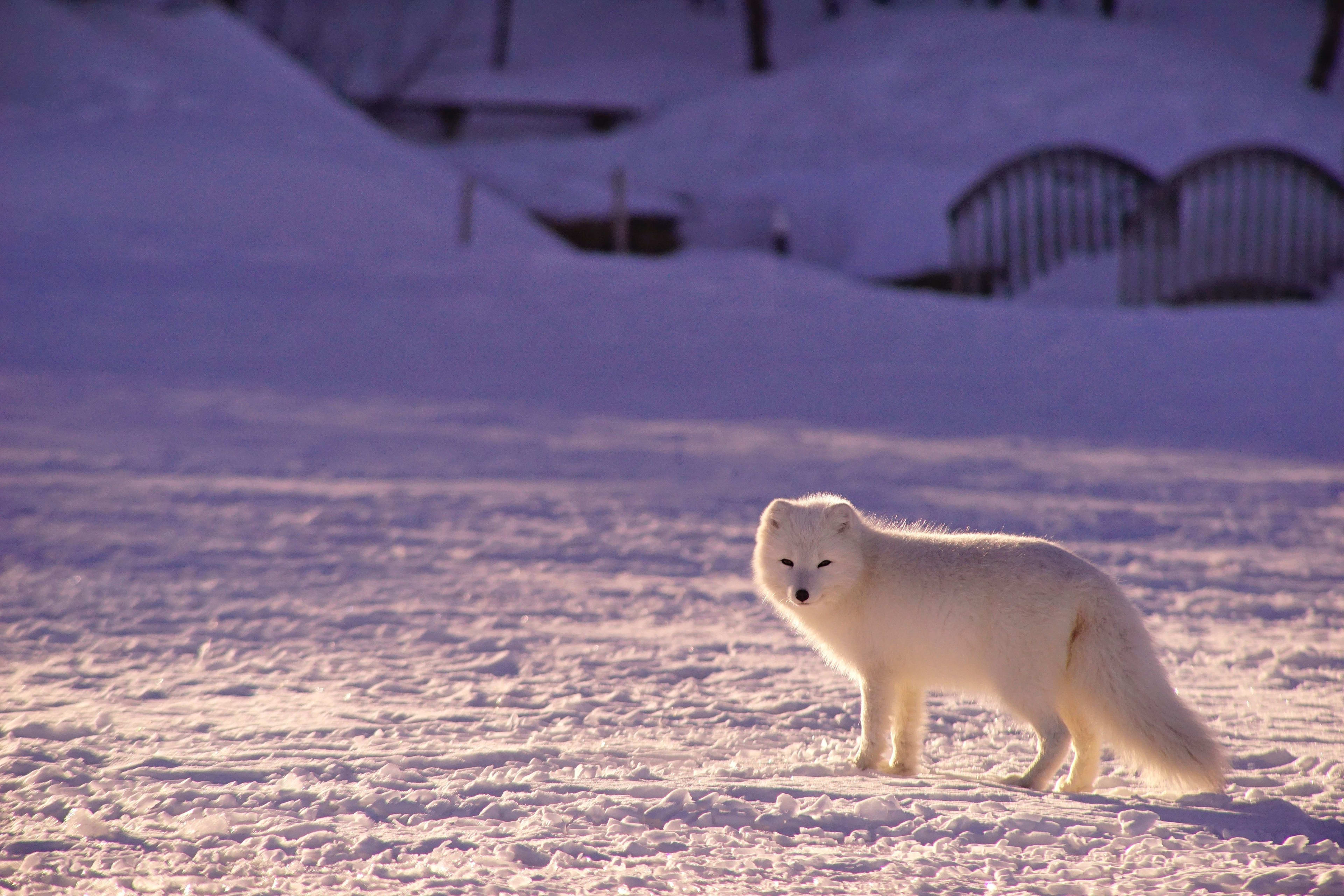
Arctic foxes are 100% native Icelandic wild mammals, spending most of their time in the East and Westfjords. The Hornstrandir Nature Reserve in the Westfjords is a paradise for Arctic foxes.

If you'd like to see reindeer, consider a trip to eastern Iceland. Icelandic reindeer primarily graze in the eastern fjords, and in winter, you might also spot them near glacial lagoons. Some people have even encountered reindeer blocking the roads while driving in eastern Iceland!
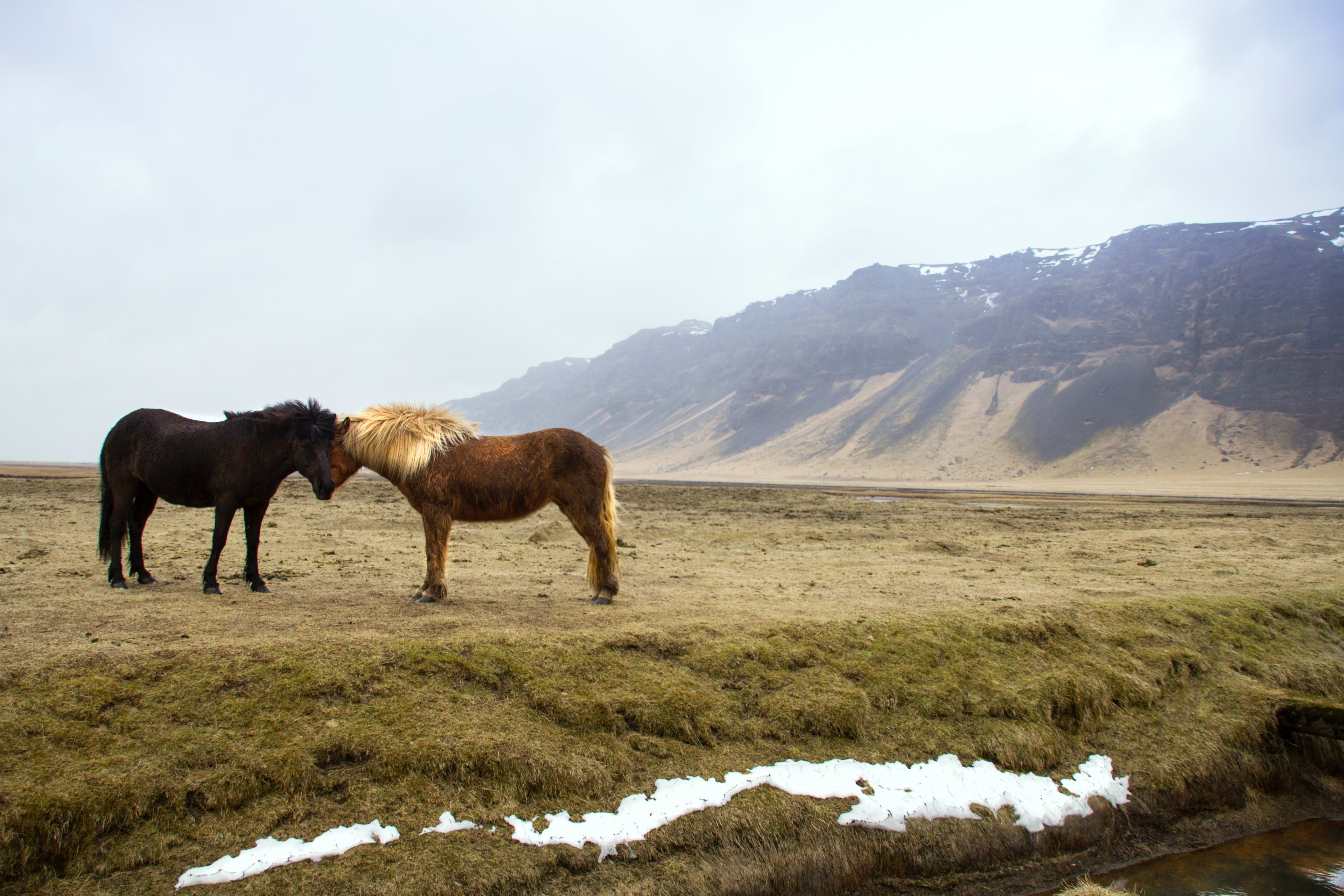
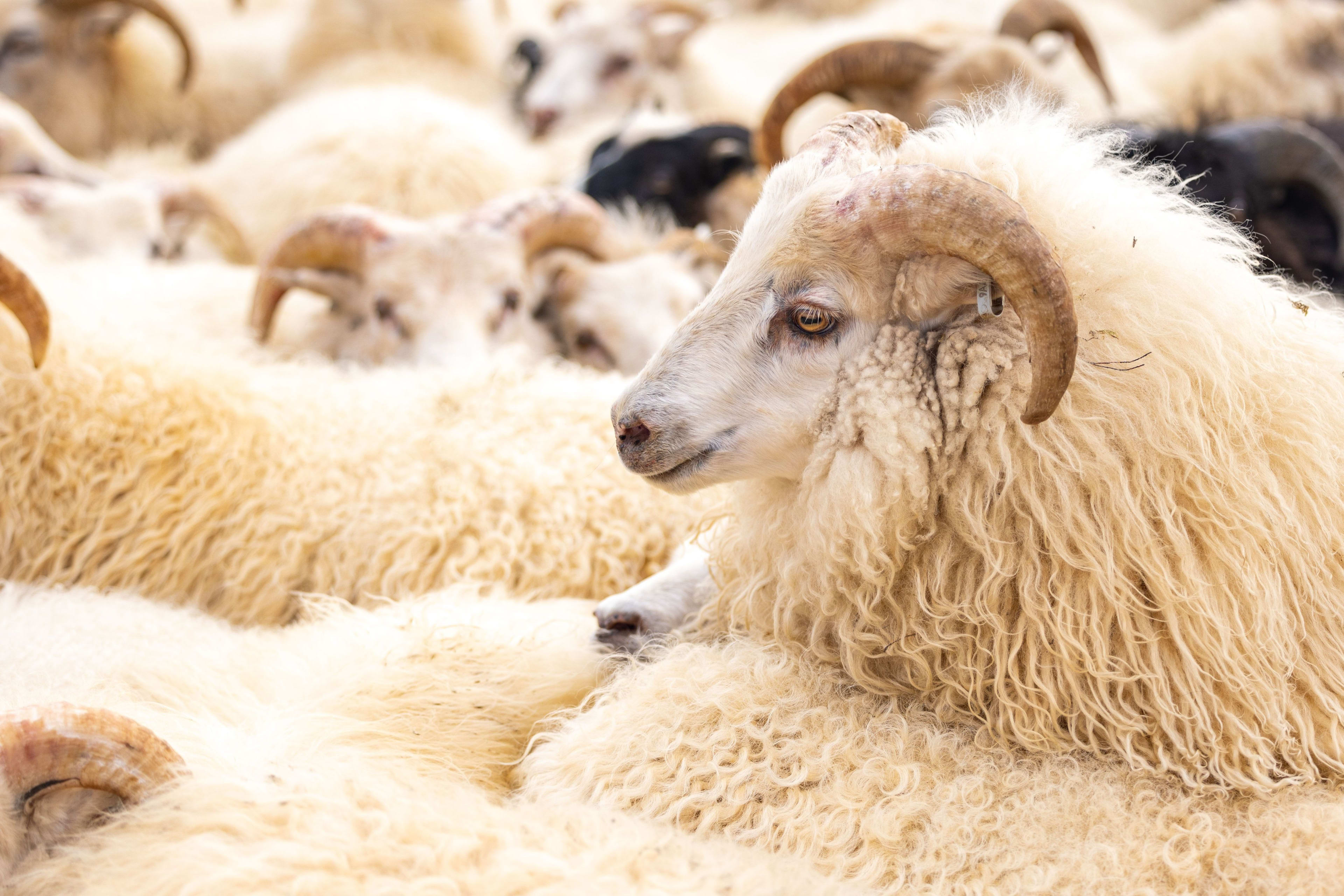
As for domesticated animals, the most well-known are the Icelandic horse and the Icelandic sheep. Icelandic horses and sheep are ubiquitous in Iceland and are the backbone of Icelandic livestock farming, while the Icelandic horse has gradually become a comedic icon of Iceland. Icelandic horses are now mainly used for riding and recreational purposes, but previously, they actually served as herders.

Icelandic sheep are even more valuable. Not only is Icelandic lamb delicious and praised by gourmets, but the famous authentic Icelandic sweaters are made entirely from Icelandic sheep.

null
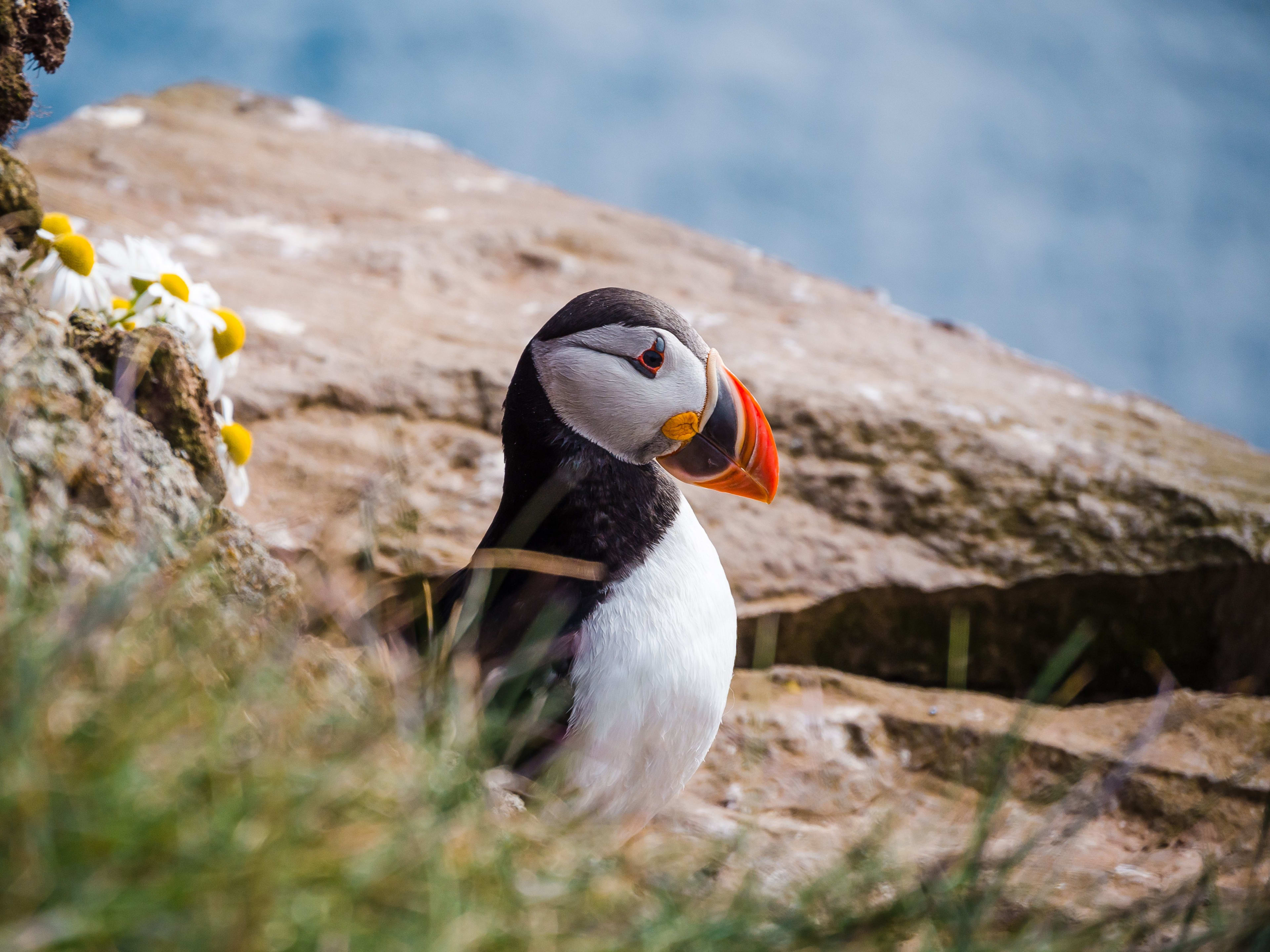
Iceland is a popular destination for seabirds, including the three-toed gull, skuas, and Arctic terns. Iceland boasts numerous bird sanctuaries, and bird enthusiasts flock there during the summer nesting season. The puffin, Iceland's national bird, is a popular attraction, returning to Iceland to nest and breed every summer from June to August. These little creatures are so cartoonish—with their bright orange beaks, large feet, quirky eyes, and distinctive black plumage—that even their simplest actions can elicit smiles. Therefore, puffin watching is a highly sought-after activity every summer. Below are some of the most popular puffin watching spots in Iceland:
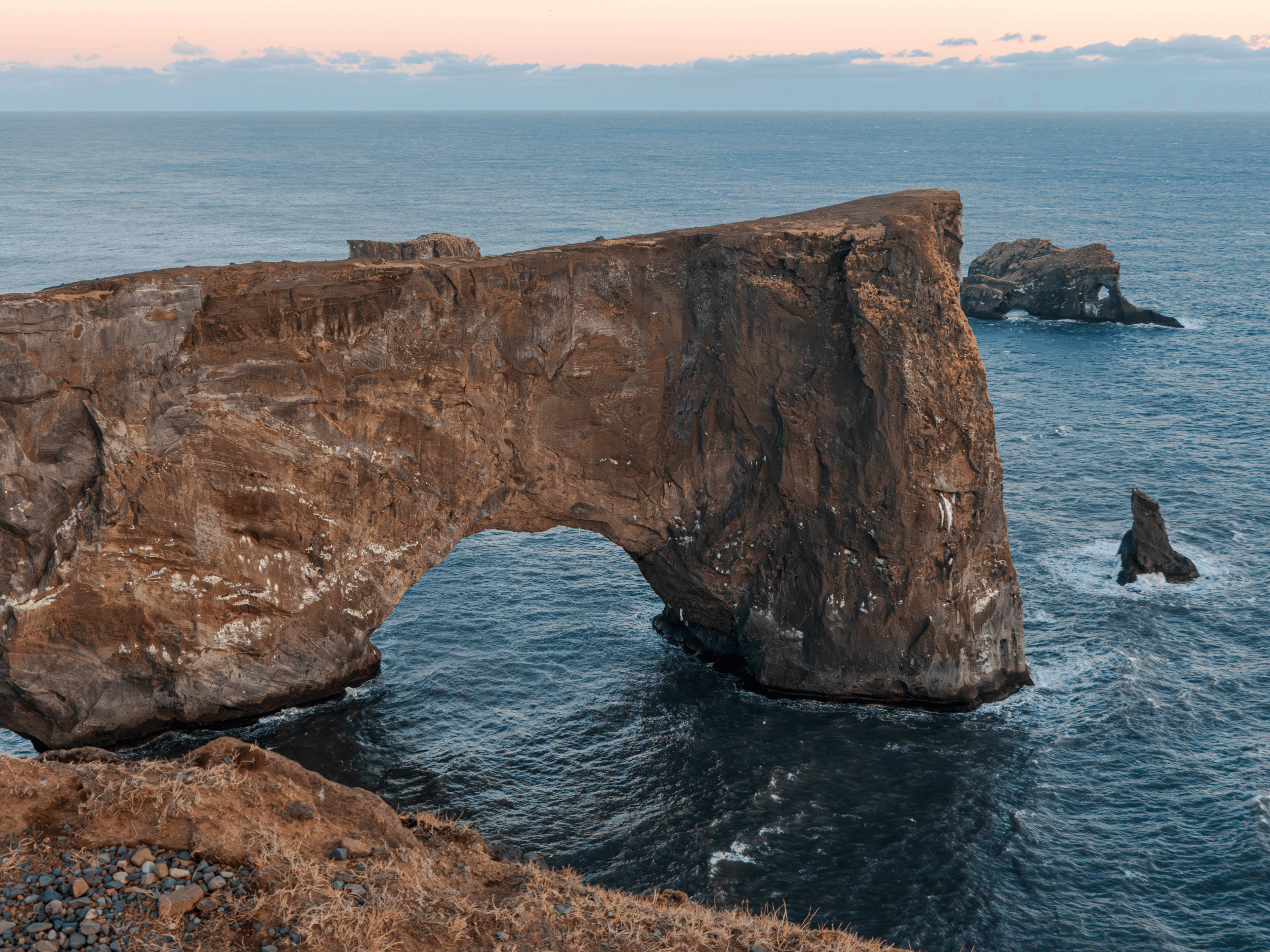
1. Dyrhólaey on the South Coast : A headland near Vík where you can spot puffins and overlook the entire black sand beach (Reynisfjara) , especially spectacular at sunrise and sunset. This area is perfect for a summer road trip, and if you're planning a trip around Iceland, consider adding it to your itinerary.

2. Ingolfshofdi Nature Reserve: This is a less-traveled birdwatching spot, but it's one of the most beloved locations for bird photographers! Perched atop towering cliffs, you can admire seabirds and the magnificent Atlantic Ocean in the distance. Here, you can not only spot adorable puffins, but also seabirds rarely seen elsewhere, such as sea pigeons, sword-billed puffins, storm petrels, Arctic terns, and three-toed gulls.
3. Látrabjarg Cliffs in the Westfjords : As the westernmost point of the European continent, this place not only boasts breathtaking cliff scenery but is also a great spot for birdwatching! It is a bird paradise, with its secluded location providing a perfect habitat for birds.

If you'd like to learn more about Icelandic animals, you can also check out this article on native Icelandic animals .
VI. Stuðlagil Gorge
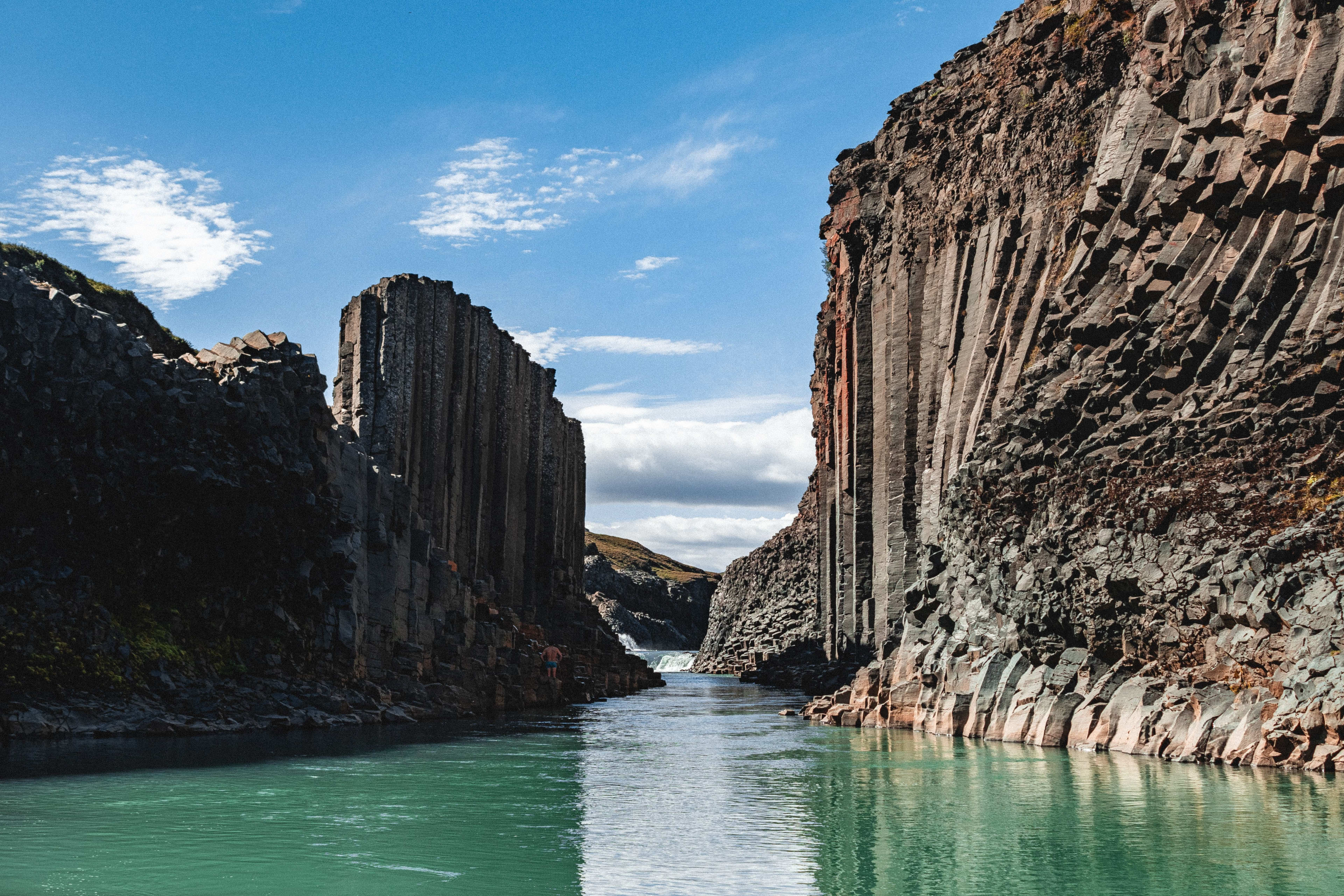
The Stuðlagil canyon , which has suddenly become a viral sensation online in recent years , is a newly emerging example of columnar jointing. It actually only "appeared" in the last two years due to the construction of a hydroelectric power station and reservoir upstream, causing a drop in the downstream water level. This revealed the true face of the riverbed. Who would have thought that an ordinary river could have such a magnificent and wondrous riverbed? Because it's relatively new and its location is somewhat hidden, even many nearby residents don't know its exact location. It's located near the town of Hofteigur in the northeast. Google Maps now shows Stuðlagil canyon parking. If you're planning a self-drive tour around Iceland, consider visiting this amazing canyon!

7. Black Sand Beach (Reynisfjara)
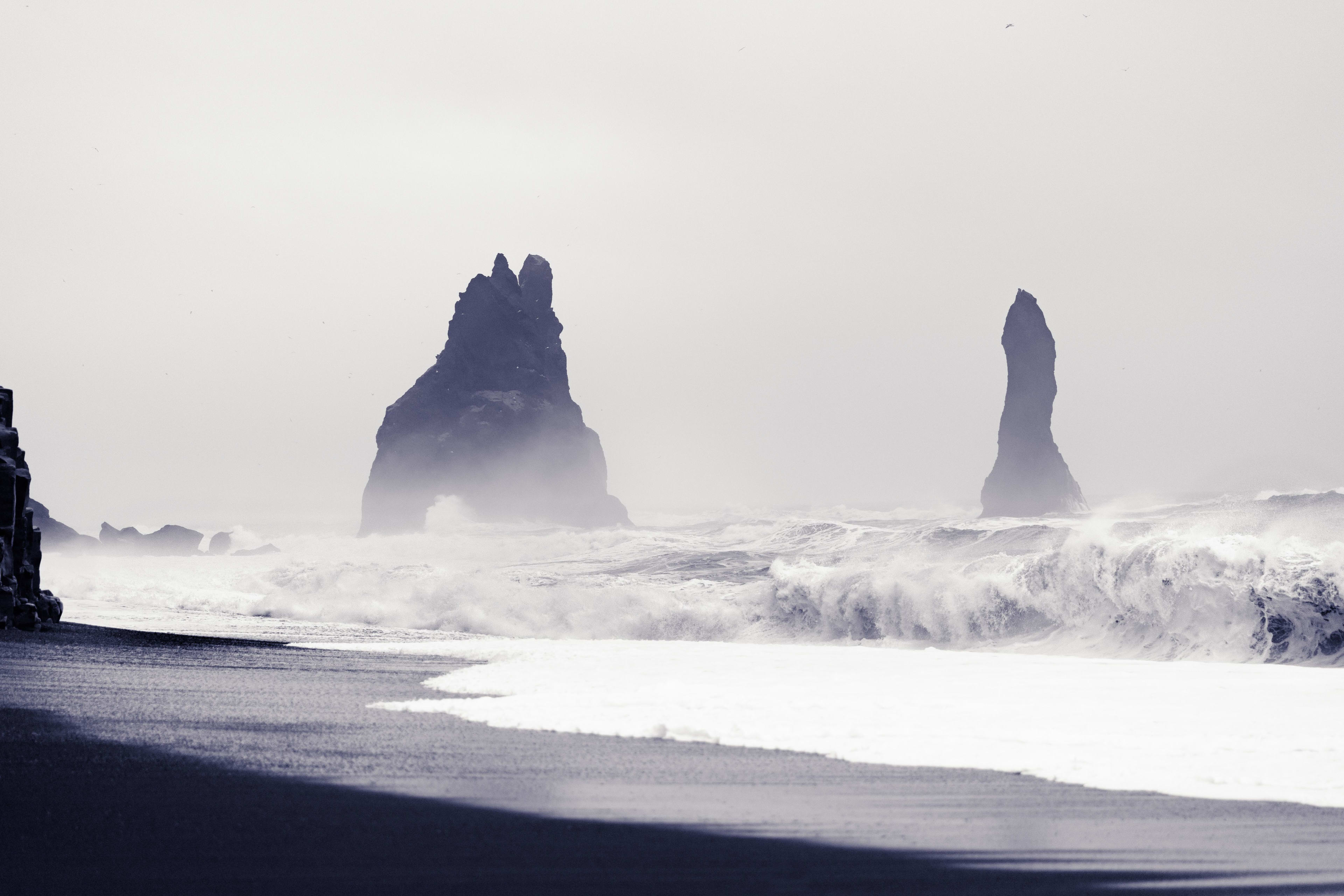
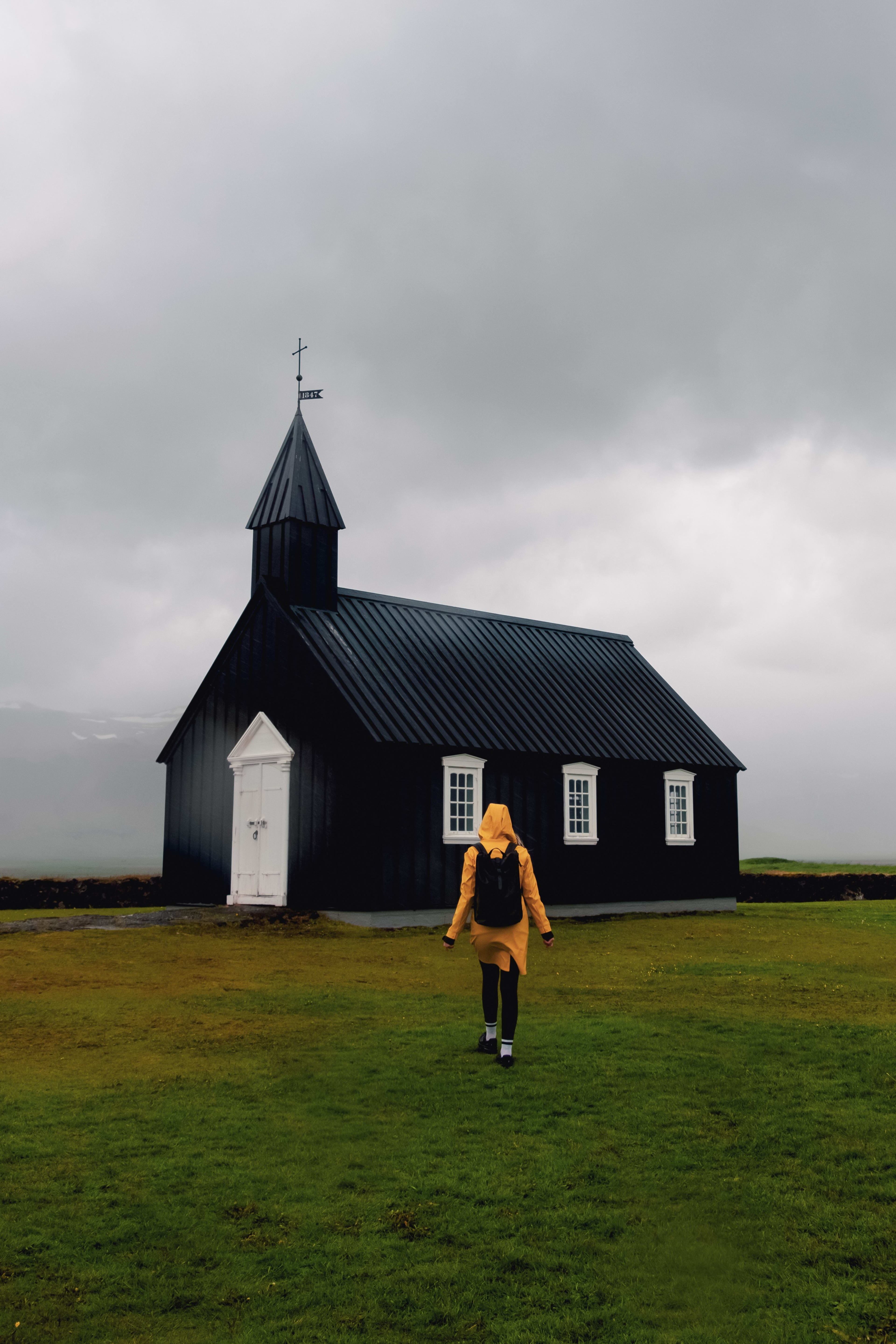
Besides these, there's another famous columnar jointing formation: the columnar jointing at Reynisfjara, the black sand beach in Vik. White waves, black sand, and magnificent, towering basalt columns create a simple yet ethereal landscape. However, the waves at Reynisfjara are notoriously fierce, so it's best to view them from a distance. The town of Vik, nestled beside the black sand beach, is also well worth experiencing. The red-roofed church atop the hill is a must-see for photographers, and the town also offers the world's only Vík Lava Show ! If you'd like to experience other aspects of Iceland's south coast, consider joining our day or multi-day tours to fully appreciate the breathtaking scenery of Iceland's south coast.

8. Svartifoss (Svartifoss)
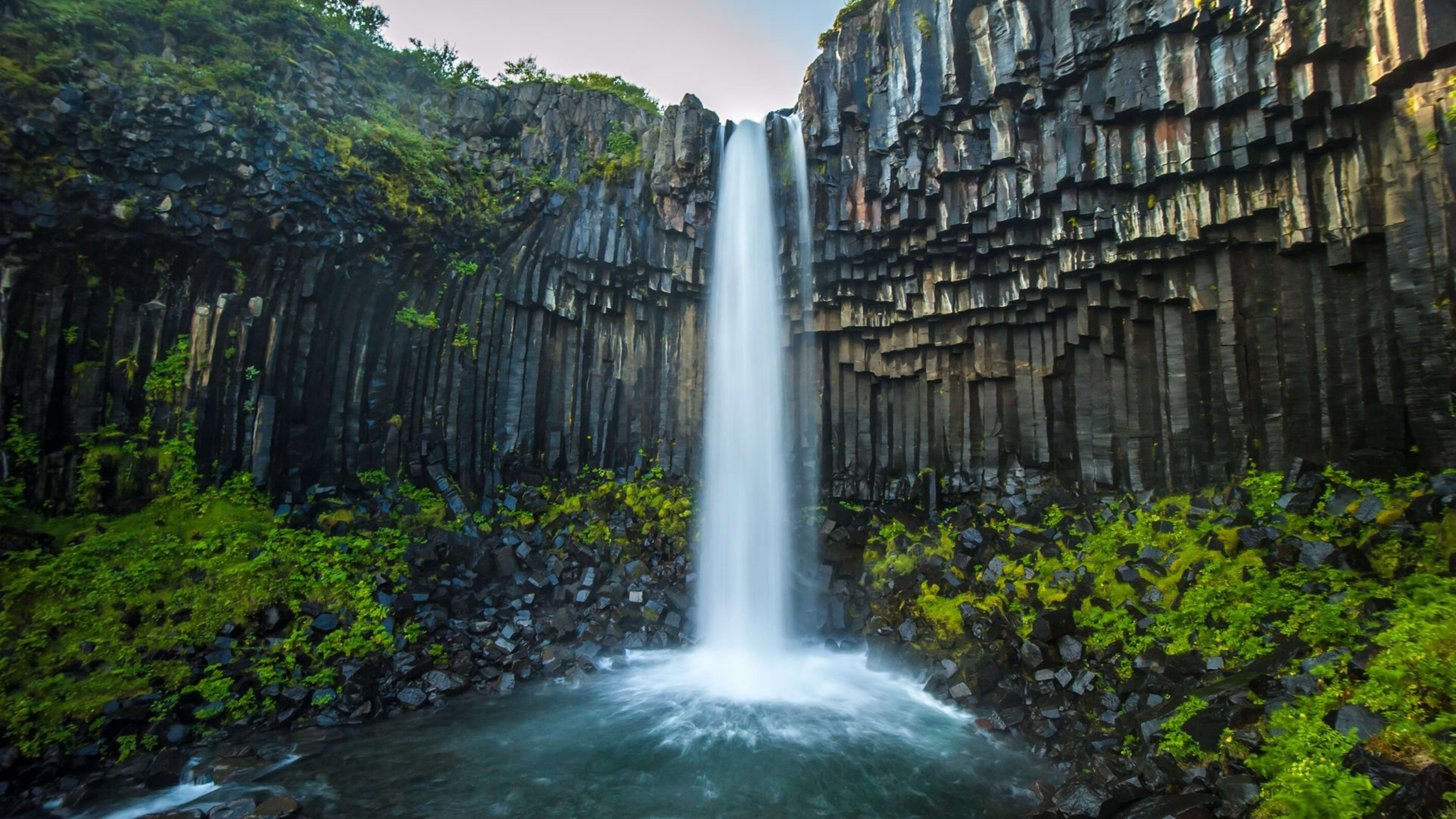
Svartifoss, near the town of Kirkjubæjarklaustur , is considered one of the most characteristic waterfalls in Iceland, and a sight rarely seen elsewhere. This is because the waterfall is not backed by ordinary rock formations, but by basalt columns. The water flows down from the center of the black volcanic columnar basalt, creating a striking black and white contrast. Therefore, it is also known as the "Black Waterfall." Although reaching Svartifoss takes a considerable amount of time—a 3.7km round trip hike from the nearest parking lot—trust me, it's definitely worth the trip.