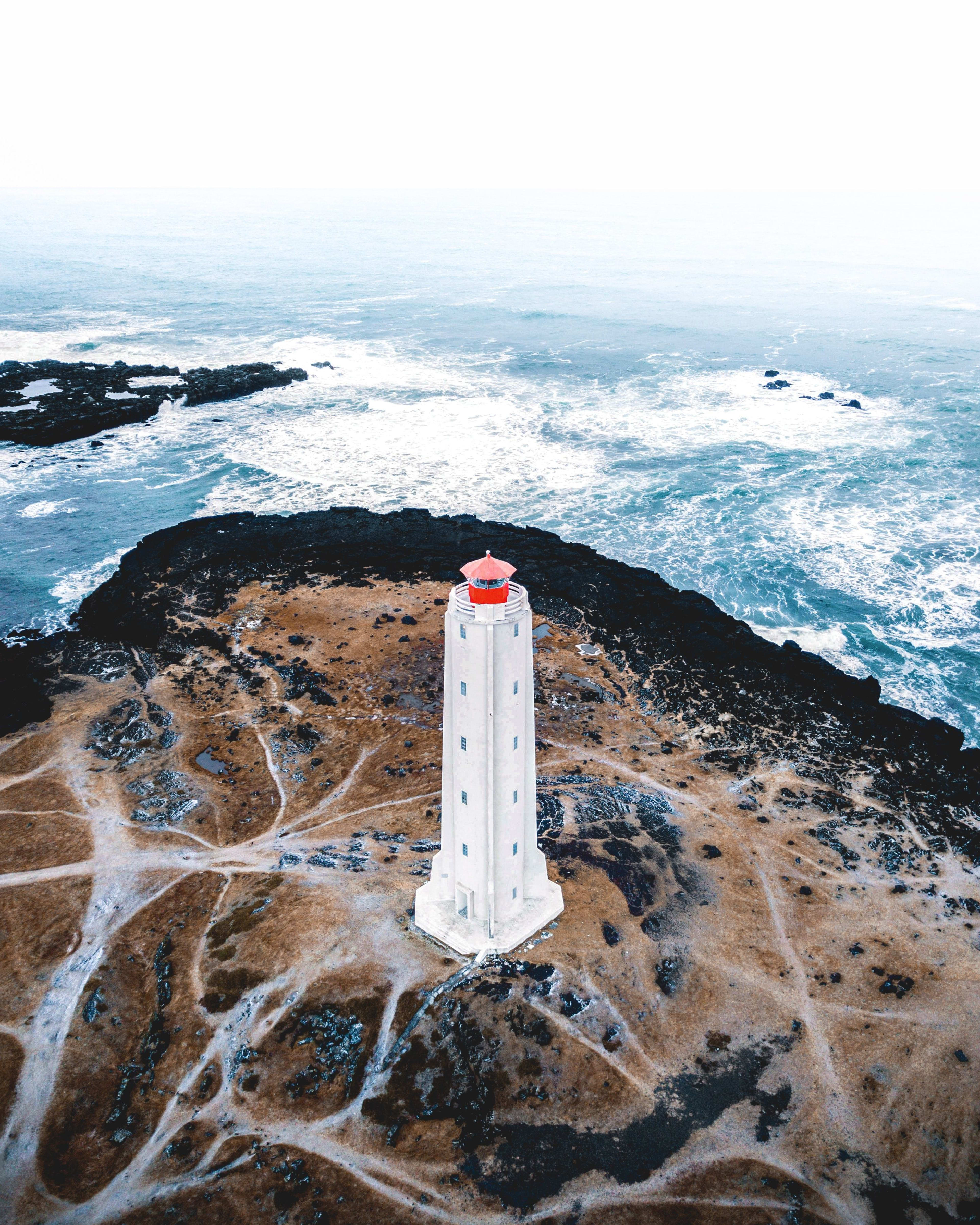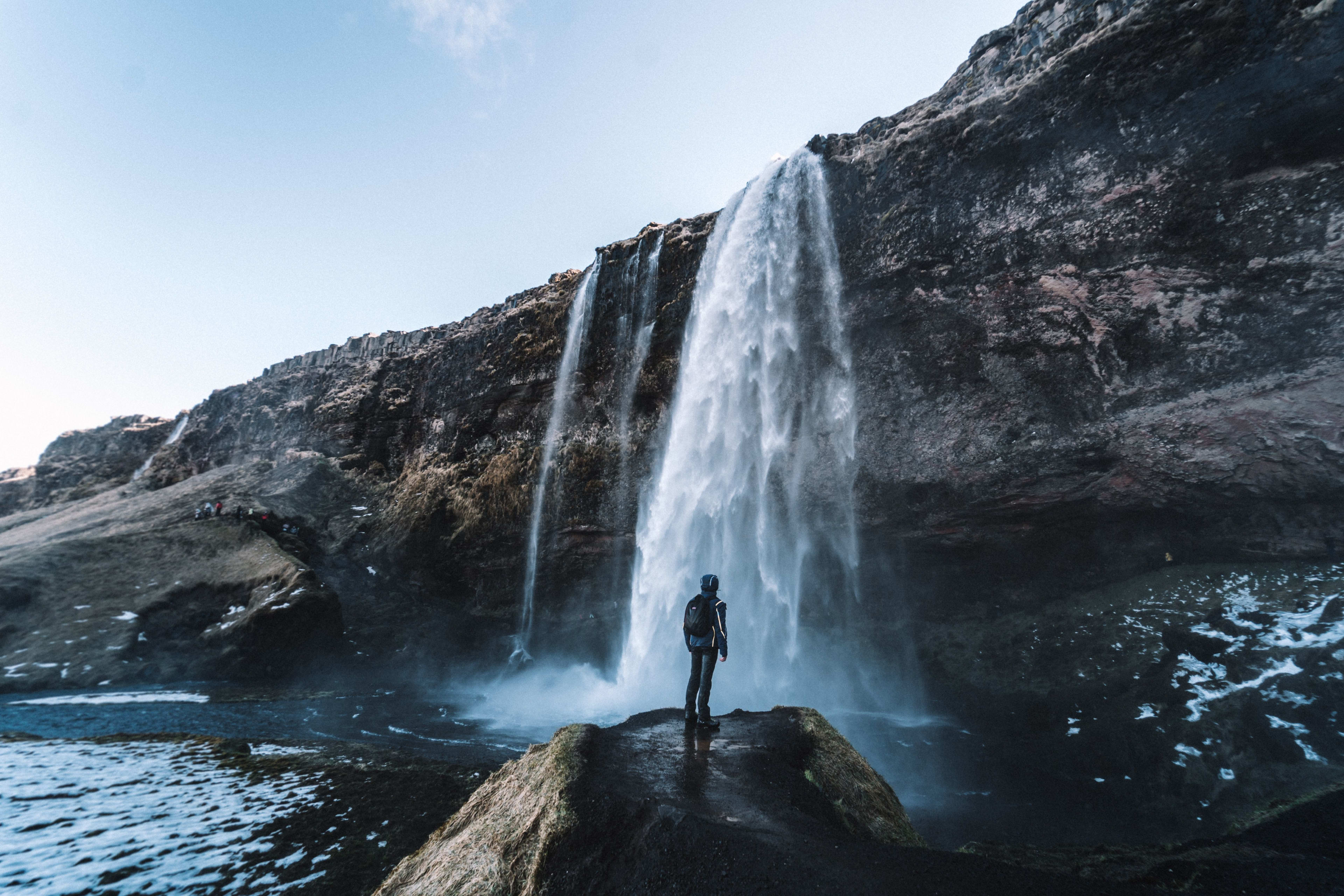
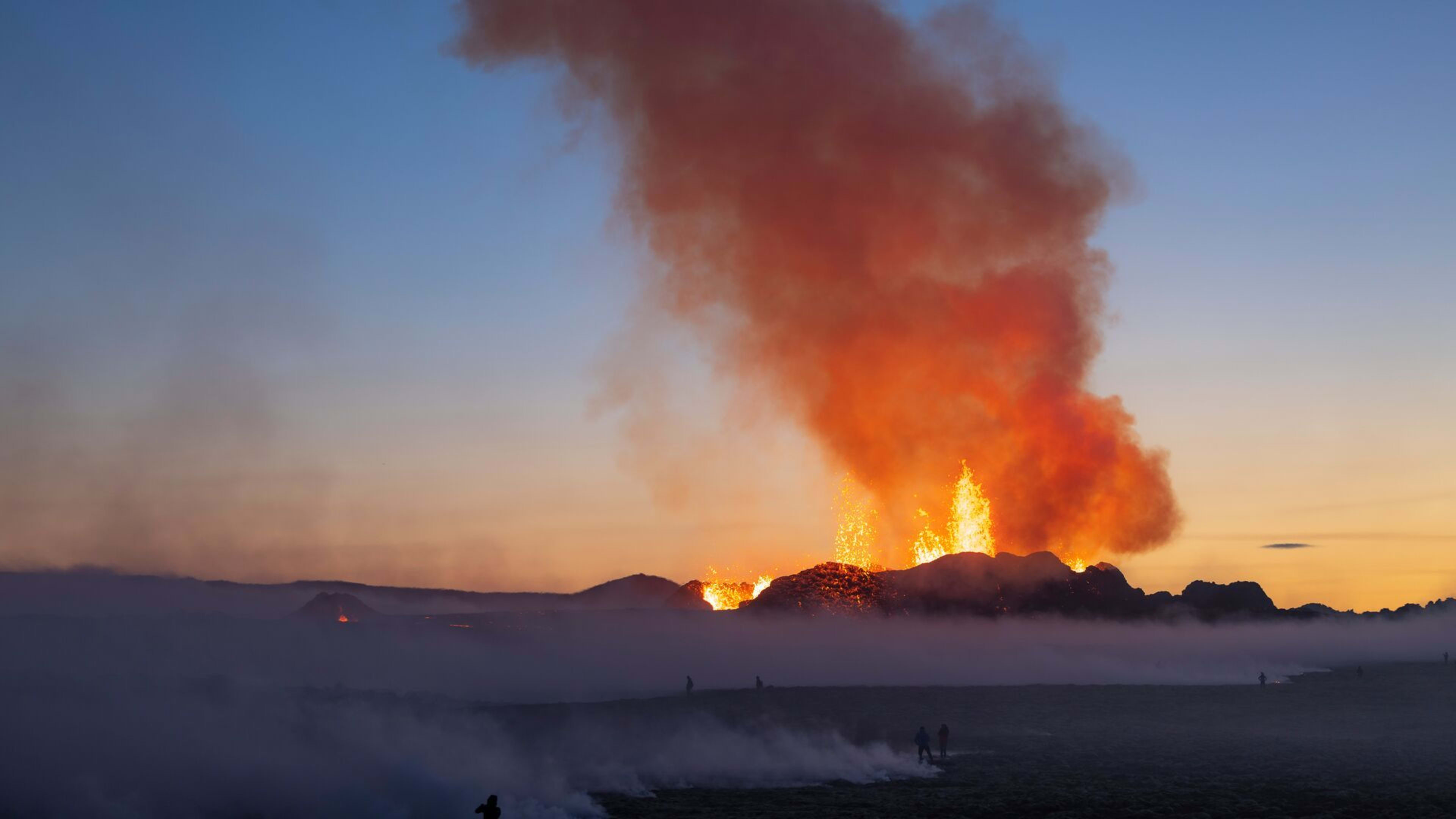
Iceland, known as the "Land of Ice and Fire," is an island nation in the North Atlantic that boasts rugged mountains, massive glaciers, magnificent waterfalls, and fjords, among other unique landscapes. However, its most striking geological feature is perhaps its volcanoes. Icelandic volcanoes are arguably one of the most iconic symbols of this Nordic country, scattered throughout the island. In recent years, the frequent eruptions of Icelandic volcanoes have inspired awe and drawn many tourists eager to witness their power firsthand. So, how are Icelandic volcanoes formed? What are their characteristics? Which volcanoes are famous in Iceland? And what precautions should be taken when watching volcanic eruptions and visiting volcanoes?
Related itinerary:
Knowledge and history about volcanoes
Iceland's surface is covered in ice (glaciers), beneath which lie volcanoes and molten lava. Around these spectacular volcanoes, geysers and hot springs frequently erupt, creating Iceland's unique landscape. Iceland has 30 volcanic systems, encompassing approximately 130 volcanoes, with a major eruption occurring on average every five years. In the past 50 years, Iceland has recorded over 20 volcanic eruptions. Scientists believe that since the settlement era 1100 years ago, about 18 volcanoes have erupted more than 200 times. In the past 500 years, Iceland has produced one-third of the world's lava flows. This might sound like the entire country is a bubbling pot of lava, waiting to burn everything, but this is not the case. Many of Iceland's volcanoes have been inactive for a long time. Shaped over millions of years, they add to Iceland's mystique, highlighting the magnificent power of nature. From early settlers, Icelanders mastered the art of survival in harsh natural environments, choosing locations far from active volcanic areas. Today, the Icelandic people have learned to live in harmony with volcanoes.

However, many people may know very little about Icelandic volcanoes. As the saying goes, "Know yourself and know your enemy, and you will never be defeated." Although we do not need to fight against nature, after learning about the many things to know and the precautions for Icelandic volcanoes, you will have a clearer understanding of how to embark on a trip to Icelandic volcanoes and be able to safely and comfortably experience the magnificence of volcanoes.
Reasons for frequent volcanic eruptions in Iceland
Iceland's volcanoes are typically located beneath massive lava fields, shimmering glaciers, or hidden among rocky peaks. Their eruptions are unpredictable yet relatively frequent. Many might wonder why Iceland experiences so many volcanic eruptions. This involves geographical factors. Iceland occupies a unique geographical position, surrounded not only by the wild waters of the North Atlantic but also situated on the Mid-Atlantic Ridge, a tectonic plate separating Eurasia and North America—a "hotspot" on Earth, where constant plate movement and splitting create rift valleys. Furthermore, Iceland's location is influenced by mantle plumes, extremely hot columns of superheated magma rising from deep within the mantle. These plumes melt and thin the Earth's crust. As the plates move apart, the molten magma rises to the surface, lifting Iceland's crust above sea level. The resulting massive magma fills the gaps created by plate expansion, triggering volcanic eruptions.
Iceland's different volcanic types and eruption patterns
Generally, volcanoes are mainly classified into three types: cone volcanoes, shield volcanoes, and composite volcanoes that combine both of these characteristics. Iceland possesses all three types. The most common type in Iceland is the composite volcano (also known as a stratovolcano), such as Snæfellsjökull, Eyjafjallajökull, and Hekla. This type of volcano often consists of a series of peaks extending in a line, with lava-filled veins at their base, and many volcanoes interconnected. Therefore, when pressure increases, any volcano connected to the system can erupt. These steep volcanoes consist of layers of lava, volcanic ash, and clastic rocks, erupting explosively.
Cone volcanoes are small-scale volcanoes; the Ljósufjöll volcanic system and the Þríhnúkagígur volcano are examples of this type. Most cone volcanoes have a bowl-shaped crater at the summit and their height does not exceed 366 meters (1,200 feet).
Another type of volcano is the "shield volcano," which has a more curved shape than the typical cone volcanoes we are more familiar with. These volcanoes are broad, dome-shaped, and have smooth, sloping sides. Viewed from above, they resemble an inverted warrior's shield, hence the name. Famous shield volcanoes include Skjaldbreiður in southwestern Iceland and Surtesy, a volcanic island off the coast of Iceland.
Volcanoes develop different types of eruptions. Most people are familiar with the type where magma erupts from the center of a giant cone. The cone-shaped volcano formed after this type of eruption is called a "caldera," typically 1-1.6 kilometers in diameter. Besides this, there is a unique type of volcanic eruption called a caldera, also known as a volcanic crater or sinkhole. These are usually formed when magma retreats, the volcano collapses, or a shallow magma chamber erupts. They can reach 8-16 kilometers in diameter. This type created Iceland's national mountain—Herðubreið, known as the "Queen of Icelandic Mountains."
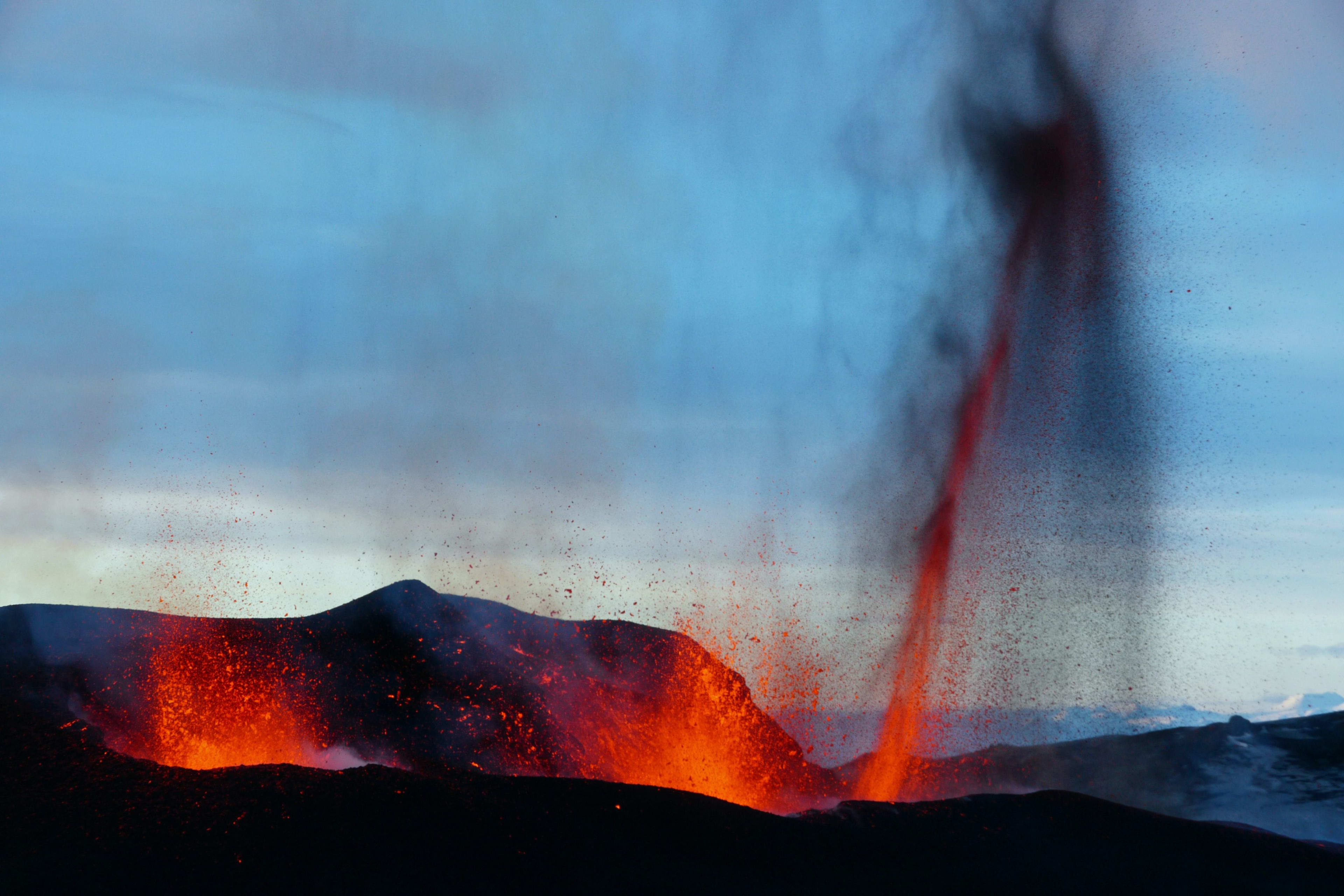
Icelandic volcanic eruptions are incredibly diverse, ranging from small eruptions where lava flows silently from fissures and craters to explosive eruptions of massive amounts of ash from a snow-covered central volcano—a perfect illustration of the stark contrast between fire and ice. Unlike other volcanoes in the world, these eruptions often cause destructive glacial floods, known to Icelanders as "jökulhlaups." Boiling lava and glacial ice together cause damage on the Earth's surface and can lead to geological changes within the Earth's interior. These volcanic eruptions beneath glaciers can occur unexpectedly at any time.
This may sound contradictory, but the fact that volcanoes create glaciers is undeniable. This is because volcanic activity creates high mountains that reach cooler layers of the atmosphere, absorbing moisture to nourish the glaciers above. Heat emanating from the volcano melts the underlying ice, and when enough water accumulates in the depressions beneath, it erupts from beneath the glacier's front, creating glacial floods on the alluvial plains in front. This process is so unique in Iceland that the Icelandic term for this phenomenon is recognized internationally.
volcanic eruptions in Iceland in recent years
Icelandic volcanoes frequently make headlines worldwide. However, the most recent and perhaps most infamous eruption occurred in 2010. The eruption of Eyjafjallajökull spewed ash that brought all air traffic over Europe to a standstill for several days, causing significant disruption to air travel throughout Western and Northern Europe for about a week.
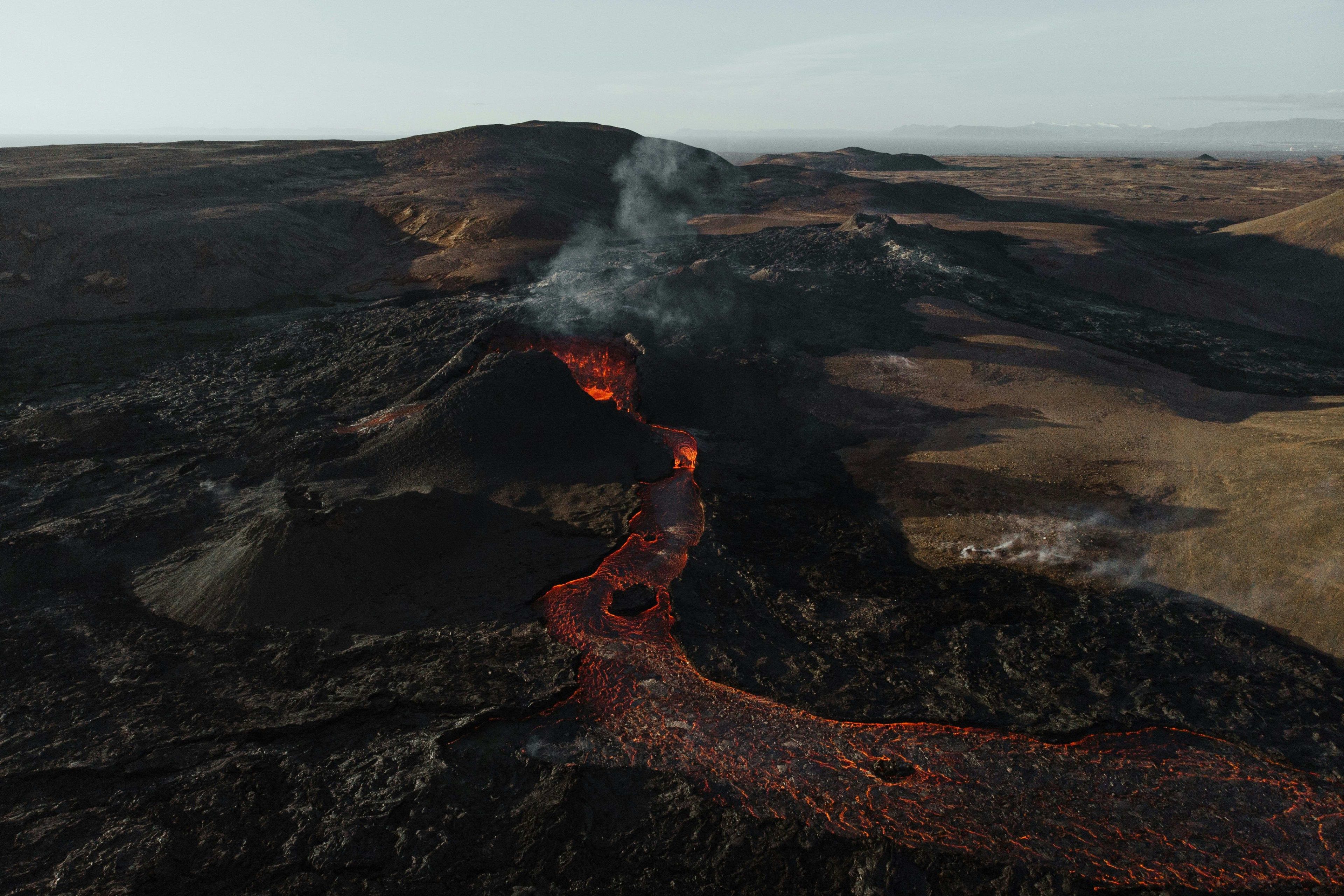
In addition, Iceland has experienced several volcanic eruptions in the past three years. The first was the Fagradalsfjall eruption in March 2021, which lasted for over a year. The Litli-Hrútur eruption occurred in July 2023, attracting many visitors after it was deemed safe to enter. And on December 18, 2023, the Sundhnúkur volcano on the Reykjanes peninsula erupted again.
Volcanic eruption time and duration
In recent years, volcanic eruptions, large and small, in Iceland and around the world have attracted widespread attention. However, even with numerous volcanologists dedicating themselves to volcanic research and various detection and early warning instruments in use, the exact timing and duration of volcanic eruptions remain difficult to determine.
Most volcanoes give warnings before erupting. A magma eruption involves magma rising to the surface and usually produces detectable earthquakes. Volcanic eruptions also deform the Earth's surface, causing abnormal heat flow or changes in the temperature and chemical composition of groundwater and springs. However, these precursors do not indicate the type or size of the expected eruption. These precursors may persist for weeks, months, or even years before an eruption begins, or they may dissipate at any time without eruption. Overall, only about 20% of volcanic eruptions trigger an appropriate increase in warning levels before they occur. The predicted eruption time and the actual eruption time are also difficult to determine, almost entirely dependent on the volcano's mood. Some volcanoes show almost no signs before erupting, while in other cases, you might see increased activity and think an eruption is imminent, only to have nothing happen for months. For example, Eldfell, a volcano on Westman Island off the south coast of Iceland , was initially thought to be completely dormant because it hadn't erupted for over 5,000 years. However, it erupted suddenly in 1973, destroying more than 400 homes on Heimaey Island, causing devastating damage. But since the 1973 eruption, lava fields remain to be admired. If you're interested, Forest Cat Travel's day trip to Heimaey Island not only allows you to hike under the volcano but also lets you see adorable puffins.
In Iceland, numerous volcanic landscapes constitute one of the country's most captivating features, attracting throngs of tourists every year. Of Iceland's 130 volcanoes, over 30 are active, but this number is constantly changing. It's never possible to be 100% certain whether a volcano is dormant or extinct. Even if a volcano has been inactive for many years, it might suddenly erupt next year. Furthermore, the duration of volcanic eruptions varies greatly, ranging from minutes or hours to months or even years. No one dares to predict whether a volcano will erupt again.
With such immense energy hidden beneath Iceland's surface, safety is a top concern for Icelanders. Although geological and seismological research has improved, the Icelandic Meteorological Office (IMO) has established earthquake monitoring stations throughout the country to provide early and relatively reliable predictions of the next volcanic eruption, and the Icelandic Search and Rescue Service (ICE-SAR) and Icelandair are implementing various safety precautions for different scenarios, as mentioned earlier, you never know what will happen next. After all, humans cannot control nature.
The advantages and disadvantages of volcanic eruptions
Volcanic eruptions are inextricably linked to human activities. Volcanic eruptions possess devastating power, causing not only loss of human property but also producing volcanic ash that pollutes the air and endangers human life as well as the lives of animals and plants. Therefore, many people consider volcanic eruptions a massive catastrophe. Indeed, volcanic eruptions are also a way for the Earth to release its internal energy; they are not entirely negative. Their benefits have made a significant contribution to the survival and development of Iceland.
1. Supply of geothermal resources
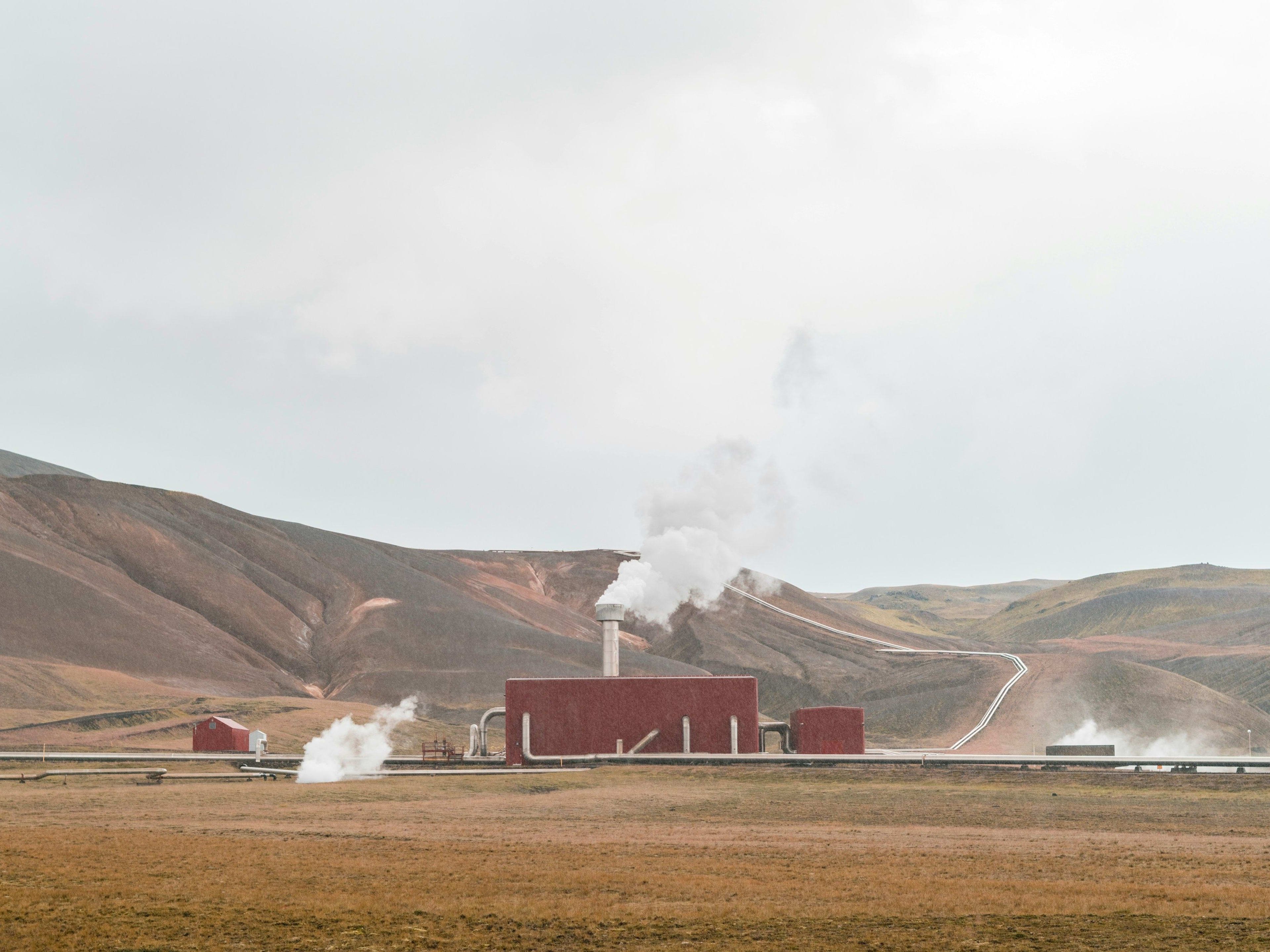
Leaving aside destructive events, Iceland's development would be far less significant than it is today without its volcanic system and geothermal energy. Iceland is one of the few countries in the world that relies entirely on renewable energy, benefiting immensely from its abundant geothermal resources. As one of the cheapest and cleanest forms of energy available, much of Iceland's economy and infrastructure depends on geothermal energy from its volcanic pairs. It is documented that over 85% of Icelandic homes are heated using natural geothermal energy from hot springs, common throughout much of the country, with the vast majority of hot water drawn directly from underground into faucets and radiators, achieving environmentally friendly heating. Despite limited sunshine throughout the year, Iceland's abundant geothermal resources allow vegetables and fruits to grow year-round in greenhouses, producing fresh produce even in the harsh winter. Approximately 30% of Iceland's electricity comes from geothermal power plants, which utilize excess heat from the earth as a clean energy source to power the entire country. Furthermore, glacial meltwater also provides Iceland with a potential source of hydroelectric power.

2. Tourism Development
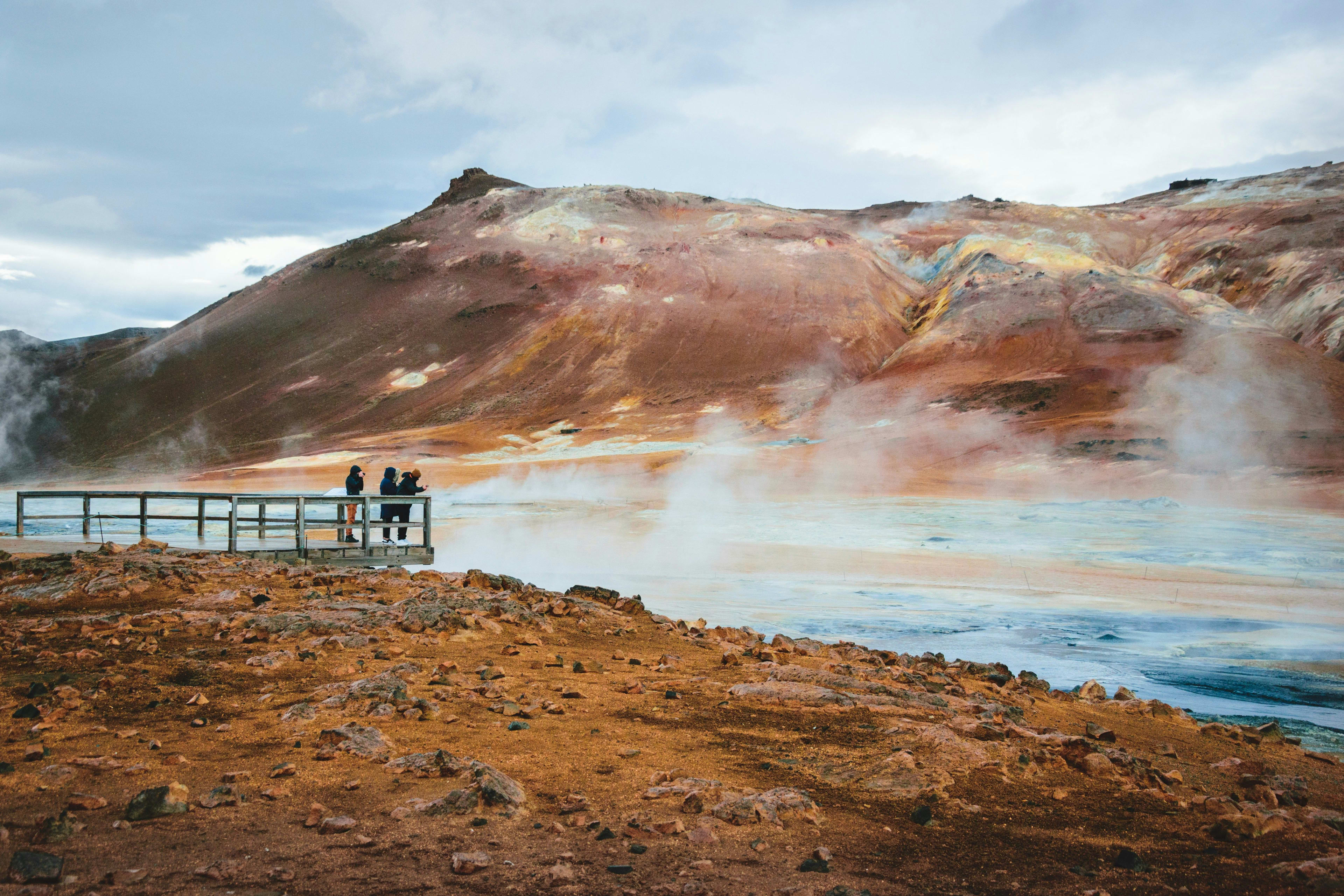
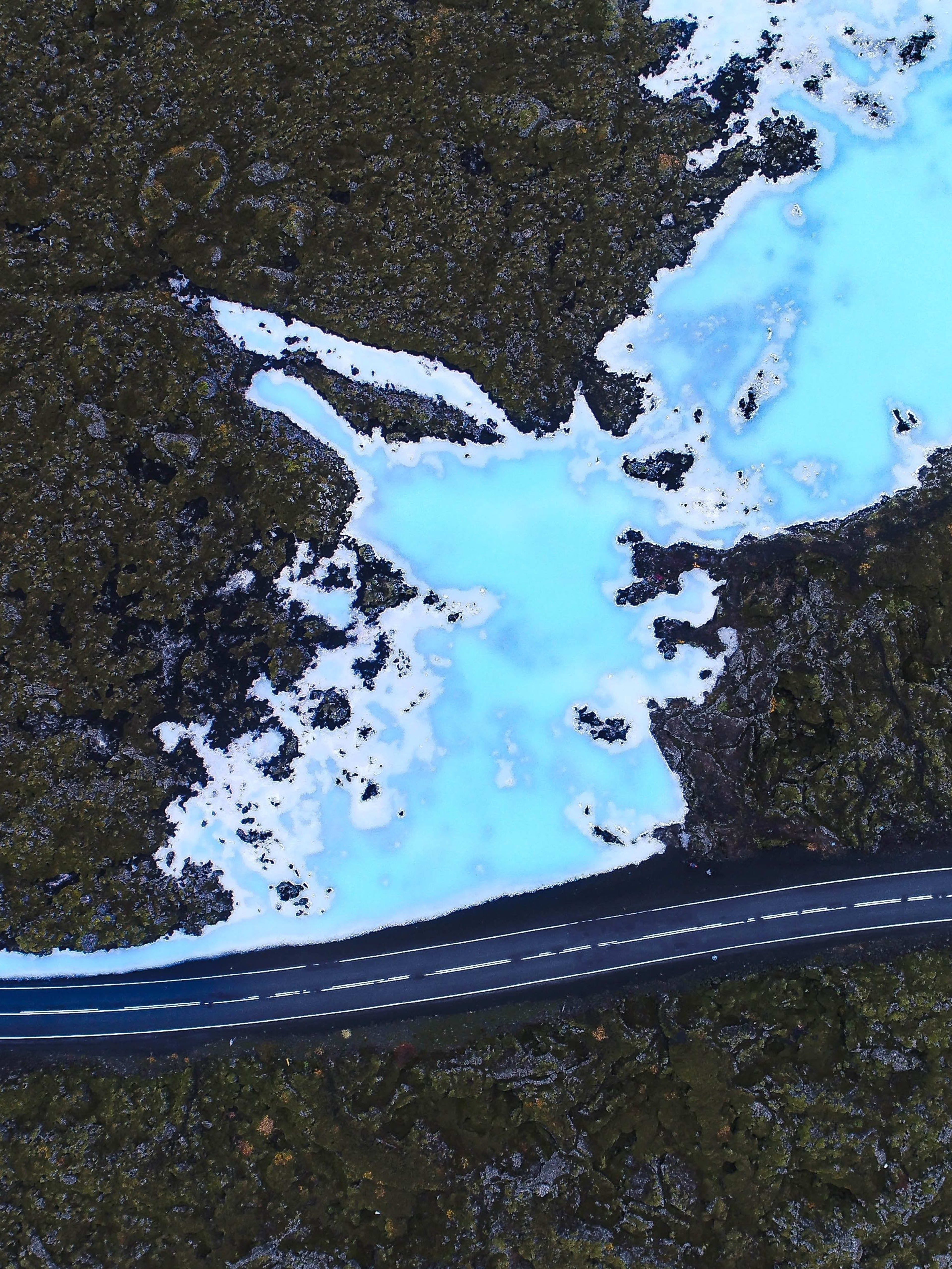
Beyond its geothermal functions, Iceland's burgeoning tourism industry relies heavily on the global curiosity and fascination with volcanoes. The interaction between Iceland's volcanoes and glaciers produces massive amounts of volcanic ash, which fertilizes the soil and forms beautiful black sand beaches. Furthermore, the lava landscapes of volcanic regions, with their unique geological formations and vibrant colors, captivate visitors. Many travelers and explorers come to Iceland to witness the wonder of this symphony of ice and fire shaping the landscape. Every year, over two million foreign tourists visit Iceland to witness its stunning natural scenery, see the Northern Lights , and soak up the Blue Lagoon . If a trip to Iceland coincides with a volcanic eruption, the journey will undoubtedly become an unforgettable memory for many. The recent boom in Iceland's tourism industry is also partly attributed to the 2010 eruption of Eyjafjallajökull. Today, more and more tourists come to explore volcanoes and volcanic regions, witnessing the pristine beauty of Iceland's nature.

In Iceland, you can participate in a variety of volcano tours, even taking a helicopter tour for a bird's-eye view of Iceland's volcanoes and craters . However, the most unique tour for learning about volcanoes in Iceland is the volcano interior adventure tour . This tour allows you to enter a dormant volcano. It's worth noting that no other country in the world offers this opportunity to explore the inside of a volcano.
Iceland boasts many stunning volcanoes, each worth a visit, but some are truly unique. Below, we'll introduce some of Iceland's most famous volcanoes.
A list of Iceland's famous volcanoes
1. Eyjafjallajokull (Mount Eyjafjallajokull)
To understand how this volcano rose to fame, we need to turn back the clock to 2010. From then on, the previously little-known and difficult-to-pronounce Eyjafjallajökull volcano gradually gained widespread recognition. Although the eruption didn't harm local residents, the striking plumes of smoke and massive ash forced European flights to be grounded for nearly a week, attracting a global media frenzy to capture footage of the active volcano causing disruption to European air routes. Since then, Eyjafjallajökull has become a popular tourist destination, drawing many visitors eager to witness its grandeur. Around the crater are three peaks, the highest being Hamundur at 1651 meters. Notably, the southern face of the mountain was once part of Iceland's coastline until the tide receded. As a result, spectacular waterfalls dot the nearby cliffs, most notably Seljalandsfoss and Skógafoss . With so many incredible landscapes and such a memorable eruption history, Eyjafjallajökull is undoubtedly one of Iceland's most breathtaking volcanoes. Most tours to Iceland's South Coast pass by Eyjafjallajökull, so why not check out our multi-day/drive tours of the South Coast and see real-life photos of the 2010 Eyjafjallajökull eruption on the walls of roadside farms before reaching Skógafoss, and the distant Eyjafjallajökull glacier?
Related itinerary:
Iceland Summer 10 Days 9 Nights In-Depth Island Tour (Drive Tour ); Iceland Summer 9 Days 8 Nights Popular Island Tour (Drive Tour)

2. Katla Volcano
Katala, located in southern Iceland, sits beneath the Mýrdalsjökull glacier and is partially obscured by its shimmering surface. One of Iceland's most powerful and explosive volcanoes, it erupted 20 times between 930 and 1918, the last eruption being in 1918, its near-catastrophic eruptions and massive ash clouds leaving a lasting impression. Reaching a height of 1512 meters, Katala boasts a 10-kilometer-wide crater, typically covered by hundreds of meters of ice. It towers above the surrounding lunar-like landscape. If you're driving along Iceland's south coast and choose one of Forest Cat Travel's island-wide and south coast self-drive tour packages, you can hike from Skógafoss to Þórsmörk (Thunder Valley) , with views of Katala along the way.
Of course, if you are interested in this volcano, you can watch the movie of the same name, which will surely give you a more profound and humanistic reflection.
Related to the famous Katla volcano is the Katla Ice Cave, whose unique black crystal dragon scale structure adds to its otherworldly charm. You can book a Katla Ice Cave adventure departing from Vik to witness this magical sight!

3. Hekla Volcano
Hekla, also located in southern Iceland, is known for its frequent and violent eruptions, which have blanketed its surroundings with lava and volcanic ash for millennia. Since the settlement of Icelanders, Hekla has caused widespread destruction, spewing millions of tons of ash at a time. It is also one of Iceland's most unpredictable volcanoes, with eruptions occurring every 9 to 121 years. While the eruptions of 1300, 1693, and 1845 were more destructive to livestock, buildings, and human life, its most powerful eruption occurred in 1104. The last eruption was in 2000, and was relatively minor. Perhaps it is this volcano's unique "violent nature," which has created a desolate and ravaged landscape after each eruption, that led to its nickname in the Middle Ages: "The Gates of Hell."
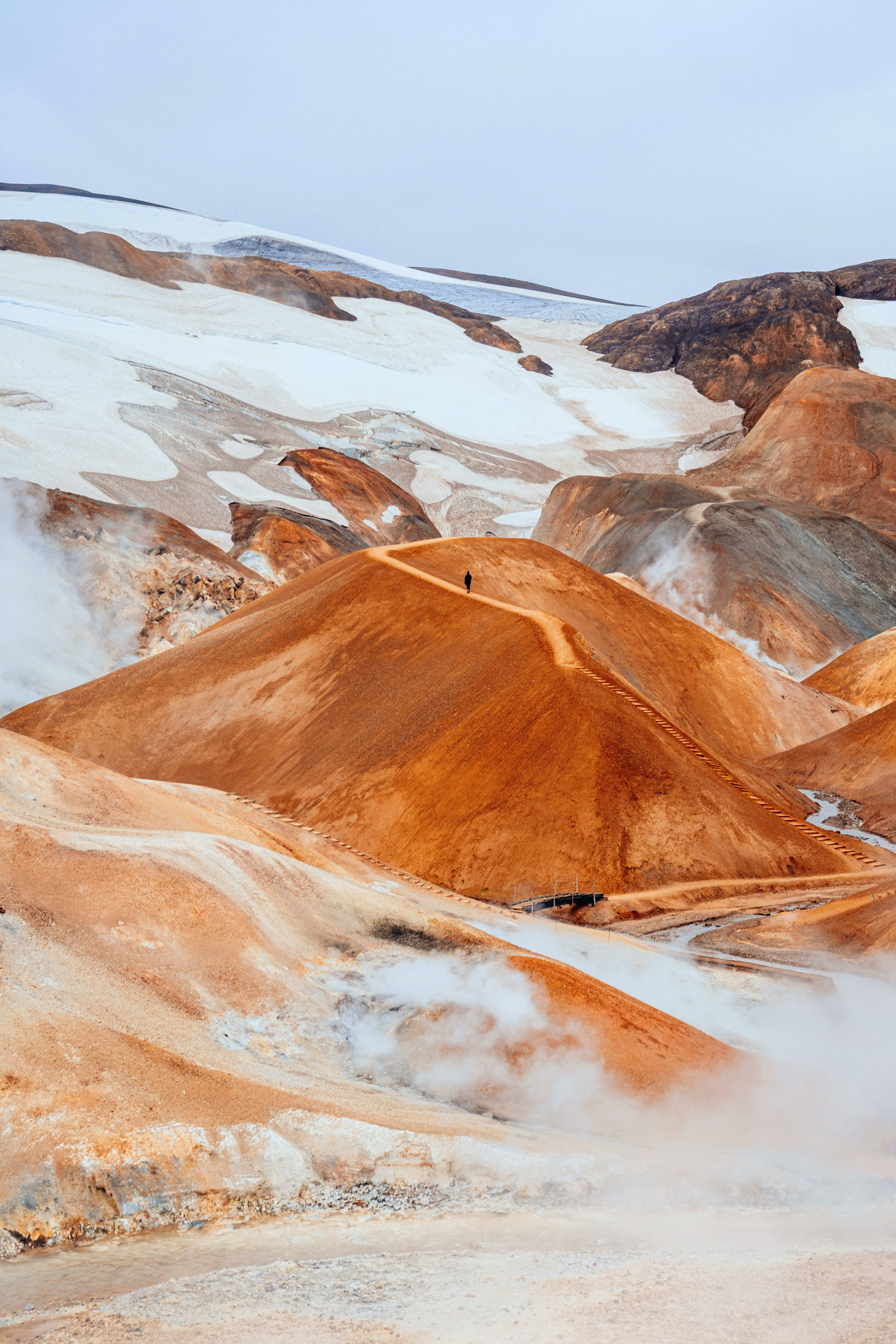
Hekla volcano, with a peak height of approximately 1488 meters, typically takes about four hours to climb. Its shape somewhat resembles an overturned boat, and its long ridge, covered in craters and often blanketed by snow and glaciers, possesses a unique and spectacular beauty. A visit to Hekla is often recommended as a side trip when visiting the Landmannalaugar highlands. The best time to visit is during the summer months of July to September, ideally with a day trip to Landmannalaugar offered by Forest Cat Travel , which includes a route through the lava fields formed by Hekla's eruptions and a chance to witness the beauty of Iceland's highlands. If you choose to drive to Landmannalaugar, please note that the Icelandic Environment Agency has updated its policies and requires advance parking reservations.
4. Grímsvötn volcano
Of all Iceland's volcanic systems, Grímsvötn is the most unstable, having erupted at least 60 times in its history, most recently in 2011. Laki, part of the Grímsvötn system, caused one of the most catastrophic eruptions in Iceland in 1783, bringing immense destruction to the European continent. The ever-present ash clouds from these eruptions make this system more deadly and prone to widespread catastrophe than any other volcano in Iceland. This is why the system is known as the "deadliest volcano." This 1725-meter-high volcano actually lies beneath the massive Vatnajökull glacier . The vast expanse of snow and ice in Vatnajökull National Park obscures most of its craters, making them largely invisible; only a portion of the crater and impact points protrude impressively from the ice.
5. Askja Volcano
阿斯恰火山(Askja)位于冰岛Dyngjufjoll山脉荒凉偏远的内陆高地,火山有1516米高,只有穿过崎岖不平的Odadahraun(冰岛最大的熔岩区和火山沙漠)才能到达。这座火山自1961年以来就没有报道过深度火山活动,被列为中度活跃。在这片火山地区,最著名的是由于火山喷发所形成的冰岛第二深湖——厄斯克湖(Öskjuvatn),填满了它较小的火山口。这个湖大部分时间都是冰冻的,但科学家认为它正在升温。然而,在附近的火山口,一个较小的地热湖Víti ,足够温暖来洗澡。阿斯基亚火山地区的外观可以说用“超凡脱俗”来形容,以至于美国国家航空航天局派宇航员来这里为他们的月球任务做准备。
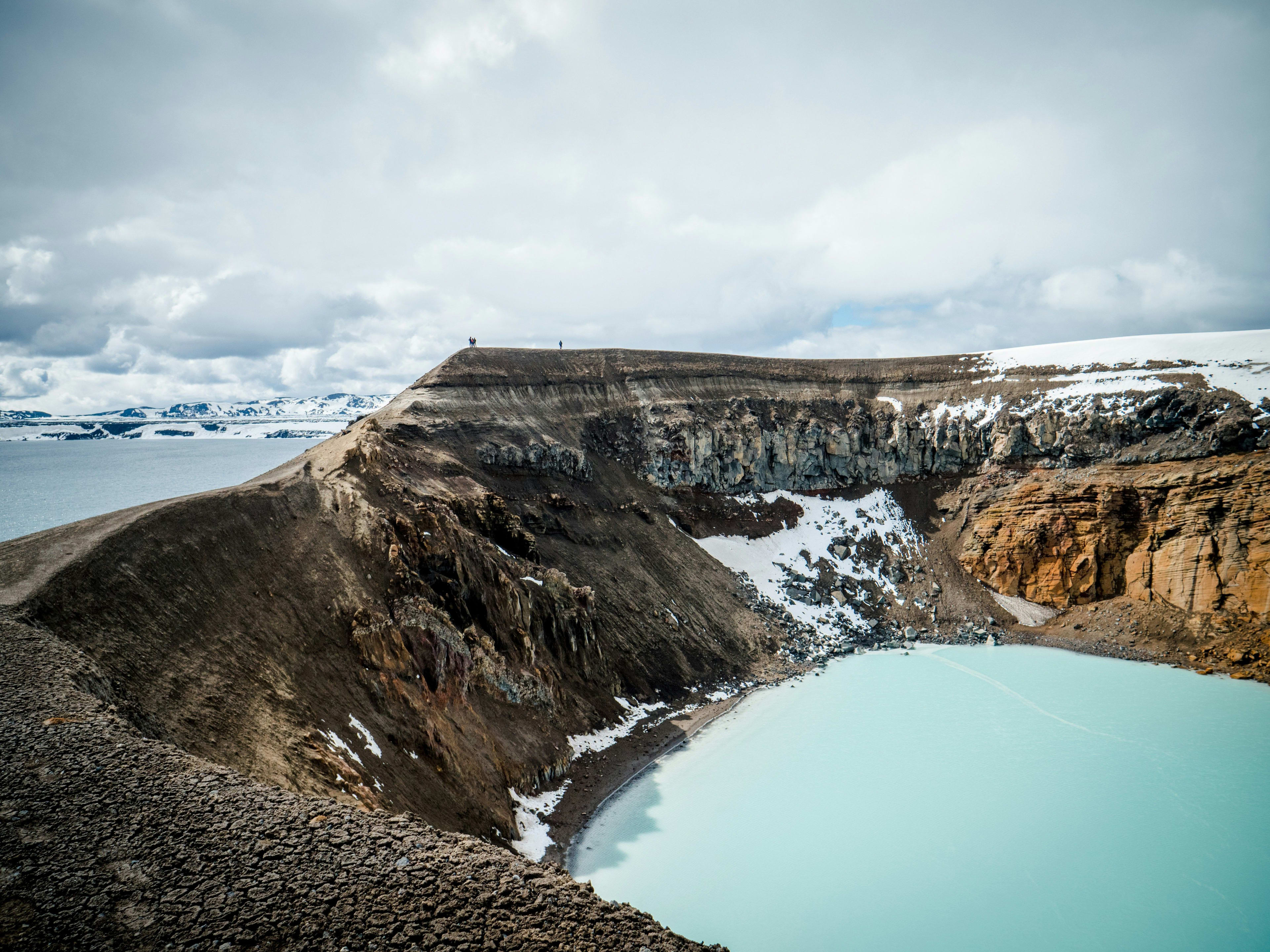
其实,阿斯基亚火山在大规模爆发之前并不为人所知。直到1875年,一次猛烈的火山爆发给冰岛带来了巨大的灾难,产生了特别厚重的火山灰特别重,污染了土地,杀死了全国大部分地区(尤其是东部峡湾)的牲畜。那次火山爆发的影响大到,哪怕你远在挪威和瑞典都能感受到其冲击。阿斯基亚火山的爆发就如同1784年拉基火山爆发一样,促使了许多冰岛人移民到北美。
6. 克拉夫拉火山(Krafla)
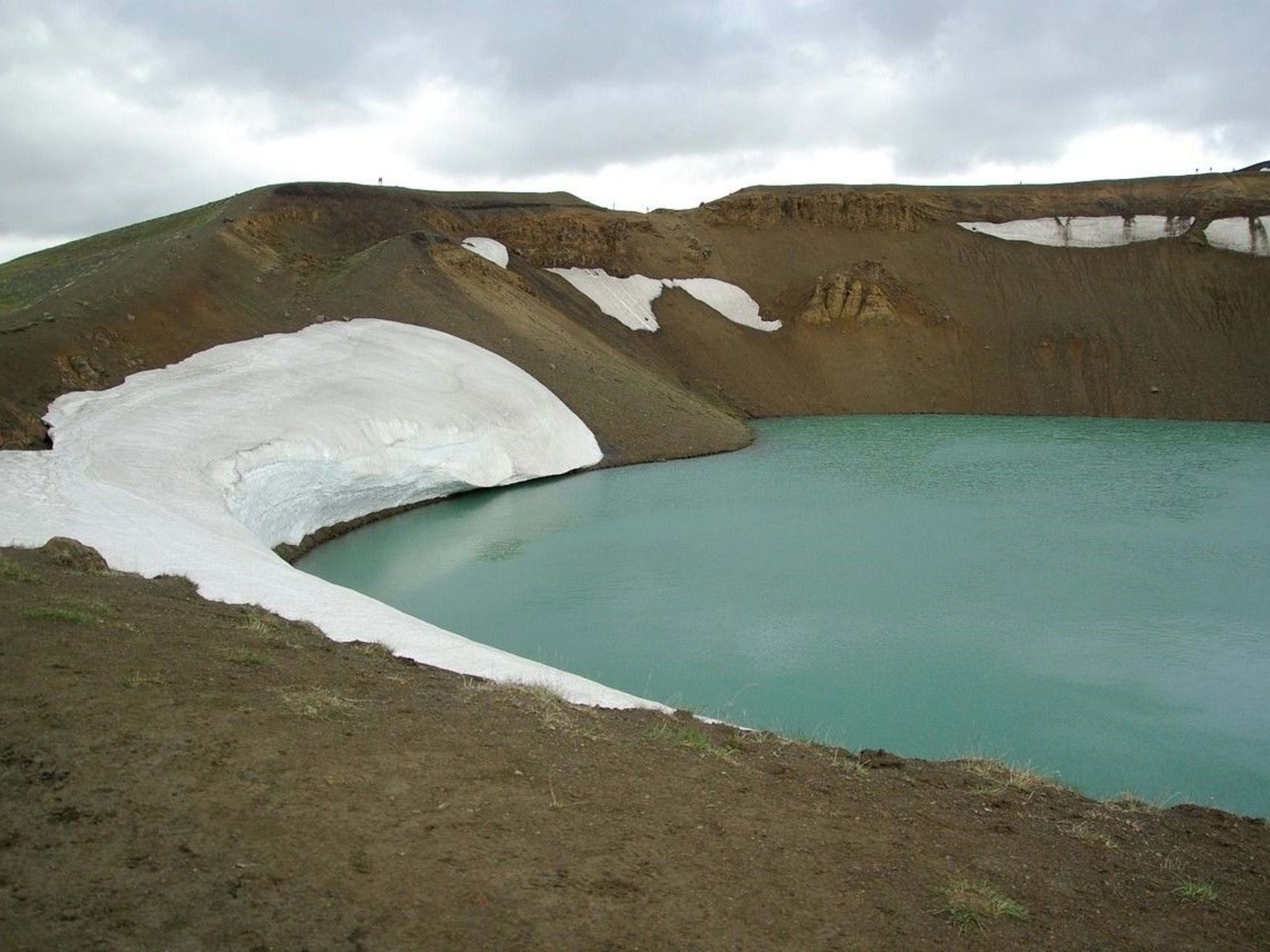
克拉夫拉火山(Krafla)位于冰岛北部,是其90公里长裂隙带上的一个美丽的火山口,周围环绕着热气腾腾的喷口、沸腾的泥浆池和冒泡的温泉。自冰河时代末期以来这个火山口已喷发 29 次。 最近一次喷发发生在 1974 年,持续了十年。与它炽热而频繁的地热活动形成鲜明对比的是,它的火山口是一个也称为Víti的冷水湖所在地,以动人心扉的翠蓝色而闻名。与阿斯基亚火山的Víti湖所不同的是,阿斯恰火山的Víti湖是地热能量形成的温泉湖,而克拉夫拉火山的却是一个冷湖。虽然克拉夫拉高度仅 818 米,但其梦幻般的地貌外观却非常值得一看,在克拉夫拉火山附近有着 525 米高的彩色山峰 Leirhnjúkur(因被喷气孔和泥盆包围,因此也被称为“泥峰”) 及其熔岩场。克拉夫拉火山是米湖地区的热门景点,由于靠近Namafjall地热区,许多旅游团都前往参观。
7. 惠尔火山(Hverfjall)
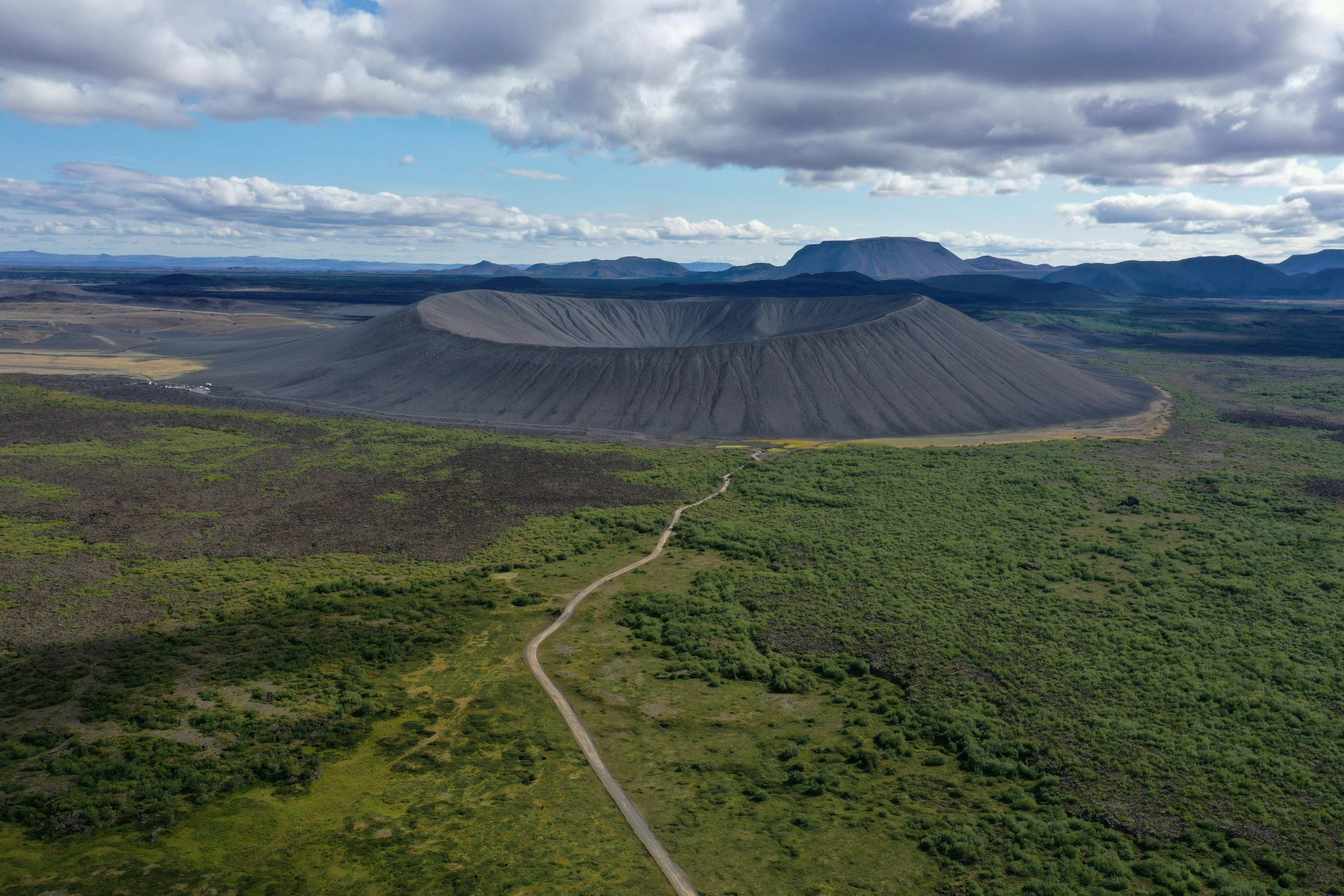
惠尔火山(Hverfjall)是一座位于冰岛北部米湖地区的小型休眠火山,在过去 4500 年来一直处于沉寂状态,矮壮的凝灰岩环形看起来非常像月球上的火山口,置于荒凉的一派景观中,现已成为是冰岛北部最受欢迎的旅游景点之一。同时,它也位于环岛1号公路边上,因此徒步旅行不会太难或太费时间,深受徒步旅行者喜爱。你可以轻而易举地爬上这个420米高的火山,在一个小时内绕着它一公里宽的边缘漫步。
假如你是狂热的火山爱好者,那么冰岛北部的米湖(Lake Mývatn)地区将会成为你的中意之选。冰岛北部不仅遍布火山,还拥有着米湖、黛提瀑布(Dettifoss)、众神瀑布(Goðafoss)等经典钻石圈景点,还有著名的火山地貌如Dimmuborgir黑色城堡、Namafjall地热区等,除此之外你还能前去阿斯比吉峡谷(Ásbyrgi)探险,去胡萨维克小镇(Húsavík)观鲸,在冰岛北部之都阿克雷里(Akureyri)漫步休闲。参加我们的8天7夜冰岛夏季环岛自驾,你将亲眼见证火山地貌的神奇。
8. 斯奈菲尔火山(Snæfellsjökull)
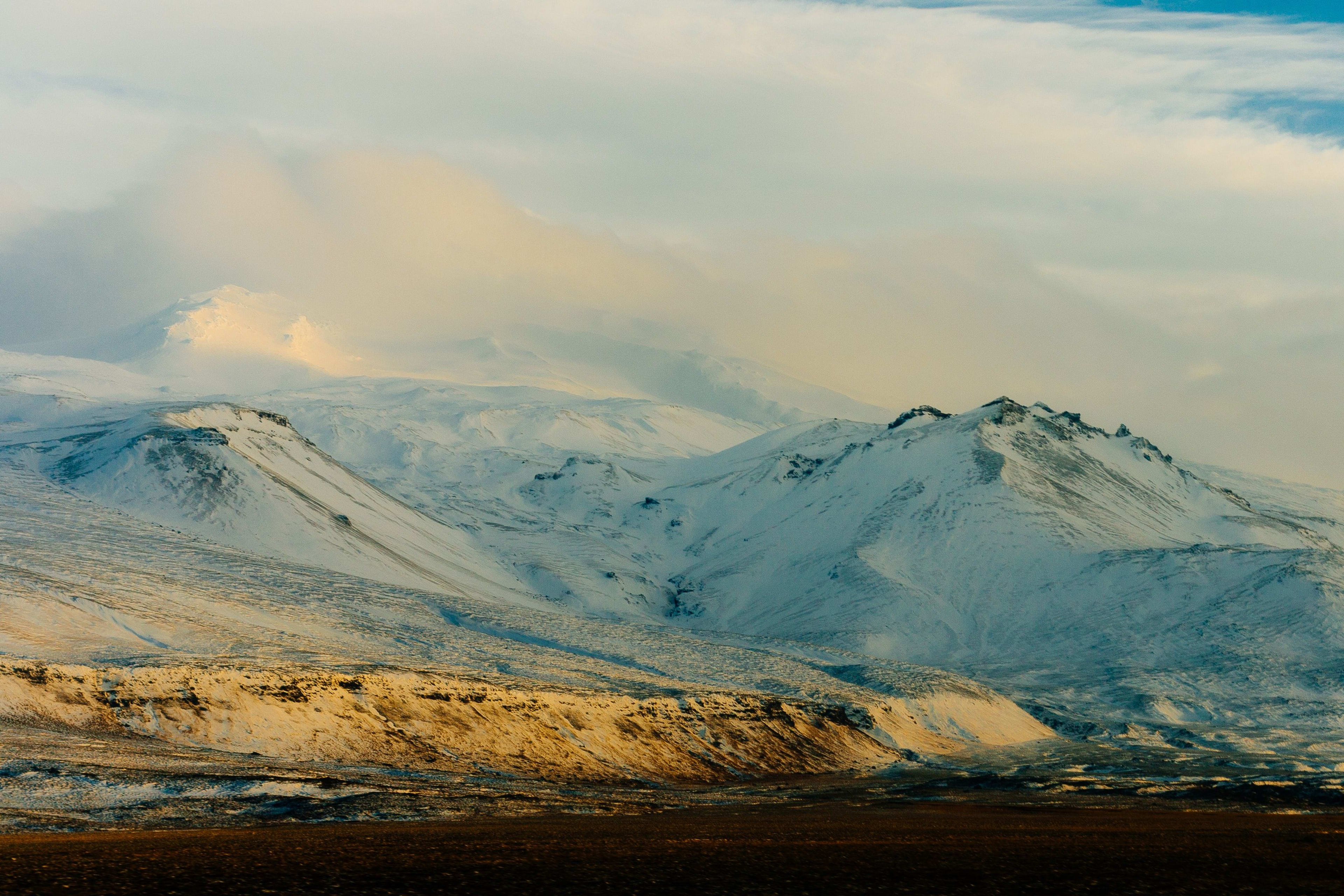
冰岛最受欢迎、最美丽的火山之一是斯奈菲尔火山(Snæfellsjökull)。这座火山位于冰岛西部的斯奈山半岛(Snaefellsnes),绰号“地心之门”。这座火山在过去的 1700 年里一直沉寂,但地质学家认为它仍可能会喷发。
这座奇妙的火山是各种奇幻故事的滋生地。在过去,这里曾被预言外星人入侵,人们相信 1992 年 11 月 5 日午夜,外星人会利用这座火山作为着陆点。当时,成千上万的人们聚集在一起,其中包括来自世界各地想要目睹这一预言成真的摄制组,结果证明这是一个相对平静的夜晚,无事发生。
斯奈菲尔火山是整个冰岛最著名和最适合拍照的景点之一,坐落在斯奈山半岛的顶端,周围都是冰冷的海水。这座古老的成层火山形成于数十万年前,顶部有闪闪发光的冰川,还有破碎的锥体、锯齿状的火山口和仿佛伤痕累累的熔岩景观。除了其非凡的自然美景外,1,446 米高的斯奈菲尔火山还因其文化重要性而闻名,许多艺术家都受到了它的美丽的启发,最著名的是冰岛诺贝尔文学获奖者哈尔多尔·拉克斯内斯(Halldor Laxness),他在《冰川之下》(Under the Glacier)中将其作为重要背景,而儒勒·凡尔纳在《地心之旅》也将其作为灵感来源。
斯奈山半岛常被人们称为“冰岛的缩影”,因为在这里你能将冰岛的瀑布、火山、熔岩苔原、黑沙滩等地貌“一网打尽”,而斯奈菲尔火山也独具特色。在此我们强烈推荐森林猫旅行的斯奈山半岛一日游:探访斯奈菲尔冰川国家公园、教会山、海豹沙滩和冰岛西部两日游:探索斯奈山半岛、白银圈,开启熔岩洞穴探险或是加入更多天数的冰岛夏季12天环岛浪漫自驾游:环岛 & 斯奈山半岛,你不仅能够满足探秘火山的好奇,也能了解冰岛的历史人文,简直不要太棒!
9. 三峰火山口(Þríhnúkagígur)
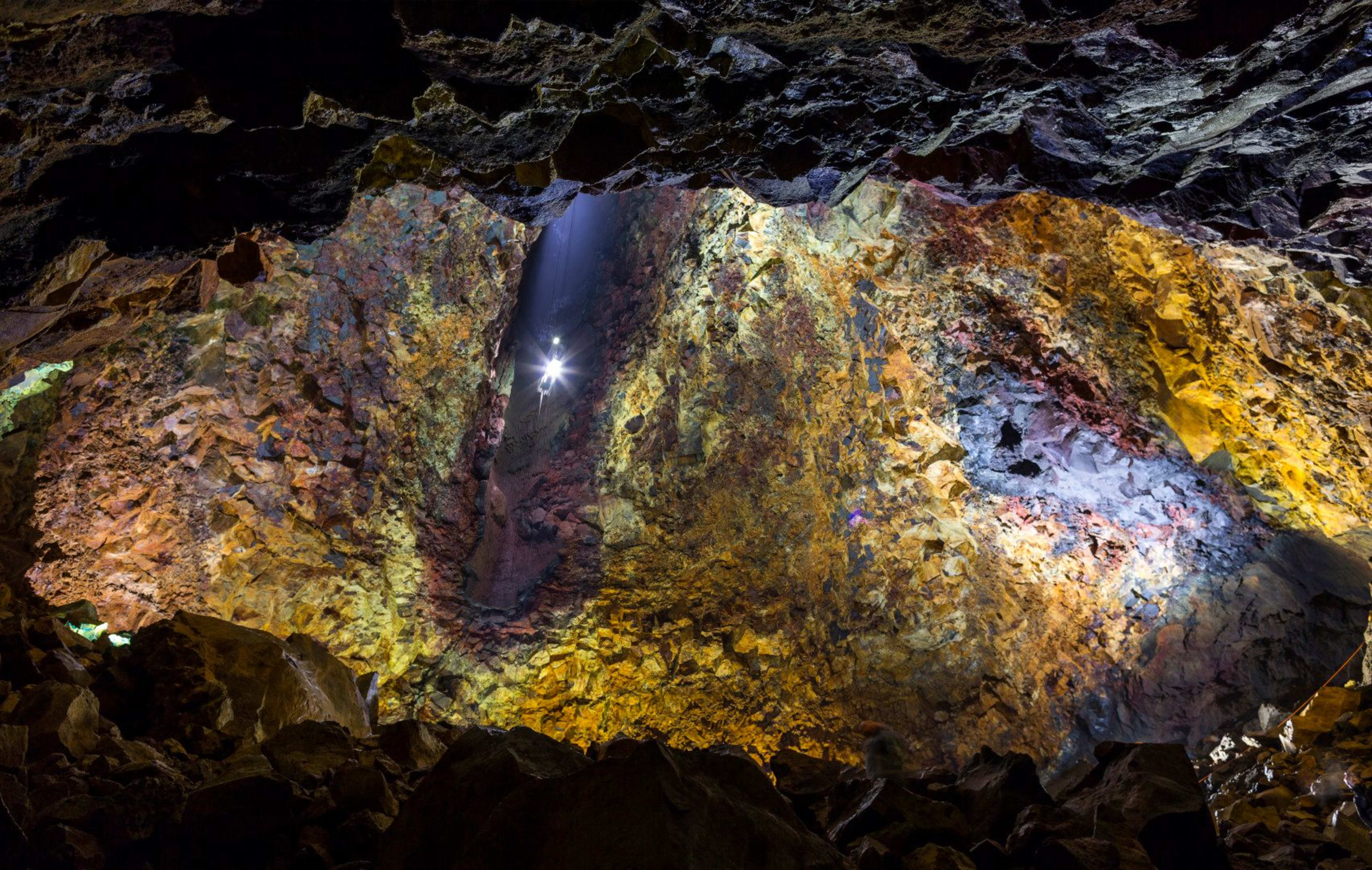
Þríhnúkagígur火山在冰岛语中意为“三峰火山口”,距离冰岛首都雷克雅未克不远,是世界上唯一可以进入参观的火山。这座火山休眠了大约4000年,火山内部的熔岩已经冷却,没有爆发的风险,使得人们可以安全的前去探秘。
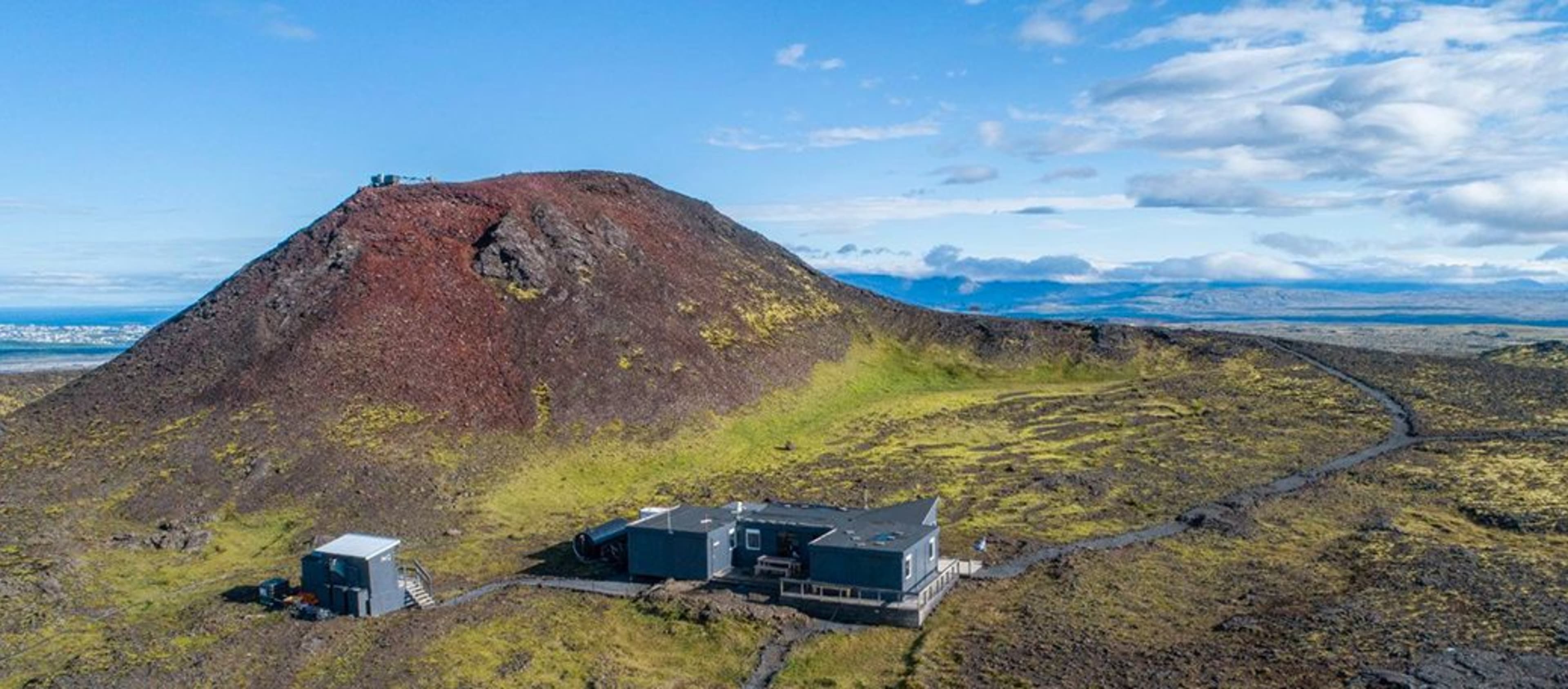
参加这座火山内部探险,你将可有骄傲地告诉所有人:我知道火山内部是什么样的!不妨参加我们的Þríhnúkagígurr火山内部探险体验游,让专业导游带你体验最为独一无二的火山探秘。
要进入这座火山,需要在入口处登上一个小型升降机就可以进入,它会帮助你下降 120米,将你送达巨大的火山洞穴底部。参观者可以亲眼目睹火山口内部壮观的岩石壁和彩色岩浆痕迹,室壁被铁、铜和硫等元素染成红色、绿色和黄色,色彩纷呈。同时,里面的空间足够大,有15万立方米,近乎一个足球场,据说其本身高度能够容纳自由女神像,但每次只能有一小组人同时进入,并且必须跟随专业向导的带领。这项千载难逢的探险活动通常会持续几个小时,期间导游还会向游客们介绍火山爆发的科学原理和相关的地质知识,在切身感受火山的神奇构造时,你将能够更为全面地了解火山喷发这一大自然的雄伟力量。
相关行程:火山内部探险
除开上面介绍的这些著名火山,冰岛的火山也有高度排名,位于冰岛东南部的厄赖法耶屈德尔火山(Öræfajökull)是一座典型的复式火山,也是冰岛最高的火山,海拔 2119 米。它的顶峰被称为Hvannadalshnúkur,是经验丰富的徒步旅行者最喜欢登顶的地方。Hvannadalshnúkur 位于火山西北边缘,拥有着冰岛最壮丽的景色。紧随其后的是位于瓦特纳冰川下海拔 2005 米的巴达本加火山(Bárðarbunga),冰岛第三高的火山是位于瓦特纳冰川东北边界、海拔 1920 米的克韦尔克火山(Kverkfjöll)。了解到这些,是不是不禁感慨原来冰岛有这么多火山都是隐藏在冰川之下,真实地演绎着“冰与火之歌”,而位于冰岛东南部的瓦特纳冰川国家公园作为冰岛的代表性景点,集冰川、火山、峡谷、森林、瀑布为一体,景色壮观绮丽,还等什么呢?跟随森林猫旅行一起将冰岛南岸风光一览而尽吧。
观看火山喷发的方式有哪些
亲眼见证火山喷发是什么感受?我想第一反应大概是失语,为大自然的宏伟而震撼人心的力量而失语。在那一刻,言语并不能完全准确描述眼前的景象所带给自己的超凡感受。
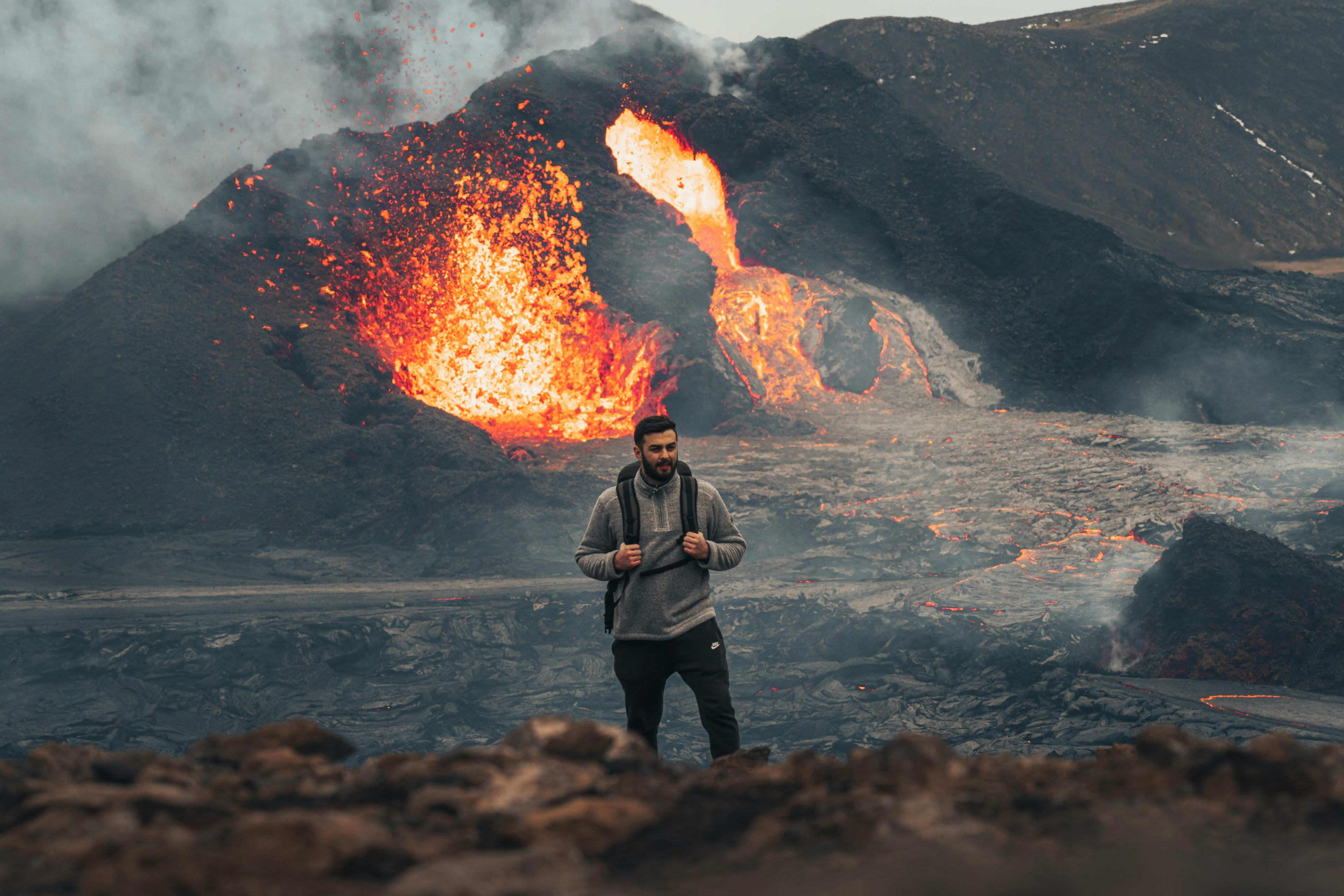
当你眼见熔岩火星从火山口的不停飞速喷出、散落,就像大自然进行的一场科学实验。同时,岩浆缓缓而下,在山体上划出宛如火河的路径,将一切阻挡在它面前的事物化为灰烬。即使在远距离之外,你也能感受到如这种火山喷发的强烈热量。火山灰与炽热的气体弥漫在空气中,笼罩了整个周围的景色。这浓厚的火山雾气使得整个世界都变得朦胧而神秘,空气因压力和热气变得闪烁,仿佛置身于一个幻境之中,你将难以置信自己竟然距离熔岩如此之近。仔细聆听,您仿佛随时能听到熔岩的变化,如同壁炉的火焰燃烧的噼啪声,不知不觉,你将感到熔岩正在喷出。在这一切景象面前,人类是如此的渺小与脆弱。大自然的伟大和神秘不断激发出自己内心最深处的敬畏和敬意。
不同的旅行方式将给予你不同的旅行体验,各有特色,主要分为跟团游览、直升机游览和自行徒步游览,你可以根据实际情况自主选择最适合自己的方案。
1. 跟团游览
许多旅行社提供火山导游服务,选择这种方式,你将跟随专业导游的脚步,跟随讲解了解火山知识,充分享受和体验真实的火山喷发地。
2. 直升机游览
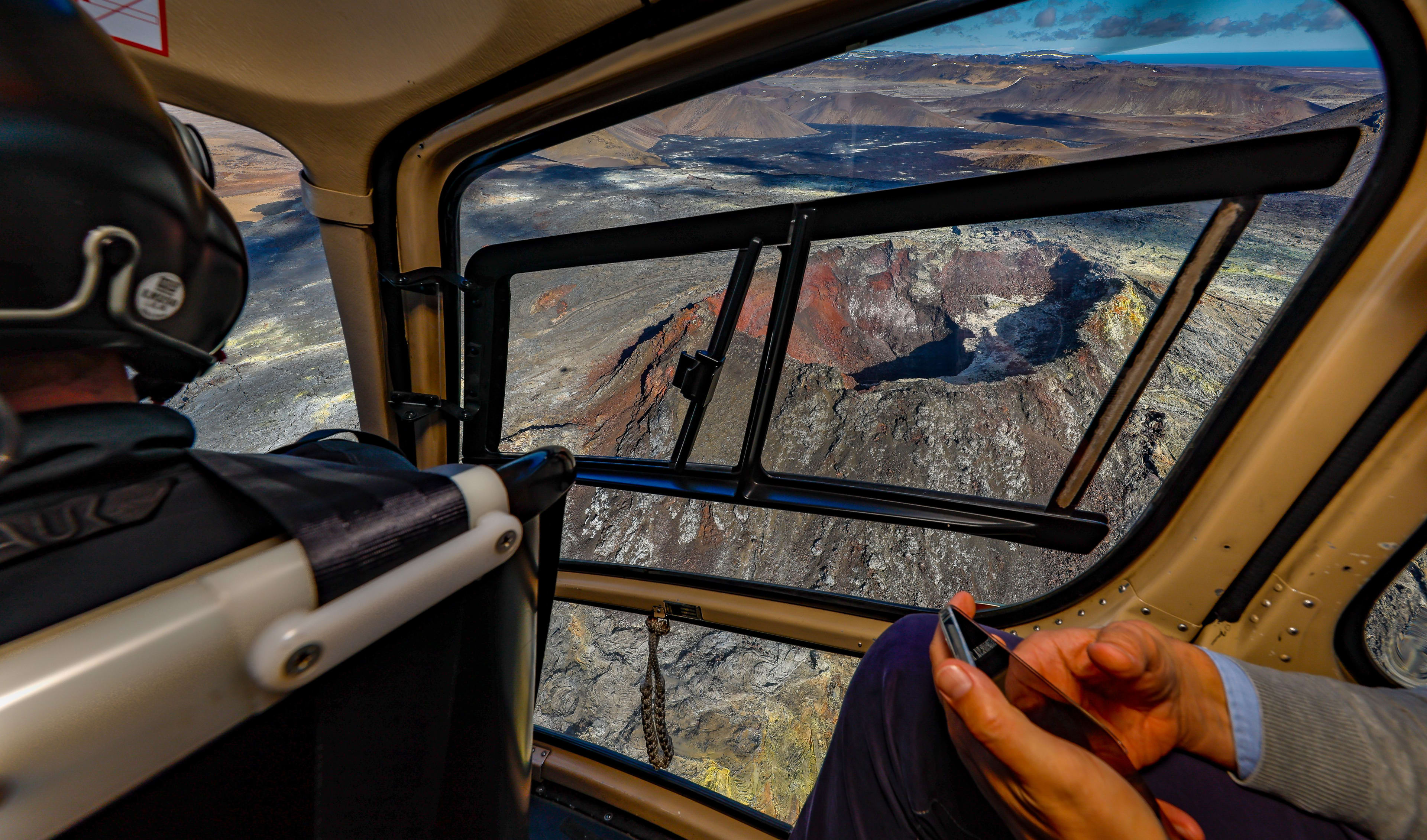
观看冰岛火山喷发还有一个选择是从空中乘坐小型飞机和直升机游览。这种方式观赏火山喷发几乎是给你提供了一个上帝视角,让你从高空俯瞰火山喷发的震撼景象。当然,不得不提的是,乘坐直升机游览的费用较高,大多数持续40分钟左右,不过足够让人难忘。 然而,能否飞行要取决于天气是否良好适宜,遭遇恶劣天气的话,飞行之旅可能会不得不被取消。此外,还有一个小风险是,在您飞越火山的当天,火山可能不会喷发,届时你可能就只能在火山上空盘旋,和飞行员一同尴尬地相视无言。因此,妥善考虑好自己的出行方式十分重要。
相关行程:冰岛火山地热区直升机全景游、直升机火山熔岩观光体验
3. 自行徒步游览
除了跟团游览,许多人也会选择徒步前往观看火山。这一方式的最大好处便是:省钱!这可比乘坐直升机便宜得多。如果您本身就喜欢徒步旅行,那么你将会在徒步过程中探索到别样的乐趣。
如何为安全地观看火山喷发做好准备?
无论何时何地,前去观看火山喷发与任何探险活动一样,提前制定计划并做好组织工作非常重要,这样您才能充分放松、安全地享受旅行而无后顾之忧。
1. 每座火山的情况都不尽相同,情况也很难预测,随时可能发生急剧变化,许多路径已被熔岩覆盖,可能需要开辟新的路径。因此,在火山探险前的几天里随时跟进了解火山喷发的最新情况至关重要。在冰岛,你可以通过RUV新闻网跟进火山喷发状况,并在出发前通过Safetravel查看火山路径状况的最新更新,了解火山喷发地是否开放、有关预警,并听从当地政府和ICE-SAR等有关部门的指示和建议,留意警报和其他有用信息,并遵循任何安全建议,千万不要擅自前往火山地区。如果做好充分准备并遵照指示,前去观看火山喷发是足够安全的。
2. 与冰岛其他地方一样,另一安全问题是天气。雨、雾和低温都会对火山造成不一样的影响,而且冰岛的天气状况瞬息万变。即使在天气晴好的情况下开始徒步旅行,也要随时做好防寒、防潮、防风和防结冰的准备。在开始奇妙的徒步旅行之前,了解当地的风向和天气状况非常重要。你可以通过当地气象局及时了解冰岛天气变化,你也可以访问火山预报网站了解火山地区的天气实况预报。
3. 在游览火山喷发地时,保证安全的最佳方式之一就是选择当地的信誉良好持证导游,无论是选择徒步旅行还是从空中俯瞰火山,信誉和专业居于首位。根据关于冰岛旅游局的法案,任何打算在冰岛境内进行有组织旅游的人都必须制定详细的安全计划。遗憾的是,仍有一些不专业的导游会不顾当局的警告带领游客出游,最后只有一个字:坑。因此,了解确定好自己参加的团游和向导至关重要。
4. 无论是跟随值得信赖的向导结伴而行,还是选择自主徒步旅行,安全都是绝对至关重要的事,在旅行过程中,请沿着指定的、有标记的路径行进,随时注意路标,遵守有关规则,请勿进入禁区或冒任何风险。
5. 火山喷发时会释放出有毒性气体、产生火山灰,尤其会对幼童、孕妇、哮喘及其他呼吸道疾病患者、老人和其他弱势群体造成危害,因此此类人群不建议参与。前去观看火山喷发的时候,请尽可能避开地势较低的区域。为了保护好自己,也请使用防毒面罩及N95口罩等进行防护,如果感到不适,请立即离开。
6. 在火山喷发期间,新的熔岩裂缝可能会在不经意间出现。冰岛搜救协会(Icelandic Association for Search and Rescue)的搜救队会不断测量有毒气体的读数,并确保危险地点被关闭。冰岛当地政府认为有潜在危险的区域会有做好明显的警示标志或完全封闭,但并非所有危险都是可见的。虽然看起来很安全,但很可能存在看不见的危险。在此我们特别提醒,千万不要在以前喷发过的熔岩或看似无碍的熔岩上行走!尽管熔岩看起来已经冷却,貌似很安全,但在坚硬的地壳下面,熔岩可能会在数月甚至数年内保持危险的高温,可不只是烫脚。熔岩容易在脚下碎裂,导致行走湿滑发生危险。相信我们,摔倒在新形成的熔岩上可不是件好玩的事!生命诚可贵啊。
7. 徒步前去观看火山喷发时可能会很艰苦,要穿越具有挑战性的地形,地形崎岖,有湿滑的地方、大岩石和陡峭的山丘,有可能会遇到火山烟雾,并不适合所有人。为了充分享受火山探险的乐趣并确保安全,请务必做好调查研究,慎重考虑自己的身体是否能够承受。同时要提醒的是,禁止越野驾驶或在未经许可的地方停车。
8. Witnessing a volcanic eruption can be one of the most awe-inspiring and unforgettable experiences of a lifetime. Capturing those breathtaking moments with photographs is essential, but please be mindful of your surroundings before shooting. Many people use drones to observe and film volcanic eruptions from above, and the allure of this perspective is undeniable. However, there are many dangers during an eruption. When operating a drone, ensure it remains within your line of sight at all times. Flying too close to the lava could cause the drone to melt. Always follow the latest regulations from the Icelandic Transport Authority and the Icelandic Ministry of Civil Protection and Emergency Management .
9. Even when the volcano is not erupting, if you are traveling to Iceland and want to visit volcanic lava areas, you should know that some volcanic sites are quick to reach and easy to view, while others require parking and hiking to the best viewing areas. The length and difficulty of the hiking routes can vary greatly, so make sure your body can handle the exertion before you set off.
10. Packing and carrying essentials and replenishing energy before heading to see the volcano is absolutely crucial. First, remember that many areas of Iceland are vast and undeveloped, meaning there may be no shops once you set off, so it's best to bring everything you need beforehand. Of course, nobody wants to be hauled like a mule, but it's almost unavoidable. Your backpack should always contain essential items that will be very useful when hiking to see the volcano and will help ensure your safety.
Below is a detailed list of essential items to prepare for your reference:
- Equipment list
1. Hiking boots: It is important to ensure that you have a pair of sturdy hiking boots. They should not only fit well, but also be able to walk on various uneven and unstable surfaces to protect your feet.
2. Waterproof and warm jacket, layers of clothing, gloves, and neck warmer: Due to the unpredictable weather, you need to be prepared with appropriate warm clothing to avoid catching a cold. (For more details on clothing guidelines, please refer to our other guide: Iceland Clothing Guide , which will give you a better understanding.)
3. Hiking Backpack: Bring a large and sturdy hiking backpack, and pack all your essentials in a categorized manner. You'll find that it really can hold everything, just like Doraemon's pocket. Of course, be prepared to carry a heavy load!
4. A fully charged mobile phone and power bank: The hike may be long, so it is best to keep your communication devices powered during this time to get timely information about the volcanic eruption and stay in touch with the outside world.
5. Headlamp/flashlight with spare batteries: You may encounter emergencies or insufficient lighting while hiking, and a headlamp will be a great help in these situations.
6. Sufficient food and water (energy bars, snacks, hot coffee, tea, etc.): Maintaining sufficient physical strength is very important during hiking, so remember to replenish your energy frequently.
7. Hiking poles: Are hiking poles important? Absolutely! When you're exhausted, hiking poles can support you as you continue on rugged paths.
8. Sunscreen and hat: During your hike, you will likely pass through a large area of lava moss without shade. Iceland's UV radiation is quite strong, so it's a good idea to take precautions against the sun.
9. First aid kit: No one wants to be in danger or feel unwell while hiking, but if you do encounter such a situation, a first aid kit can be a lifesaver.
10. Binoculars: If you want to experience the details and moments of a volcanic eruption up close again, bringing binoculars would be a very wise choice.
11. Gas mask and N-95 mask: When viewing a volcano, be aware of the effects of toxic air. Wearing a gas mask will protect you from volcanic smoke.
12. Goggles: Volcanic eruptions may produce a lot of volcanic ash, forming various dust and other air debris. Wearing goggles can protect your eyes from damage.
13. Trash bags: No matter where you travel, leaving no trace and taking all your trash with you is the epitome of civilization.
Where can I learn about volcanoes?
1. Museum
Besides visiting the volcano in person, you can also visit volcano-related museums throughout Iceland to learn about and experience knowledge and information about Icelandic volcanoes. Among them, the most popular is the Lava Center in Hvolsvöllur, which uses high-tech multimedia technology to showcase Iceland's fascinating geological history, explain detailed information about Icelandic volcanic activity, and provide videos, offering you a fantastic interactive volcano experience.
If you'd like to learn more about the volcanic eruption on Westman Island, be sure to visit the Eldheimar Volcano Museum on Hema Island. This museum is built around a house covered in lava during the 1973 eruption, commemorating the deadly night of the eruption. It displays iconic photos, interviews, and rescue efforts from the eruption, and also features very engaging interactive installations.
Related Itinerary: One-day trip to Xiren Island
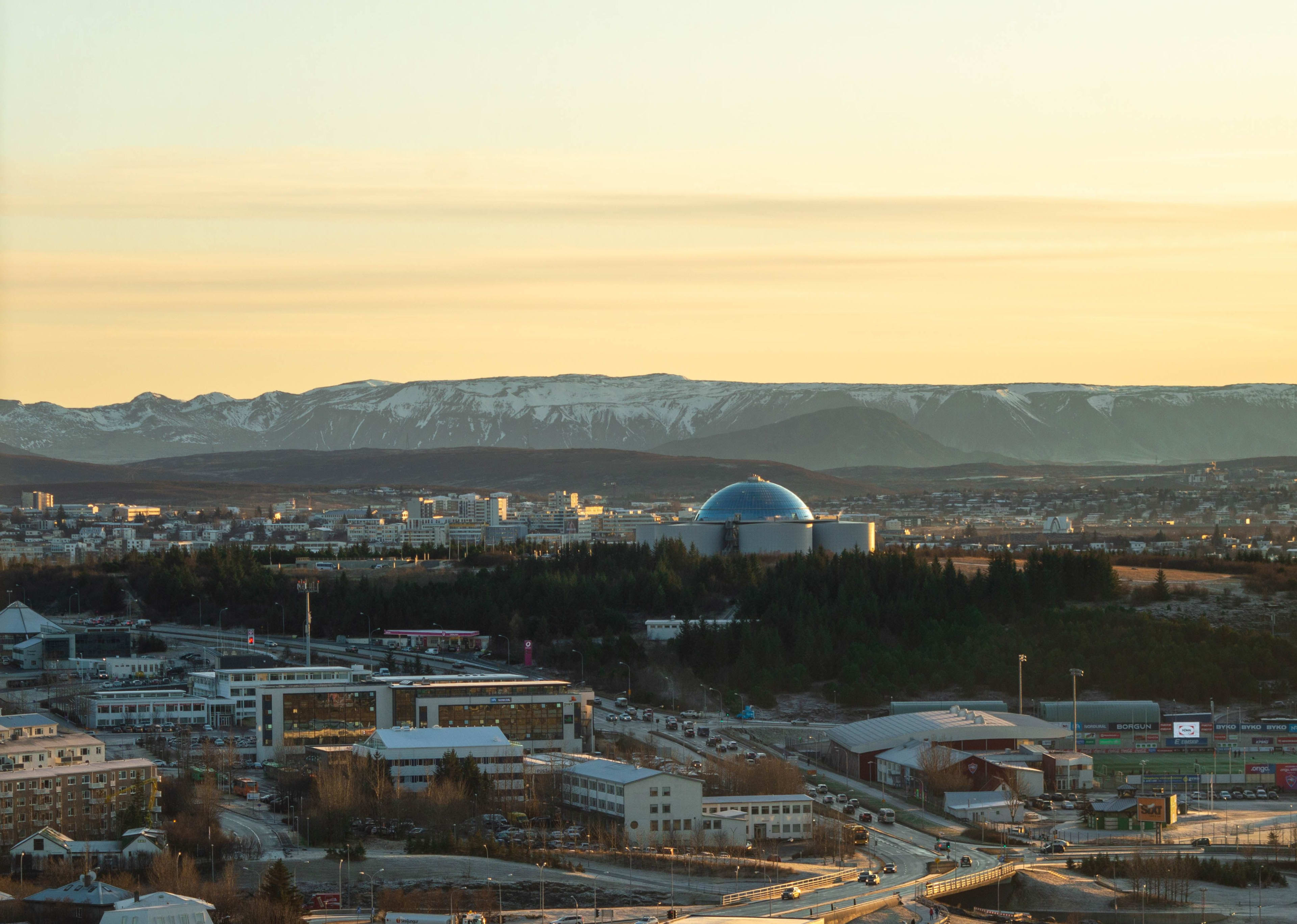
Finally, the Perlan Museum in Reykjavik is another important museum for understanding Iceland's volcanoes. Its main exhibition, "Wonders of Iceland," explores Iceland's nature in a fun and high-tech way, using reconstructions and multimedia panels to help visitors learn more about Iceland's amazing landscapes such as volcanoes, glaciers, the Northern Lights, and ice caves.

2. Lava Show
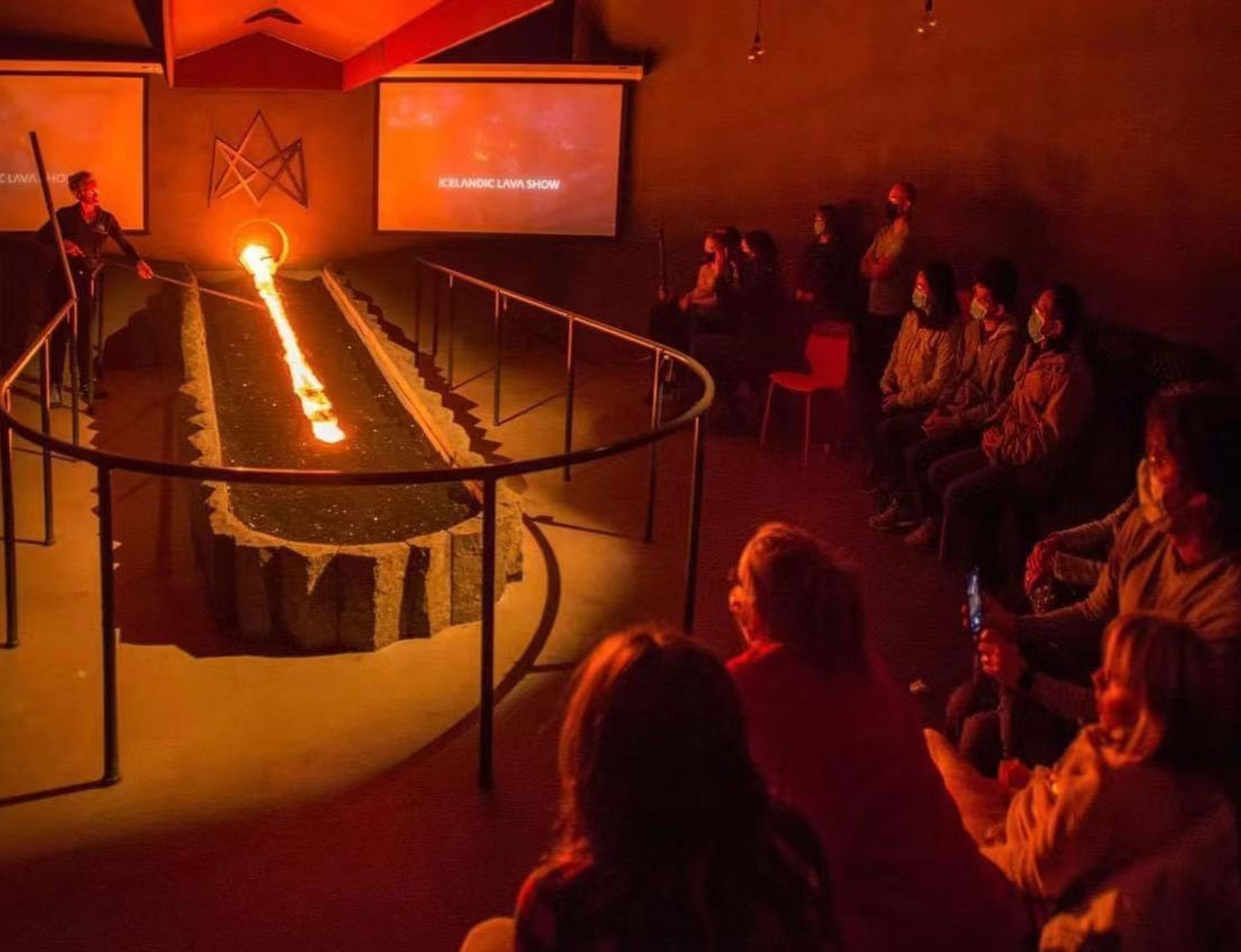
For visitors seeking a safe experience observing flowing lava, watching the Lava Show in Vík is an excellent option. First, a guided tour introduces you to the nearby volcano, followed by a demonstration of how lava is poured into an exhibition hall and covered with ice. Then, you can see the lava flowing, hear its hissing sound, and experience the intense heat of the volcano firsthand. Alternatively, you can book our Lava Show in Reykjavik or Vík, both equally breathtaking.

In Iceland, you can traverse this volcanic island sculpted by time, exploring one of the youngest and most active volcanic regions on Earth. Imagine standing at the foot of these alien-colored volcanoes, witnessing their eruptions, feeling the fiery energy emanating from the depths of the earth, and being captivated by this real and awe-inspiring spectacle, as if embarking on a magical adventure. During the off-season, Iceland's various volcano tours will transport you to a whole new world, allowing you to experience the power and grandeur of nature.
You may have heard of or even seen the documentary "Volcano Love," a tale of two volcanologists exploring the beauty of life and the terror of death, and felt the unwavering passion these two scientists, like soulmates, had for volcanoes. On this magical land, you can immerse yourself in uniquely shaped, colorful lava fields, or witness the vibrant hues of volcanic ash blending with snow and ice, experiencing the miraculous artistry of nature. These unique and spectacular landscapes will unfold before your eyes, inspiring awe at the boundless charm of nature. Meanwhile, a professional guide will share the history of volcanoes, their geological background, and Icelandic culture with you during the trip. You might also hear fascinating stories and legends, learning how volcanoes shaped this beautiful country.