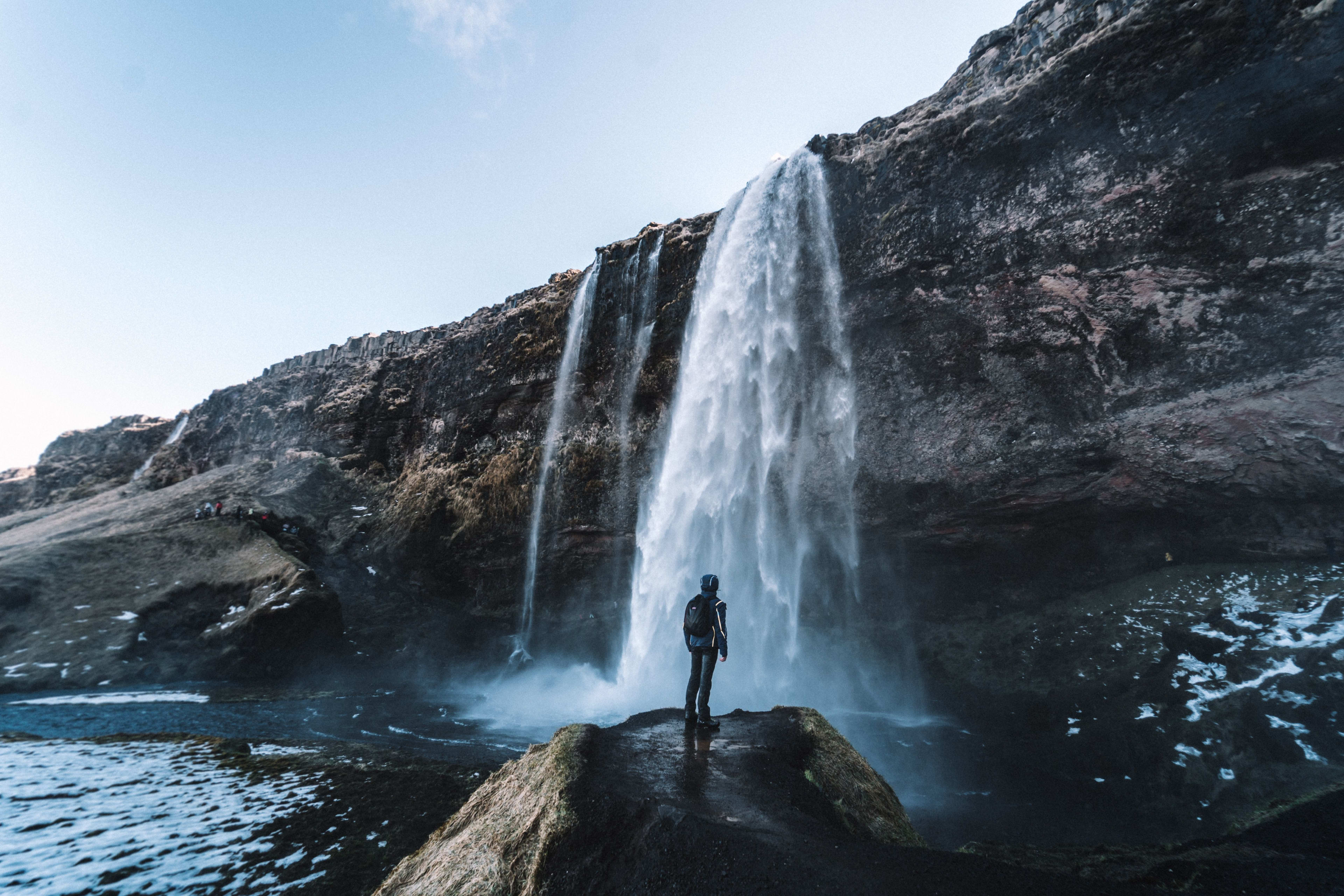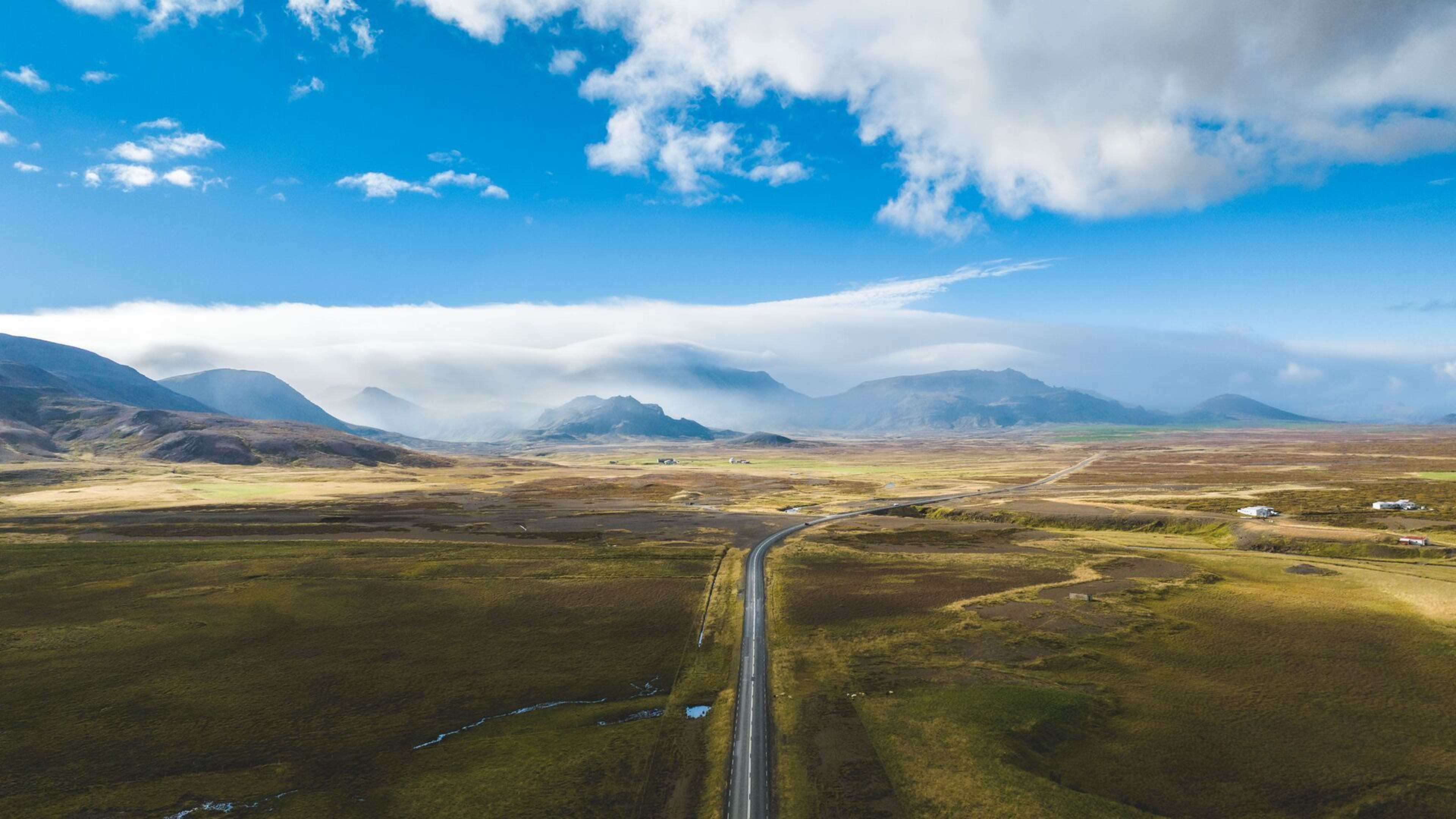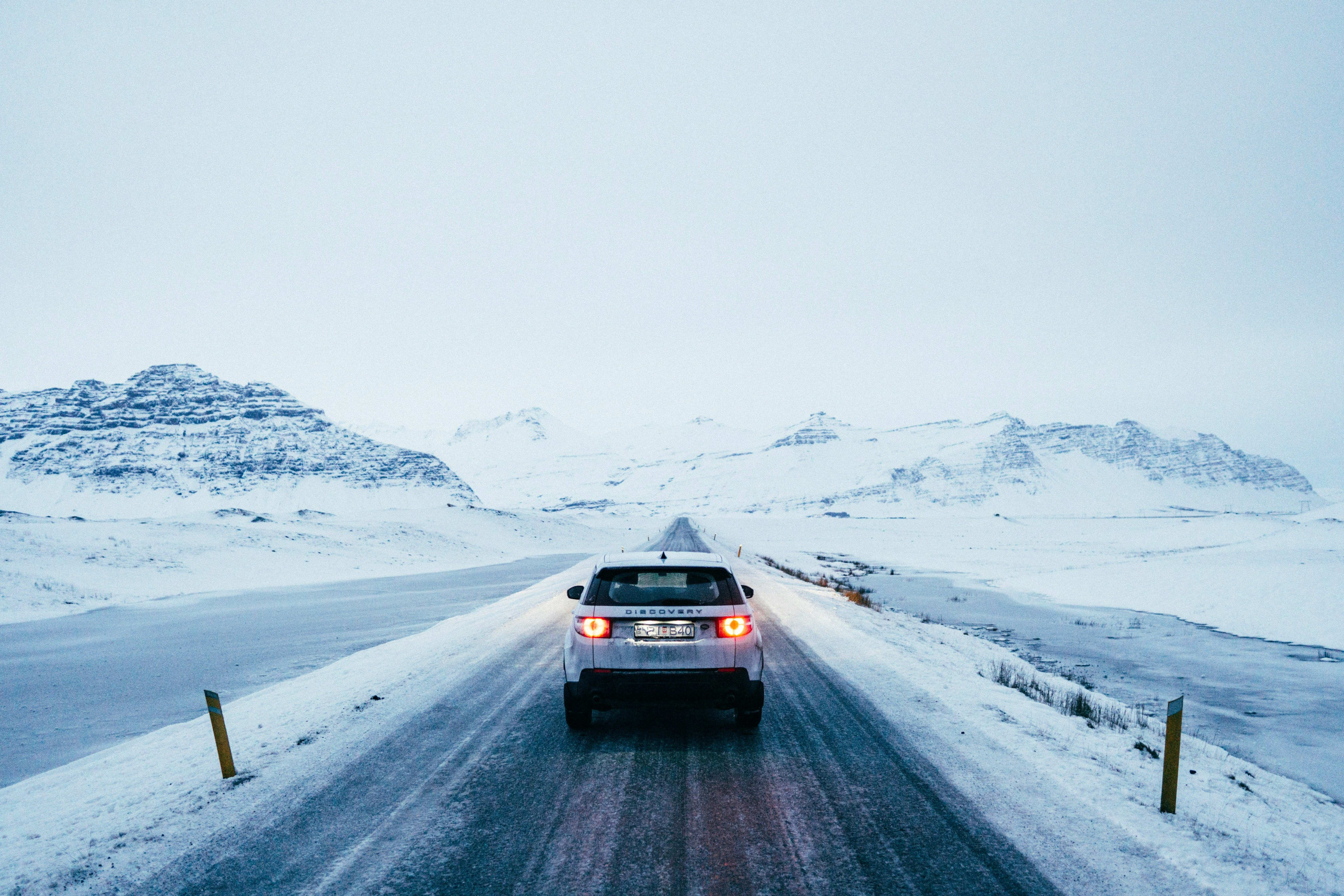
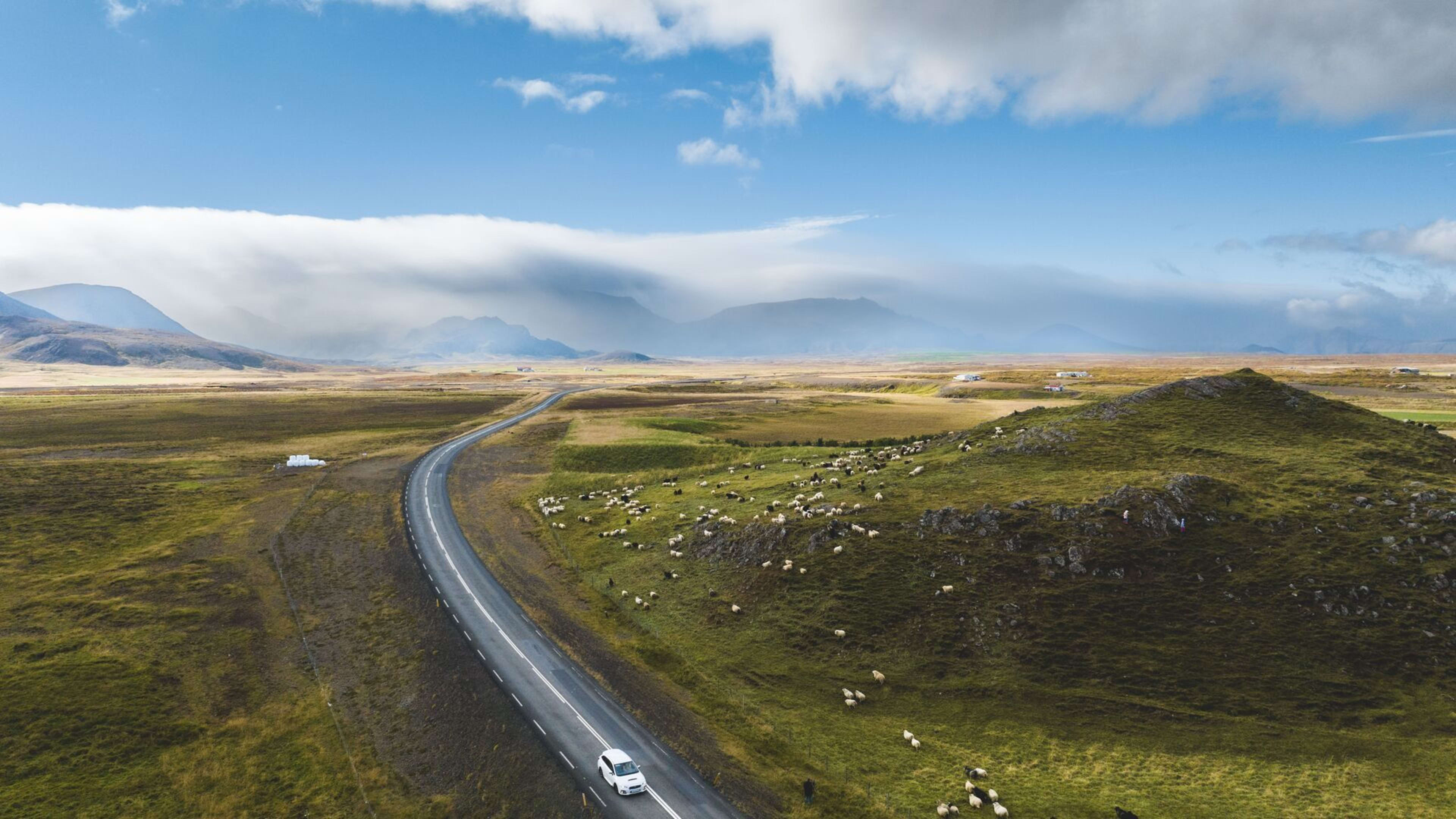
Perhaps you're already itching to plan your upcoming trip to this land of ice and fire, and Iceland's natural beauty offers a multitude of itinerary options. From exploring lava tunnels and hiking along unique volcanic landscapes to traversing ancient Icelandic glaciers and experiencing thunderous waterfalls, a trip to Iceland will undoubtedly create countless fresh and exciting memories. However, there are also many things to keep in mind when traveling to Iceland. When planning your itinerary and deciding where to go and what to do, it's crucial to remember that as a tourist visiting Iceland and on a self-driving tour, there are absolutely things that are prohibited or not recommended. These actions not only relate to Iceland's national principles and regulations but are also largely related to your safety during your trip.
Relax! This guide isn't meant to add stress to your trip to Iceland, but rather to provide comprehensive travel advice to ensure you have the safest and most comfortable experience in this unique northern land, so you can make the most of your time in Iceland.
After learning about these things to keep in mind when traveling to Iceland, you might also want to check out our travel packages. Whether you choose to drive yourself or join a tour, you'll have a worry-free trip to Iceland with our professional guidance!
Prohibited behaviors related to Icelandic weather and road conditions
Ask yourself, what other island in the world boasts so many natural wonders as Iceland? It's home not only to volcanoes, lava fields, glaciers, geysers, black sand beaches, verdant fjords, and hot springs, but also to a diverse array of wild birds and animals. In recent years, Iceland's tourism industry has been growing rapidly, but Iceland has never lowered its service standards or neglected environmental protection in pursuit of tourists. This has made Iceland a dream destination, rekindling a yearning for pristine beauty.
Not checking the weather before going out
What shouldn't you do in Iceland? First and foremost, never travel without checking the weather! Icelandic weather is notoriously unpredictable and changeable. Most tourists don't realize just how changeable and extreme the weather can be until they experience it firsthand. While we often see Iceland's fairytale-like scenery on social media, this is only true when the weather is perfect. The first skill you need to acquire before traveling to Iceland is learning to check the weather forecast on the Icelandic Meteorological Service website or other weather websites . Otherwise, your trip will be severely impacted, and you might encounter sudden storms while driving. Even if you think these storms are harmless, don't underestimate the impact of extreme weather. As the weather worsens, driving becomes extremely difficult and can even lead to injuries or serious accidents. Be especially careful of strong winds when driving campervans and caravans, and pay close attention to heavy snow and storm warnings when traveling in Iceland during winter. These are crucial.
When encountering weather changes during your trip, rain isn't the only problem you'll face. Iceland's most notorious weather is actually the wind. In Iceland, even if the temperature suddenly drops, there aren't usually strong winds, and the perceived temperature is still quite comfortable. However, if you encounter strong winds, it's a completely different story. Icelanders often joke that Iceland's calm means the entire North Atlantic is calm. When the wind and rain are intense, unpredictable gusts rage, so much so that Icelandic rain doesn't fall straight down, but blows from all directions, sometimes even howling down on you. This is where the importance of proper clothing becomes apparent. Only by layering warm inner layers and then putting on a waterproof jacket can you say you're fearless in the face of wind and rain. For specific advice on what to wear in Iceland, check out our article, " Iceland's Four Seasons Clothing Guide ."
Iceland's winter weather is unpredictable, and extreme snowstorms can even lead to road closures. Without extensive experience driving in snow, self-driving could be extremely dangerous. Therefore, the safest option in Iceland during winter is a group tour. Forest Cat Travel's curated 7-day and 8-day Iceland winter tours will take you on a journey to experience the pristine and frigid beauty of Iceland.

Two more points: In Iceland, never try to use an umbrella to shield yourself from the wind and rain. Your umbrella is likely to be snatched from your hand by the wind or blown inside out, failing to fully protect you from the rain. Furthermore, try not to wear jeans while hiking. Not only are they inconvenient to move in, but they also absorb water more easily after rain, becoming heavy, uncomfortable, and making you feel incredibly cold. Remember this!
Disobeying traffic regulations
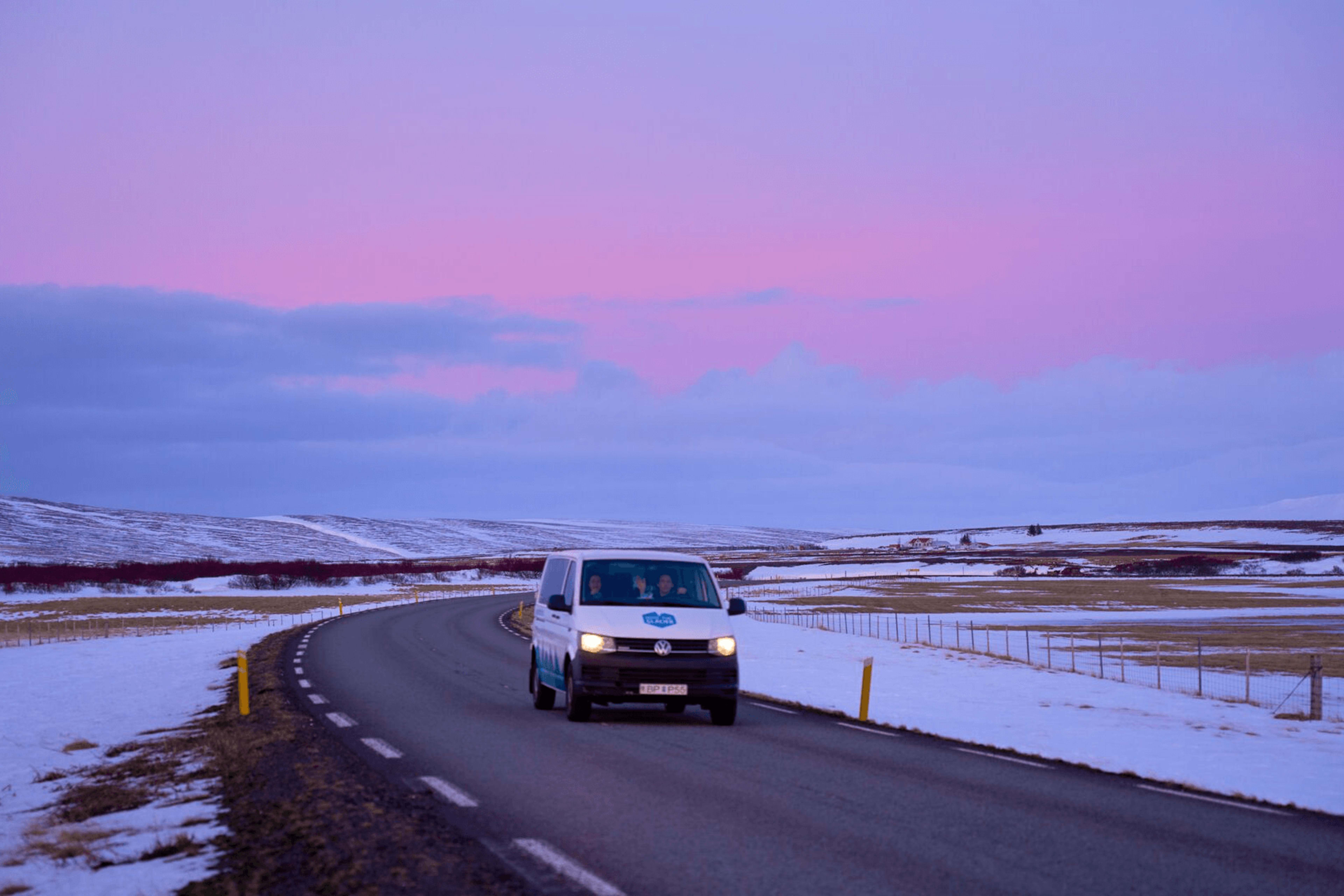
Driving in Iceland can be challenging. While roads are relatively easy to navigate in the summer, they become particularly difficult in the winter when they freeze, sometimes posing a significant danger, especially for novice drivers unfamiliar with Icelandic roads. Many remote roads in Iceland are closed during the winter months due to impassable conditions. Therefore, checking road conditions before embarking on your next adventure is crucial. While Icelandic search and rescue teams can assist you if needed, you probably don't want to find yourself dependent on them. Thus, checking road conditions and renting a suitable vehicle before setting off is essential. For local road conditions, you can check Icelandic road condition websites .
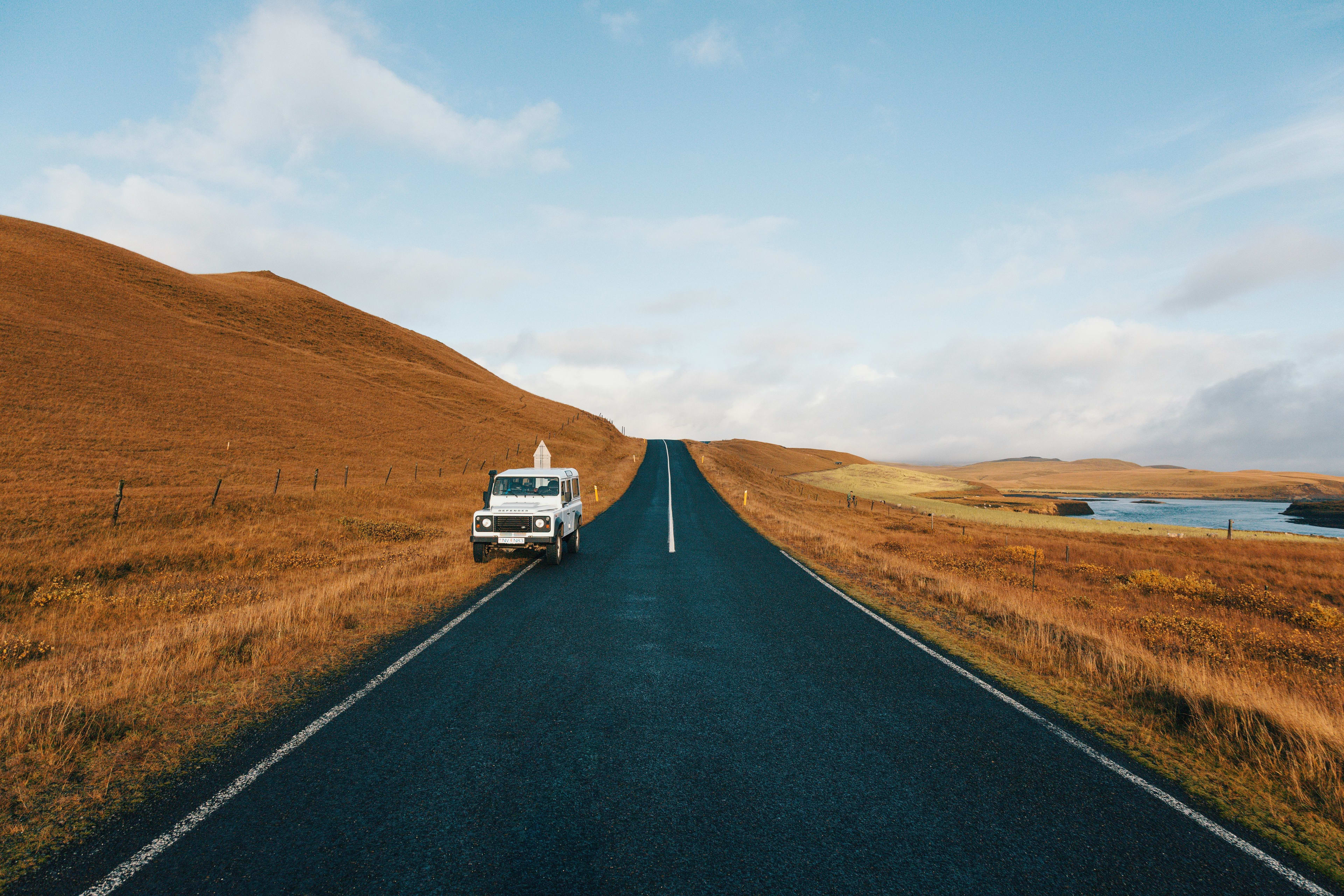
As a tourist visiting Iceland, never attempt to drive a poorly equipped car across rivers, on high altitudes, or through blizzards unless you are certain there are no other accessible routes. For safety, ensure your vehicle can handle the challenges of the given route. Driving on unpaved F-roads is essential if you want to traverse the inland highlands or even reach attractions in eastern and northern Iceland. F-roads are often only open during the summer months of June to September, and road conditions vary greatly. Some are easy to drive, while others are more difficult, and you may only discover the conditions before you hit the road. In these situations, you will need a 4x4 four-wheel drive vehicle to navigate F-roads; ordinary cars cannot safely navigate ice, potholes, snowdrifts, loose gravel, falling rocks, rivers, and steep slopes. There are also many details to consider when renting a car and driving in Iceland. Check out Forest Cat Travel's Iceland self-driving guide for a comprehensive understanding of how to choose a vehicle and the rules and precautions for self-driving.
Additionally, when driving in rural areas, you may encounter roads with blind spots. Some blind spots have no signage, but most will have road signs indicating "BLINDHÆÐ" and "OTHER DANGER". Please drive with extra caution when encountering blind spots.
In addition, we sincerely advise you not to do the following while driving in Iceland, not only for the sake of your money, but also for the sake of your life.
Not wearing a seatbelt, driving under the influence of alcohol/drugs
Icelandic law mandates that everyone in a vehicle must wear a seatbelt, regardless of whether they are the driver, front passenger, or rear passenger. The age of criminal responsibility in Iceland is 15. The law stipulates that the driver is solely responsible for the actions of passengers under the age of 15. If a passenger under 15 is not wearing a seatbelt while the vehicle is in motion, the driver is fully liable and may face a fine of up to 15,000 Icelandic krona.
Furthermore, the seriousness of drunk driving and drug driving needs no further explanation. There are countless roads, but safety is the most important. Don't drink and drive! And I'm sure no one would be so reckless as to drive on the road after taking drugs.
speeding

In Iceland, different speed limits are set for different road surfaces and areas, and speeding is considered reckless. Speed limits in Iceland range from 30 to 90 kilometers per hour. Outside of Icelandic cities, the speed limit on asphalt highways is 90 km/h, on gravel roads it's 80 km/h, and within cities it's 50 km/h. Some people might think they can get away with it, thinking it's okay to drive in the suburbs. NO! Absolutely wrong. Speeding in sparsely populated areas is playing with your life! Many roads in the Icelandic countryside are unpaved and lack guardrails. If you drive too fast, the car becomes difficult to control. On single-lane bridges, sharp turns, and in blind spots, a slight miscalculation can easily lead to a car plunging down a slope or off a cliff, which is extremely dangerous and could even endanger other lives – a risk far outweighing any potential gains.
In addition, speeding tickets are extremely expensive, so always pay attention to posted speed limit signs while driving. For example, driving at 60 km/h in a 50 km/h zone will result in an $80 fine; driving at 110 km/h in a 90 km/h zone will result in a $400 fine; and in residential areas, near schools and hospitals where the speed limit is 30 km/h, you need to drive even slower. If you reach 60 km/h, the consequences will be very serious: a $550 fine and a three-month license suspension. Adventure may be exciting, but life is more precious. Don't disregard laws and safety for the sake of seeking thrills.
It's worth noting that regarding speed limits, we're emphasizing the maximum speed allowed on this section of road. As long as you don't exceed this speed limit, you can drive. However, if the weather is bad or the road conditions are poor, you must drive cautiously and slowly!
Parking randomly and taking photos in the middle of the road
Iceland's scenery is breathtaking; wherever you go, there seems to be a natural wonder waiting to be captured. Many people can't help but feel the urge to stop and take photos every few minutes, a completely understandable feeling—after all, who doesn't want to record moments and preserve emotions? However, it's important to emphasize that many accidents in Iceland are related to haphazard parking. Icelandic roads are often very narrow, with little shoulder space. Parking randomly in the middle of the road obstructs other drivers and disrupts traffic when vehicles behind are approaching. If you can't avoid the obstruction, you'll also be in danger. Therefore, please always park in designated parking areas. If you truly feel a particular spot or angle is absolutely perfect for a photo, please continue driving until you find a suitable side road to stop, then walk back to what you consider the perfect shot location. Even if it takes an extra 10 minutes, it's entirely worthwhile.

Completely dependent on GPS navigation

Relying solely on GPS to navigate Iceland is virtually impossible. Aside from the rugged roads and varying altitudes in some high-altitude or remote areas, making accurate navigation difficult, GPS signal isn't always reliable. Even more interestingly, Iceland has many places with the same or very similar names, so you might accidentally drive to the north. Instead, it's much more convenient to have a paper map of the entire island.
Forest Cat Travel also offers carefully selected summer self-drive packages in Iceland, complete with a full itinerary. Our customer service team will also patiently answer your questions about various things to note when driving in Iceland. You might want to check them out:
Dangerous behaviors while visiting tourist attractions
First-time visitors to Iceland are sure to be awestruck by its otherworldly and magical scenery, a truly breathtaking experience. However, Iceland's beauty is sculpted by nature, with diverse terrains and landscapes. It is crucial to remain vigilant and avoid reckless actions during your visit. A moment of carelessness could become a fatal mistake. Some tourists have been seen walking on the Sólheimá glacier in light jackets and sneakers, jumping directly into the approximately 2-degree Celsius waters of Thingvellir National Park , chasing waves on black sand beaches , and driving a small SUV across the Langjökull glacier—all extremely dangerous behaviors. If you wish for a safe and enjoyable trip to Iceland, avoid areas near waterfalls without ropes or along cliff edges without safety railings. Pay attention to any obstacles, closures, and safety signs. Below, we have listed some behaviors you should absolutely avoid; we hope you will take this seriously.
Attempting ice climbing on Jökulsárlón Glacier Lagoon

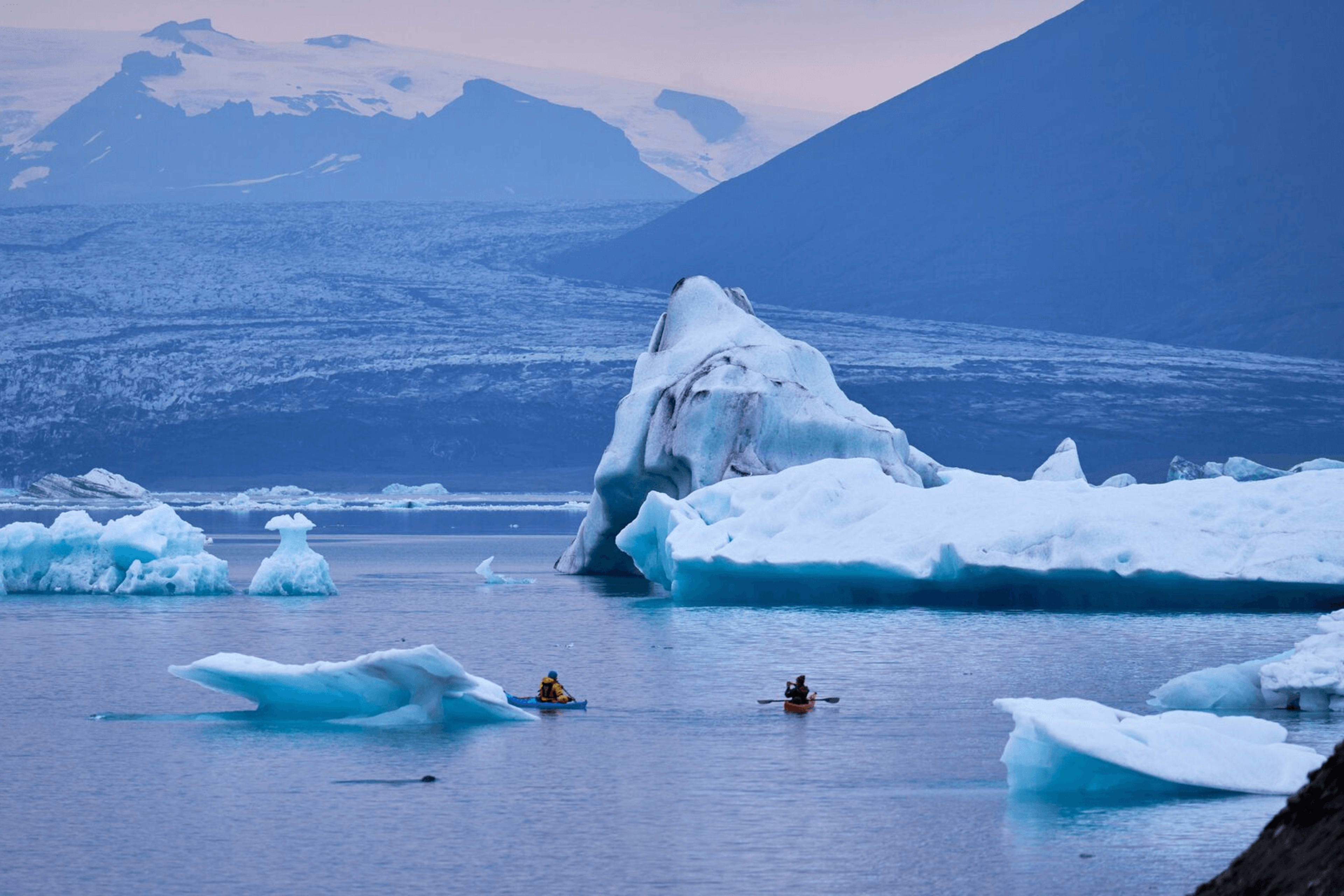
Jökulsárlón Glacier Lagoon is Iceland's deepest lake, directly connected to the ocean and broken glaciers. Huge icebergs float across its surface, creating a pristine, icy blue expanse. A boat trip through it is a truly unique experience, transporting you to an ice kingdom. However, be warned: these floating icebergs are unstable and constantly shifting, potentially melting and breaking at any moment. Never attempt to climb onto any of them! The lagoon has powerful currents that can easily drag you to its depths. Imitating those "cool" photos of people climbing icebergs on social media just to find the perfect, exotic angle for a photo is incredibly foolish. It's not worth risking your life for a stunning picture on social media. The likely outcome is that you'll end up drowning in the icy water, with no one nearby to help you. When boating on the lagoon, always follow the instructions. Such pristine beauty is meant to be admired from afar, not touched.
Being too close to the sea while playing on the black sand beach
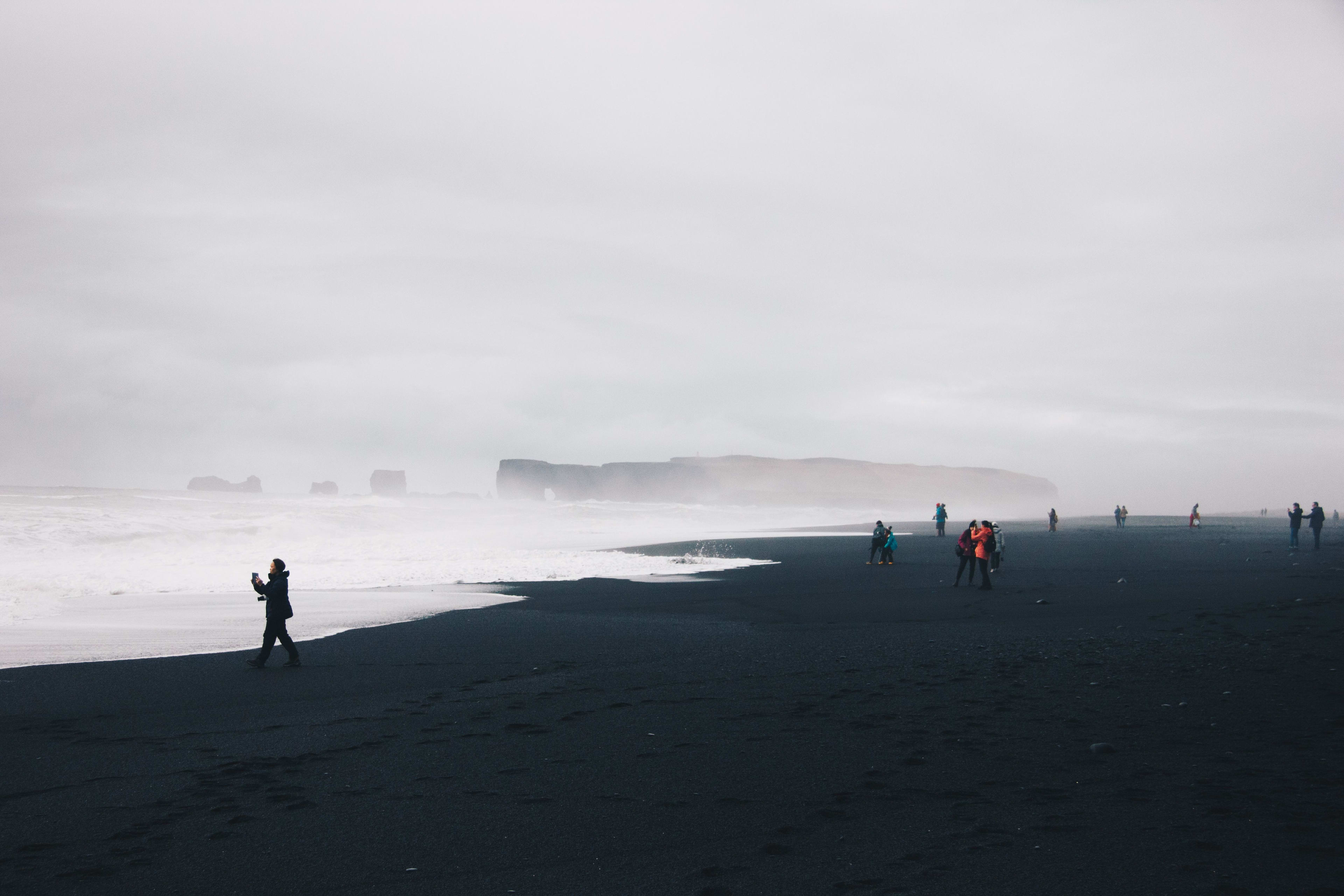
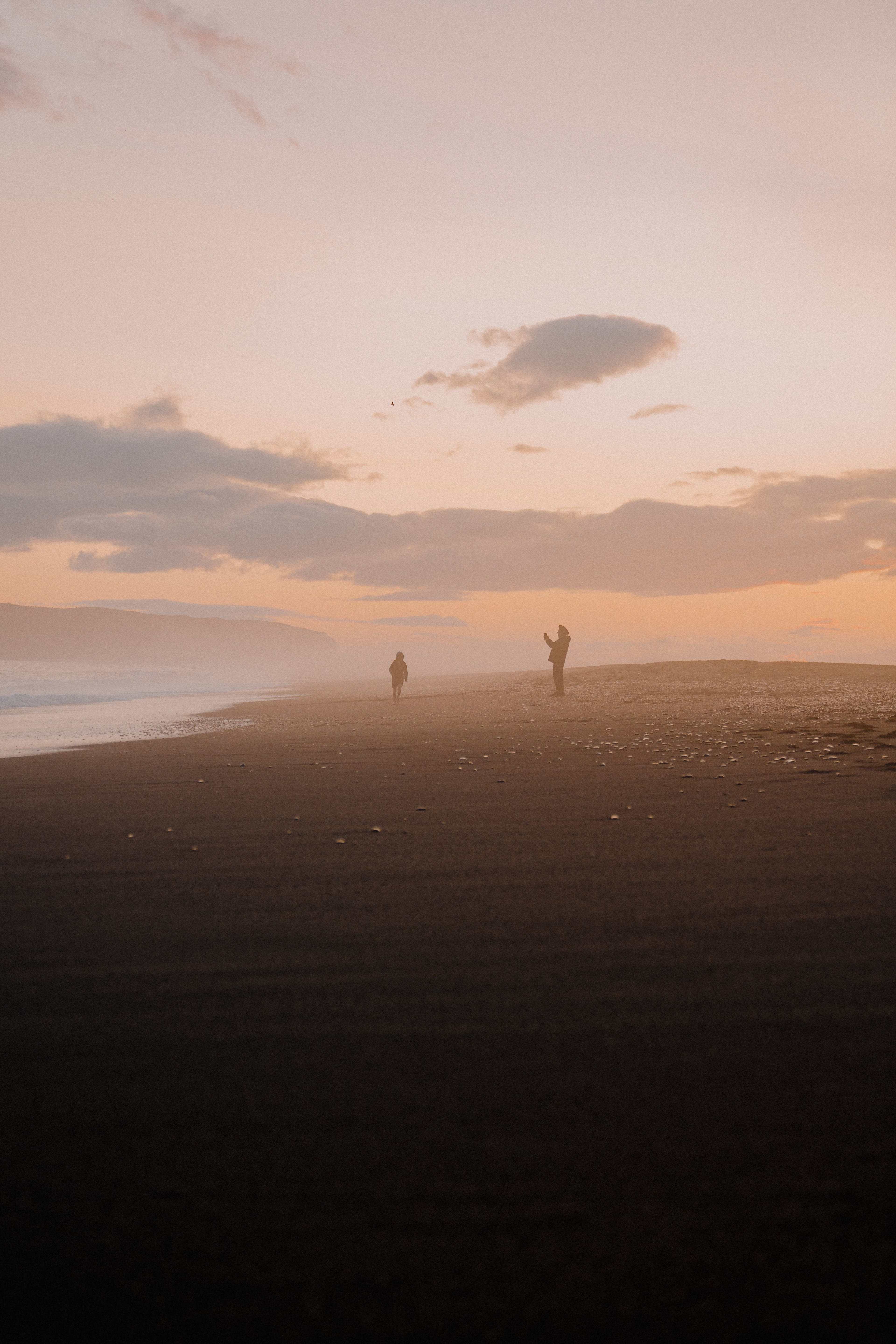
Iceland boasts magnificent black sand beaches, where white waves crash against the black sand, creating a stark yet beautiful scene that attracts countless tourists every year. Reynisfjara Black Sand Beach, near the town of Vík on the south coast , is one of Iceland's most famous black sand beaches. However, behind its captivating scenery lies immense danger. The waves at this beach are unpredictable and powerful. While people marvel at the breathtaking scenery, they are also prone to letting their guard down. With the ebb and flow of the tide, waves come and go, sometimes fast, sometimes slow, unpredictable. If you get too close to the waves, you might be swept away before you even realize it. Tragically, this black sand beach has also claimed the lives of many tourists, a truly heartbreaking loss. Despite repeated warnings from the Icelandic government, some people still risk their lives to test the frigid Atlantic waters for photos. Don't think it's cool! This is an extremely irresponsible act towards one's own life. When you are swallowed by the waves, all struggles seem so futile… “Being too carefree” is not a compliment. It not only puts one's own life in danger but also endangers the search and rescue team members who come to the rescue. The same advice applies to Kirkjufellsfjara beach in Dyrhólaey on the south coast and Djúpalónssandur black sand beach on the Snæfellsnes Peninsula .

It is particularly important to emphasize that you should never underestimate the power of nature. When playing on the black sand beach, never turn your back to the waves. Swimming is not suitable here, and chasing the waves is even less advisable. The principle of "distance makes the heart grow fonder" applies here as well!
Jökulsárlón Glacier Lagoon and black sand beach are usually included in Iceland's South Coast tours, but the Iceland South Coast 4-Day Summer Self-Drive Tour: Glacier Lagoon & Black Sand Beach and the Iceland Winter Concise 4-Day Tour: Blue Ice Cave Adventure & South Coast Scenery will take you on a tour of the magical scenery of Iceland's South Coast, while also reminding you of the above warnings!
Warning signs when crossing waterfalls or cliffs
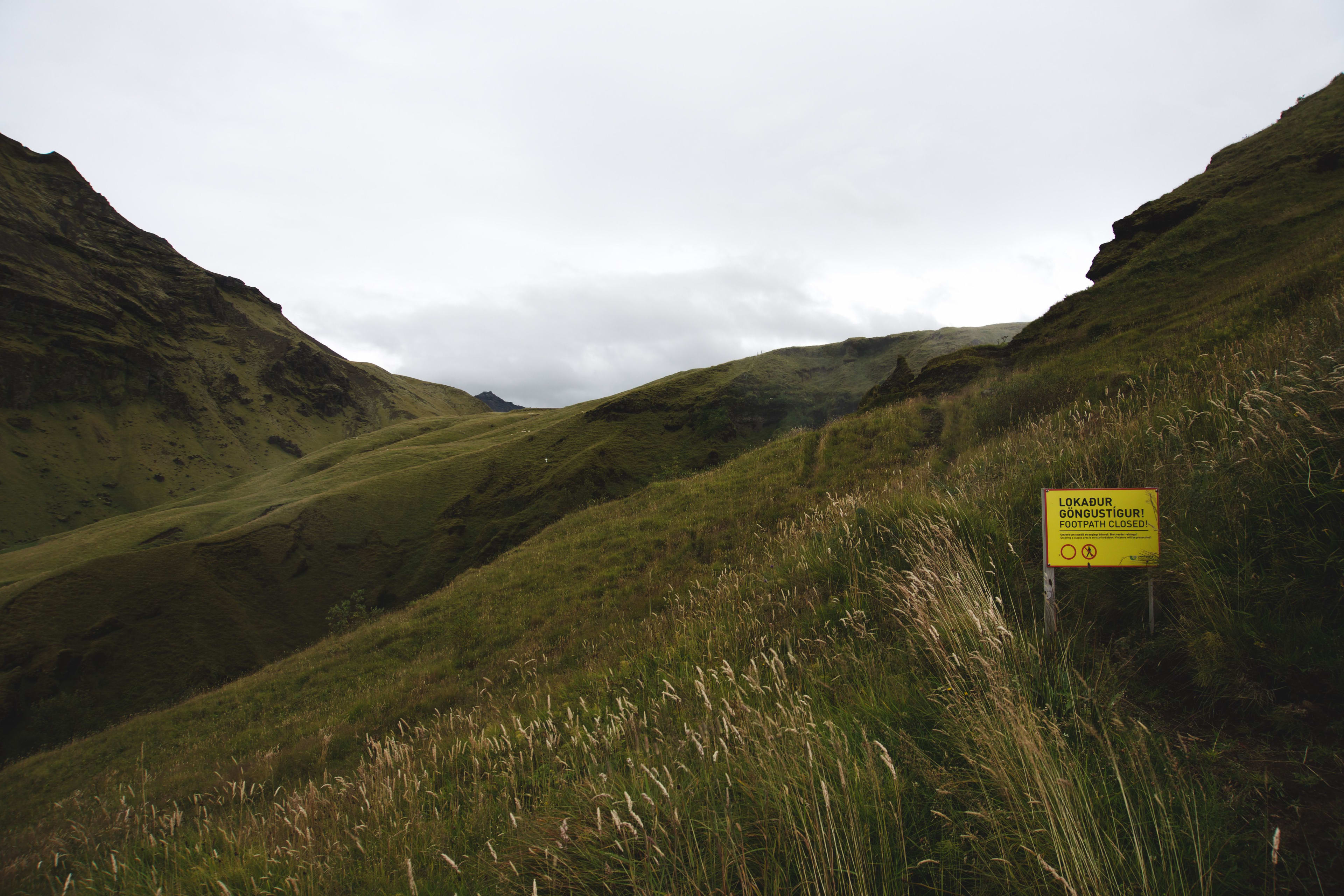
As Iceland's tourism industry has grown, more and more of its natural wonders have become known to the world, attracting people to explore this magical and beautiful country. With the increasing number of tourists, many attractions have erected numerous warning ropes and signs to cordon off certain areas. Undoubtedly, everything exists for a reason, and the reason for warning signs is clear—they are not merely preventative measures to avoid lawsuits arising from security loopholes; more importantly, these warning signs are usually placed only in areas where danger truly exists, to alert people to the impending danger: people can only take photos within the cordoned-off safe area or to inform people that this area is off-limits.

This might sound like a cliché, something we've repeated over and over again, since everyone thinks this is a self-evident truth. However, we must reiterate the importance of respecting these warning signs. Unlike in China, many tourist attractions in Iceland lack gates and fences, emphasizing their natural, wild beauty. Often, some sites only have a simple viewing platform with steps and handrails. In remote areas, don't expect any man-made facilities; therefore, your safety awareness is paramount. Following road signs is crucial when traveling in Iceland; otherwise, you could put yourself in danger.
Unafraid of the power of nature's ice and fire
In Iceland, volcanoes and glaciers intertwine to create a unique landscape, drawing countless visitors eager to explore this mysterious land. However, Iceland's glacier and volcanic regions are characterized by complex terrain and hidden dangers. Glacier hiking presents risks such as concealed crevasses, strong winds, and ice avalanches. Without proper equipment and a professional guide, glacier hiking or ice cave exploration carries the risk of falls, being buried under ice, or plunging into crevasses.
At Forest Cat Travel, you can participate in our Solheima Glacier hike , Skafta Glacier hike , Vatnajökull Ice Cave exploration , and the Katla Ice Cave exploration tour departing from Vik . We will have professional guides to ensure your safety, and with proper safety equipment, we will take you on a truly safe ice and snow exploration journey. You can also learn more about glaciers along the way! If you are an adventure enthusiast, the Langjökull Glacier snowmobile experience, also with professional guidance, will absolutely thrill you!
Meanwhile, in volcanic areas, volcanic eruptions can lead to risks such as lava flows, the production of large amounts of volcanic ash, smoke, and harmful gases. The lava fields formed after an eruption may also be unstable, with thin geology and potentially accompanied by unpleasant gases or other hazards. When experiencing the "Song of Ice and Fire," safety should always be the top priority. Never venture into dangerous areas alone or engage in unsafe behavior. For a safe exploration of volcanoes and lava fields, consider joining our volcano interior adventure departing from Reykjavik . Accompanied by a professional guide, you'll explore the magnificent volcanic landscape on foot, creating unforgettable memories.
Walking outside marked routes in geothermal areas
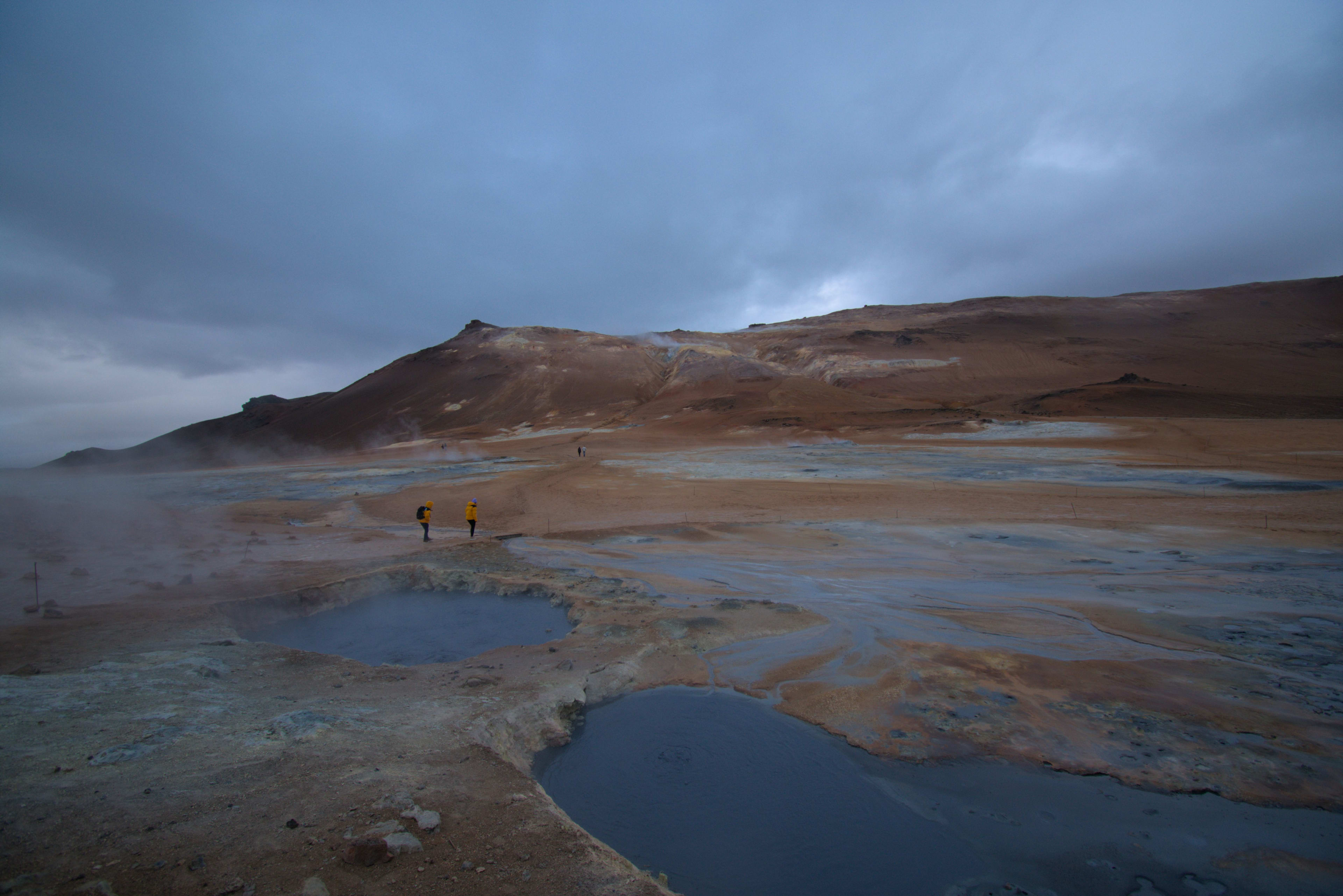
Iceland is rich in geothermal resources, forming unique geothermal areas with stunning scenery. You can see boiling mud vents, bubbling hot springs, hissing fumaroles, and even geysers shooting into the sky. However, due to constantly changing geological activity, dangerous situations can also occur. Seemingly stable areas may only have a thin crust of soil covering a small patch of scalding mud and fissures beneath. When exposed from underground, temperatures can often reach 100 degrees Celsius. The safest approach is to follow marked paths or only walk on clearly solid ground. These paths guide you through the most stable and solid geothermal areas and are usually fenced off to prevent you from entering unstable areas. This means that when patiently waiting for a geyser to erupt or passing through lava fields, do not attempt to cross the perimeter or step on unconfirmed safe ground. The unknown is always fascinating yet dangerous; our advice is: don't even try!
When visiting the Lake Mývatn area , please strictly follow our advice. Also, if you participate in a horseback riding experience in Iceland's geothermal areas , please remember to follow a professional guide and do not venture into dangerous areas on your own.

For the same reason, you should always check the temperature of any natural hot spring before jumping in. Natural hot springs are found all over Iceland, and while they are generally safe, some inevitably have uncontrolled temperatures and are unsuitable for bathing, such as the Grjótagjá hot spring cave , which was one of the filming locations for Game of Thrones .
What places in Iceland are best not to visit on your own?
Traveling solo is one of the best ways to discover yourself, try new things, and explore every corner of the world. As one of the most beautiful and safest places on Earth, Iceland rightfully ranks among the top destinations for solo travel. Iceland boasts vast natural landscapes that attract countless hikers; however, every year, tourists get lost or have accidents while hiking in remote areas. Unfortunately, although local rescue teams find most people, the outcome may be too late. Therefore, if you plan to hike in remote areas of Iceland, try to travel in a group or join a tour to avoid unforeseen accidents while hiking alone. In case of difficulties or emergencies, please call 112 for help.
As mentioned earlier, if you have no prior experience hiking through volcanoes, glaciers, or snowfields, it's best to do so with an experienced guide. In addition, Iceland boasts blue ice caves , glacial tunnels , and lava caves formed by glaciers and volcanoes ; following a professional guide is essential when exploring these areas. These trained guides are often trained and experienced in handling emergencies, enabling them to take timely measures and seek assistance to ensure the safety of tourists. They also explain local culture, geological phenomena, and ecosystems, allowing tourists to gain a more comprehensive understanding of the places they are exploring and enhancing their appreciation of Iceland's rich natural and cultural heritage. Sharing is caring!
Iceland's environmental protection bans
Traveling to a new country usually means getting to know a completely different environment, culture, customs, laws, etc., even if some aspects are very similar to your own culture. Sometimes, even seemingly minor details, if overlooked, can have a significant impact on your trip. Iceland is no exception. Respecting Icelandic customs, taboos, rules, and etiquette while traveling in Iceland reflects well on you as a tourist. We believe that most tourists visiting Iceland are responsible, easy-going, and tolerant, able to relax and enjoy Iceland's nature and culture while contributing to Iceland's environmental efforts.
Iceland is a country that places great emphasis on environmental protection. It is one of the world's largest users of renewable energy and has established strict environmental protection standards to safeguard its precious natural landscapes and wildlife, maintaining its ecological balance and ensuring the sustainable development of its tourism industry. Furthermore, Iceland places great importance on sustainable development and environmental education. The government, various organizations, and companies across all sectors demonstrate a strong sense of social responsibility, promoting environmental awareness and sustainable lifestyles. Therefore, there are many environmental precautions to take when traveling to Iceland. Only by protecting the environment can Iceland's beautiful scenery be preserved for generations to come. So, what are some things that are strictly prohibited?
Easily trampled moss
One of the biggest mistakes to avoid in Iceland is damaging the natural landscape. Perhaps you're exploring Iceland's natural beauty, and certain distant views might catch your eye, making an adventure off the main road quite tempting! However, watch your step; any exploration should never come at the cost of destroying the surrounding natural world.
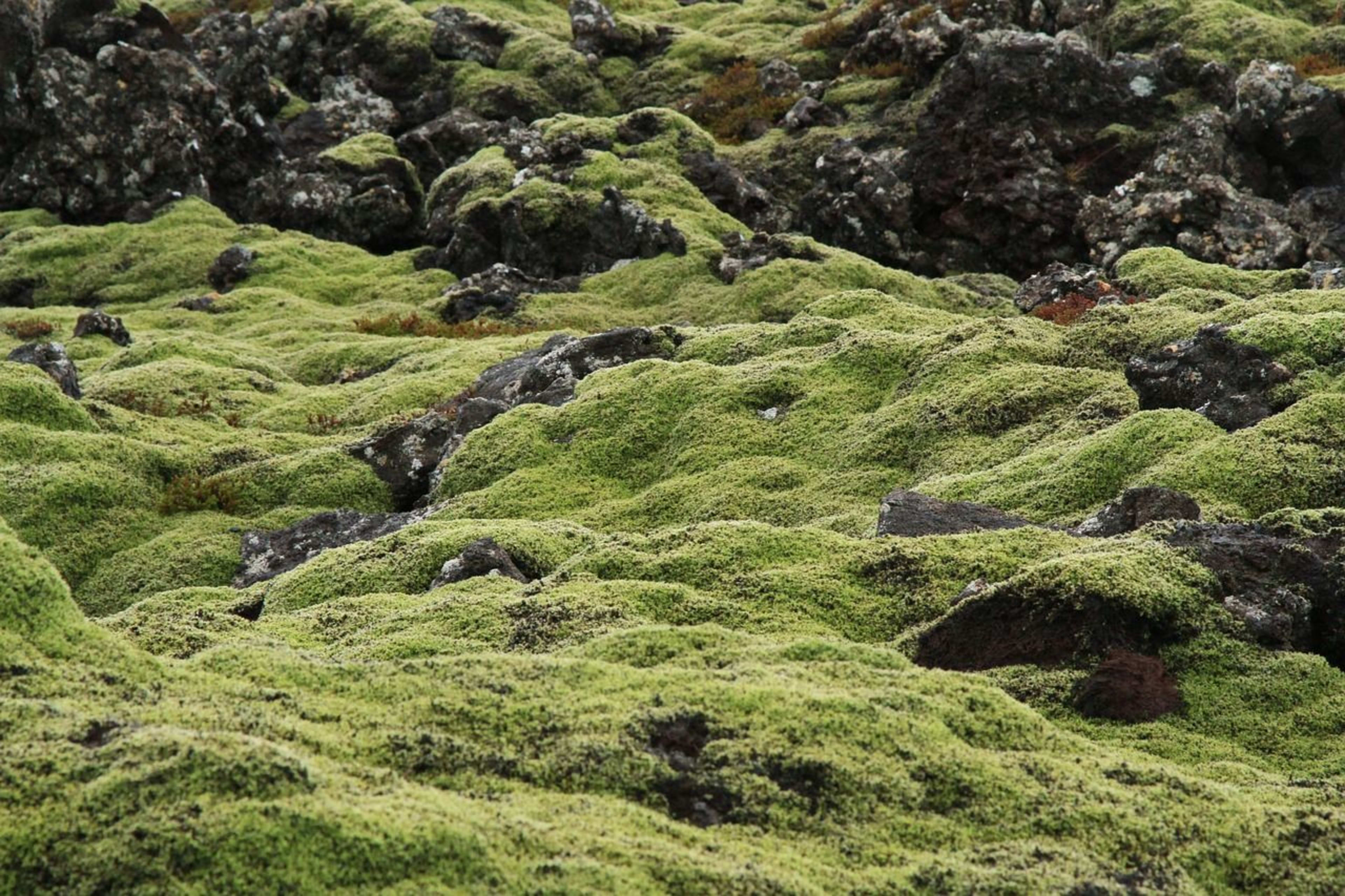
Iceland has few forests, and although it is home to Arctic flora, it is not famous for them. Iceland's main "vegetation" is moss, which covers vast areas of land, including ancient lava fields, mountains, and cliffs. While it may seem endless, this moss is extremely fragile. In fact, moss is often irreversibly damaged by people driving off-road or being trampled. If damaged, it can take decades to recover.

Besides avoiding leaving your mark on Icelandic moss, please also refrain from carving your name on any natural landscape. This is not only a lack of public spirit, but more importantly, it exacerbates environmental degradation. On the hillsides outside Reykjavik, you can still see initials left by travelers from the late 19th century. While modern tourists may not be as aware of this, everyone should have a strong sense of responsibility for protecting Iceland's natural landscapes.
To give a contrasting example, Justin Bieber traveled to Iceland in 2015 to film the music video for his song "I'll Show You." He frolicked on paths around Fjaðrárgljúfur , damaging moss that would take a long time to recover, and skateboarded at the Sólheimadsandur airplane wreckage site, sparking frustration and anger among locals. In Iceland, a country that is practically a natural wonderland, its breathtaking beauty will only continue to exist when visitors give it the respect and care it deserves.
Off-road driving
Iceland boasts a diverse and varied landscape. Moss isn't the only part of Iceland's nature that people seek to protect; lava fields, glaciers, and black sand beaches are also natural wonders bestowed upon Iceland. For safety reasons, many roads are marked, but outside these markings, safety cannot be guaranteed. You might find yourself traversing extremely unusual areas, even very dangerous lava fields, where much of the terrain is fragile and can leave permanent damage from tire tracks. Off-road driving is strictly prohibited in Iceland. If caught, you could face hefty fines, be required to repair any damage, and in serious cases, even face prosecution. Therefore, you may have seen tourist advertisements on TV showing people driving jeeps at high speeds across dunes or grasslands, having a great time, but this is not the reality. No matter how harmless this behavior may seem, never drive your vehicle off the road or trail. Don't try to justify it by saying you're driving on an F-road; this is completely different from off-road driving.

Camping anywhere

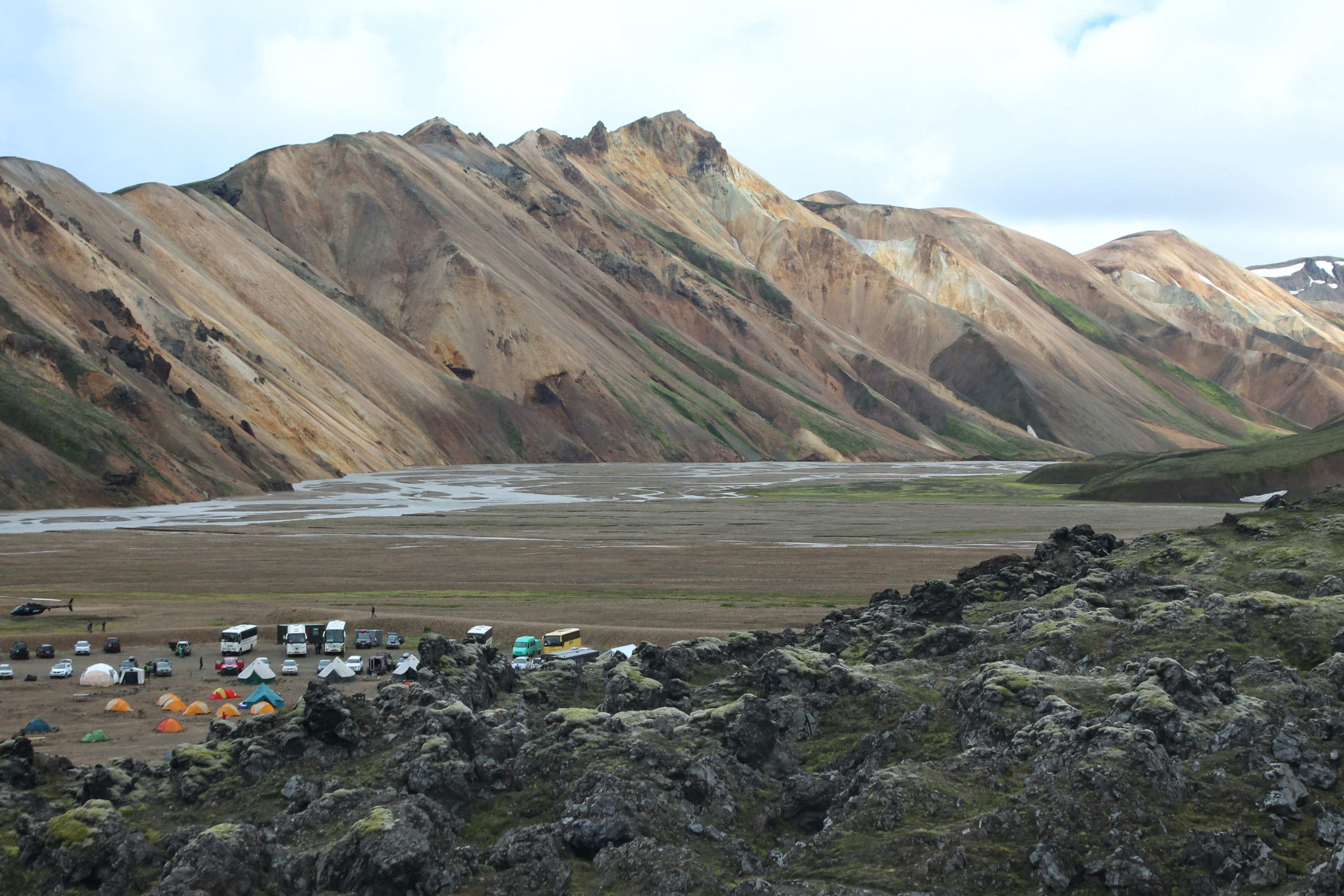
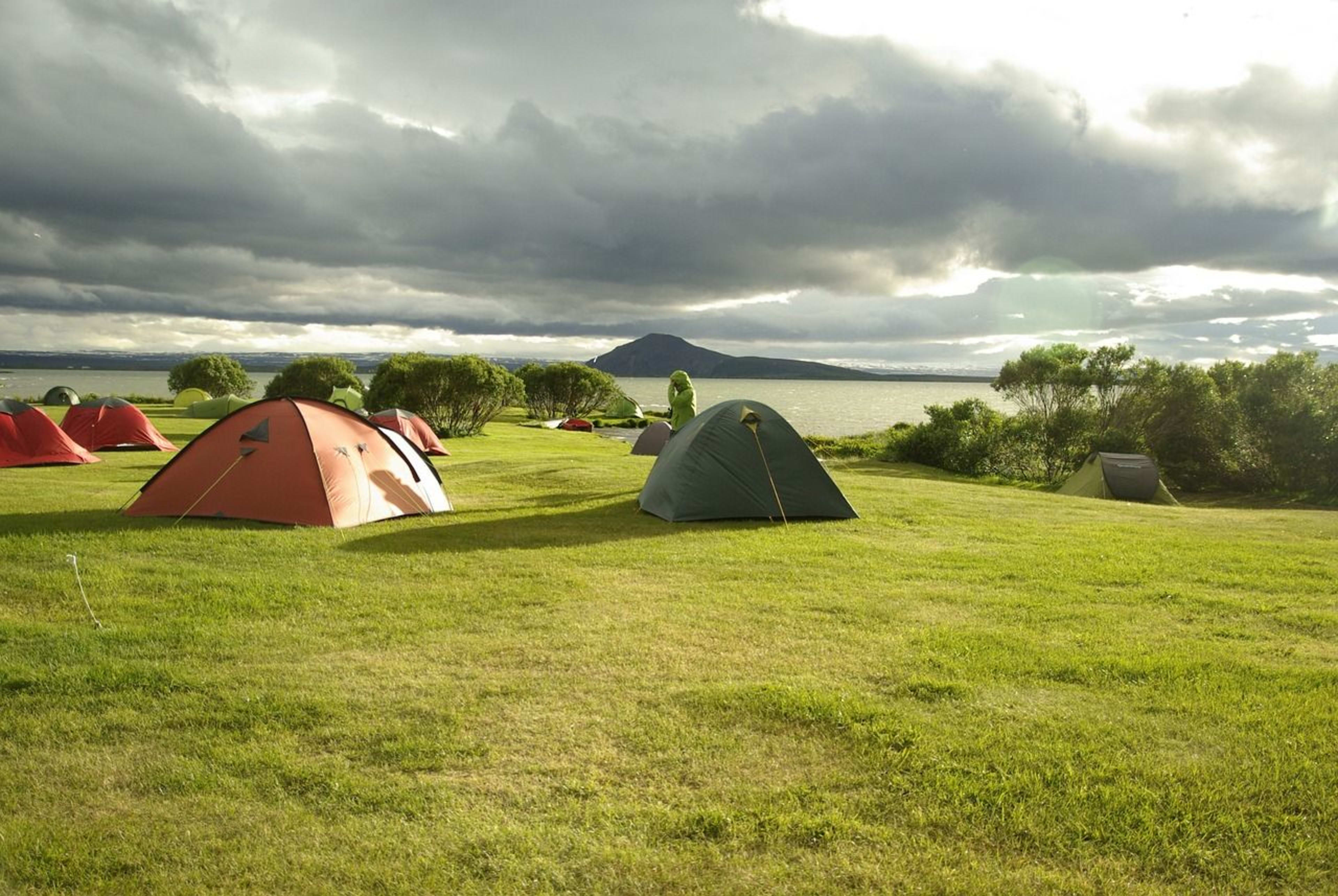
Choosing the right parking and camping spots before you start your trip is crucial. If you plan to camp during your visit to Iceland, make sure this is done during the campground opening season, from May to September. A small number of campgrounds in Iceland are open year-round, but as you might expect, winter weather can be particularly harsh, with dark skies making camping less appealing. In some remote areas, it can be difficult to determine where camping is permitted and where it's not. In eastern Iceland, some areas are private property, and with the booming tourism industry, some travelers camp indiscriminately, impacting the lives of local residents. In Iceland, camping outside of private areas and designated campgrounds without permission is illegal. Some unscrupulous tourists not only camp illegally but also neglect to clean up their trash, further damaging the area with litter and excrement everywhere. If you plan to camp, please follow the guidelines and ensure that the area you choose is within the permitted area. Never camp on someone else's private property without permission!
Forest Cat Travel also offers camping packages, so why not check them out?
Buy bottled water
There's one thing you absolutely shouldn't do when traveling to Iceland, and that's buying bottled water. We can't stress this enough. Ask any Icelander on the street: "What's something you shouldn't do in Iceland?" That's often their first piece of advice for tourists.
Iceland, true to its name, is 11% covered by glaciers. Most of the glacial meltwater sinks into the porous lava covering the land and is filtered through the lava, giving rise to thousands of pristine springs throughout the country. Meanwhile, Iceland's infrastructure ensures that every tap has fresh water, making it one of the clearest and cleanest water sources in the world, a feat many countries can only dream of. Before Iceland's tourism industry matured, bottled water was not sold on the island. Even today, bottled mineral water in stores is essentially the same as the water flowing from taps throughout Iceland. Therefore, you might as well bring your own water bottle and enjoy Iceland's pristine spring water for free during your trip. However, when switching from hot to cold water, it's best to let the tap run for a while before filling your cup. Because this water comes directly from springs, Icelandic hot water smells and tastes slightly like sulfur, although this is completely harmless. But if it makes you feel a little uneasy, it's better to let it run a little longer.
In Iceland, buying bottled water not only generates plastic waste and has a huge impact on the environment, but it's also completely unnecessary. Drinking tap water is not only cheaper but also more environmentally friendly. Crucially, there's practically no difference between the two! So why not integrate into the local community and contribute to environmental protection?
Disturbing and feeding wild animals
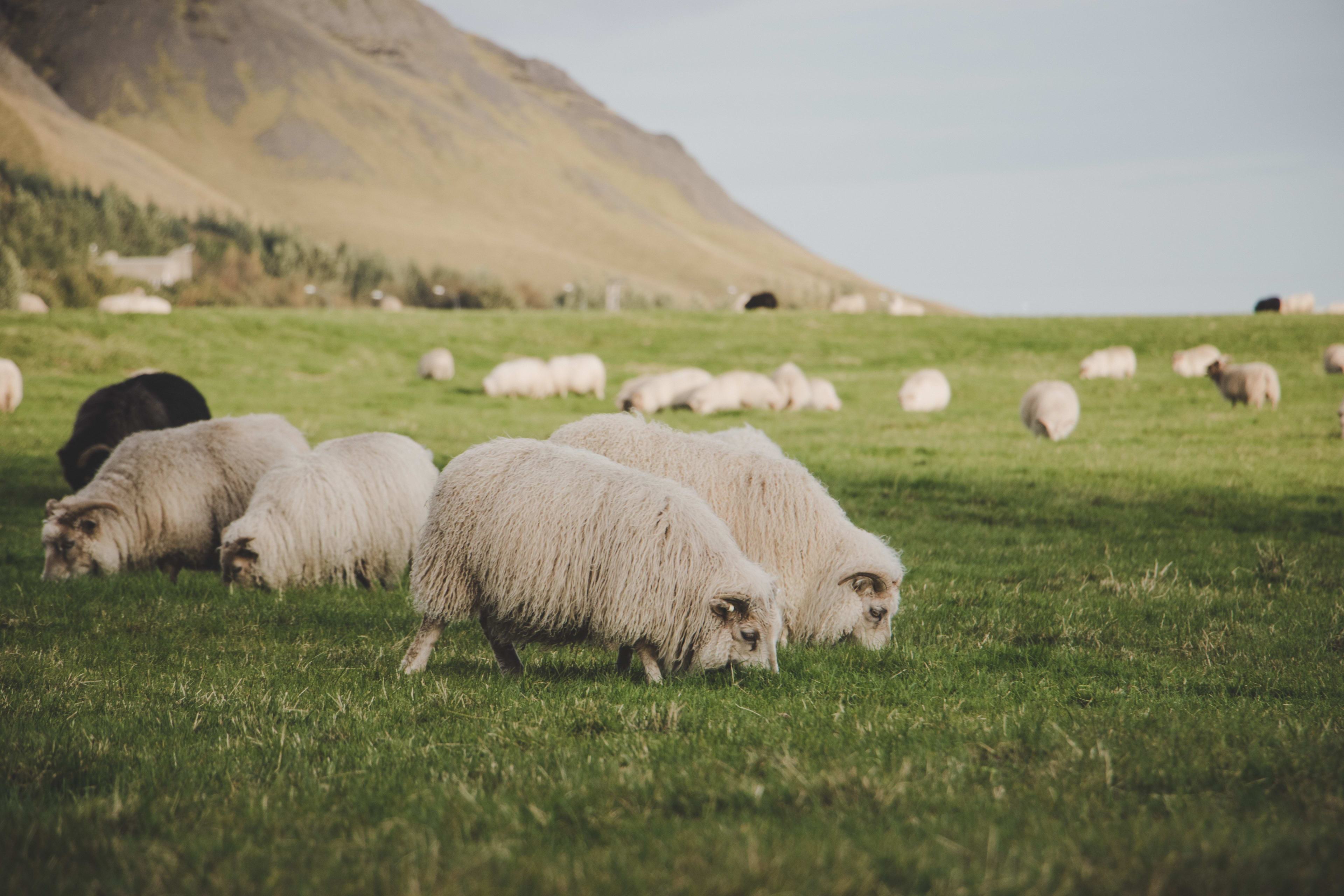
Iceland places great importance on the harmonious coexistence of humans and nature. Many wild animals roam freely in the country, including swans, ducklings, kittens, sheep, and adorable puffins. While traveling in the Eastfjords , you might even have a beautiful encounter with reindeer. When traveling in Iceland, it is crucial to respect these adorable animals when you encounter them: please slow down and drive carefully, and never intentionally try to frighten or drive them away, causing unnecessary trouble. Also, do not feed them whatever you have in your bag. Many animals (such as Icelandic horses and sheep) are domesticated for specific purposes; don't think that feeding them is showing kindness, as you will only catch the farmers off guard.

Move the stone marker at will
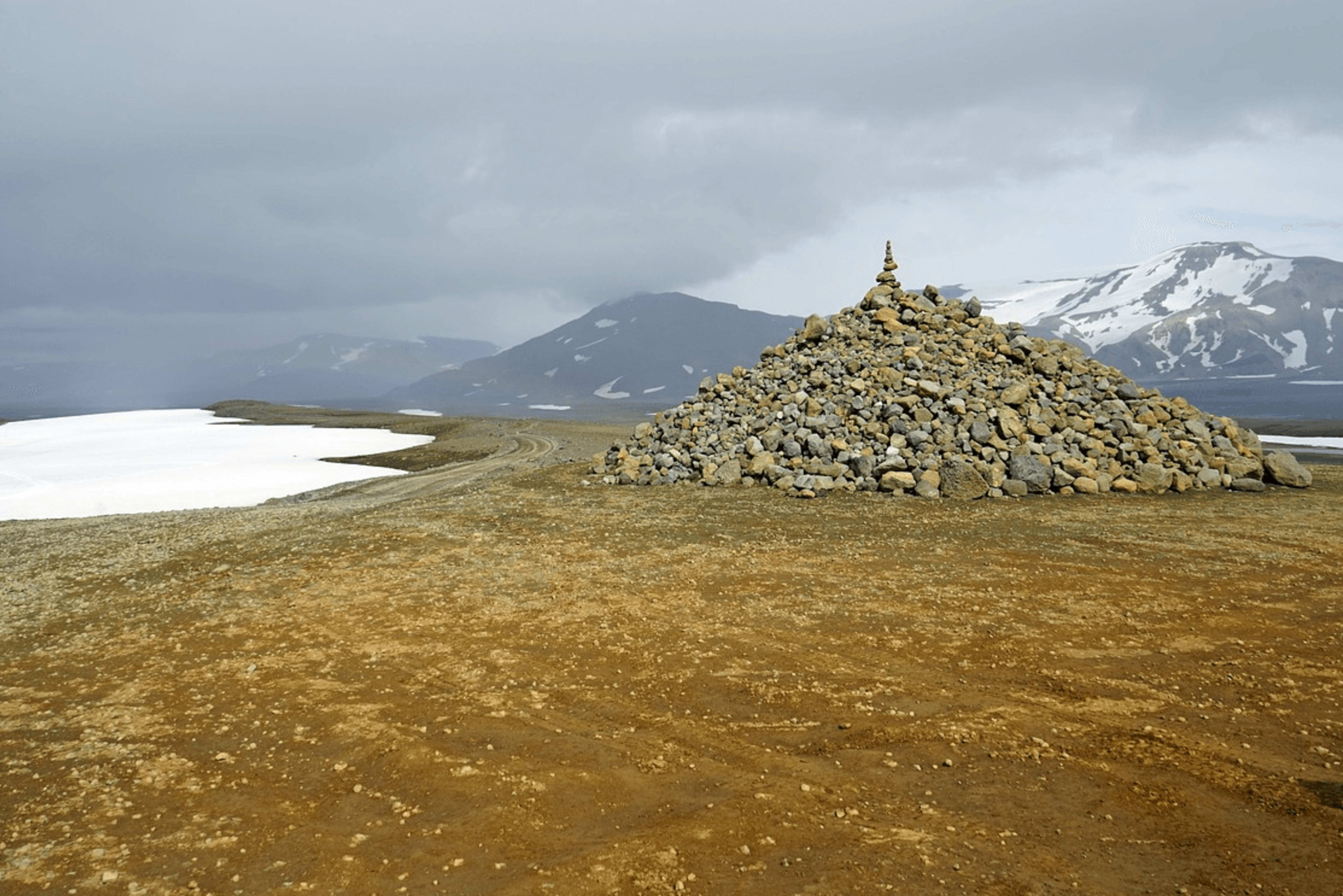
Cairns in Iceland refer to man-made piles of stones that you might notice while driving around Iceland. They vary in size and shape, from small, randomly piled stones to very tall and neatly arranged structures.
Historically, these stone markers were created by the Vikings as trail markers. Moving or disturbing large stone markers is illegal in Iceland, even though most have now become historical artifacts, forming a unique part of Iceland's landscape. They are still used by hikers and are an important part of their navigation. If someone attempts to build new stone markers, these new additions could confuse hikers, lead them astray, and endanger their safety. While exploring the Icelandic highlands, you might be awestruck by their rugged grandeur, but no one wants to be trapped and lost because of altered stone markers. Furthermore, removing stone markers and placing them where they don't belong can inevitably damage the natural environment. So, don't think you're the only one with such ingenuity!

Throwing coins into hot springs and swimming pools
In China, some tourists might be accustomed to throwing coins into hot springs for good luck, but in Iceland, this isn't a common practice. In fact, throwing coins into various hot spring pools is considered an act of environmental damage. Therefore, resist the urge to throw coins; the hot spring pools already contain enough chemical elements, so don't add any "metallic elements." Instead, save your money to buy some delicious food.
littering
No matter where you are in the world, everyone knows the rule of not littering. Iceland's abundance of natural beauty awaits discovery thanks in no small part to the long-standing environmental awareness of its people. Imagine standing on a black sand beach or taking a boat trip on a glacial lagoon, only to find litter everywhere—how would you feel? If someone sees you littering (including cigarette butts and chewing gum) and damaging the environment, be prepared to face hefty fines. Therefore, please keep civility in mind, arrive quietly, leave quietly, and leave no trace behind.
Entering the hot spring without showering beforehand

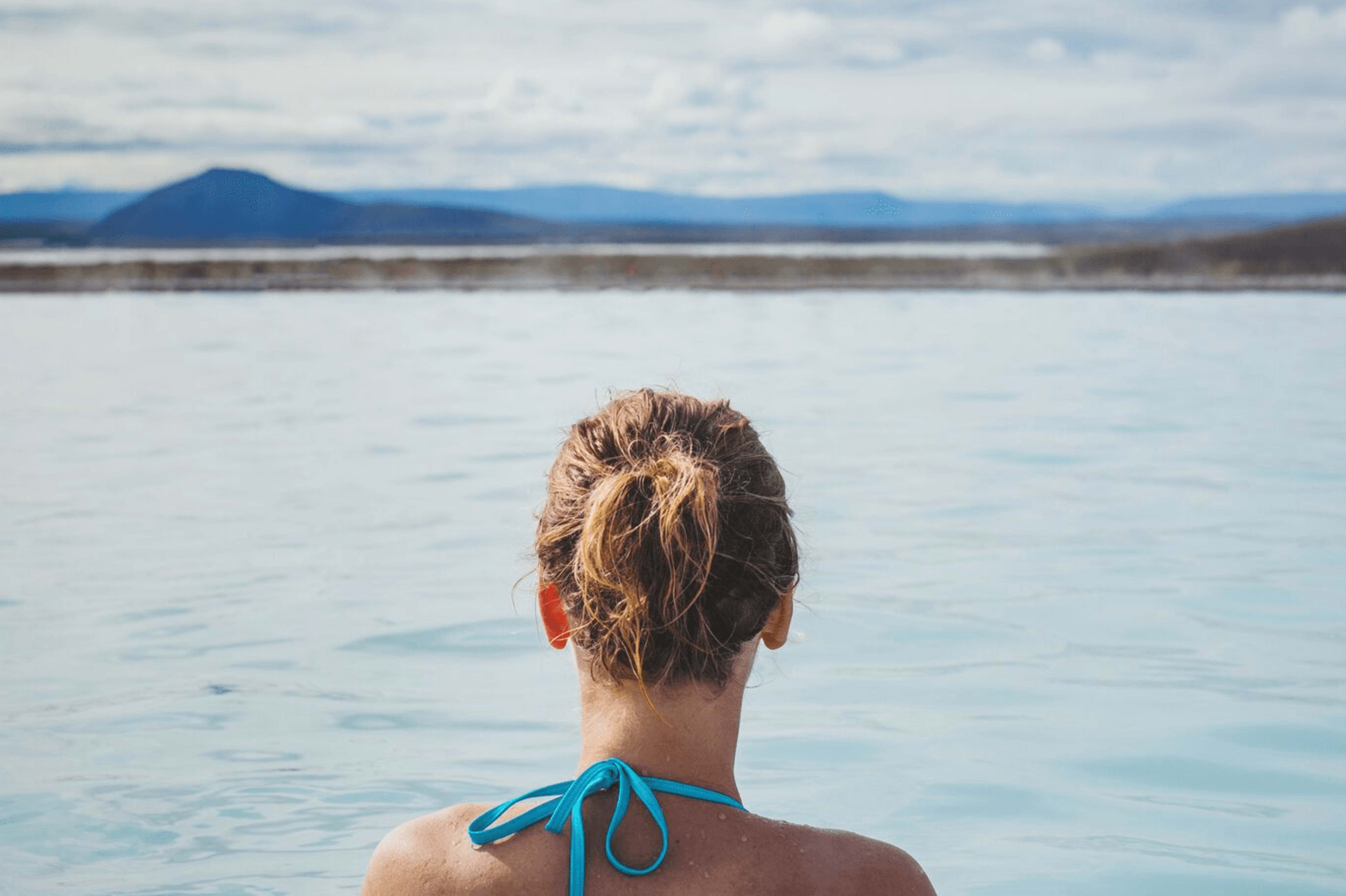
Iceland boasts abundant geothermal resources, providing its people with numerous opportunities to enjoy thermal baths, which form an important part of Icelandic culture. However, there's a crucial rule in Iceland: to maintain the cleanliness of the pool water, everyone must shower naked before entering. Yes, you read that right, you must shower naked in front of a group of strangers. You might hesitate, feel shy, or uncomfortable showering naked, especially in front of a group of strangers. But don't worry! We assure you, the locals don't care about your nudity; they've grown up with it and it's nothing unusual. Don't feel body shaming. After thoroughly washing yourself with soap and water, you can leave your towel in the changing room cubicle, put on your swimsuit, and head to the pool. Don't try to sneak into the pool without showering beforehand; if you're caught, it'll just be a chase. Pool staff will most likely stop you and ensure you've showered thoroughly before allowing you to enter the pool.
Regarding hot spring experiences:
Other things not recommended to do in Iceland
Shopping at 10-11
One thing to avoid in Iceland is buying food from 10-Eleven convenience stores. While 24-hour convenience stores can be convenient and quick, 10-Eleven is arguably the most expensive supermarket in Iceland. We recommend buying from other stores offering better value. Unless absolutely necessary, to save money, stock up at Bónus, Krónan, and Nettó. These stores will provide excellent food options for your Icelandic road trip! For a detailed guide to shopping in Icelandic supermarkets, please see another guide: The Most Comprehensive Supermarket Shopping Guide in Iceland , where you'll know exactly where to stock up!
Icelandic horses are called ponies.
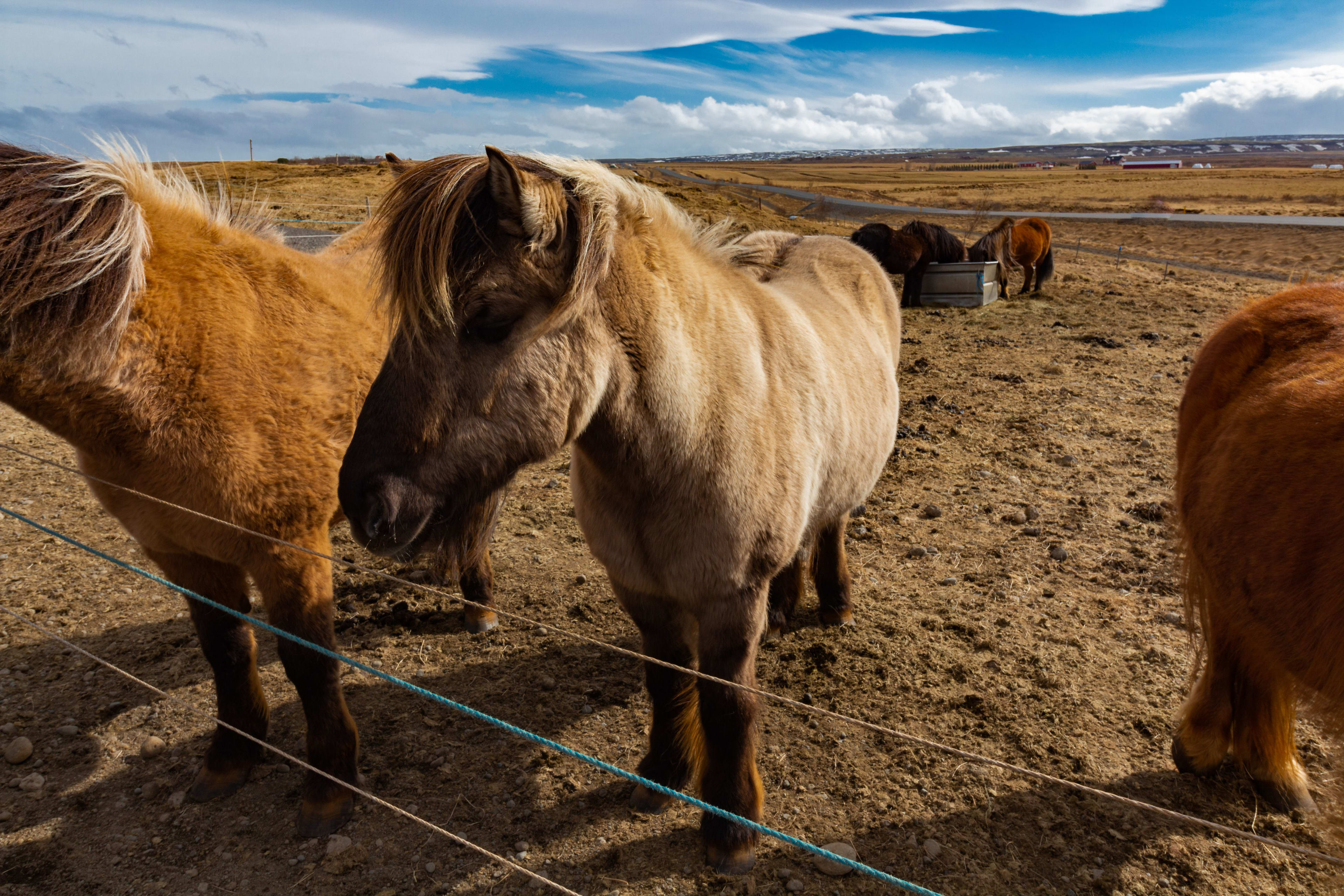
Although Icelandic horses are small in stature, they are definitely not ponies (no offense to ponies!). While strictly speaking, Icelandic horses are small ponies, but their strength, resilience, and the spirit forged in Iceland's harsh natural environment make them truly unique. Their distinctive gait allows for a smoother ride for anyone. Because Iceland does not import any other breeds of horses, every Icelandic horse you see during your visit is a purebred, and the Icelandic people cherish them dearly. While the horse itself may not realize the insult of comparing it to a pony, its owner will likely be displeased; the Icelandic horse is unique in their eyes.
Related itinerary:

Tipping the waiter
Tipping customs vary greatly from place to place. Unlike in the United States, Icelanders are not accustomed to tipping for service. The prices you see on the menu are the total amount, which already includes the staff's wages, so tipping is generally not required. Of course, if you wish to tip, that's fine too.
In addition to these, we also do not recommend chasing the Northern Lights or exploring blue ice caves in the summer (because you can't see them), taking drone photos indiscriminately in scenic areas (Iceland also has certain regulations on drone flights), or spending a whole day wandering in the suburbs during the winter when daylight is extremely short. These are all things we sincerely do not recommend. Since you have come to this country, live like an Icelander.
Having detailed so many things you absolutely must not do when traveling to Iceland, I believe you now have a clear understanding. Failure to follow Icelandic safety guidelines will not only anger locals and draw their criticism, but more importantly, it could endanger your life. Doing your research beforehand and protecting Iceland's beautiful natural environment while enjoying your trip will ensure your safety and save Icelandic rescue teams a lot of unnecessary work. Don't put your life at risk just to show off your "uniqueness" on social media. Simply enjoy the boundless beauty Iceland has to offer, and please heed our advice and absolutely avoid anything unnecessary or dangerous!