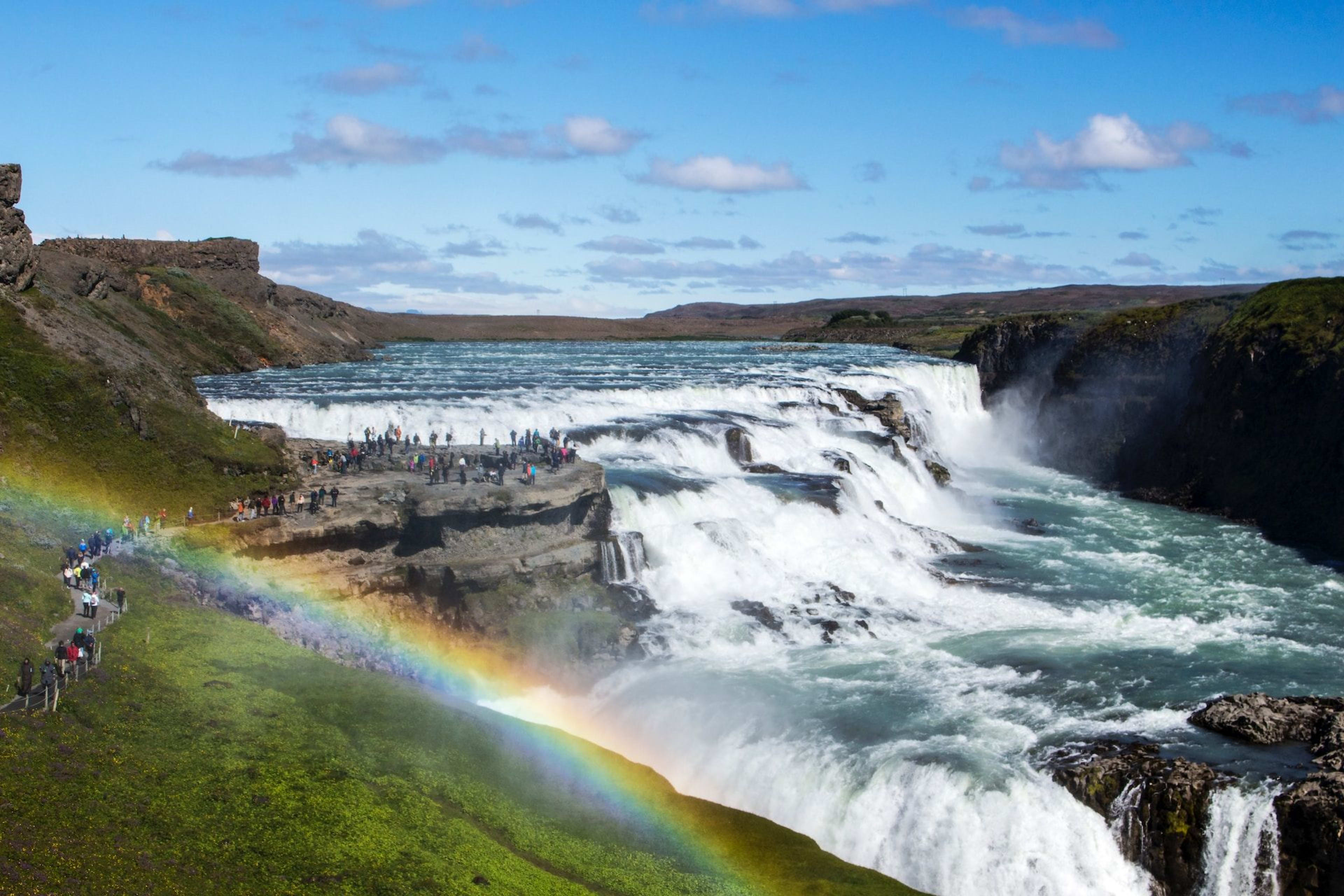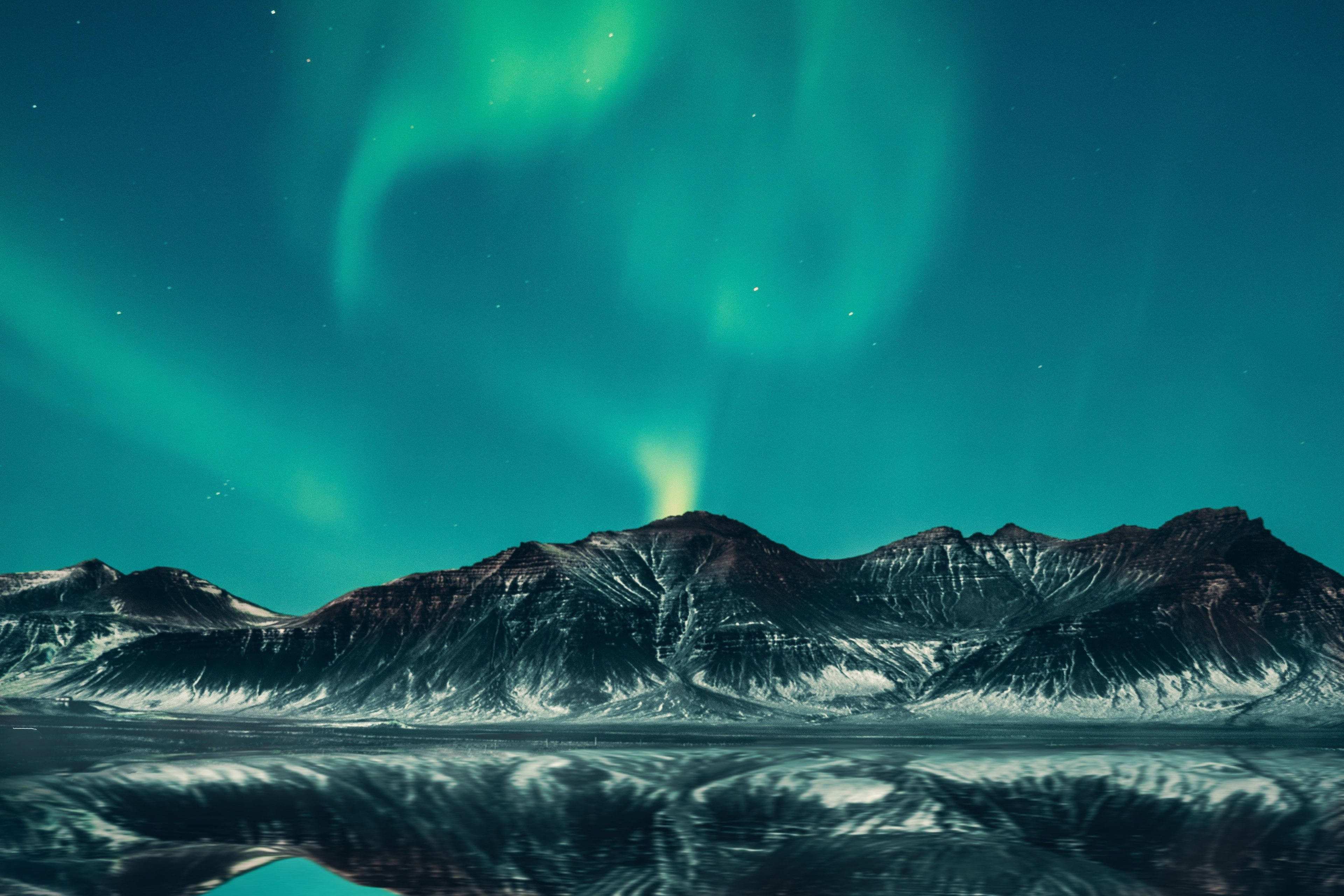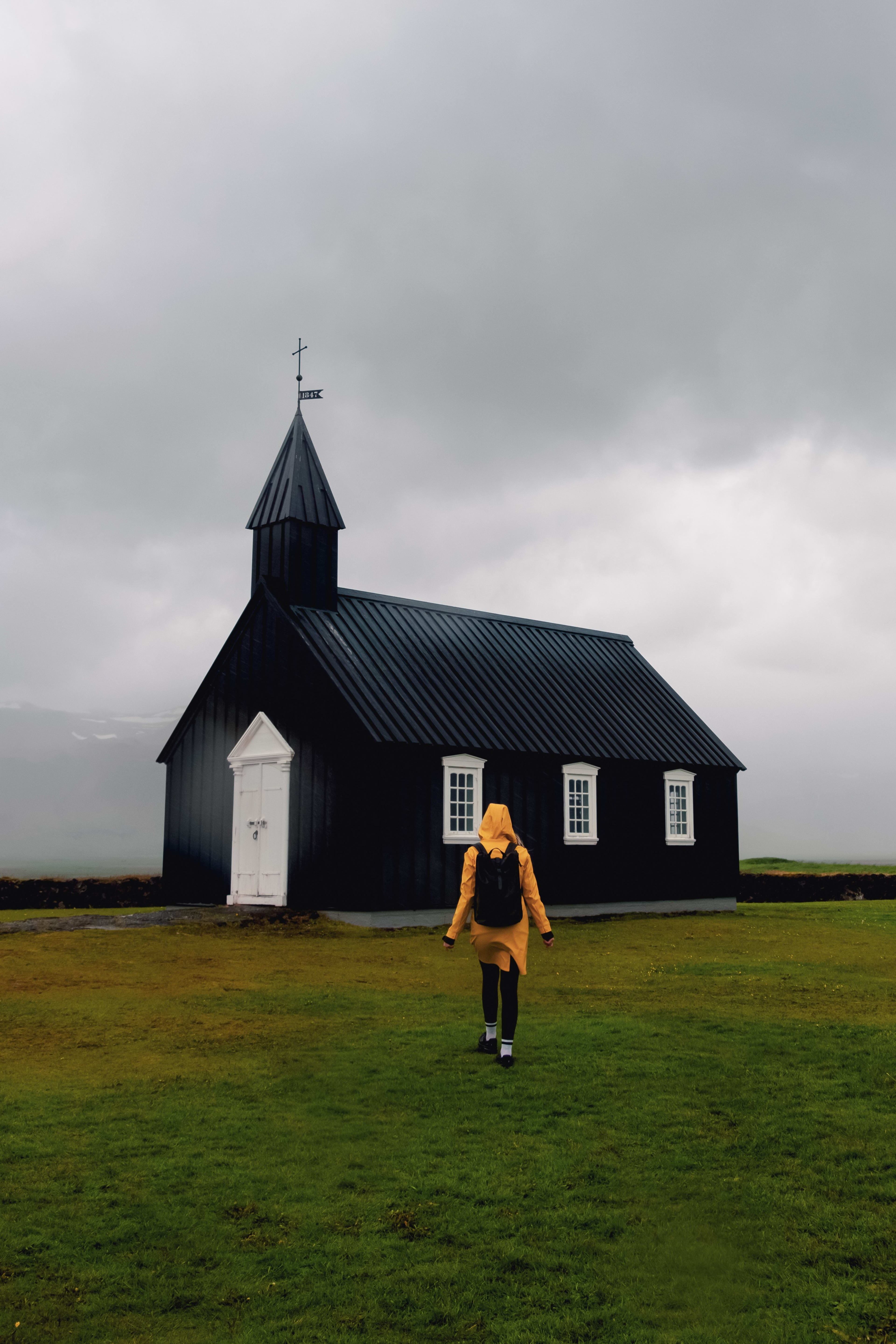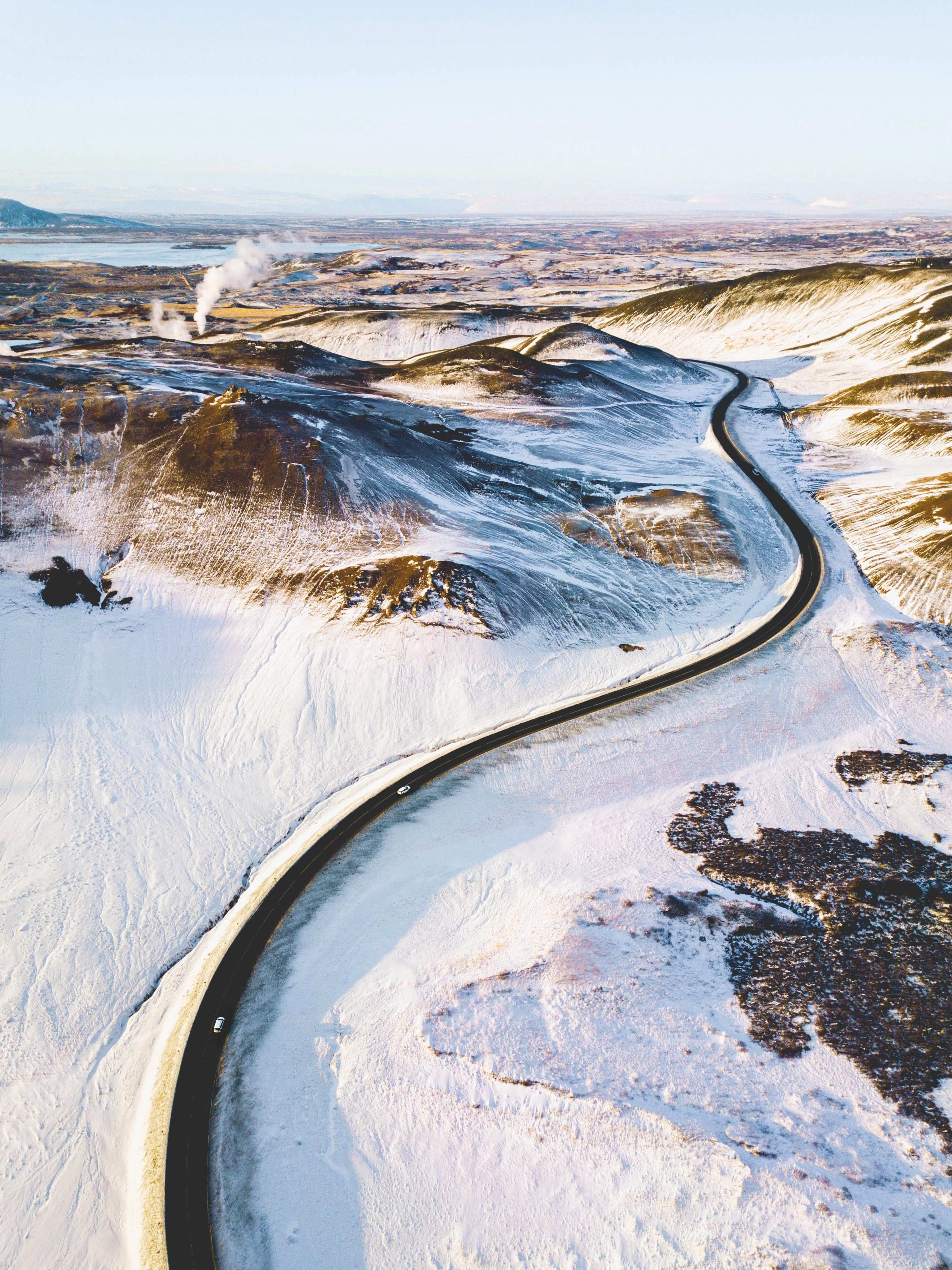
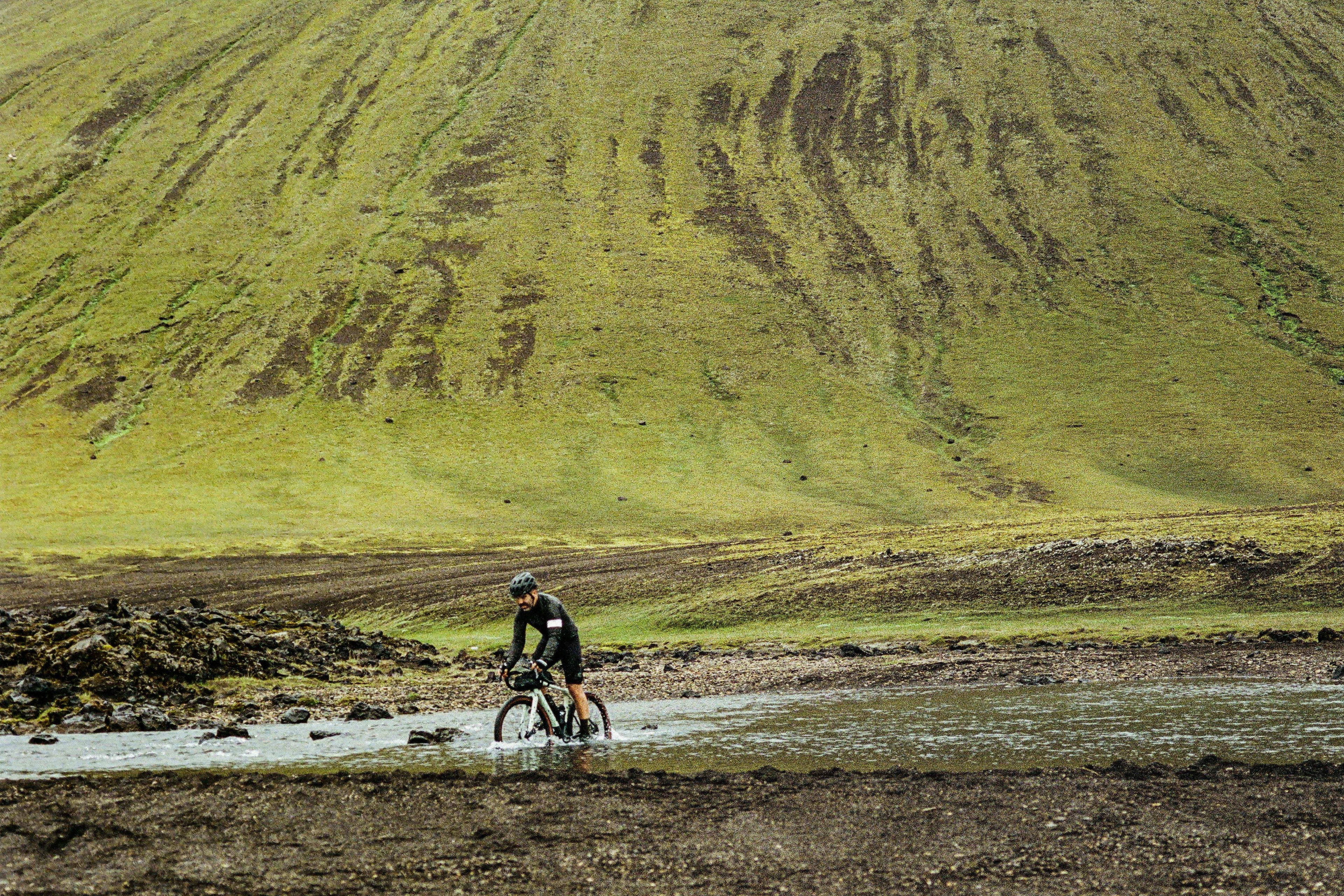
In recent years, Iceland has become one of the most popular tourist destinations in Northern Europe. It boasts adorable Icelandic sheep, the puffin (Iceland's national bird), the magnificent golden Gullfoss waterfall, the rare aurora borealis—the Northern Lights, secluded hiking trails, and the ancient Vatnajökull glacier… A trip to Iceland is likely a must-do for many. While much of its natural beauty is free, Iceland's high cost of living often deters many. From airfare to accommodation, food, and car rental, travel expenses in Iceland are numerous. How can you save money when traveling to Iceland?
This article will cover all aspects of travel, including food, accommodation, and transportation, to help you achieve your dream trip to Iceland with minimal expenses. Generally speaking, it's essential to prepare well in advance and book your Iceland trip well ahead of time (at least 2-3 months in advance), ideally during the off-season when exchange rates are favorable. However, it's important to remember that any money-saving strategy must be based on ensuring personal safety, protecting the environment, and promoting sustainable development. We do not endorse taking dangerous risks just to save money.
Suggested Itinerary:
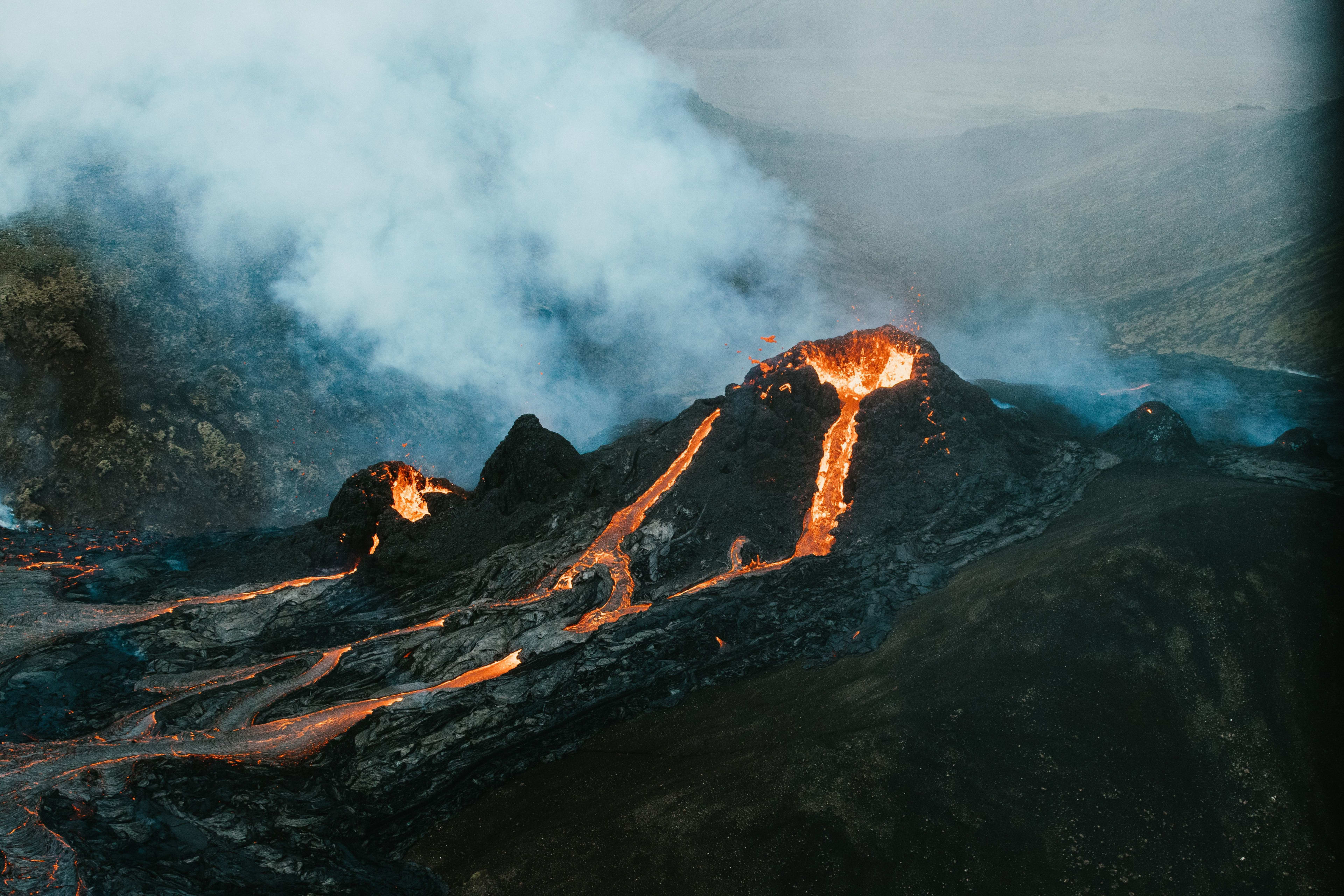
Why is Iceland so expensive?
First of all, why is Iceland so expensive?
As an isolated island in the North Atlantic, Iceland faces high costs, long transit times, and heavy taxes when importing goods, resulting in high prices. For example, Iceland has very high taxes on alcohol and fuel. Furthermore, as a small country with a relatively small workforce, Iceland's labor costs are naturally high, and it employs a large number of foreign workers in its fishing and tourism industries.
Another reason for Iceland's high prices is its currency exchange rate. When Iceland's economy is strong and the Icelandic krona is competitive, it means that the prices of all goods are correspondingly higher. However, when the country experiences an economic recession or financial crisis (such as in 2008), prices plummet.
To get a general idea of the cost of living in Iceland, you can check out a website called Numbeo . The website allows you to view prices for basic goods (bananas, jeans, gasoline, restaurant meals, wine, etc.) by country/region or for specific cities.

Develop a tourism budget for Iceland
Before introducing specific money-saving tips, I want to emphasize the importance of creating a travel budget. The ultimate goal of travel is to enjoy the journey. If your Iceland trip expenses significantly exceed your plans, it will not only affect your financial situation but also greatly diminish your enjoyment of the trip. Therefore, budgeting before departure and living within your means is crucial for ensuring a smooth trip to Iceland.
A good budget plan should at least meet the following conditions:
1. Comprehensive: Should include all major costs of the trip to Iceland, including round-trip airfare, accommodation, transportation (buses, car rentals [fuel, insurance], etc.), meals, tourist activities, entrance fees to attractions, and additional expenses (such as shopping, souvenirs, snacks, equipment rentals, etc.).
2. Considering the average cost of tourism and consumption in Iceland, be realistic and act within your means.
3. Leave some room for unexpected expenses. Don't cut back on spending so much that you can't enjoy your trip.
Based on past experience, a trip to Iceland generally requires a budget of at least 15,000 to 20,000 RMB. This figure can vary greatly depending on individual needs (such as different itineraries, activities, and number of days). Please choose the budget that best suits your needs. If your budget is insufficient, consider shortening your trip or returning next year. After all, economic health and mental well-being are paramount, and Iceland will always be there for you.
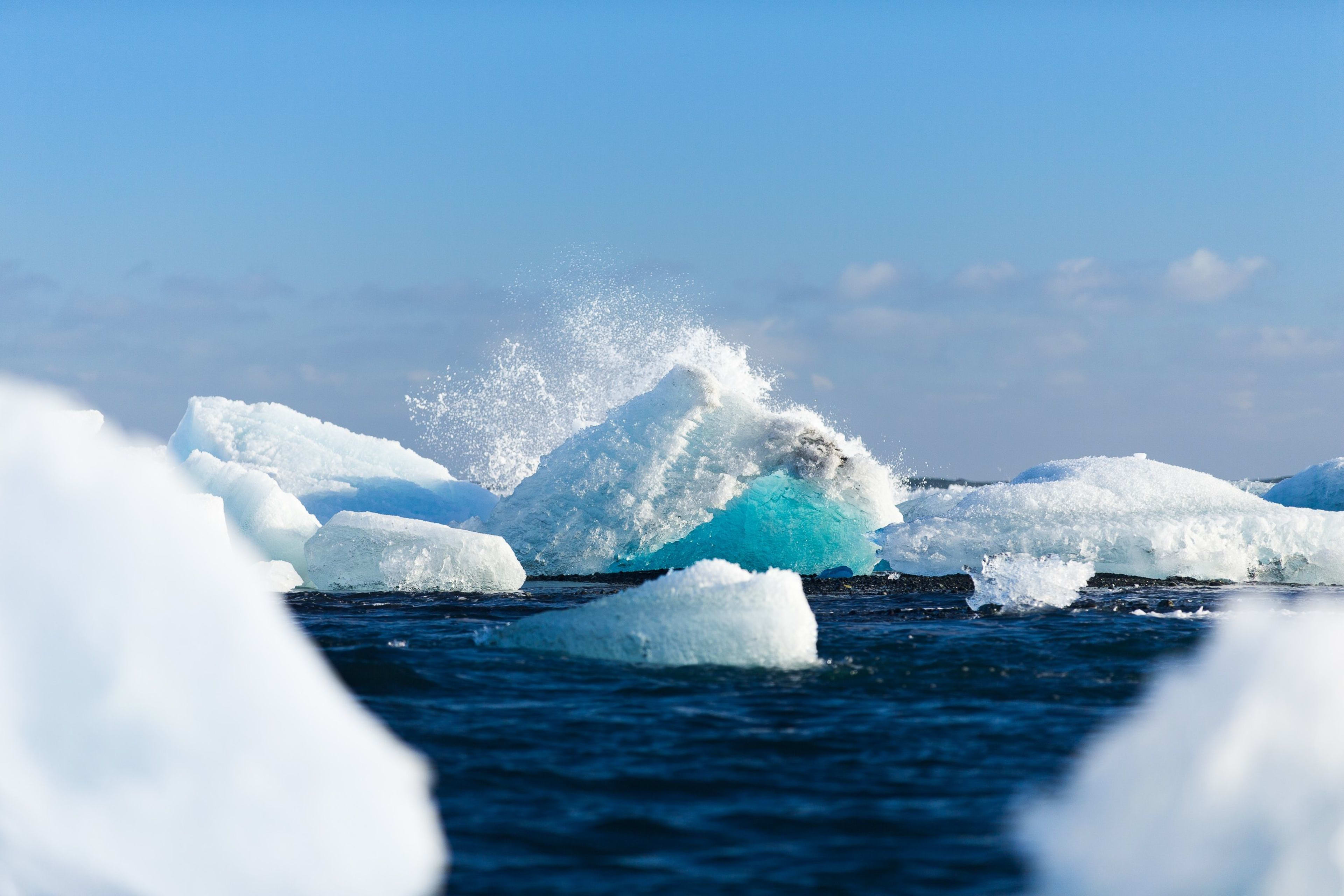
Iceland's off-season
It's often said that traveling to Iceland at the "right time" can save you a fortune. During Iceland's off-season, most expenses, including major costs like accommodation, airfare, and car rentals, are significantly cheaper than in peak season. Therefore, choosing the right time can make saving money much more efficient.
So when is considered the off-season for tourism in Iceland? Is the scenery less beautiful during the off-season compared to the peak season?
Based on past experience, April, May, and November are the off-season in Iceland, while June to August is the most expensive time to travel there. However, due to the booming tourism industry in the last two years, there is no longer a clear off-season, but prices in April and May may still be relatively cheaper.
As for which season is best to visit Iceland, each season has its own advantages and disadvantages. Iceland's summer is very popular due to its long days, midnight sun, pleasant temperatures, and easy driving conditions. While Iceland's winters are often characterized by slippery roads and storms, they are also popular because of the aurora borealis (generally from September to April), blue ice caves, vast snow-capped mountains, and opportunities for ice and snow sports. Therefore, unless there are specific needs (such as seeing the aurora borealis, blue ice caves, or observing certain bird species), Iceland is suitable for travel year-round.
It is important to note that, if possible, try to avoid major domestic and international holidays such as Christmas, New Year's Day, National Day, and May Day, as prices rise and accommodations become more difficult to book during these times.
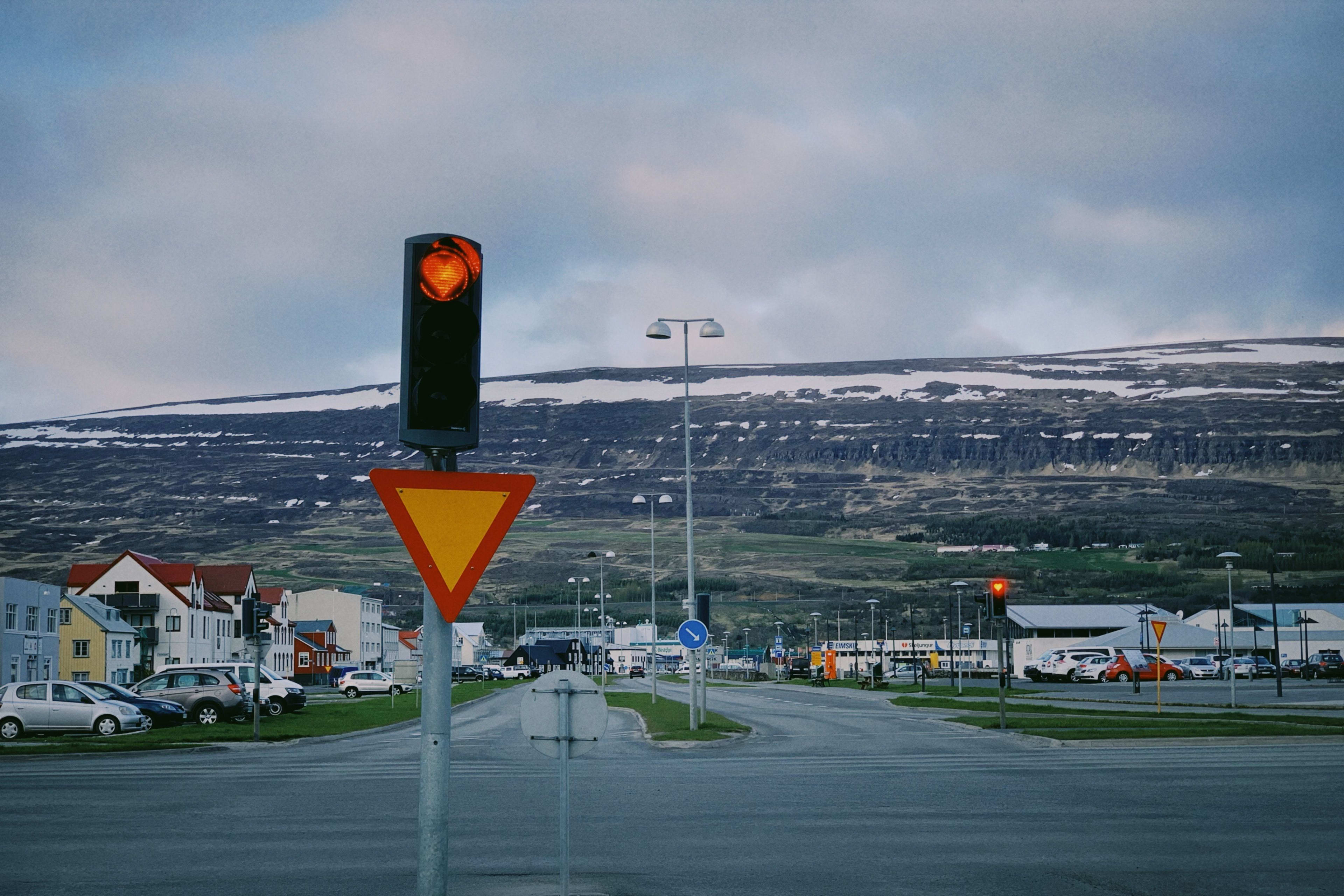
Iceland luggage
Packing your luggage properly can not only avoid unnecessary purchases, but also ensure a smooth trip to Iceland.
Visitors to Iceland during the winter need to be especially mindful of rain, snow, wind, and cold weather; Iceland is generally not as cold in the summer, but due to the changeable weather, preparations are still necessary.
High-quality clothing and winter gear are readily available in Iceland, but prices are high. Therefore, unless you plan to do your own shopping in Iceland, be sure to bring enough clothing, shoes, hats, gloves, etc. Even a simple knitted hat can cost over 400 yuan in Iceland. For specific dress codes, please refer to the article: Dressing in Iceland .
Therefore, it's advisable to make a checklist based on your itinerary when packing to ensure nothing is forgotten. Find out in advance what you'll need for any activities you plan to do during your trip to Iceland (such as snorkeling, skiing, bird watching, thermal baths, camping, etc.). Equipment like binoculars, swimwear, towels, trekking poles, and sleeping bags don't need to be purchased again in Iceland.
It is recommended to bring protective gear (such as a waterproof bag) to protect valuable items (such as cameras and mobile phones). Those driving are advised to bring a phone holder.
Bringing a quick-drying towel is recommended. Iceland is rich in geothermal resources, and hot springs are a must-see attraction, but most hot springs do not provide towels or require rental. Therefore, bringing your own might be a wise choice.
In summer, it's recommended to bring an eye mask, sunglasses, and sunscreen. The midnight sun can make it difficult to fall asleep at night, and many hotels don't have blackout curtains, making an eye mask especially important. You can also pack a clip to help secure gaps in the curtains.
Iceland travel
Itinerary based on the number of people
The booking process may vary depending on the number of people.
Please note the number of guests required for your Icelandic hotel stay. Booking may be more complicated if the number is odd (e.g., 3 people) than if the number is even. This is because many hotels do not have triple rooms, so you will need to book a double room and a single room. The single room often requires you to pay the difference in price, making the price higher when split between the two.
In addition, different vehicles can carry different numbers of people. Four-wheeled cars can generally only carry 2-3 people (the size of the vehicle and the amount of luggage vary). If you are traveling alone, it may be cheaper to join a tour group than to drive yourself.
We advise against hiring a local driver/guide on the fly, as labor costs in Iceland are very high, and this is not cheaper than joining a tour or driving yourself. If you want to drive yourself but don't want to do a lot of planning, you can also book our self-drive package. Forest Cat Travel will book the vehicle and hotel, and provide an itinerary.
Related itinerary:
Airfare
Regarding flights to Iceland, it is essential to book in advance. Generally, round-trip tickets to Iceland become more expensive closer to the departure date, and prices rarely drop.
Secondly, when buying tickets, you must pay attention to the layover time (generally 3 hours is enough, 1 hour is too tight), the total flight time (too long will delay your trip), and the airline's additional fees (such as checked baggage allowance, carry-on baggage restrictions, whether there are free meals and drinks), etc.
There are no direct flights from China to Iceland; all flights require transfers in different locations. However, if you are departing from other Nordic or European countries, such as Denmark, Finland, the UK, France, Germany, the US, or Canada, there are many direct flight routes available, and prices in Europe are generally lower than those departing from China.
Additionally, domestic flight booking platforms don't offer a comprehensive list of Iceland routes. It's best to check the official websites of major airlines, including Icelandair, Scandinavian Airlines, Finnair, easyJet, and Juneyao Airlines. Keep an eye on their promotional activities; sometimes there are special offers (off-season). Of course, third-party platforms may occasionally hold large promotions, at which time ticket prices may be lower than on the official websites. Therefore, it's recommended to compare prices from multiple sources before purchasing. Furthermore, for domestic departures, choosing Shanghai or Beijing is generally cheaper and offers more flights.
If you book any transatlantic flight with Icelandair, you can also make a "stopover" in Iceland for up to 7 days at no extra cost. This is a great way to save on airfare and visit multiple destinations, but there are many time restrictions. For specific advice and precautions, please see the article : How to Buy Flights from China to Iceland .
Car rental
First of all, car rentals in Iceland still need to be booked in advance. The later you book, the higher the price and the fewer options you have.
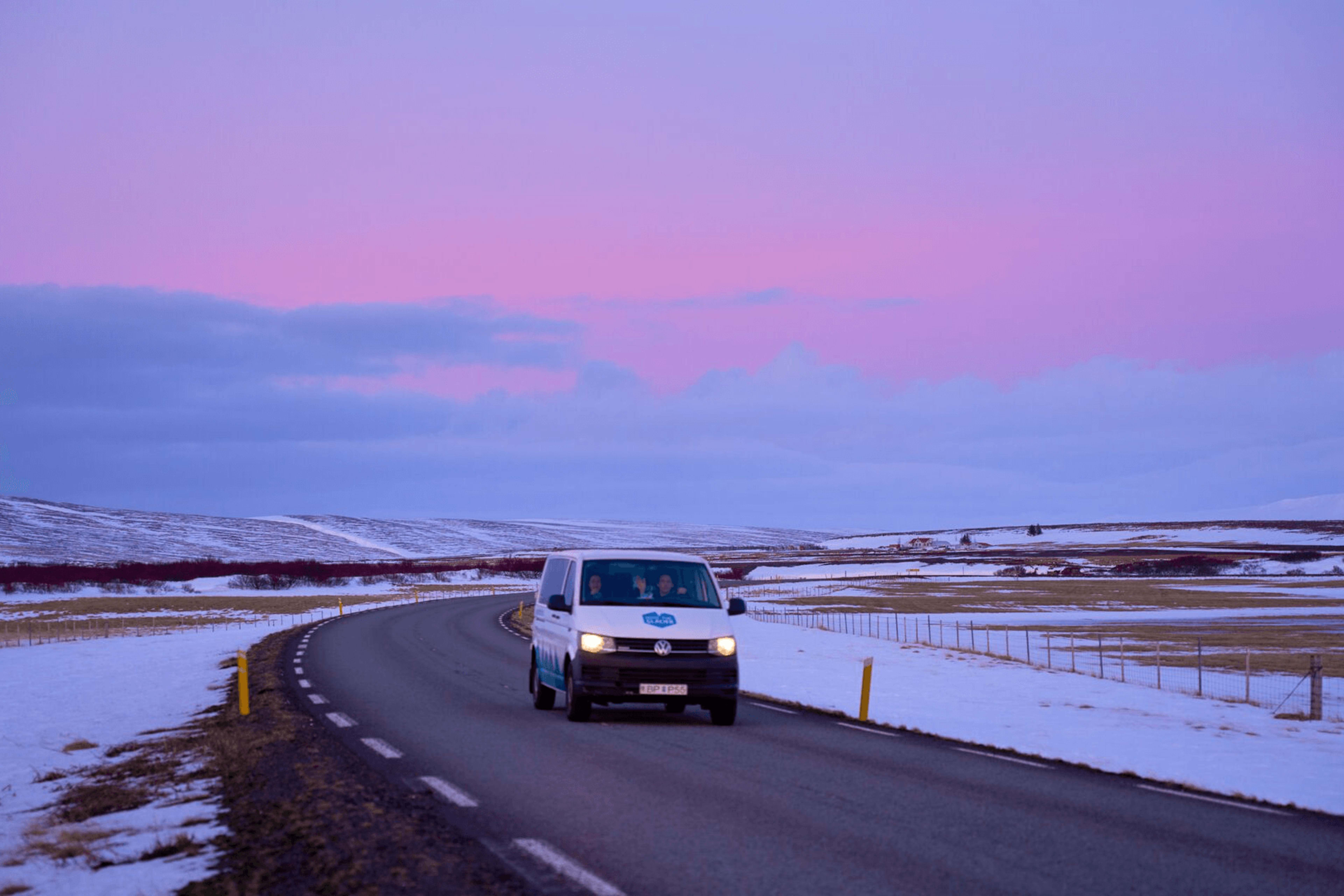
If your summer itinerary mainly focuses on southern Iceland, Reykjavik, the Golden Circle, and the Snæfellsnes Peninsula, then renting a 2WD vehicle is generally sufficient, as they are cheaper than 4WD vehicles. However, if your trip is scheduled for winter, or involves the north, the F-Route, or the inland highlands, then renting a 4WD vehicle is recommended. It's also advisable to rent a vehicle that suits your driving habits, and not to increase safety risks to save money.
Purchasing appropriate insurance when renting a car and regularly checking weather and road conditions are also essential. This not only helps ensure the safety of travelers but also avoids vehicle damage and hefty claims caused by severe weather and road conditions.
Another way to reduce your budget is to minimize the number of car rental days. First, in Iceland, rentals of less than 24 hours are counted as a full day, so please pay attention to the return time, return location, and rental company hours.
Additionally, consider whether you truly need a car for the entire trip. For example, you can book a shuttle bus to and from the airport in Reykjavik, and exploring Reykjavik's city center can be done entirely on foot, by bicycle, or by public bus. If you plan to include day trips, such as guided glacier hiking or bus tours to the highlands, you won't need a car. You can strategically schedule the parts of your trip that don't require driving at the beginning and end, utilizing public transport to explore the capital, Reykjavik, and minimizing your car rental time. However, note that rental companies typically offer pick-up at the airport or in the capital; please confirm the pick-up location in advance to avoid backtracking.
For more detailed information on driving in Iceland, please refer to the article: Iceland Driving Guide.
come on
If you're driving the entire way, you might consider using a fuel discount card.
In cities or towns with multiple gas stations, we can compare prices. The two main brands in Iceland are Olis and N1, but there are also other brands such as Shell, Skeljungur, and Orkan. In less populated areas, there are usually fewer options.
If you're renting a car or campervan, you can ask when you rent it if they offer fuel discount cards or fuel deals, as some rental companies have partnerships with gas stations. Alternatively, you can pick up a discount card at the gas station; for example, Olis's discount card offers a 3% fuel discount and a 10% restaurant discount.
It's important to note that many gas stations are unmanned in smaller towns and outside of normal working hours, so it's advisable to bring a credit card.
For more information, please refer to the Iceland self-driving refueling guide.
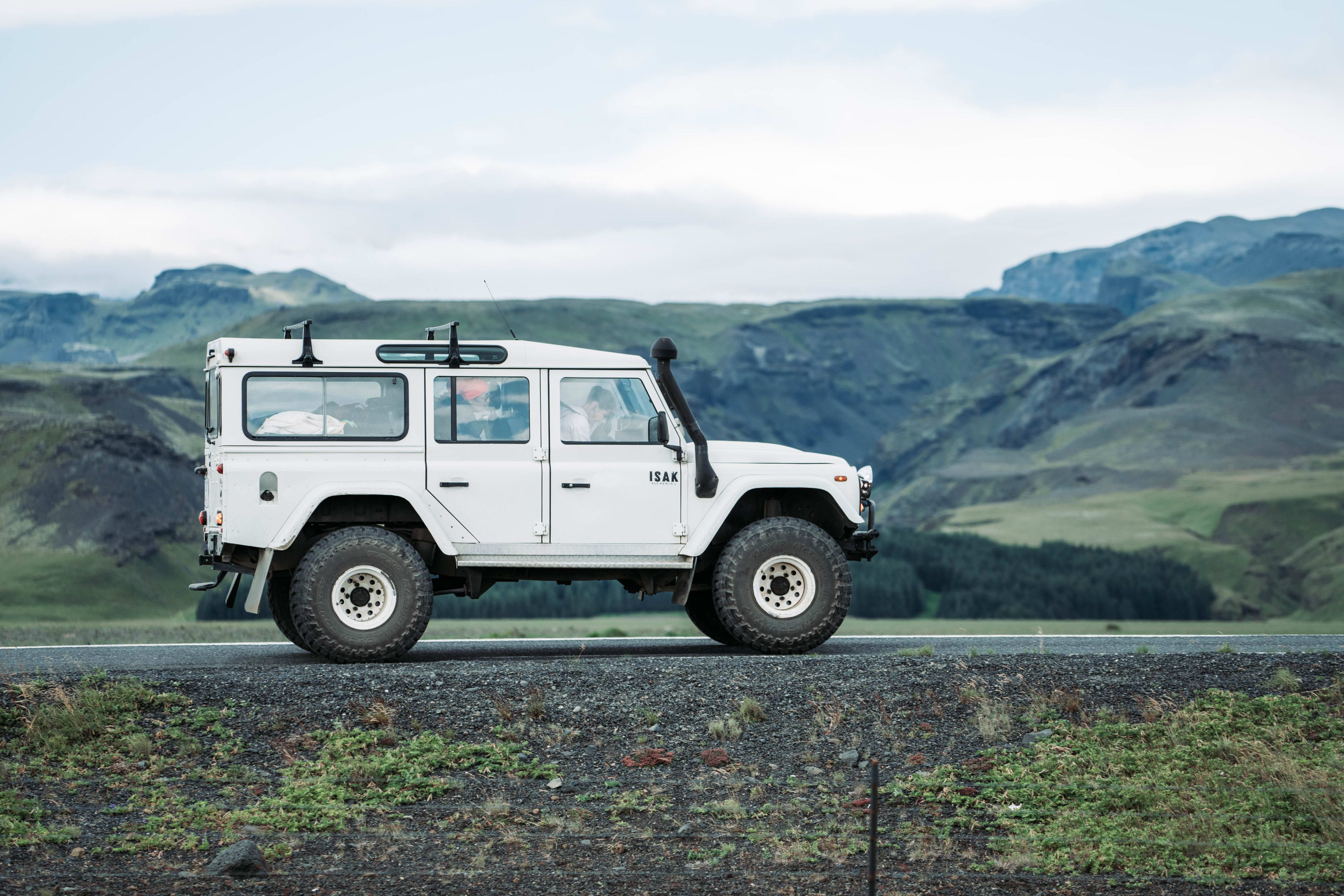
Public transport
Taking a taxi in Iceland is very expensive. The starting fare is around 35-50 RMB, and it's about 15-25 RMB per kilometer. Therefore, you might want to consider using public transportation in Iceland when appropriate.
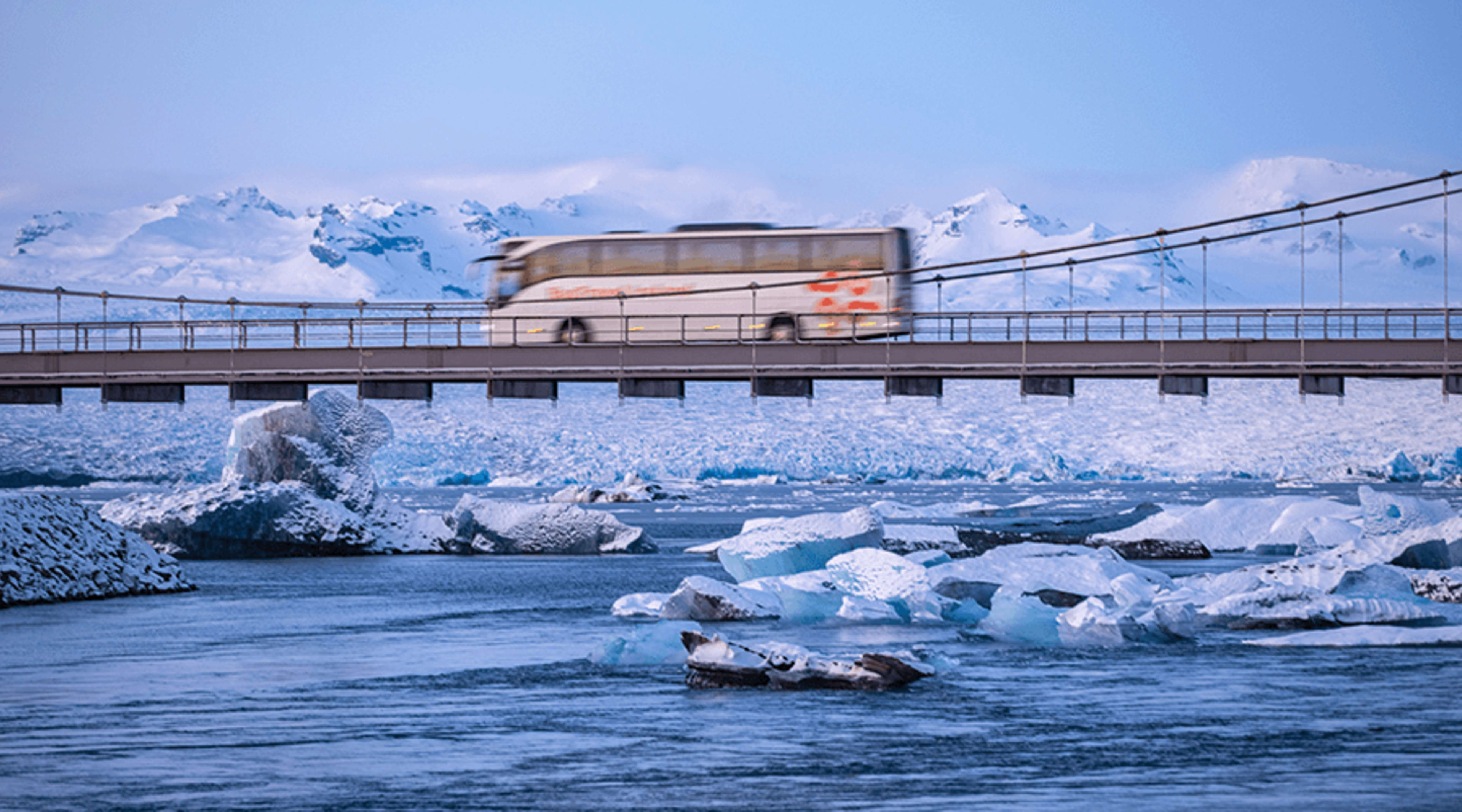
Keflavik International Airport (KEF) is 50 kilometers from Reykjavik. If your car rental company is not located at the airport, you can take the airport shuttle bus. For larger groups, taxis are an option. The Strætó public bus service also operates several daily trips between the airport and the capital, and children under 11 ride for free. Strætó also provides bus services in Reykjavik and other towns throughout the country.
You can plan your bus route through the website or using the official app . Please note that while buses operate year-round, not every bus runs every day of the year; you need to check information in advance and plan ahead to ensure the bus arrives when you need it.
If you plan to use the buses multiple times in Reykjavik, you can also buy a bus pass. You can pay the fare to the driver on the bus (no change given) or pay in advance using the Stratoo mobile app. Passengers using the Reykjavik City Card can ride the buses for free.
For long-distance buses, you can pay for your ticket with a credit card. A South Shore Bus Pass is also available, covering many attractions on the South Shore, including Hveragerði, Seljalandsfoss, Skógafoss, Vík, Skaftafell National Park, and Jökulsárlón Glacier Lagoon.
Whether public transport is suitable depends on where you plan to go and what you plan to visit. While towns throughout Iceland are easily accessible, many tourist attractions, such as waterfalls and remote beaches, are not located near bus stops. Furthermore, public transport is inflexible in terms of schedule and frequency, and poor planning can disrupt your trip, making it counterproductive. Therefore, we recommend using public transport at airports and in towns like Reykjavik, and choosing other bus routes based on your individual needs.
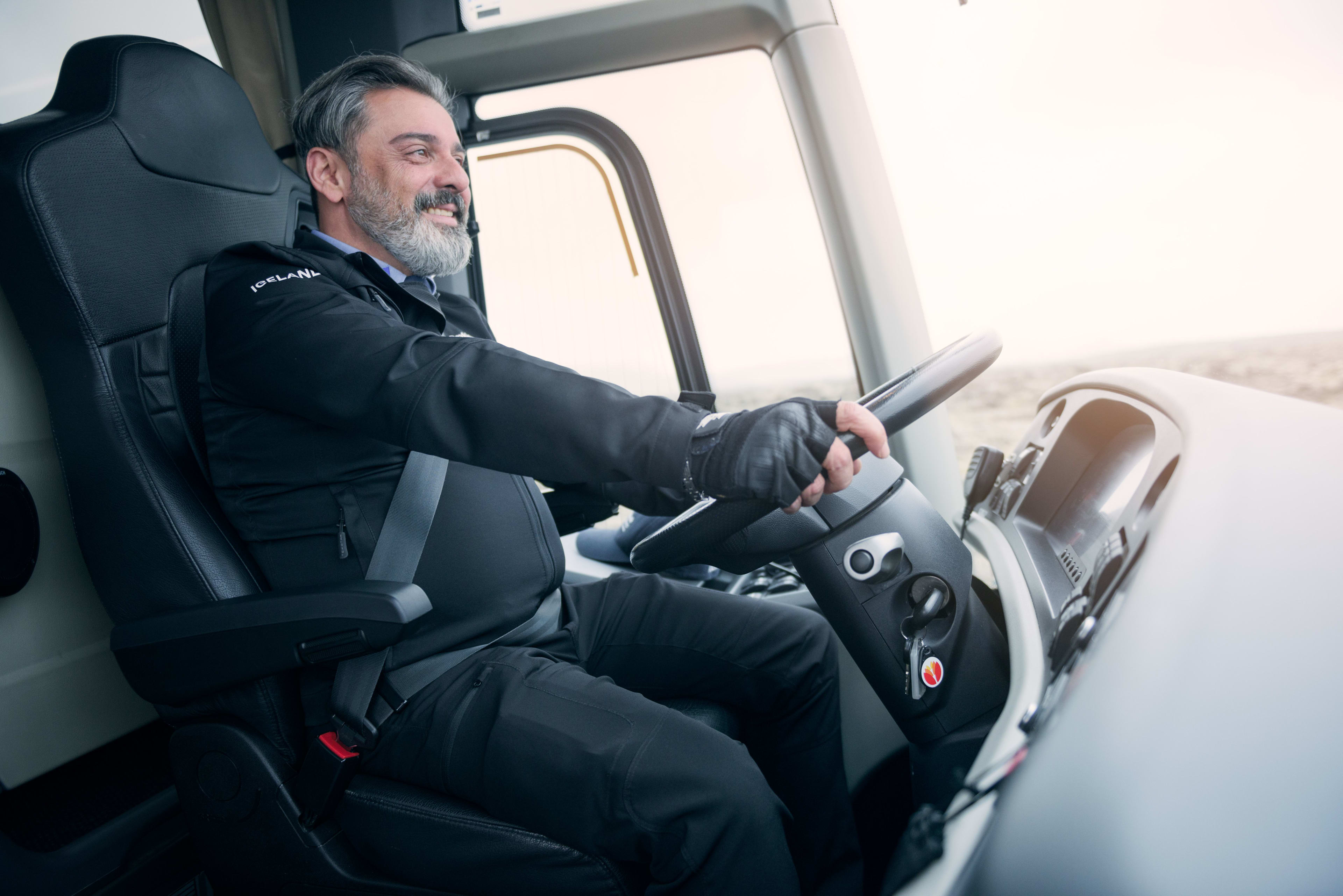
Icelandic cuisine
self catering
Food is one of the most expensive things in Iceland. Eating out, even the cheapest meals, will cost around 100 RMB per meal. A seated meal at a restaurant can easily cost at least 300 RMB.
You can also choose to cook for yourself, which will take some time, but it's cheaper than eating at a restaurant.
Iceland offers many self-catering options, including hotels, apartments, and campsites, suitable for those who want to cook for themselves. Most hotels and guesthouses do not allow guests to cook their own meals but offer complimentary breakfast; please check this when booking.
Some apartments, hotels, and campgrounds also offer laundry service options, which can help save on hotel laundry fees if you're traveling for a longer period.
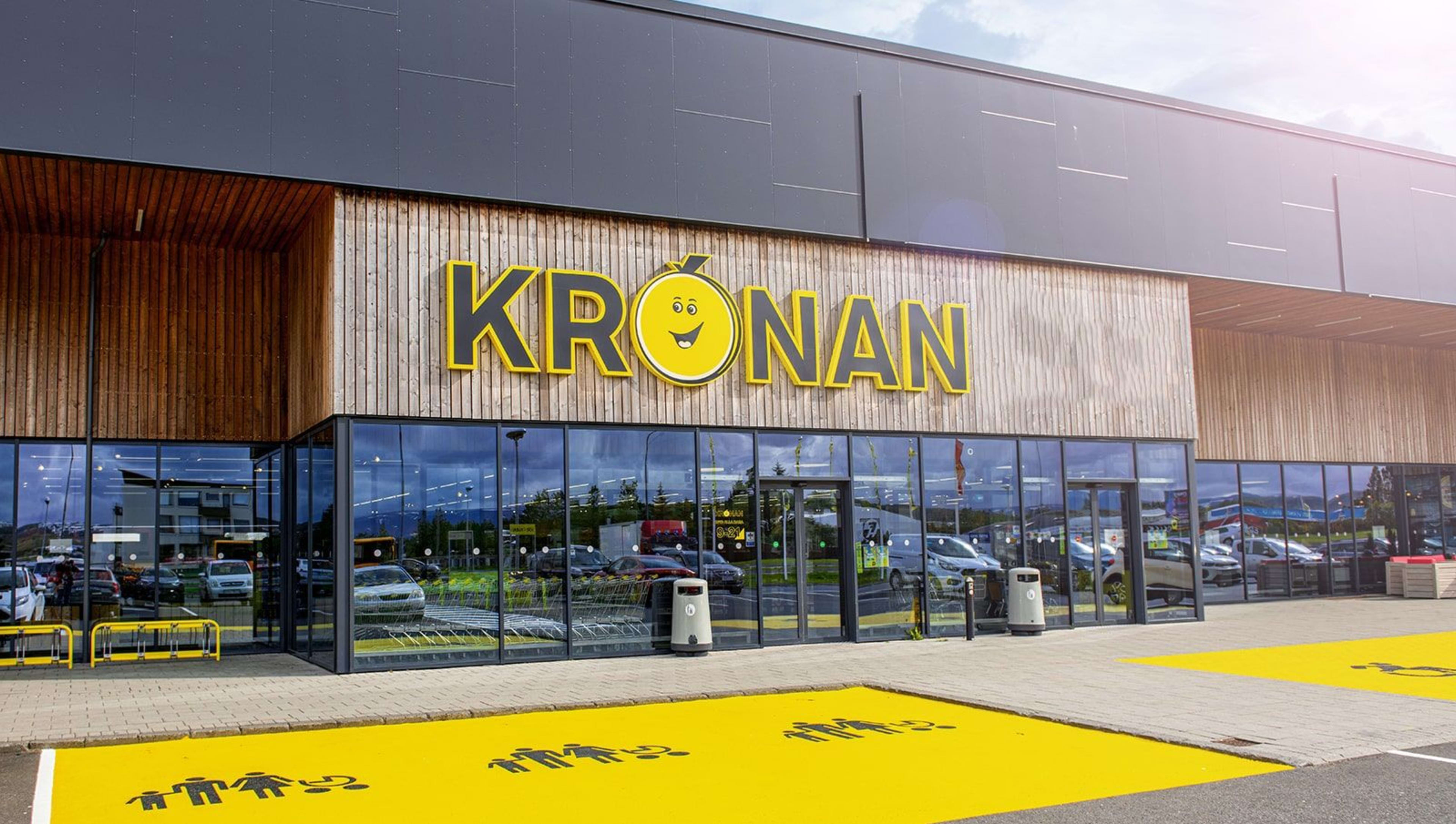
Regarding grocery shopping, Iceland has many budget supermarkets. Like most countries, you can save money in Iceland by shopping at lower-priced supermarkets or grocery stores, where goods are about 50% cheaper than in other stores. Recommended budget chains include Bónus, Nettó, and Kronan. Shoppers on a budget are advised to avoid 10-Eleven convenience stores, as they are generally much more expensive than other grocery stores in Iceland. More detailed supermarket and shopping guides can be found in the "Shopping - Supermarkets" section below.
Furthermore, Iceland places great emphasis on environmental protection and sustainable development; therefore, supermarket shopping bags are not free, and plastic bags are not allowed to be sold to customers. So, if you plan to shop frequently in Iceland, consider packing some reusable bags.
For those who enjoy tea and beverages, it's a good idea to bring your own tea bags. However, Icelandic coffee is actually quite good, costing around 20-30 yuan, which isn't more expensive than in China. Therefore, coffee lovers can try the local Icelandic coffee. If you'd like to learn more about Icelandic coffee culture, please refer to our other article: Icelandic Coffee Culture .

High-quality local food at reasonable prices
If you don't want to cook but still want to save money, consider looking for local restaurants with good value for money. However, please remember to maintain a balanced diet; don't sacrifice your health for saving money.
Throughout Iceland, the cheapest meals can be found in grocery stores (e.g., pre-made sandwiches, wraps, salads, snacks), fast-food chains, and local gas station restaurants. Many museums and tourist attractions have cafes or restaurants that also typically offer reasonably priced options such as sandwiches, soups, waffles, and cakes. Soup is usually the cheapest option on restaurant menus; common Icelandic soups include fish soup, Icelandic lamb soup, and mushroom soup.
Reykjavik is probably the best place in Iceland to find budget-friendly food. You can find cheap food at hot dog and sandwich stands, as well as grocery stores and fast food chains. Bæjarins beztu pylsur is a popular hot dog stand that has been serving hot dogs since 1937. You can get an Icelandic hot dog for around 20 riel.
In addition, lunch is generally cheaper than dinner, so if you want to treat yourself to a good meal during the day, you might as well schedule it for lunchtime.
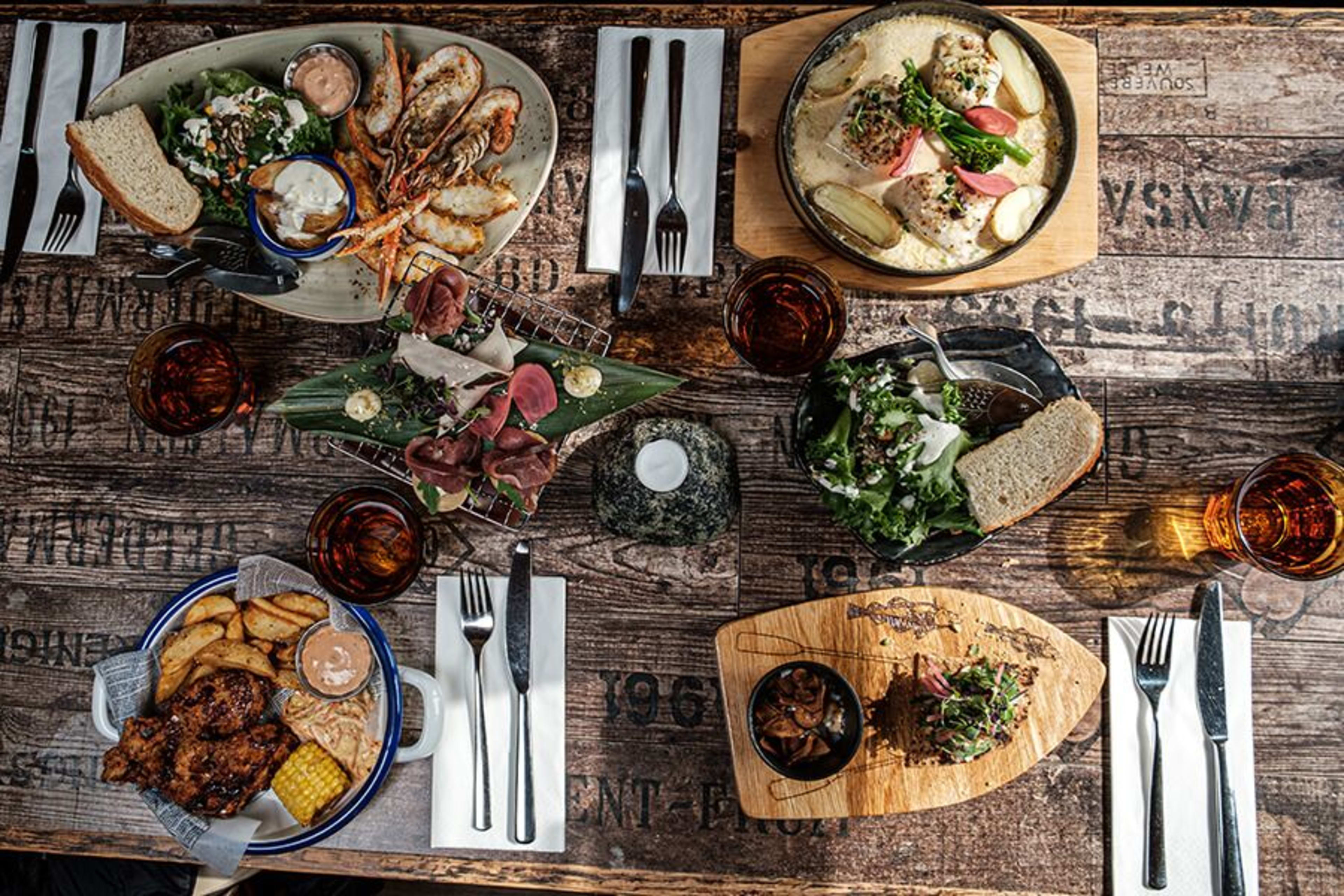
chain restaurants
Although Iceland doesn't have McDonald's or Starbucks, it does have many chain restaurants, such as KFC, Subway, Domino's, and Dunkin' Donuts.
Additionally, if you're already planning to visit an IKEA near Reykjavik, the food and alcohol prices there are relatively low. It's especially popular with families because they offer inexpensive children's meals.
However, please note that the prices at these familiar chains will still be higher than what you are used to paying, only relatively lower within Iceland.
Iceland Accommodation
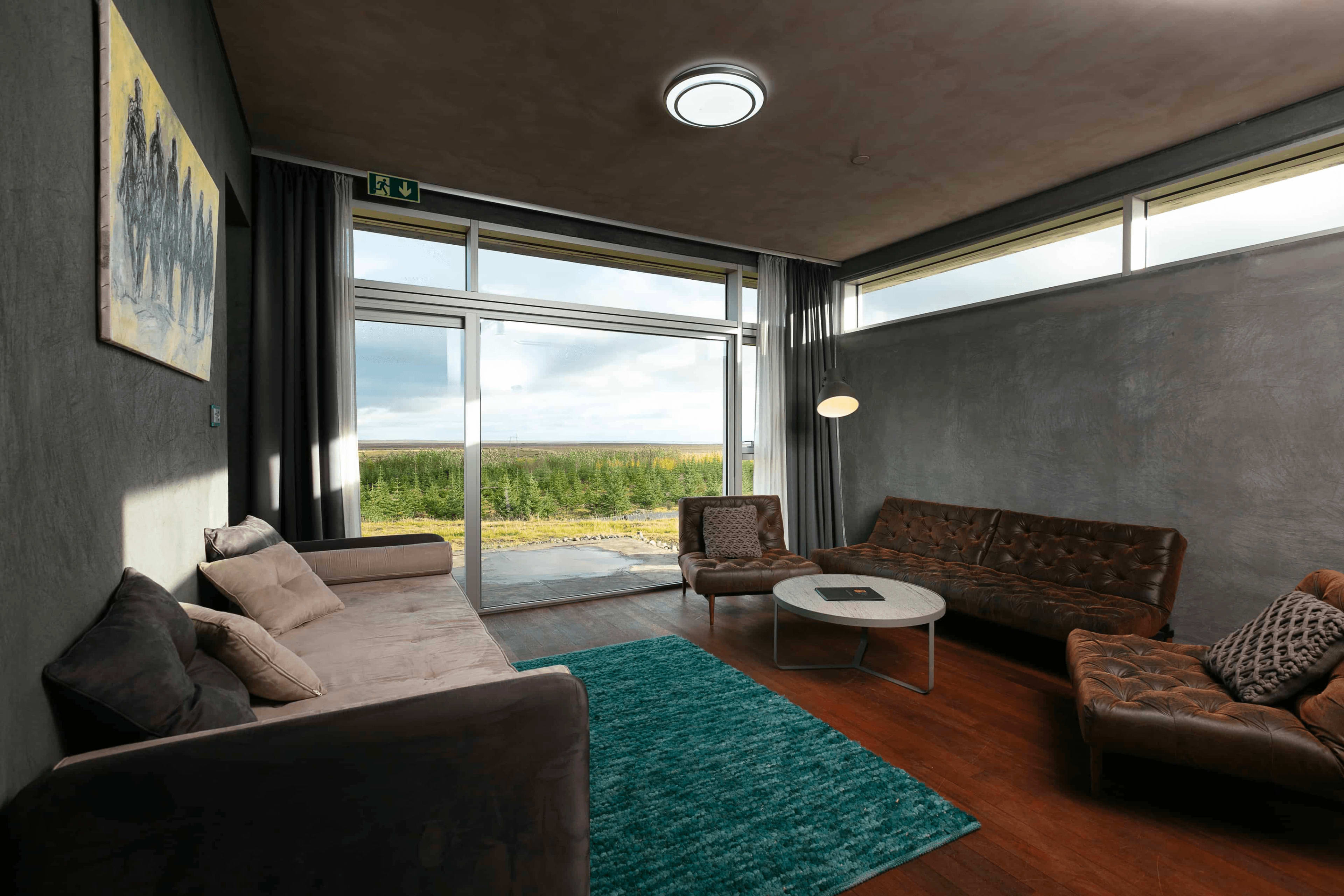
Iceland offers a variety of accommodation options, primarily consisting of hotels, guesthouses, holiday cottages, hostels, and guesthouses. Hotels are generally the most expensive, but usually include breakfast, offer consistent service, and have relatively convenient locations. Guesthouses, holiday cottages, hostels, and guesthouses are cheaper, but the quality of service varies greatly. Hostels often lack private bathrooms, and their location needs to be considered (if they are too far away, the cost of transportation may outweigh the benefits). Therefore, please choose rationally based on your needs. If your budget allows, you can also refer to our accommodation recommendations: Iceland's Unique Hotels.
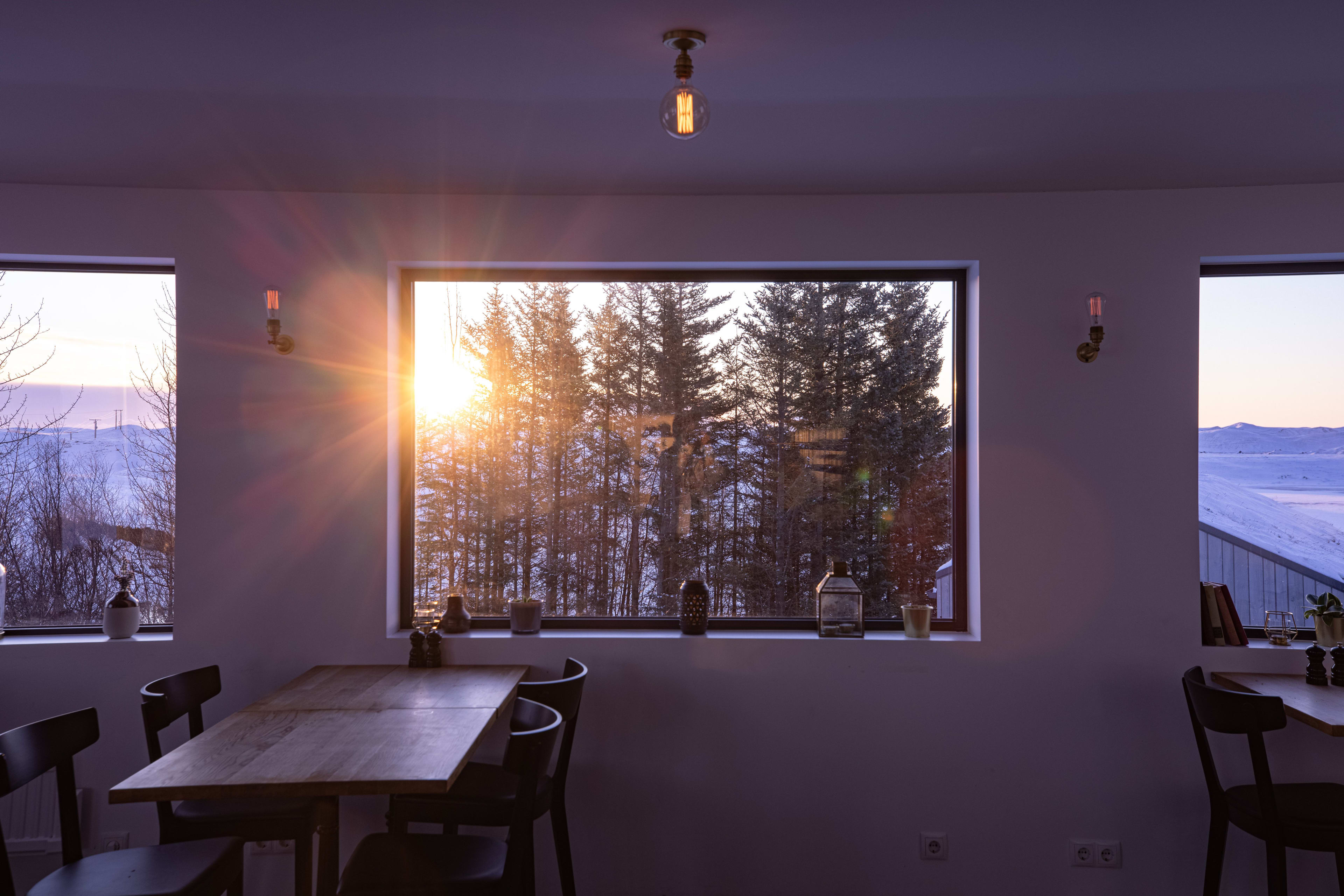
Book in advance
Once you've confirmed your dates and bought your plane tickets, you can start looking for accommodation. Booking your Icelandic accommodation in advance offers more options and saves money. Iceland is sparsely populated, and accommodation is limited, especially during peak season, when it can be very difficult to find a place to stay. Therefore, please be sure to book in advance; don't assume you can find accommodation as soon as you arrive in Iceland, or you might find yourself without a place to stay.
If you're not entirely sure about your travel plans, you can choose to book cancelable accommodations in advance. Most hotels, guesthouses, or apartments in Iceland allow cancellation up to a specific date (usually 24 hours to a week in advance, depending on the hotel).
Price comparison across platforms
Common booking platforms for accommodations in Iceland include Booking.com, Hostel World, Vrbo, Airbnb, and the Icelandic homestay booking website Bungalo. Alternatively, you can book directly through the hotel's official website. Generally, direct booking is cheaper because it avoids the platform's service fee. However, platforms may offer discounted rates through partnerships or promotional activities, so comparing prices from multiple sources is essential to saving money.
In addition, most platforms will issue coupons, discount codes, and new user coupons under certain conditions. Being good at taking advantage of the platform's discount rules (multiple people booking rooms separately, claiming coupons from each other, etc.) can also save you a lot of money.
camping
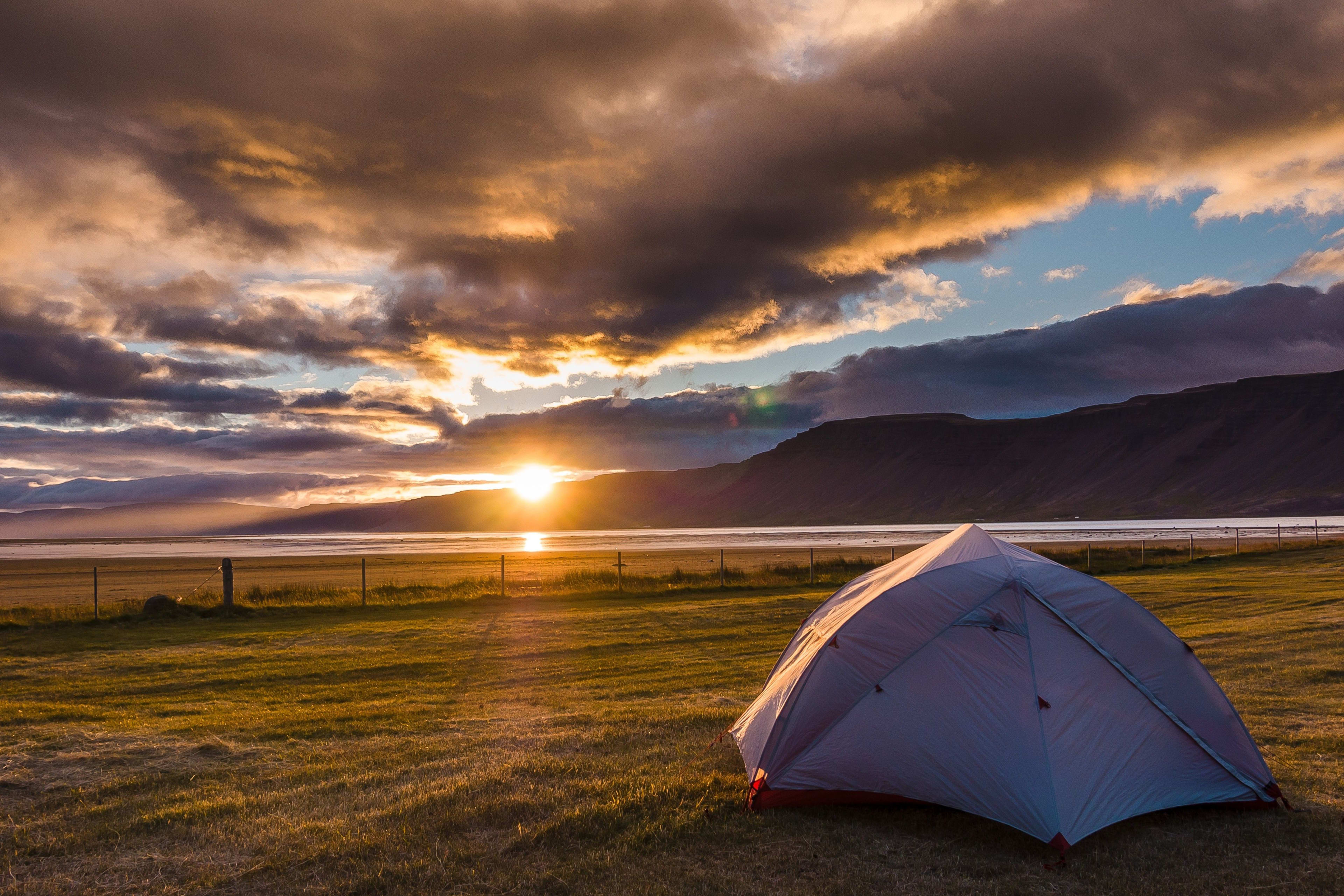
Camping in campervans, RVs, or tents instead of hotels might be a good way to save money while traveling in Iceland. Campsites cost approximately 50-150 RMB per person per night, plus a small overnight tax (less than 20 RMB per tent or campervan). Additional services such as laundry, waste disposal, and showers usually incur small extra charges. However, for your safety, this type of accommodation is only recommended for experienced campers and preferably only during the summer months. The rest of the year can be very cold and damp, making camping uncomfortable and unsafe.
It's important to note that with the increase in tourism and the growing environmental damage caused by campers, Iceland has stricter regulations on illegal camping. The new camping law aims to protect the environment, prevent traffic accidents, and protect private property. Whether using tents or campervans, camping is only permitted on designated campsites or privately owned land, and requires permission from the landowner. Camping indiscriminately in the Icelandic wilderness is illegal.
Additionally, the opening hours of campsites in Iceland are uncertain, and some close during the winter. Even when campsites are open, not all facilities are available in winter; some campsites close their kitchen and shower areas, offering only a tent space. It is advisable to check with the campsite in advance and prepare a Plan B, including finding contact information for hotels along the route, in case of sudden weather changes.
Most campsites do not accept advance reservations; space is allocated on a first-come, first-served basis. Therefore, it is best to know the location of the campsite in advance and not arrive too late during peak season, especially for travelers with specific requirements, it is best to arrive before evening (such as large RVs that need to connect to water and electricity).
youth hostels
For travelers who choose to stay in hostels, becoming a member of Hostelling International (HI) might save you some money.
Hostels typically cost at least 200 RMB per night, but members can enjoy discounts of 10% or more. Joining HI requires a membership fee, and whether you break even depends on the number of nights, number of people, and cost. HI members may also receive different discounts on car rentals and museum tickets; details can be found on the official website.
Couchsurfing
Iceland has a very active Couchsurfing community. Couchsurfing is one of the best ways to gain local insights, meet great people, and find cheap (or even free) accommodation. However, please be aware of safety precautions before checking in and make sure you know how many people and what their group will be.
Please carefully review the landlord's profile and references; trust your intuition, and if the communication process makes you feel worried or uncomfortable, you are free to leave and do not be ashamed to state your reasonable requests; in addition, just in case, please make a backup plan, determine the address of the nearest hotel or guesthouse, and report to your emergency contact.
Of course, please do your research before checking in to ensure you understand the local culture and religious differences.
Iceland travel
Scenic spot package
Generally speaking, it's cheaper to buy a package ticket for a attraction than to buy tickets individually. If you have a confirmed itinerary, you can consider buying a package ticket.
Reykjavik City Card
If you plan to visit more than two museums in Reykjavik in one day, consider getting a Reykjavik City Card ( order online and pick it up at Reykjavik City Hall). With it, you can enjoy free entry to most of Reykjavik's museums and galleries, including the National Gallery and Museum, the zoo, the Árbær Open Air Museum, free ferry rides to Viðey, Reykjavik public transport, and access to the capital region's seven thermal spas. Additionally, you can get discounts at various restaurants, shops, cafes, and on city tours.
Niche hot springs
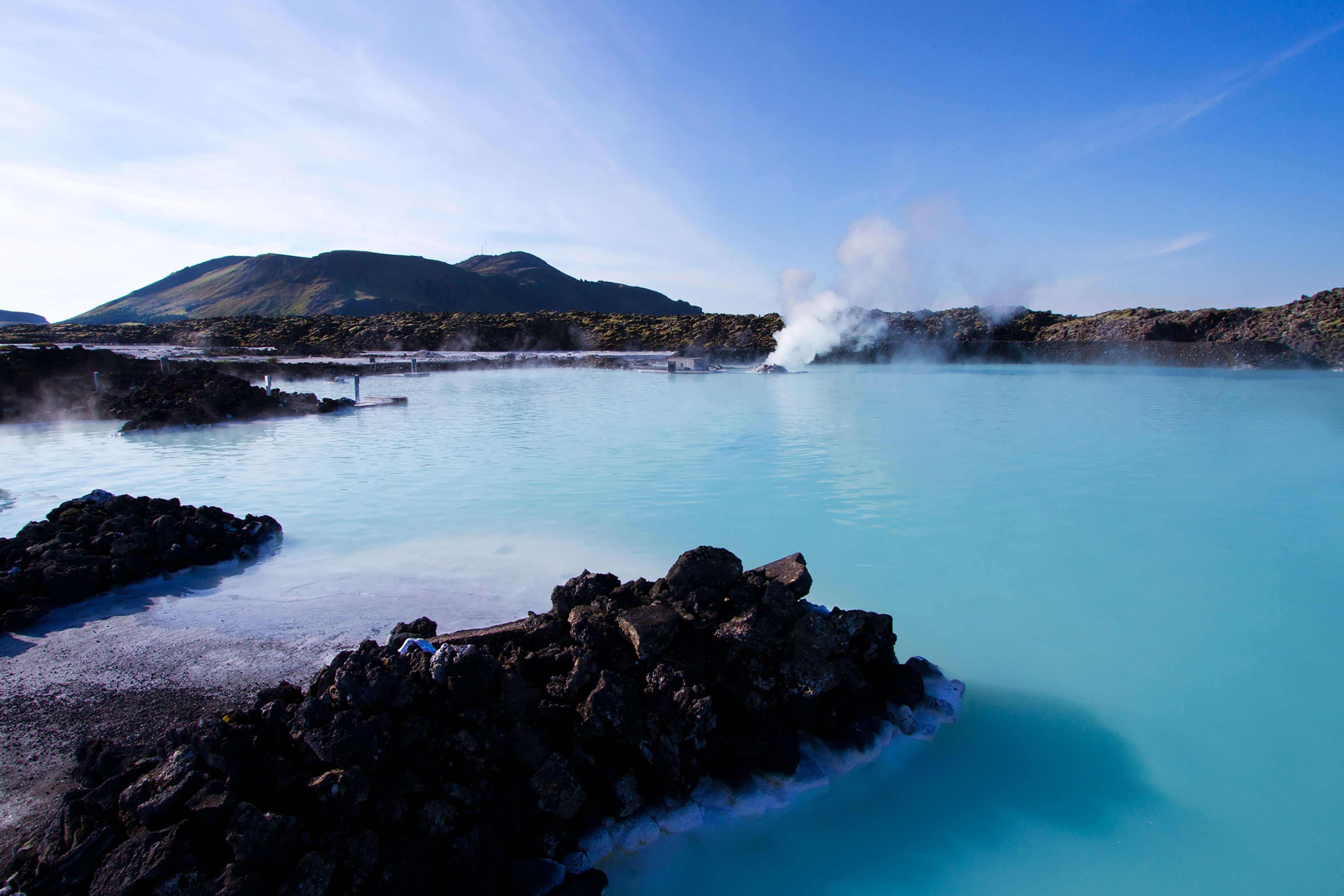
The Blue Lagoon has become incredibly popular on social media in recent years, almost a must-visit attraction in Iceland. However, Iceland boasts abundant geothermal resources, including many scenic hot springs, some of which offer even better value and privacy than the Blue Lagoon (cheaper prices, fewer tourists). If you're open to exploring less-traveled hot springs, Iceland offers numerous options, such as secluded hot springs and the many hot springs in spa towns.
For more details, please refer to the article: The Most Worthwhile Icelandic Hot Springs.
Free trip
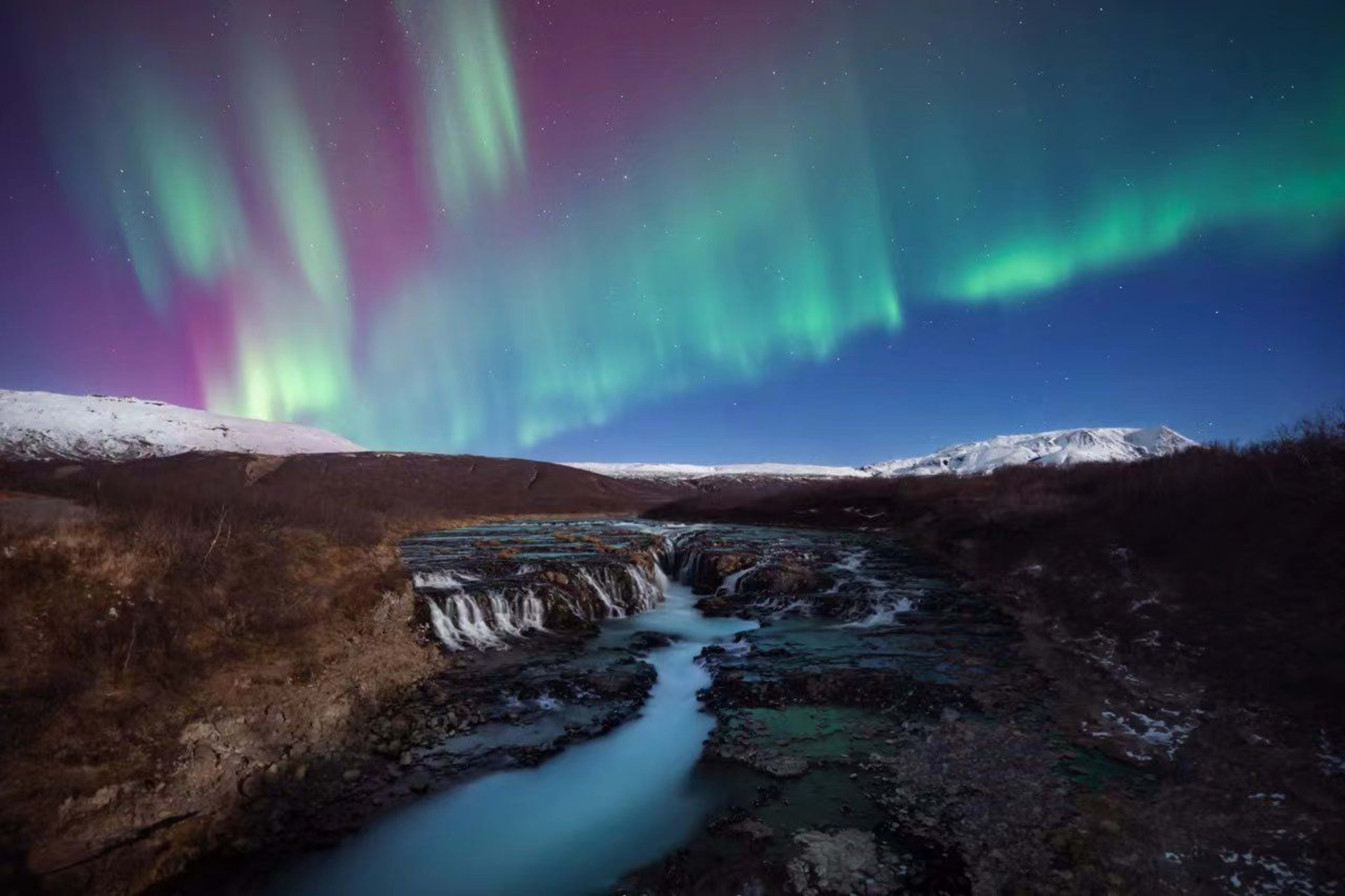
While many activities and venues in Iceland can be expensive, most attractions are free, such as waterfalls, beaches, gardens, public art installations, churches, monuments, and lava fields. You can make time for free (or low-cost) outdoor activities like hiking, swimming, aurora hunting, bird watching, mountain climbing, cycling, or picnicking. For a more scientific approach to aurora hunting or bird watching, refer to the articles: The Most Comprehensive Guide to Aurora Viewing in Iceland and A Year-Round Birdwatching Guide in Iceland .
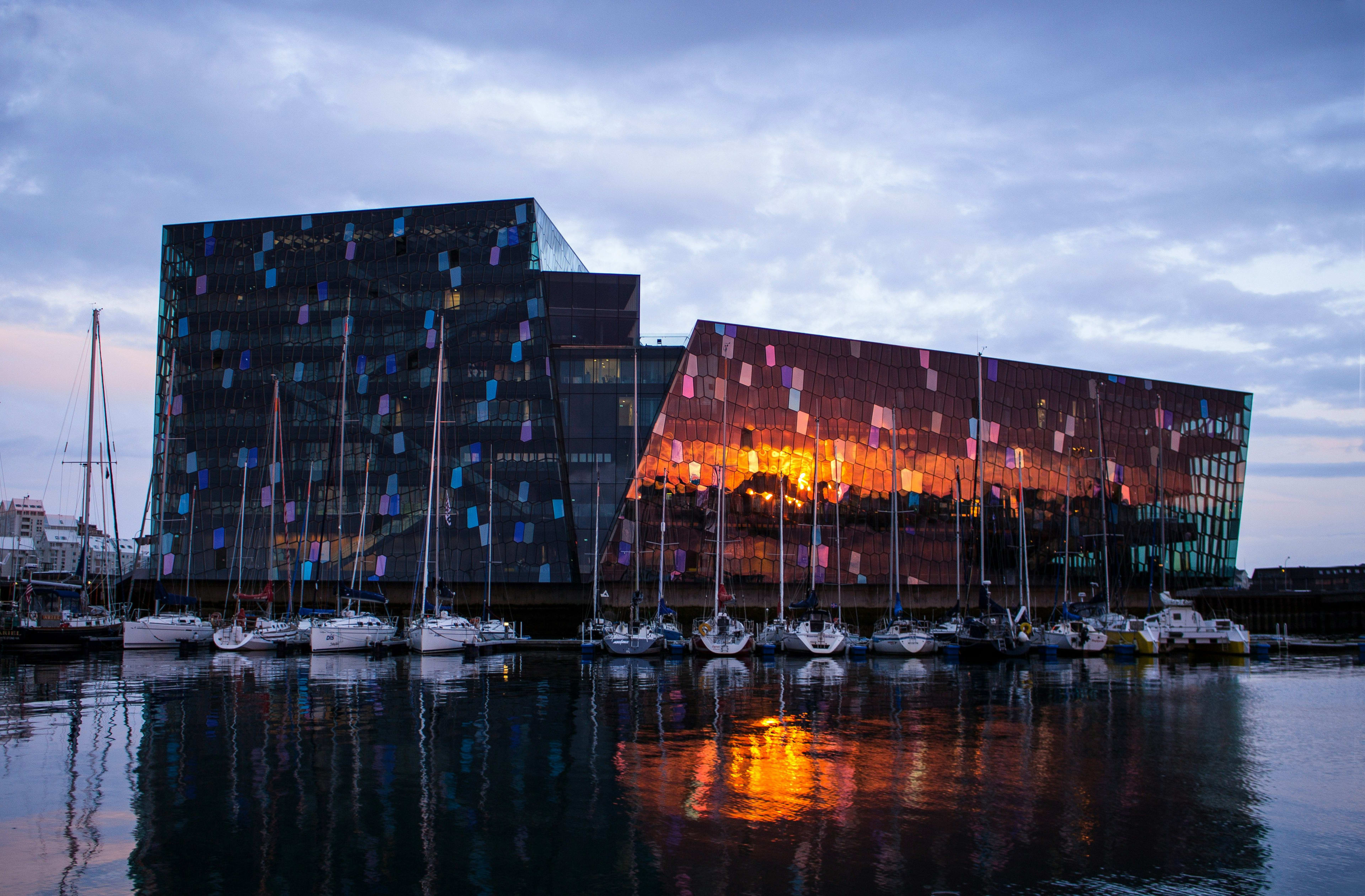
In Reykjavik, the capital of Iceland, there are many free or inexpensive things to do. For example, you can take a city walk to see Hallgrímskirkja (free admission, but climbing the tower requires a small fee), the Sun Voyager or Harpa Concert Hall, go hiking around Öskjuhlíð, or explore the Kolaportið flea market on weekends. Almost every town in Iceland has public city swimming pools, which are inexpensive and a great place to meet locals.
If you have booked a hotel, you can also take full advantage of any facilities offered. Some hotels provide free on-site hot tubs and spas, swimming pools, binoculars (which can be borrowed for birdwatching), or free bicycle or canoe rentals.
Additionally, be sure to check for free museum days, festivals, concerts, or other events that may occur during your trip. In cities like Reykjavik and Akureyri, there are almost always free things happening, especially on summer weekends!
Shopping in Iceland
Buying alcohol at a duty-free shop
Due to high taxes and import fees, alcohol is very expensive in Iceland, and drinking it, whether in stores or at bars and restaurants, is not cheap. In fact, Iceland currently has some of the highest alcohol prices in the world. The best way to save money is not to drink, although I understand that this is sometimes difficult to do :), so we can try to find the cheapest way to drink.
First, in Iceland, you can only buy alcohol at the airport duty-free shops and state-run stores called Vínbúdin; grocery stores and gas stations do not sell alcohol. Also, you must be at least 20 years old to purchase alcoholic beverages in Iceland. The cheapest alcohol is usually found at the airport duty-free shops, so consider buying your alcohol at Keflavik International Airport upon arrival.
Additionally, buying a whole bottle of spirits or a six-pack of beer is usually cheaper than buying individual drinks at a bar. If you'd like to go to a bar, download an app called "Appy Hour," which aggregates information on happy hour times, locations, and deals in major towns like Reykjavik and Akureyri. Sometimes you can even get a whole night of drinks for just 35 yuan!
It's important to note that driving under the influence (DUI) is illegal in Iceland, and you will be arrested even if your blood alcohol content is very low. Please, never drink and drive.

Direct drinking water instead of bottled water
Drinks are expensive in Iceland, but tap water is free throughout the country and is generally safe to drink. The quality of drinking water in Iceland is very high. Anywhere in Iceland, if you are unsure whether the water is safe to drink, you can ask a local. In some parts of Iceland, especially Reykjavik, hot water is pumped directly from the ground, so it has a sulfurous smell and is not suitable for drinking. However, cold water is generally safe to drink and has no odor or unpleasant taste.
In addition, in many cafes, gas stations, and fast food restaurants, water bottles are usually located in public areas for customers to drink from themselves. Carrying a reusable water bottle can not only save money but also reduce plastic waste.
Shopping at cheap supermarkets
Here is a brief introduction to some common supermarkets in Iceland:
1. Bonus Supermarket Chain: A well-known supermarket chain in Iceland that offers good quality products at low prices. Its logo is a pink pig.
2. Kronan supermarket chain: The advantages are that the prices are low and the variety of products is more complete than Bonus; the disadvantage is that the prices are slightly higher than Bonus.
3. Hagkaup Supermarket: The advantage is that it has a very complete range of products, from food to daily necessities; the disadvantage is that the prices are slightly higher, especially for food.
4. 10-11 convenience stores: Advantages include 24-hour operation; disadvantages include high prices. Not recommended.
5. Kvosin Supermarket: A small supermarket in downtown Reykjavik, mainly selling food. Prices are high, not recommended.
For detailed information, please refer to: Iceland's Most Comprehensive Supermarket Shopping Guide
Icelandic sweater
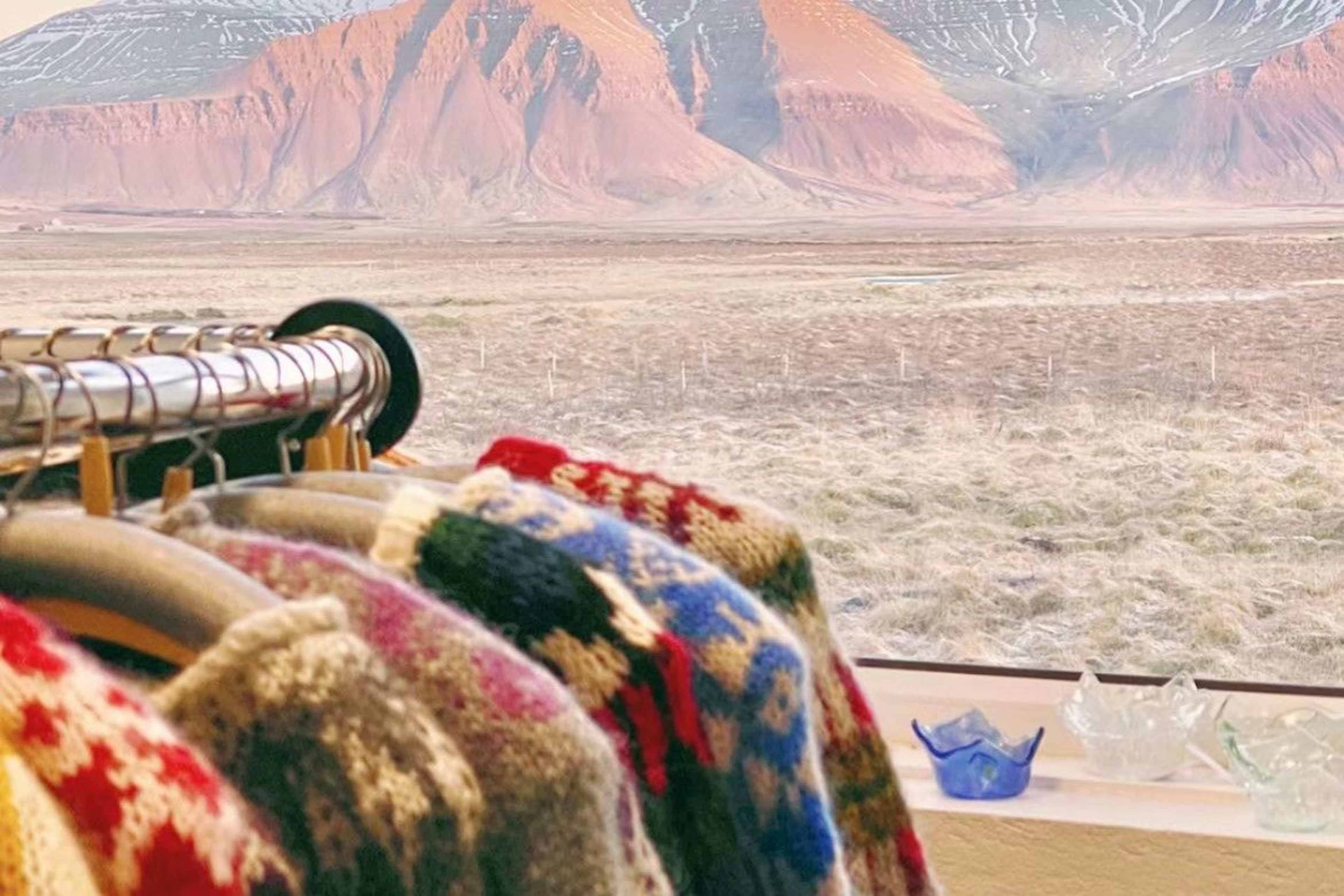
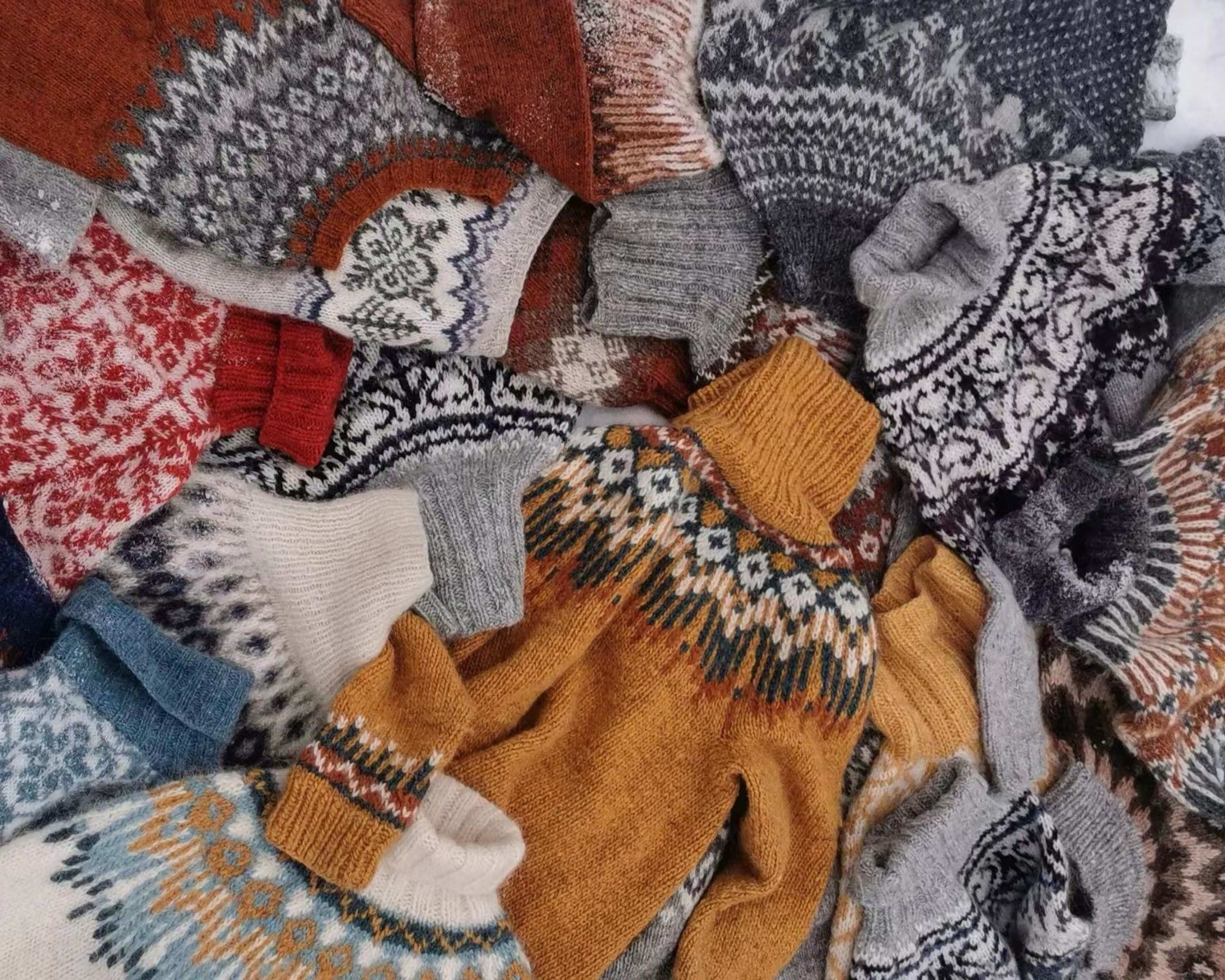
If you don't mind secondhand sweaters, consider visiting Reykjavik's flea markets. The items there are significantly cheaper than in downtown boutiques and have a more personalized style. The vendors are mostly grandmothers, and the different styles and patterns express the maker's unique perspective on Iceland; each piece is a testament to the maker's dedication to art. With careful browsing, you might find Icelandic specialties like traditional Icelandic sweaters and handmade items. However, goods purchased at flea markets are not eligible for tax refunds, and some shops only accept cash and do not accept credit cards.
Alternatively, you can find nice and affordable Icelandic sweaters in secondhand shops in Iceland. Secondhand sweater shops in Reykjavik include Wasteland, Red Cross Store, Spuutnik, and Fatamarkadurinn.
For a more detailed introduction to Icelandic sweaters, please refer to the article: Icelandic Sweater Culture.
66 North
66 North, one of Iceland's most popular outdoor brands, maintains a high level of quality while also offering excellent brand aesthetics. However, 66 North products are not cheap, deterring many travelers. If you're considering buying a 66 North item, consider checking out their factory outlet store. While they primarily sell past-season items, they offer good discounts.
Tax refund
Iceland's taxes are quite high, so getting a tax refund upon departure can save you money. Here are some details about the tax refund process:
First, you must present your passport or other valid identification document when requesting a refund.
Secondly, not all stores and all goods are eligible for tax refunds. Services such as tour packages, car rentals, restaurants, and hotels are not eligible for tax refunds. Some stores also exclude certain items from the tax refund program. You can ask the store clerk for details and request a tax refund form when making your purchase.
The tax refund is processed at Keflavik International Airport in Iceland. A self-service lane has been added, so there's no need to wait for the tax refund counter's opening hours. Please prepare the necessary documents before departure. It's recommended to process the tax refund before checking in your luggage, in case you are asked to present the goods when requesting the refund.
Summarize
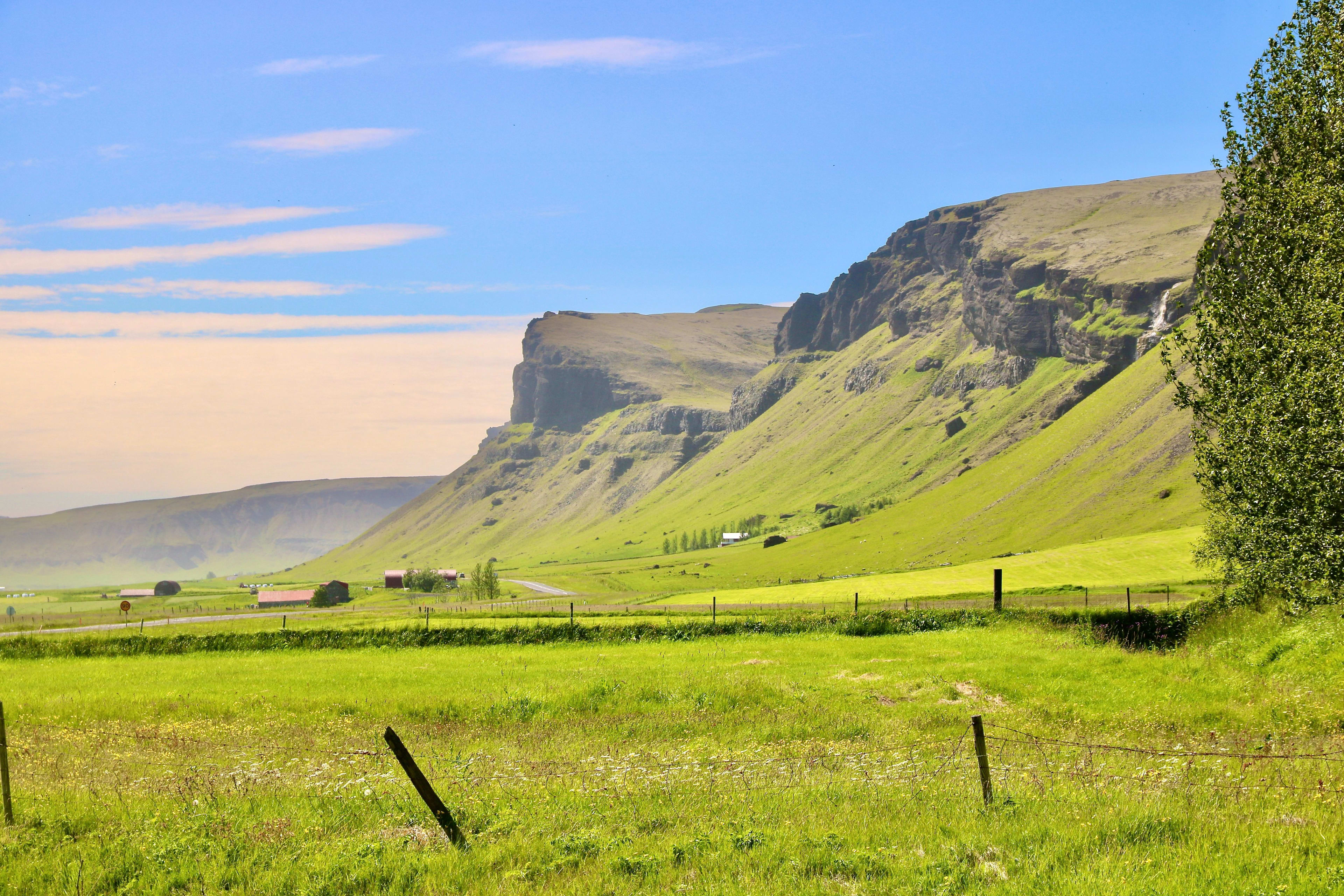
While Iceland is a high-priced tourist destination, its stunning scenery, including the Golden Circle, Diamond Beach, and Þingvellir National Park, along with experiences like snowmobiling, whale watching, and bird watching from the cliffs, makes it a popular travel destination. Budgeting and booking in advance, especially during the off-season, can save a significant amount of money. Of course, choosing a suitable tour group and planning your itinerary carefully are also good options to save time and money.
Related itinerary: