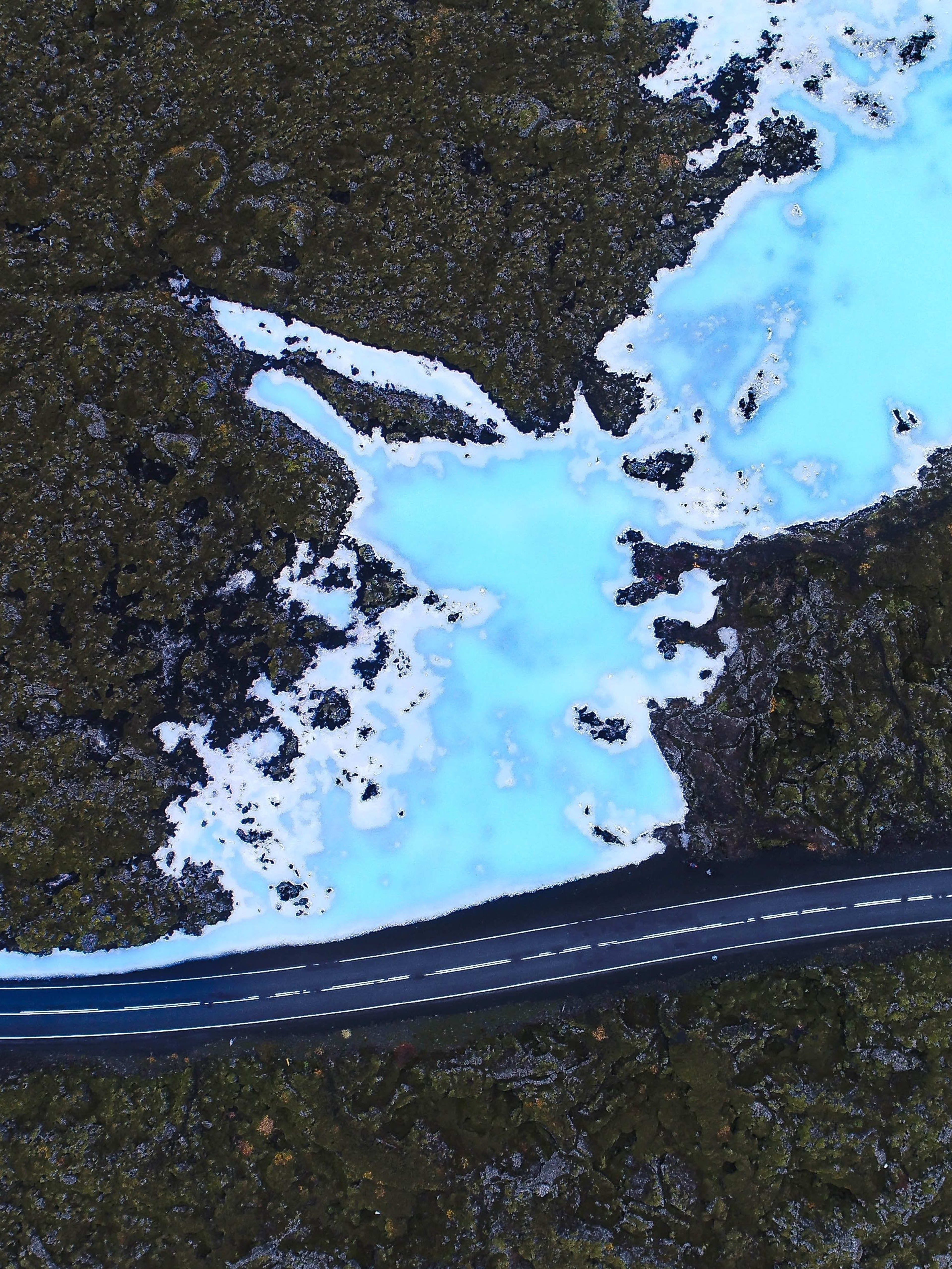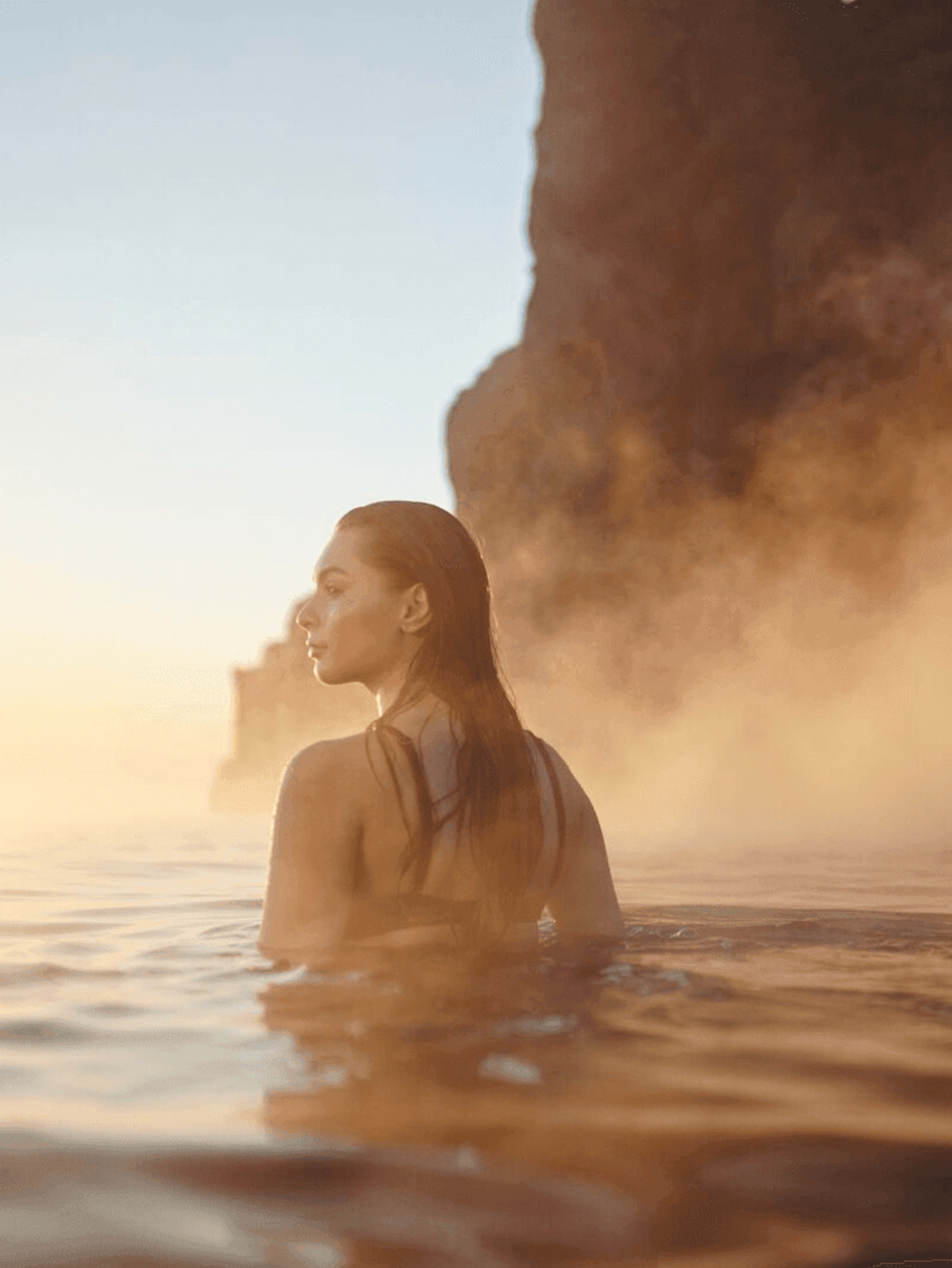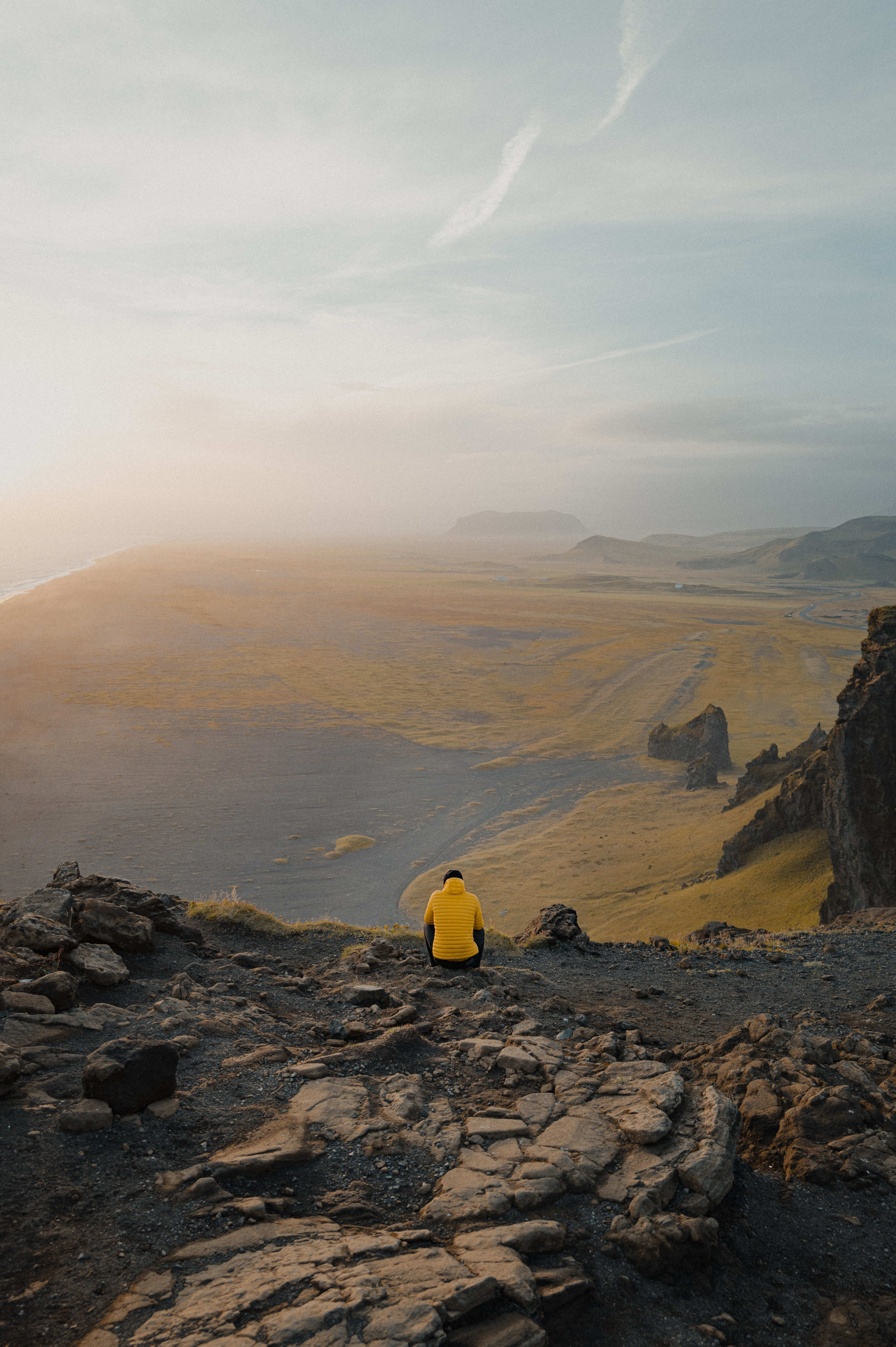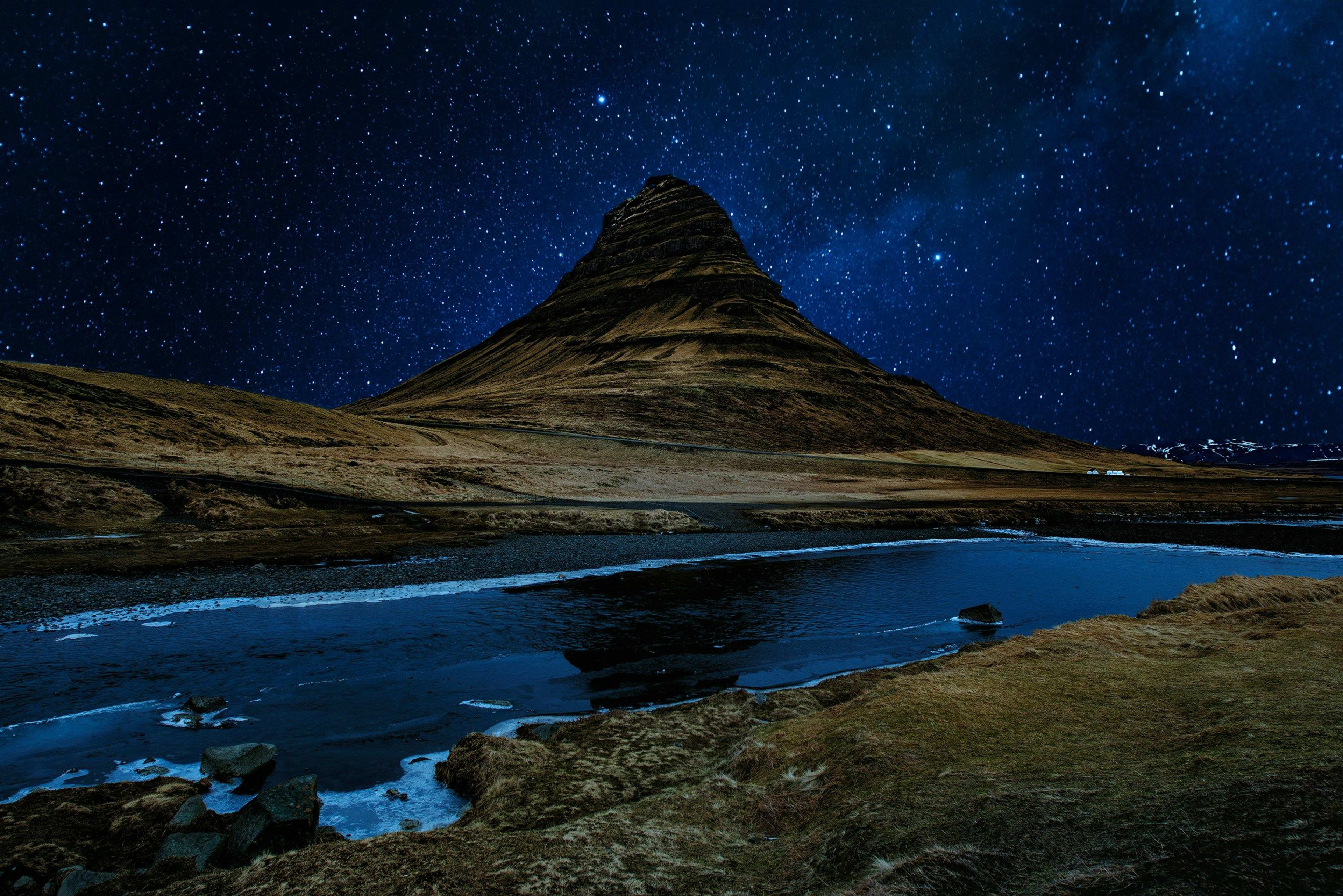
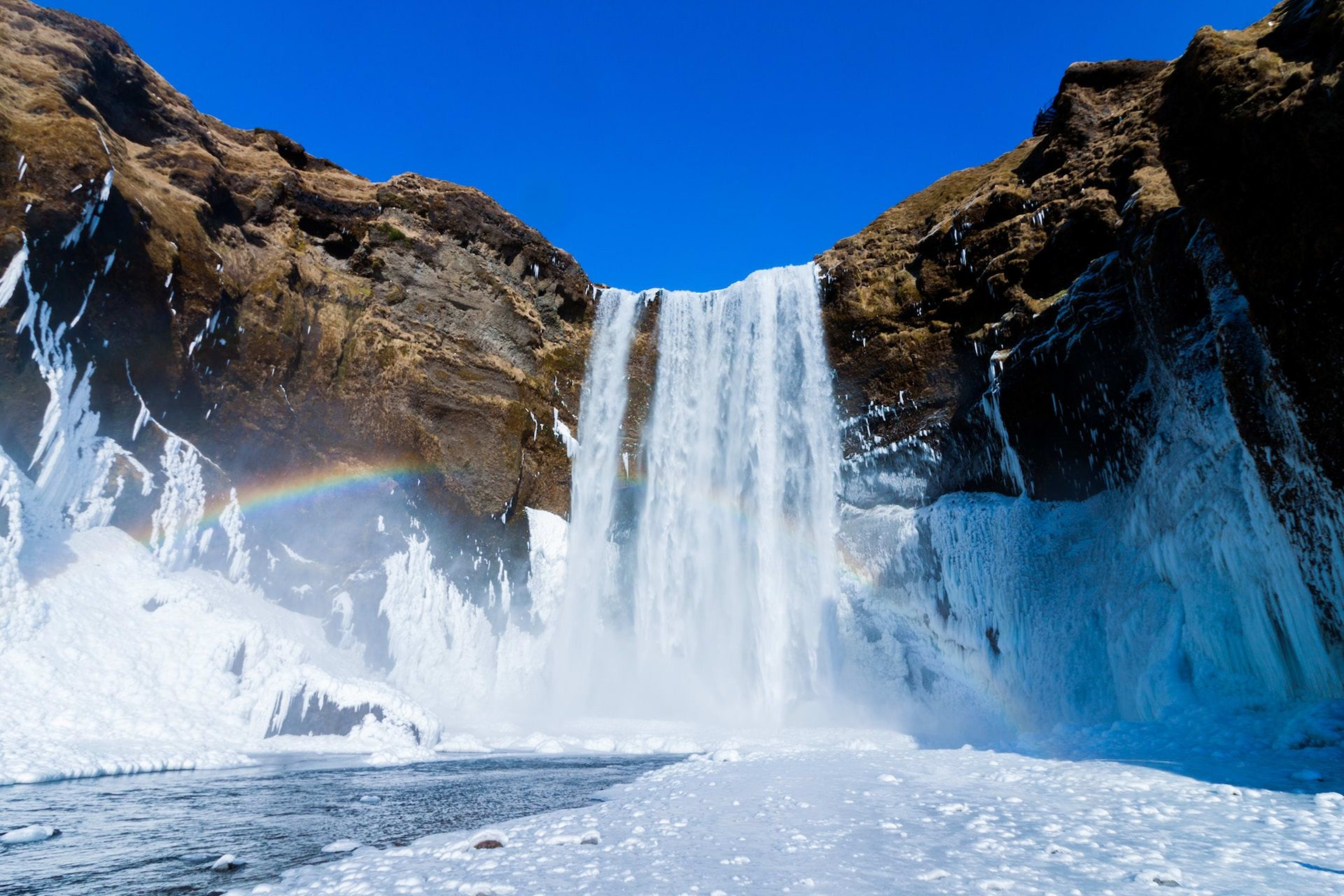
In Iceland, this island brimming with Nordic charm, active volcanoes and tranquil glaciers combine to create a breathtaking natural panorama. The azure Atlantic Ocean meets the frigid Arctic Ocean here, forming Iceland's unique landscape. When you set foot on this land, chasing the Northern Lights and savoring Icelandic cuisine, you'll experience Iceland's world-renowned natural beauty. To make your trip to Iceland more enjoyable, advance preparation is essential. Understanding Iceland's culture and history allows for a deeper appreciation of this land, avoids cultural clashes, and enriches your travel experience. A well-planned itinerary can help you explore every corner of Iceland more efficiently, ensuring you don't miss any of its wonders. Furthermore, preparing travel gear, such as weather-appropriate clothing and necessary first-aid supplies, will enhance your travel comfort and ensure safety. Below, we present you with a comprehensive guide to pre-trip preparations for Iceland, making your Icelandic journey smoother.
Iceland travel checklist
1. Clothing
Iceland in summer and winter is like two completely different worlds. Summer in Iceland presents a lush, vibrant landscape, while winter transforms it into a fairytale-like snow-covered wonderland. When traveling to Iceland, it's essential to be mindful of the changing seasons and prepare appropriate clothing.
- Iceland summer essentials
In summer, Iceland is bathed in sunshine, and the land teems with life. Wearing light clothing, you can stroll freely across the verdant hills, feeling the refreshing breeze on your skin and admiring the rushing, clear streams – an unforgettable experience. Icelandic summer temperatures typically range from 5°C to 15°C. Although warmer than winter, due to its location near the Arctic Circle, Icelandic summer temperatures are still lower compared to other equatorial European countries. Furthermore, Icelandic summer weather is unpredictable, so it's best to pack a variety of clothing before traveling there.
Underwear: Since the temperature is relatively low in the morning and evening in Iceland during the summer, it is recommended to bring warm underwear, such as breathable and moisture-wicking long-sleeved T- shirts or tight-fitting clothes , which can provide warmth while also being comfortable and portable.
Outerwear : Icelandic summer temperatures are relatively high at midday, but cool in the mornings and evenings. It's advisable to pack one or two outerwear items such as fleece jackets or wool sweaters to protect against the cold in the mornings and evenings, and to make them easy to take off at midday.
Pants: Lightweight and comfortable pants are recommended; heavy cotton pants are unnecessary. However, please note that Iceland has many mosquitoes in the summer, so it is advisable to bring one or two pairs of long pants for mosquito and insect protection. To avoid getting wet or sweaty during the trip and affecting comfort, try to avoid wearing jeans.
Footwear: Footwear should be chosen based on your itinerary. If you plan to walk on the beach or in national parks, hiking boots or trekking shoes are essential, as they offer good grip and cushioning to reduce fatigue from hiking. To protect your feet from Iceland's cold and wet conditions, consider bringing a pair of waterproof boots .
Waterproof jacket: Iceland's summer weather is unpredictable, especially in coastal areas where showers are common. Therefore, it is recommended to bring a waterproof jacket or raincoat .
Swimsuit, towel, and flip-flops: Soaking in hot springs is a "must-have" for any trip to Iceland, so don't forget to pack your swimsuit, towel, and flip-flops, as prices near hot spring resorts can be surprisingly high.
- Iceland winter essentials
Compared to summer, Iceland in winter presents a completely different scene. The snow-covered landscape resembles a silver-clad fairyland. Dressed in thick, warm clothing, complete with down jackets and waterproof coats, we trudged through the firm snow, exploring the unique charm of Iceland's winter. Hats, gloves, scarves, and other accessories are essential for staying warm outdoors, allowing us to fully experience the wonder of this icy world.
Iceland's winter temperatures typically range from -5°C to 5°C, and can be even lower in the north and at higher altitudes. Iceland's winters are cold and unpredictable, often accompanied by strong winds and snowfall. Although surrounded by the ocean, temperatures are slightly warmer than inland areas, but still very cold. Therefore, winter clothing for Iceland should prioritize warmth.
Underwear: Icelandic winter temperatures are extremely low, so warm underwear is essential. It is recommended to bring a down jacket or other warm long-sleeved clothing .
Outerwear: Choose a cold-resistant, windproof, and waterproof winter coat, such as a down jacket or a waterproof coat with an insulating layer , to protect against the cold and harsh winter weather.
Pants: Wearing thick, warm pants is essential in Iceland's winter. Opt for windproof, warm softshell or wool pants to protect your legs from the cold.
Footwear: Icelandic roads are often icy or covered in snow during winter, so you need to wear waterproof and slip-resistant shoes, such as snow boots or hiking boots , to ensure safe walking.
Other clothing: Bring a warm hat , a pair of warm gloves , and a warm scarf to protect your head, hands, and neck from the cold wind.
Other equipment: If you plan to do winter outdoor activities in Iceland, such as skiing or watching the Northern Lights, you will need to prepare additional equipment, such as goggles , winter gloves , and leg warmers .
For more information, check out the Iceland Clothing Guide to learn more about local Icelandic clothing!
2. Practical items
Before embarking on your Iceland trip, it's essential to prepare many practical items. Carrying these items is like having Doraemon's magic pocket, filled with endless peace of mind and convenience. Imagine how these items will provide extra security and reassurance during your Iceland journey, eliminating worries about unexpected situations affecting your travel experience.
Iceland Map: Parts of Iceland are remote and sparsely populated, with a complex network of roads unlike cities with numerous road signs. If you get lost in these areas, you'll need to find your way on your own. Therefore, a map is an indispensable tool. Furthermore, a map can help you better understand the layout of Iceland's tourist attractions and facilitate travel route planning.
Portable water bottle: Iceland's water is pristine, and in some areas, spring water is drinkable. When you get thirsty while hiking or exploring glaciers, you can find clean water sources with the guidance of your guide and collect water directly. Portable water bottles also reduce the use of plastic water bottles, contributing to environmental protection in Iceland.
Raincoat: Iceland's weather is unpredictable, with frequent showers and mixed rain and snow. While umbrellas offer some protection in the rain, they are often impractical in Iceland's strong winds and are easily broken. Therefore, it is recommended to bring a raincoat rather than an umbrella.
Sunscreen, sun hats, and sunglasses: Icelandic summers have long days with intense, glaring sunlight and high levels of UV radiation. Sunscreen effectively protects the skin from harmful UV rays. The strong sunlight can also cause eye discomfort and may even damage eye tissue; sunglasses effectively block UV rays, protecting the eyes from harm. Sun hats can block some of the sun, reducing the intensity of direct sunlight on the head and face, helping to keep the head cool and comfortable.
Flashlights and spare batteries: Iceland experiences short days and long nights in winter, especially within the Arctic Circle where polar night occurs. In these conditions, flashlights are essential for illumination. Some tourist attractions in Iceland are located in remote or mountainous areas where nighttime light may be insufficient, necessitating the use of a flashlight. Furthermore, in case of unexpected situations such as getting lost or vehicle breakdowns, a flashlight can be used to send a distress signal.
Medications and First Aid Kit: You may experience illnesses such as colds or diarrhea during your trip. Therefore, it's essential to bring some common medications, such as painkillers, cold medicine, and digestive aids, to alleviate symptoms when necessary. While traveling in Iceland, you may participate in many outdoor activities, such as hiking, mountaineering, and glacier exploration. These activities carry certain risks, so it's also advisable to bring a first aid kit to treat injuries, scrapes, bumps, and other minor cuts caused by accidents.
High-definition camera and tripod: A camera is an essential item for outdoor travel, allowing you to permanently capture beautiful moments and preserve them as precious memories. If you plan to photograph the aurora borealis or want to take higher-quality photos, it is recommended to prepare a tripod to stabilize the camera.
Socket adapters and chargers: Iceland uses a different power socket standard than other countries. Iceland uses the European standard socket, which requires a two-round-pin plug, so you will need a socket adapter for your electronic devices, or you can directly purchase a charger compatible with Icelandic power sockets.
Waterproof phone case: Soaking in hot springs in Iceland is an ultimate experience. To prevent water damage to your phone, we recommend preparing a waterproof phone case to use while soaking in the hot springs. This way, you can enjoy the warmth and comfort while using your phone without worry.
3. Identification documents
In addition to clothing and practical items, you must also have all the relevant documents.
Passport and Visa: For Chinese tourists, it is recommended to submit your visa application to the Icelandic embassy or consulate in China at least three weeks before your trip. However, if this is your first visa application, please submit it at least one month in advance to avoid any unforeseen circumstances (see our other article for details: The Most Comprehensive Iceland Visa Guide ). Additionally, please ensure your passport is valid.
Health Insurance: Health insurance can safeguard your trip to Iceland. If you experience a sudden illness or injury during your trip, don't worry about Iceland's high medical costs; many health insurance plans cover most medical expenses. In emergencies, such as encountering medical emergencies in remote areas of Iceland, some health insurance plans offer services such as emergency medical evacuation or helicopter rescue. Even in cases of flight cancellations or lost luggage, some health insurance plans provide compensation.
Icelandic Driving License: Self-driving tours are a popular way to travel in Iceland. If you want to take a self-driving trip in Iceland, you must have a valid Icelandic driving license and related documents. Before driving, you may want to book a car rental service through the Forest Cat Travel platform. When picking up the car, bring your original driver's license, a notarized English translation of your driver's license, and a credit card (to pay a deposit for any damage to the car or other additional costs; Mastercard, VISA, and American Express are accepted).
Credit cards and debit cards: Credit cards and debit cards are widely used in Iceland. Almost all restaurants, hotels, shops, and car rental companies accept them. While not as convenient as mobile payments, credit cards and debit cards are relatively safe and convenient (eliminating the need to carry large amounts of cash). Furthermore, using credit cards and debit cards avoids the fees associated with cash exchange.
Practical Tips for Traveling in Iceland
Prepare essential items before your trip, and during your journey, you'll also need to know practical tips related to safety, shopping, food, accommodation, transportation, and cultural customs to add peace of mind and comfort to your trip to Iceland.
1. Safety
Safety is always our top priority when traveling. To ensure a smooth and safe trip, here are some practical tips to help you minimize travel risks.
Keep warm and protect yourself from rain: Iceland's weather is unpredictable, and you may encounter extreme weather such as strong winds, rain, and snowstorms at any time. Be sure to check the weather forecast before you go and bring necessary warm clothing and rain gear (raincoat, rain boots).
Drive with caution: If you choose to drive, be sure to obey traffic rules and drive with caution. Iceland's roads are wide and flat, but they may be icy in winter, so drive carefully and pay attention to safety. In addition, many sheep, horses, and other livestock in Iceland are free-range, so be sure to watch out for them crossing the road, especially in rural areas, or when driving at night, you need to be extra vigilant.
Beware of drowning: Iceland's beaches are stunning, but the waves are strong and pose a drowning risk. Therefore, always exercise caution when playing on the beach and avoid areas with high tide. When engaging in water activities such as surfing, kayaking, or boating, always wear a life jacket or other safety equipment to ensure your safety. Avoid going to the beach or coastline alone unless there are lifeguards available.
Remember emergency contact numbers: Save the phone numbers of local emergency services, hotels, and car rental companies. You can call them for help in case of an emergency. In Iceland, 112 is the unified emergency contact number. You can call this number for any emergency, but please note that when dialing 112, you must explain your situation and what kind of assistance you need (you can prepare the relevant English expressions in advance) so that the operator can dispatch the appropriate emergency services accordingly.
Maintain a safe distance from wildlife: Iceland is not only a place of breathtaking beauty but also home to a diverse array of creatures. As a vital migratory destination in the Arctic region, many seabirds can be seen circling over the Icelandic coast every year. These seabirds are generally non-aggressive, but some (such as the Great Skua) may attack humans when they feel threatened. Therefore, when traveling in Iceland and observing wildlife, please maintain a safe distance and do not disturb them.
If you're interested in Icelandic wildlife, you might also want to check out this article about Iceland's native animals .
2. Shopping
Shopping is an essential part of experiencing the local culture and charm when traveling in Iceland. Icelandic handicrafts are uniquely designed and creative, often combining the local landscape with Iceland's distinctive culture, making them highly collectible. Here are some practical tips for shopping in Iceland to help you select more authentic, satisfying, and memorable items, while also reducing your spending and avoiding overpriced traps.
Identifying Authentic Icelandic Handicrafts: Handicrafts are typically handmade by locals, featuring distinctly Icelandic designs and exquisite craftsmanship. When purchasing Icelandic handicrafts, look for labels indicating "Handmade" or "Handcrafted." These labels signify that the item was handcrafted by a local artisan. If you're still unsure whether an item is authentically Icelandic, consult local residents or tourist information centers for assistance.
Related Guide: Icelandic Souvenirs and Best Gifts Shopping Guide
Make good use of tax refund policies: Iceland has a tax refund policy where tourists can apply for a partial refund of consumption tax after purchasing certain goods, which can greatly reduce travel expenses. However, it's important to note that a certain spending threshold must be met to qualify for a tax refund. This threshold may vary depending on the time, type of goods, and location of purchase. Therefore, it's essential to consult with the merchant before shopping to understand their specific tax refund requirements. Once you meet the requirements, keep your receipts, obtain a tax refund application form from the merchant, fill in your personal information completely, and submit it to customs or a tax refund service center before leaving Iceland.
Payment methods: The official currency of Iceland is the Icelandic Krone (ISK), but most merchants also accept international credit cards such as Visa and Mastercard. Additional transaction fees may apply when paying by credit card, so it's advisable to inquire with the merchant before confirming payment. Tipping is generally not required in Icelandic restaurants, as it's usually included in the price. However, if you are satisfied with the service, a small tip is appropriate as a token of appreciation. When using credit cards in Iceland, be mindful of your account and personal information security, and avoid making payments while connected to public or unknown Wi-Fi networks.
3. Diet
A wonderful trip to Iceland wouldn't be complete without indulging in its local cuisine. Iceland attracts tourists from all over the world with its fresh seafood, unique dairy products, and traditional cooking methods. Learning about Icelandic food culture in advance, including its culinary delights, famous restaurants, and dishes, will help you book popular restaurants early, find the most authentic meals, and perfectly complement your dining experience with stunning views (Icelandic Food Introduction: Explore Nine Must-Try Icelandic Dishes and Savor the Flavors of Ice and Fire ).
Try to sample the local delicacies: We recommend taking advantage of your trip to Iceland to try as many unique local dishes as possible. Iceland boasts a wide variety of specialties, such as Icelandic hot dogs, lobster soup, lamb, and yogurt. To truly experience these authentic dishes, it's essential to visit reputable restaurants. For more details, please refer to our articles on restaurant recommendations in Reykjavik and around the island , as well as "What to Eat in Reykjavik? Find the Best Food in the Capital! " We're sure you'll find a restaurant you love there!
When it comes to hot dogs, Bæjarins Beztu Pylsur in Reykjavik is undoubtedly the most authentic and a favorite among locals and tourists alike. For lobster bisque, Sægreifinn is the undisputed leader, its lobster bisque once named "the world's best" by Lonely Planet. To savor Icelandic lamb, Gullfoss Café is the perfect choice. And as for yogurt, Skyrgerðin is the place to be (established in 1930 as the best place to taste Icelandic yogurt).
It's worth noting that food prices in Iceland are generally high. Therefore, it's advisable to budget in advance when trying local specialties to avoid unnecessary expenses. If you enjoy cooking, consider buying ingredients at local seafood markets or supermarkets, which can significantly reduce travel costs.
4. Accommodation
A trip to Iceland is definitely not a day trip; it often lasts more than a week. Therefore, accommodation arrangements are particularly important. Iceland offers a wide variety of accommodation options, from traditional Icelandic farmhouses to modern city hotels. Whether your budget or preferences, Iceland has something for everyone.
Book in advance: Iceland is a popular tourist destination, especially during the peak winter and summer seasons, when it's packed with visitors. During these seasons, hotel and guesthouse beds can be scarce. Therefore, if your trip falls during peak season, booking accommodations in advance is essential. This ensures you find accommodations that best suit your needs and budget. You can also join a Forest Cat tour group , which will arrange suitable accommodations for you throughout your trip, allowing you to focus more on appreciating Iceland's beauty.
Pay attention to cancellation policies: When booking accommodation, in addition to choosing the right type of accommodation and an acceptable price, you should also pay special attention to the cancellation policy. Iceland's weather is unpredictable and may cause flight delays, so choosing a hotel with a reasonable cancellation policy is essential. Even without weather issues, it increases the flexibility of your trip and reduces travel constraints and extra costs associated with canceling a room. Generally, hotel cancellation policies must include various protections such as free cancellation, allowing you to change your itinerary without incurring significant expenses. Therefore, be sure to carefully read the hotel's policies before booking to avoid unnecessary losses and troubles if your travel plans change.
Understand the facilities and services: When choosing accommodation, it's important to know about the facilities and services offered. For example, are there free Wi-Fi, breakfast service, parking, etc., and are there any additional charges?
Consider location: It's best to choose accommodations based on your travel plans and itinerary. If you're driving, choose accommodations close to major attractions and roads; if you're sightseeing in a city, choose the city center or areas with convenient transportation.
5. Transportation
Iceland's transportation system is relatively simple. Here are some practical transportation tips to help you travel smoothly in Iceland and fully appreciate the magnificent natural scenery.
Pay attention to speed limits: If you plan to drive through Iceland, be sure to observe the speed limits on roads. Iceland has very strict speed limits, especially in cities and residential areas. The speed limit in Icelandic city centers is usually 50 km/h. In rural areas and suburbs, the speed limit is generally 90 km/h. On major roads and highways, the speed limit is usually 110 km/h. In addition, special speed limit signs may be set up in certain areas or on specific roads in Iceland; drivers should strictly abide by these signs and adjust their speed accordingly based on road conditions and weather. Furthermore, Icelandic traffic laws are very strict, and speeding and other traffic violations are severely punished.
Car Rental Selection: If you choose to rent a car for your self-drive tour, be sure to select a reputable and long-established rental company. Iceland has many well-known rental companies offering a variety of vehicle types and rental packages to meet different needs and budgets. When choosing a rental company, it's recommended to check customer reviews and feedback to understand their reputation and service quality. In addition, you need to carefully inspect the condition of the rented vehicle and its insurance. Before picking up the car, be sure to conduct a thorough inspection of the body, engine, tires, lights, and other components to ensure the vehicle is free of damage or defects. Sign a detailed rental contract with the rental company, clearly defining insurance responsibilities and compensation clauses. In winter, rent a vehicle equipped with winter tires. Iceland's winter weather conditions are harsh, and roads may be covered in ice and snow, so extra caution is needed while driving. Winter tires increase the vehicle's grip and stability on icy and snowy roads, reducing the risk of accidents.
ForestCat Travel makes renting a car in Iceland a breeze! For more information on renting a car and driving in Iceland, please click to view the Iceland Self-Driving Guide .
Public Transportation: Besides driving, Iceland also offers a variety of public transportation options, such as buses. Iceland's bus network covers the entire island, but public transport is not very convenient, mainly because bus services are infrequent, sometimes only one or two trips a day. For tourists with tight schedules, buses may disrupt their travel plans.
If you don't want to waste precious travel time waiting for the bus, you can also choose to join Forest Cat Travel . The tour group provides a one-stop travel solution, including transportation, accommodation, and guides, allowing you to enjoy your Iceland trip more easily. Simply sit in your arranged vehicle and let a professional guide lead you through Iceland's attractions, fully experiencing the charm of Northern Europe, without worrying about transportation or itinerary planning. Alternatively, you can choose a self-drive tour, allowing you to control the time spent at each attraction.
Recommended Itinerary:
If you're still unsure whether to choose a self-drive tour or a group tour, why not compare different travel options in Iceland: self-drive or group tour? This article will help you understand your needs and make a decision based on your own circumstances.
6. Cultural Customs
Iceland's history dates back to the Viking Age in the 9th century AD, and over this long history, Iceland has developed a unique social culture. Here are some practical cultural tips to help you interact with locals and better integrate into this Nordic country during your trip.
Respect for privacy: Icelanders value their personal privacy and dislike being disturbed by strangers, especially being photographed without their consent. Therefore, when taking photos, please try to avoid photographing others to prevent them from feeling uncomfortable. Respecting the privacy rights of local residents and other tourists is a sign of politeness and civility, and it also contributes to a more harmonious travel atmosphere. If you wish to photograph someone or a place, it is best to obtain their consent beforehand and ensure that you do not infringe on their privacy.
Treat animals kindly: Icelanders place great importance on animal protection, and the country has enacted relevant laws, including the Icelandic Animal Welfare Act (which contains numerous penalties for abandoning or abusing animals). In addition, Iceland has enacted the Hunting and Protection of Game Law, which regulates and restricts the hunting of wild animals. As tourists, when approaching Icelandic animals, please maintain a safe distance, do not disturb or harm them, and do not feed them indiscriminately.
Respect for Religious Beliefs: In Iceland, you can feel the Icelanders' devotion and reverence for religion, as well as their emphasis on religious freedom and tolerance. While Icelanders are predominantly Christian, they are also tolerant and respectful of other religious beliefs. When visiting religious sites, please maintain silence and respect, and do not disturb solemn religious ceremonies or prayers. Regardless of your own religious beliefs, please respect the beliefs and religious customs of the local people.
Be polite: When interacting with locals, please maintain a polite and friendly attitude and fully respect their cultural habits and customs. This is a basic principle for getting along with locals.
Conclusion
Whether it's the lush greenery of summer or the snow-covered landscape of winter, Iceland's Nordic charm and unique scenery always captivate the heart. To better appreciate Iceland's beauty, these practical tips are essential. They will help you understand Iceland's climate and social customs, pack your bags, and embark on a comfortable Nordic adventure.